

Kegels vs Pelvic Floor Relaxation: Troubleshooting Tight Pelvic Floor

When kegels make things worse: the symptoms that point to over-tension
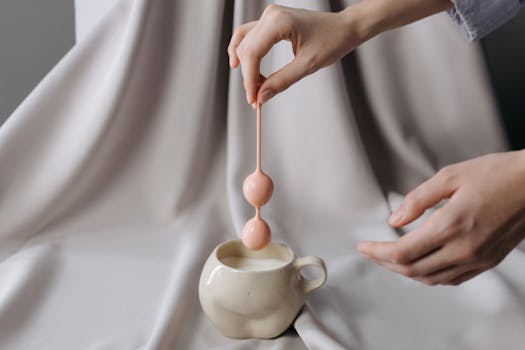
If you’re trying to improve pelvic floor function and you notice your symptoms intensify after doing kegels, you’re not alone. This pattern often signals that the pelvic floor is not weak—it may be overactive or “stuck” in a tightened state.
Common signs that relaxation may be the missing piece include:
- Pelvic pressure or heaviness that increases after exercises
- Urinary urgency, burning, or frequent urination that flares with tightening
- Pain with sex, insertion, tampons, or pelvic exams
- Constipation, difficulty emptying, or rectal discomfort that worsens with squeezing
- Lower abdominal or hip discomfort that appears during or after kegel routines
- A sense that you “can’t fully let go” or that the pelvic floor feels braced all day
- Symptoms that are worse when you’re stressed, after workouts, or during long periods of sitting
In contrast, some people experience the opposite problem: they feel too loose, leak with exertion, or struggle to sense pelvic floor movement. Those cases may respond more to strengthening. The troubleshooting challenge is determining which direction your pelvic floor is actually going—underactive/weak versus overactive/tight.
The most likely causes behind “kegels vs pelvic floor relaxation” problems
When kegels aggravate symptoms, the most likely explanation is that you’re training a pelvic floor that already has too much baseline tone. Several conditions and patterns can create that situation.
1) Overactive pelvic floor muscles (hypertonicity)
Hypertonic pelvic floor muscles maintain tension even at rest. If you add repeated squeezing, you may increase pain, urgency, or pressure. People often describe the pelvic floor as “tight,” “gripping,” or “always on.”
2) Poor coordination: strengthening without proper release
Many routines focus on contraction duration and reps while underemphasizing the ability to fully relax afterward. If you can’t drop tension between sets, you may be training endurance of a tight pattern rather than controlled strength.
3) Breath and core mechanics that keep the pelvic floor braced
Holding your breath, bracing the abdomen, or using a “bear down” strategy during daily activities can drive pelvic floor tension. Even if your kegel technique is correct in isolation, your overall movement patterns may prevent relaxation.
4) Triggering factors: stress, constipation, bladder irritation, or repetitive high-impact activity
Stress can increase pelvic floor guarding. Constipation increases downward pressure and muscle guarding. Bladder irritants can create urgency that reflexively tightens the pelvic floor. High-impact exercise can also provoke bracing.
5) Pain-related conditions that require targeted down-training
Vaginismus/pelvic pain syndromes, pelvic floor myofascial trigger points, and some forms of interstitial cystitis can create a cycle: pain or irritation leads to guarding, guarding increases symptoms, and strengthening exercises worsen the cycle.
Step-by-step troubleshooting: determine whether you need relaxation or strengthening
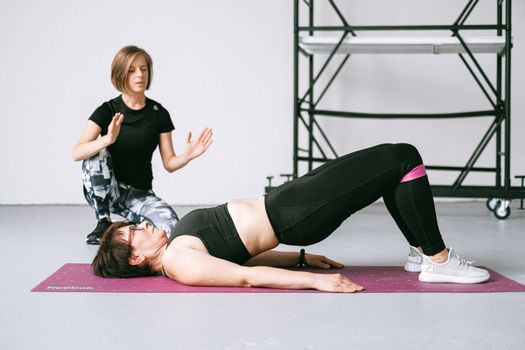
Use this process to clarify what’s happening before you change your routine.
Step 1: Pause kegels temporarily and observe the response
If your symptoms flare immediately after squeezing, stop kegel training for several days. Track what happens during normal activities. You’re looking for a baseline trend: do symptoms calm when you’re not actively contracting?
- If symptoms ease when you stop squeezing, over-tension is more likely.
- If symptoms remain unchanged, or you notice weakness-related issues (leakage, poor control), a different direction may be needed.
Step 2: Check your ability to fully relax
Lie down or sit comfortably. Place a hand on your lower abdomen and another on your pelvic area (over clothing). Take slow breaths and attempt a gentle “drop” feeling rather than a squeeze.
Signs you may be over-tensed:
- You feel resistance to letting go
- Relaxation feels incomplete or “stays on”
- Urinary urgency or pelvic pressure increases when you try to relax
Signs you may have difficulty coordinating contractions and releases:
- You can squeeze, but you can’t tell when you’ve returned to baseline
- Relaxation is present only briefly and you revert to a braced pattern
Step 3: Evaluate constipation and straining mechanics
Ask: do you strain on the toilet, hold your breath, or use a hard “bearing down” technique? If yes, pelvic floor tension may be a protective response. Fixing bowel mechanics often reduces the need for aggressive pelvic floor work.
Step 4: Look at breathing during daily movement
During walking, standing, lifting, or getting out of a chair, notice whether you hold your breath and brace your abdomen. If you do, you may be keeping pelvic floor tone elevated. This can make kegels feel like they “backfire.”
Step 5: Assess pain triggers
Note whether symptoms spike with sex, insertion, tampon use, or pelvic exams. Pain with penetration can be a sign that pelvic floor muscles are guarding. In those cases, relaxation down-training is often the first priority.
Start with the simplest fixes: calm the system before you train it
These steps aim to reduce overactivity and improve coordination. They are appropriate when symptoms worsen with squeezing or when relaxation feels difficult.
1) Replace “max squeeze” with “micro-contractions + full release”
Instead of repeating strong kegels, try a gentle activation for 1–2 seconds followed by a longer rest (e.g., 5–10 seconds) where you intentionally let the pelvic area soften. The goal is not to fatigue muscles; it’s to teach your system that contraction can be followed by genuine release.
Stop if you notice urgency, pressure, or pain increasing. Keep sessions short and calm.
2) Use breathing to reduce pelvic floor bracing
Practice slow diaphragmatic breathing. On the inhale, allow the lower ribs and abdomen to expand without forcing. On the exhale, imagine the pelvic floor “dropping” and softening.
If you’re prone to breath-holding, focus on exhaling longer than you inhale. This often reduces the reflex bracing that makes kegels feel counterproductive.
3) Modify toileting: reduce straining and improve relaxation
During bowel movements, avoid hard bearing down. Instead, use a relaxed posture and allow time. If you strain, consider whether stool consistency needs attention (hydration, fiber, or a stool softener approach discussed with a clinician). Less straining reduces pelvic floor guarding and urgency.
4) Temporarily reduce high-pressure exercise
If you do heavy lifting, high-impact workouts, or intense core bracing, reduce those activities for a short period while you retrain relaxation. You’re looking for symptom settling, not long-term avoidance.
5) Consider internal down-training tools carefully
Some people benefit from pelvic wand use or similar external/internal self-assessment tools to gently address muscle tightness or trigger points. If you choose to use a pelvic wand, keep pressure light and focus on relaxation rather than “digging” for pain. Stop if symptoms flare or if pain persists.
For external support, a pelvic floor relaxation device or heat can help some people reduce guarding before exercises. Use only light, non-irritating approaches and discontinue if you notice worsening.
Intermediate troubleshooting: correct coordination and timing
If simple calming doesn’t resolve the issue, the next step is improving how and when the pelvic floor contracts and releases.
1) Train the “release first” sequence
Start each session with 1–2 minutes of breathing and intentional softening. Then do a very small contraction (about 20–30% effort) and immediately follow with a deliberate release. Think of it as learning to turn on and turn off.
Many people who struggle with kegels vs pelvic floor relaxation have a release problem. This approach targets that directly.
2) Add functional cues during movement
Practice relaxing the pelvic floor during everyday tasks that commonly trigger bracing:
- Standing up from a chair
- Walking with relaxed breathing
- Lifting light objects with exhale support
Use a cue like “soft pelvic floor” while maintaining normal posture. If you can’t relax while moving, you may need a more structured retraining plan.
3) Reassess whether you truly need strengthening
Some people interpret leakage or pelvic heaviness as weakness and jump into high-rep kegels. If you also have urgency, pain, or pressure, strengthening alone can worsen symptoms. Re-troubleshoot:
- If urgency/pain dominates: relaxation and down-training come first.
- If leakage with exertion dominates and there’s minimal pain/urgency: strengthening may be appropriate, but still paired with full release.
4) Address irritation that drives guarding
If urinary urgency is a major symptom, consider whether diet, hydration timing, caffeine, alcohol, or bladder irritants are contributing. Also examine whether frequent “just in case” bathroom visits are training urgency patterns. Reducing irritation can reduce the reflex tightness that makes kegels feel harmful.
Advanced fixes: when self-care isn’t enough
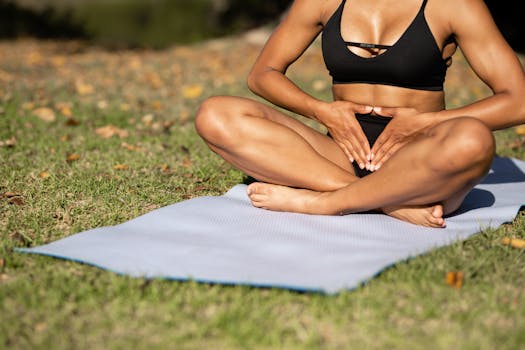
Some cases require more specific interventions because the problem is not just “too much tightening,” but a coordinated pain/guarding cycle or trigger points that need manual or guided therapy.
1) Use targeted pelvic floor physical therapy
A pelvic floor physical therapist can assess tone, coordination, and trigger points and then prescribe a plan tailored to your symptoms. This is especially important if you have persistent pain with penetration, ongoing urinary urgency, or symptoms that consistently flare after home exercises.
2) Consider manual therapy and myofascial work
Trigger points in pelvic floor muscles and surrounding tissues can maintain guarding. Manual therapy (internal or external) can reduce pain and allow better coordination for both relaxation and strengthening.
3) Evaluate for contributing conditions
Depending on your symptoms, clinicians may consider bladder pain syndromes, vulvar pain disorders, endometriosis-related pelvic pain, inflammatory bowel issues, or nerve-related pain. When these are present, pelvic floor training alone won’t fully solve the problem.
4) Rebuild a “progression ladder” for exercise
When symptoms settle, you can progress from relaxation-focused work to gentle activation and then to functional strengthening. A common progression is:
- Breathing + down-training
- Micro-contractions with full release
- Timed holds that do not reproduce symptoms
- Functional integration with walking, stairs, and light lifting
- Higher-intensity training only if urgency/pain remain controlled
If symptoms return at a certain stage, that stage is your current limit—and you step back to the previous level.
When replacement or professional help is necessary
There are clear moments when you should stop troubleshooting alone and involve professional support.
Seek professional evaluation if you have red-flag symptoms
- New or worsening pelvic pain that is severe or rapidly increasing
- Blood in urine or stool
- Fever, chills, or signs of infection
- Sudden changes in bowel or bladder control
- Unexplained weight loss or persistent unexplained symptoms
Consider pelvic floor physical therapy if symptoms persist after retraining
If you’ve stopped kegel work temporarily, practiced release-focused breathing, and corrected toileting and breathing mechanics, but you still flare with contractions or continue to feel tight/painful, professional assessment is warranted. You may be dealing with hypertonicity, trigger points, or coordination deficits that require hands-on guidance.
When “replacement” can mean changing your approach, not changing a device
In this context, “replacement” usually means replacing the training strategy that isn’t working. If a routine consistently worsens urgency, pressure, or pain, it’s not a technique you should persist with. Replace it with relaxation-first down-training and symptom-guided progression.
If you use tools such as a pelvic wand and notice increasing pain, numbness, bleeding, or persistent flare-ups, stop and get guidance. A tool is not a substitute for assessment when symptoms don’t settle.
Know when to return to strengthening
Strengthening becomes appropriate again when:
- You can relax between efforts without symptoms flaring
- Urgency and pain are stable or improving
- Pelvic pressure/heaviness no longer increases with gentle activation
Even then, strengthening should be paired with release—kegels vs pelvic floor relaxation is not an either/or forever. Most people need both at different times, with the ability to fully return to baseline after contraction.
How to tell you’ve found the right balance
A good outcome looks like controlled, comfortable pelvic floor function. Over time, you should notice:
- Less guarding during daily activities
- More predictable bladder and bowel symptoms
- Better tolerance of exercise without pelvic flares
- If you had leakage, improved control without a feeling of constant tension
If your progress is slow, that’s often a sign you’re retraining coordination rather than “fixing a muscle overnight.” Keep changes small, symptom-guided, and consistent.
19.12.2025. 19:26