

Pelvic Floor Muscle Anatomy: A Clear Guide to Function

Why pelvic floor muscle anatomy matters
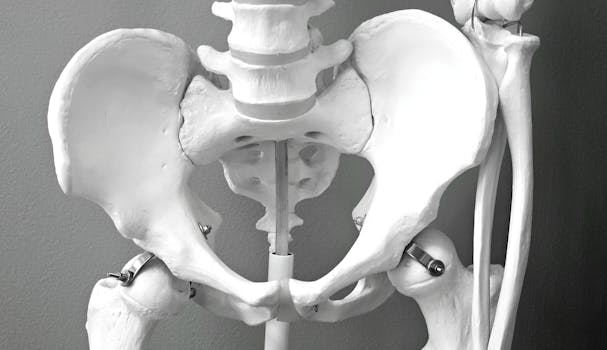
The pelvic floor is not a single muscle, but a coordinated group of muscles and connective tissues that form a supportive “hammock” at the base of the pelvis. Understanding pelvic floor muscle anatomy helps explain why the pelvic floor can become weak, overly tight, or poorly coordinated—and how those changes can influence bladder control, bowel function, pelvic organ support, and sexual health.
When pelvic floor muscles work well, they respond to everyday demands: coughing, lifting, walking, urinating, and even breathing mechanics. When they don’t, symptoms may include urinary urgency or leakage, constipation or difficulty emptying, pelvic heaviness, pain with sex, or a sense of incomplete emptying. A clear anatomical map also makes it easier to understand what “strength,” “relaxation,” and “coordination” mean in practical terms.
This guide focuses on the structures that make up the pelvic floor, how they’re arranged, and how they function as a system rather than isolated parts.
Pelvic floor layers: from above the pelvic diaphragm to the perineum
Anatomy of the pelvic floor is commonly described in layers. The exact boundaries can vary slightly by reference, but the concept of layered support is consistent.
1) Pelvic diaphragm (the main muscular support)
The pelvic diaphragm is primarily formed by the levator ani muscle group. It provides most of the “suspension” and contributes to continence by supporting the urethra, vagina, and rectum.
Within the levator ani, key components include:
- Puborectalis: forms a sling around the anorectal junction and helps maintain the anorectal angle.
- Pubococcygeus: supports the front of the pelvic floor and contributes to lift and closure pressures.
- Iliococcygeus: provides broad support toward the side walls and helps stabilize the pelvic base.
2) Urogenital diaphragm (support between pelvic organs and the exterior)
Below the pelvic diaphragm, the urogenital diaphragm spans the space between the pubic arch and contributes to support of the urethra and external genital structures. It is closely associated with the deep transverse perineal muscles and external sphincter-related structures.
3) Perineal body and connective tissue support
The perineal body is a fibromuscular node that acts like an anchor point where several pelvic floor structures converge. It provides a stable attachment for muscles and helps coordinate movement between the pelvic floor and the external anal and urogenital regions.
Connective tissue within the pelvic floor plays a major role in force transmission. Even when muscle strength is present, poor connective tissue support or disrupted attachments can reduce effective pelvic floor function.
The levator ani: core anatomy of the pelvic floor hammock
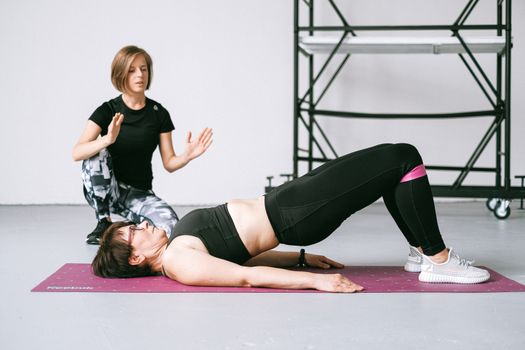
The levator ani is the dominant muscle group of the pelvic diaphragm. Its fibers create a supportive platform that responds to pressure changes inside the abdomen.
Puborectalis: the “hinge” for continence and stool control
Puborectalis forms a sling around the anorectal junction. When it contracts appropriately, it helps maintain the anorectal angle, supporting continence. During defecation, puborectalis relaxation is part of the coordinated mechanism that allows the anorectal angle to open.
This is one reason why pelvic floor dysfunction can feel confusing: if the puborectalis is overly tight or fails to relax during bowel movements, stool may be difficult to pass even if the person feels they are “trying.”
Pubococcygeus and iliococcygeus: lift, support, and pressure regulation
These muscles contribute to pelvic organ support and help regulate pressures during activities that increase abdominal pressure. A well-coordinated levator ani contraction can help counterbalance downward pressure and support the urethra and pelvic organs.
In practice, this coordination is often described as a “timed” response: the pelvic floor should engage when needed (for example, before coughing or lifting) and then relax afterward. Anatomy is the foundation for this timing, because different portions of the muscle group contribute to support in different directions.
Other important pelvic floor muscles and their roles
Beyond the levator ani, several muscles contribute to pelvic floor function and pelvic stability.
Coccygeus (ischiococcygeus region)
Coccygeus forms part of the posterior pelvic diaphragm area and helps support the pelvic organs. It also influences the stability of the pelvic base and can be relevant in pain syndromes where muscle tenderness and guarding occur.
External urethral sphincter complex
Continence depends on more than the pelvic floor alone. The external urethral sphincter complex and associated tissues contribute to urethral closure. Pelvic floor muscles interact with these structures through connective tissue and coordinated activation patterns.
In women, the urethra runs through the urogenital region where the pelvic floor supports and stabilizes it. In men, similar coordination supports urethral closure and function.
External anal sphincter and anal canal support
The external anal sphincter is crucial for maintaining anal continence. Puborectalis and other pelvic floor components work together with sphincter function to maintain an effective seal and to allow relaxation during defecation.
Because anatomy is coordinated, pelvic floor training often addresses both “strength” and “relaxation.” A pelvic floor that can contract but cannot release may contribute to pain or bowel symptoms.
Deep transverse perineal muscles
The deep transverse perineal muscles contribute to the urogenital diaphragm and support the perineal region. They help stabilize the perineal body and provide structural support that influences how forces are transmitted between internal and external pelvic structures.
Attachments, fascial connections, and how force is transmitted
Pelvic floor anatomy is best understood through attachments. Muscles pull on connective tissue; connective tissue transmits force to the pelvic organs and bony landmarks.
Key attachment points
- Pubic bone region: many pelvic floor fibers attach or influence the pubic arch area, shaping support for the anterior pelvic compartment.
- Ischial spines and lateral pelvic walls: levator ani attachments help “anchor” the pelvic floor to the bony pelvis.
- Coccyx and sacrum: posterior attachments influence the direction of lift and the ability to stabilize the pelvic base.
- Perineal body: a central connective node where multiple structures converge.
Fascia and connective tissue as part of the system
Fascia is not just wrapping—it acts as a mechanical interface. When connective tissue is healthy, it allows smooth force transmission. When it is strained, stretched, or altered, muscle contractions may not produce the expected lift or support.
This matters clinically. For example, someone may have pelvic floor muscles that can contract, but if attachments are altered or if coordination is off, they may still experience symptoms such as pelvic heaviness or incomplete emptying.
Pelvic floor nerves and blood supply: what supports function

Pelvic floor function depends on intact nerve signaling and adequate blood flow. While anatomy is often discussed in terms of muscles, nerve control is central to coordination.
Nerve supply: the pathway for coordinated contraction and relaxation
The pelvic floor receives major innervation through branches of the sacral plexus, including the pudendal nerve and related pathways. These nerves contribute to both sensory input (important for awareness and coordination) and motor output (important for contraction and relaxation).
When nerve function is disrupted—whether due to trauma, chronic pelvic pain mechanisms, or other neurologic conditions—pelvic floor muscle control can become inconsistent. That inconsistency can show up as difficulty initiating contraction, difficulty relaxing, or altered sensation.
Blood supply: why tissue health matters
Pelvic tissues rely on a network of arteries and veins that support oxygenation and tissue repair. Adequate blood flow supports muscle endurance and recovery. Chronic tension or reduced movement can influence tissue health indirectly, and pain can also affect how someone breathes, moves, and uses the pelvic floor.
How pelvic floor anatomy coordinates with breathing and abdominal pressure
The pelvic floor is influenced by intra-abdominal pressure and breathing mechanics. Anatomy helps explain why.
Downward and upward pressure dynamics
During activities that increase abdominal pressure—coughing, sneezing, lifting—pressure tends to push downward. A coordinated pelvic floor response helps counterbalance that force and maintain support.
During exhalation and relaxation phases, the pelvic floor can soften and allow functional movement. If the pelvic floor remains chronically elevated or guarded, it may not respond appropriately to the demands of daily life.
Timing matters: not just “strong” but “well-timed”
Many people are taught to “tighten” their pelvic floor. Anatomy-based function is broader than that: the pelvic floor should be able to contract when needed and relax when appropriate. That ability supports continence, comfort, and efficient bowel emptying.
In practical terms, pelvic floor training often includes:
- Contraction to support continence and pelvic organ positioning.
- Relaxation to allow normal voiding and defecation mechanics.
- Coordination with breathing and movement so the pelvic floor responds in the right moment.
Pelvic floor anatomy in women: support, continence, and childbirth-related changes
In women, pelvic floor muscles support the bladder, uterus, and rectum. The pelvic floor’s structure influences how these organs are positioned and how the urethra and vagina are supported.
Urethral and vaginal support
Because the urethra and vagina pass through the urogenital region, pelvic floor support influences urethral closure and the stability of pelvic tissues. The levator ani and associated connective tissue help maintain this support.
Childbirth and tissue remodeling
Pregnancy and childbirth can stretch pelvic tissues and alter muscle coordination. Anatomy helps explain why symptoms can persist even when pain is not severe: the control pattern may change, and the supportive system may require retraining to restore efficient function.
It’s also common for people to experience a mix of factors, such as reduced endurance, altered relaxation ability, or changes in sensory awareness. Pelvic floor anatomy underlies these different presentations.
Pelvic floor anatomy in men: continence support and pelvic stability

In men, pelvic floor muscles support the bladder outlet and help regulate pressure around the urethra and rectum. The pelvic floor’s ability to coordinate with abdominal pressure is central for continence and comfort.
Urethral support and pressure regulation
Because the urethra traverses the urogenital region, pelvic floor support influences urethral closure mechanics. Well-coordinated pelvic floor activation can reduce leakage during pressure increases.
Rectal support and bowel coordination
Puborectalis and the external anal sphincter contribute to stool control. When relaxation is impaired, individuals may experience straining, incomplete evacuation sensations, or discomfort during bowel movements.
Pelvic floor anatomy and common dysfunction patterns
Pelvic floor dysfunction is not one uniform problem. Anatomically, different patterns can occur depending on muscle strength, coordination, connective tissue resilience, and sensory or nerve involvement.
Weakness or reduced endurance
When pelvic floor muscles cannot sustain appropriate activation, support during pressure events may be insufficient. This can contribute to urinary leakage with coughing or lifting, pelvic heaviness, or reduced support sensations.
Overactivity or impaired relaxation
In overactivity, pelvic floor muscles may remain overly tense. Anatomy explains why this can affect both urinary and bowel function: a tight puborectalis sling can hinder normal anorectal mechanics, while sustained muscle guarding can affect urethral and pelvic organ mobility.
Poor coordination (timing and sequencing issues)
Some people can contract but cannot coordinate the contraction with breathing or movement. Others may relax too quickly or too slowly. Coordination issues can create symptoms even when muscle strength appears adequate.
Practical guidance: using anatomy to support safe self-awareness
Because pelvic floor anatomy is complex, it’s helpful to use practical, low-risk strategies that respect the need for both contraction and relaxation.
Start with posture and breathing mechanics
Breathing influences pelvic floor position through pressure changes. A common practical approach is to practice slow breathing with attention to how the pelvic region feels during exhale and inhale. Aim for a sense of gentle lift on exhale without gripping.
If you notice that you automatically clench your glutes, hold your breath, or create pelvic “tension,” that may indicate a coordination pattern that needs adjustment.
Practice gentle pelvic floor awareness before strengthening
Before attempting stronger contractions, focus on the sensation of:
- Relaxation (softening rather than bearing down)
- Low-level activation (a subtle lift or inward movement)
Many people do better when they can differentiate between tightening for support and relaxing for function.
Avoid bearing down as a reflex during toileting
For bowel movements and sometimes for urination, some people instinctively bear down. Anatomy matters here: the pelvic floor and sphincter mechanisms require coordinated relaxation and opening. If bearing down becomes the default, it can contribute to incomplete emptying or discomfort.
If symptoms persist, it’s often more effective to address coordination with a pelvic health professional rather than relying on repeated straining.
Know when to seek evaluation
Consider professional assessment if you have persistent urinary leakage, new pelvic heaviness, pain with sex, significant constipation, blood in stool, severe pain, or symptoms that worsen over time. Pelvic floor anatomy and nerve control are involved, and tailored guidance can prevent long-term reinforcement of dysfunctional patterns.
Prevention and long-term pelvic floor health
While pelvic floor anatomy can be influenced by genetics, age, and life events, daily habits can support long-term function.
Support bowel regularity
Consistent stool patterns reduce the need for straining. Straining repeatedly can overload pelvic tissues and affect coordination. Adequate fiber and hydration support regularity, and addressing constipation early can reduce pressure demands on the pelvic floor.
Manage intra-abdominal pressure wisely
Lifting and high-pressure activities are part of life. Learning to coordinate breathing and pelvic floor activation can reduce excessive downward force. The goal is not constant gripping, but appropriate support during pressure events.
Stay active to support pelvic tissue health
Movement supports circulation and helps maintain muscle endurance. Some forms of exercise may increase pressure; others may encourage relaxation and mobility. The best approach is one that maintains strength and coordination without aggravating symptoms.
Use targeted guidance when symptoms suggest imbalance
Pelvic floor anatomy differs from person to person. If symptoms point toward weakness, overactivity, or coordination problems, targeted assessment can clarify which anatomical structures are most involved and what kind of training is appropriate.
In some cases, clinicians may evaluate muscle tone, ability to relax, and coordination patterns. For people who also experience pelvic pain, assessment may include evaluation of trigger points and guarding patterns, because anatomy often reveals why certain movements or positions provoke symptoms.
Summary: mapping pelvic floor muscle anatomy to real-world function
Pelvic floor muscle anatomy provides the framework for understanding how the pelvic diaphragm, urogenital diaphragm, perineal body, and associated muscles work together. The levator ani—especially puborectalis—plays a central role in continence and bowel coordination, while connective tissue attachments and coordinated nerve signaling help translate muscle action into functional support.
When pelvic floor muscles are weak, overly tight, or poorly coordinated with breathing and abdominal pressure, symptoms can emerge across bladder, bowel, and pelvic support systems. Practical self-awareness—focusing on relaxation, gentle activation, and breathing mechanics—can support safer progress, but persistent or painful symptoms warrant professional evaluation.
By thinking in terms of structure and coordination rather than only “tighten versus relax,” you can better understand what your pelvic floor is doing and why the right training approach depends on the specific anatomical and functional pattern.
24.04.2026. 20:01