

Pelvic Floor Relaxation Exercises: How to Release Tension Safely

Why pelvic floor relaxation exercises matter
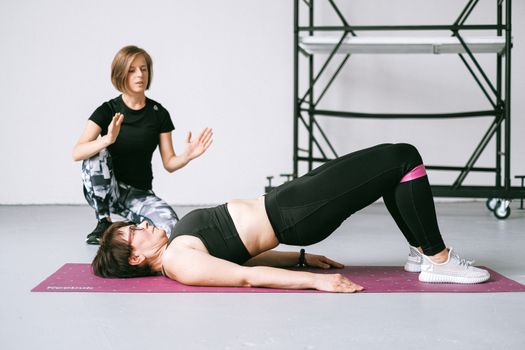
The pelvic floor is a group of muscles that supports the bladder, uterus, and rectum while helping with continence and sexual function. Like any muscle system, it can become overactive. When the pelvic floor is chronically tense, people may feel pressure, aching, burning, pain during sex, urinary urgency, incomplete emptying, constipation, or difficulty inserting a tampon or undergoing pelvic exams. In many cases, the most helpful approach is not stronger contractions, but learning how to relax and lengthen the pelvic floor on purpose.
Pelvic floor relaxation exercises are designed to teach your nervous system and muscles that “letting go” is safe. This can reduce guarding, improve coordination with breathing, and support more efficient bladder and bowel function. The goal is not to force relaxation or to “push” the pelvic floor downward. Instead, you’re practicing controlled, comfortable release.
What “relaxation” means for the pelvic floor
Relaxation is an active skill. The pelvic floor should not be limp or constantly dropping; it should be able to switch off when appropriate and then re-engage when needed. When tension persists, the pelvic floor may fail to downshift between tasks (such as urinating, passing stool, or relaxing during rest). This can create a cycle: discomfort leads to protective muscle activation, which increases discomfort.
Effective pelvic floor relaxation exercises typically involve:
- Downtraining the nervous system (reducing threat signals through slow breathing and calm attention).
- Lengthening the pelvic floor (encouraging a gentle release rather than bearing down).
- Improving coordination between the diaphragm, abdomen, and pelvic floor.
- Restoring sensory awareness so you can distinguish “tension” from “neutral.”
Common signs your pelvic floor may be overactive
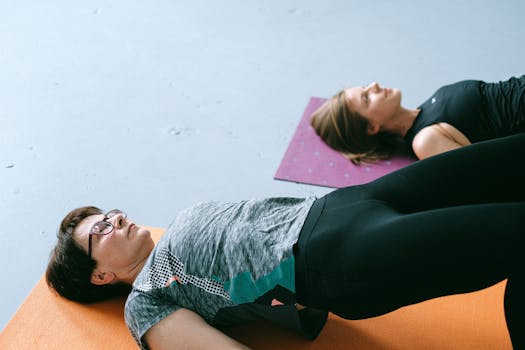
Overactivity can look different from person to person. Consider exploring relaxation-focused strategies if you notice patterns such as:
- Pelvic or perineal discomfort that increases with stress, sitting, or certain activities
- Urinary urgency with minimal output or frequent small voids
- Difficulty starting urination, feeling “stuck,” or incomplete emptying
- Pain with tampon use, pelvic exams, or penetrative sex
- Constipation or straining that feels difficult to control
- Spasm-like sensations, burning, or pressure without clear infection
These symptoms can also occur with other conditions, including infections, endometriosis, interstitial cystitis/bladder pain syndrome, hemorrhoids, or neurologic issues. If symptoms are persistent or worsening, it’s important to seek evaluation from a qualified clinician, ideally someone familiar with pelvic floor dysfunction.
How to prepare: positioning, breathing, and attention
Pelvic floor relaxation exercises are easiest when your body is supported and your breathing is unblocked. Before you begin, choose a position where you can feel your abdomen and ribs move comfortably.
Start with a comfortable baseline position
- On your back: knees bent, feet on the floor, one or two pillows under your knees if needed.
- Side-lying: a pillow between the knees for hip comfort.
- Supported recline: a chair with back support or a couch with pillows.
Use breathing to cue relaxation
Slow, diaphragmatic breathing helps the pelvic floor “unclench.” Try this breathing pattern:
- Inhale through the nose for about 4 seconds, allowing the belly and lower ribs to expand.
- Exhale slowly for about 6–8 seconds, imagining the pelvic area softening as you breathe out.
During the exhale, you’re not trying to force anything. Instead, you’re giving the muscles permission to drop their protective tension.
Mindful awareness without gripping
Many people inadvertently tighten while trying to relax. A helpful cue is to relax your jaw, soften your shoulders, and keep your attention on the sensation of warmth or ease rather than on “doing it perfectly.”
Step-by-step pelvic floor relaxation exercises you can practice
Below are practical exercises commonly used in pelvic floor physical therapy settings. They focus on gentle downtraining and lengthening rather than strengthening.
1) “Soft exhale” pelvic release (2–5 minutes)
- Lie on your back with knees bent.
- Take 3–5 slow breaths.
- On each exhale, imagine the pelvic floor muscles melting downward and inward slightly—like a gentle hammock relaxing.
- Stop short of any bearing down or pushing sensation.
- Rest for 10–15 seconds between breaths if you feel overstimulated.
What it should feel like: a gradual softening, reduced pressure, and less guarding. What to avoid: straining, increased pain, or a “hard” or “bulging” sensation.
2) Pelvic floor drop without pushing (supported “bear-down substitute”)
Instead of pushing, use a coordinated “lengthen” approach.
- Start in the same supported position.
- Inhale normally.
- During the exhale, think “lengthen” rather than “push.”
- Gently increase space in the lower abdomen and avoid clenching the glutes or inner thighs.
- Hold the relaxed exhale for 2–3 seconds, then breathe normally again.
Repeat 6–10 cycles. If you feel you must strain to see movement, scale back and return to breathing-only relaxation.
3) Diaphragm-to-pelvic coordination (breath + abdomen cue)
- Place one hand on your belly and one on your side ribs.
- Inhale so your belly and ribs expand.
- Exhale slowly while you let your pelvic area soften.
- Keep the exhale smooth—no abrupt “kicks” of air.
Do 8–12 breaths. This trains your system to associate exhalation with pelvic floor downshift.
4) Happy baby or supported butterfly with gentle pelvic softening
Gentle hip opening can reduce pelvic tension by changing mechanical load and relaxing surrounding muscles.
- Try “happy baby” on your back (or a modified version): knees bent, feet toward the ceiling, hold behind thighs or shins.
- Alternatively, do a supported butterfly: soles of the feet together, knees supported with pillows.
- Breathe slowly and focus on softening the pelvic floor during exhale.
- Keep intensity low; discomfort is a signal to reduce range.
Hold for 60–90 seconds, repeat 1–2 times.
5) Relaxation check-ins: scan and release (1–2 minutes)
This exercise builds sensory accuracy, which is often crucial for people who cannot reliably tell whether they’re tense.
- Sit or lie comfortably.
- Scan from the belly to the pelvic area, noticing where tension is present.
- Soften the jaw and shoulders first.
- Then soften the pelvic area as you exhale, without forcing.
- Repeat once after a normal breath cycle.
Many people benefit from doing this before toileting or before activities that trigger symptoms.
Using internal techniques: what to know before trying
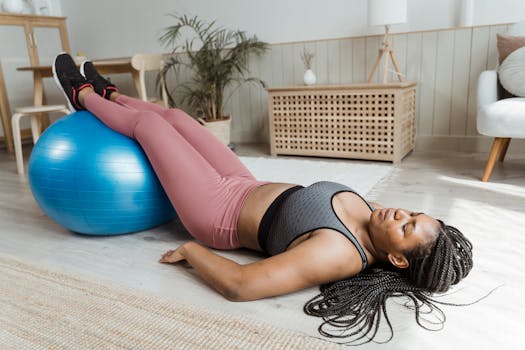
Some relaxation approaches include internal work, such as gentle manual release or guided education by a pelvic health professional. If you choose to explore internal methods, prioritize safety and comfort.
Consider professional guidance if you have significant pain, a history of trauma, or strong fear around pelvic touch. A pelvic floor physical therapist can teach you how to relax without triggering muscle guarding.
In some cases, clinicians may use tools such as pelvic wands or dilators to support relaxation training. These can be appropriate for certain goals, but they should be introduced with clear guidance on comfort level and pacing. If you use any internal tool, it should feel tolerable, not escalating. Stop if pain increases or if you feel you cannot downshift afterward.
How often and how long to practice
Relaxation skills typically improve with consistency rather than intensity. A reasonable starting point is:
- Daily or at least 4–5 days per week
- 5–10 minutes total at first
- Short sessions before known triggers (for example, before bed or before toileting)
If symptoms flare after practice, reduce duration and focus on breathing-only exercises. Overworking the pelvic floor—especially by repeatedly stretching through discomfort—can reinforce guarding.
Common mistakes that block progress
Even when people are motivated, relaxation training can fail when the technique accidentally becomes a “performance.” Watch for these pitfalls:
- Forcing a downward push during exhale (this can increase pressure and pain for some people).
- Clenching other muscles—glutes, thighs, or abs—to compensate.
- Breathing too fast or holding breath, which can heighten tension.
- Ignoring pain signals or pushing through sharp discomfort.
- Practicing only in one position and then expecting the same relief during sitting, walking, or standing.
Relaxation should feel like a softening response, not a battle.
When to seek medical evaluation
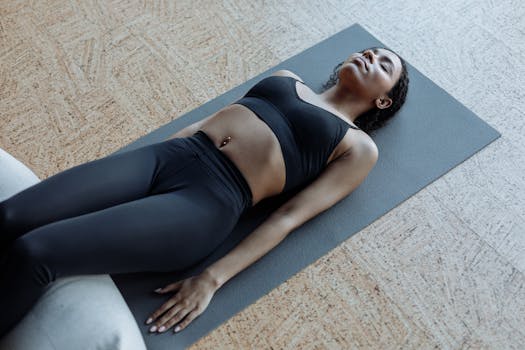
Pelvic floor relaxation exercises can be helpful, but they are not a substitute for diagnosis. Seek evaluation promptly if you have:
- Fever, burning with urination, or blood in urine or stool
- Unexplained weight loss or severe, progressive pelvic pain
- New neurologic symptoms (numbness, weakness, loss of bladder/bowel control)
- Severe pain with penetration or inability to insert tampons due to pain
- Symptoms that worsen steadily despite gentle practice
For persistent pelvic pain or urinary urgency, a clinician may consider conditions such as bladder pain syndrome, endometriosis, neuropathic pain, or musculoskeletal causes. Pelvic floor dysfunction often coexists with other issues, so targeted assessment matters.
Summary: building a calmer pelvic floor
Pelvic floor relaxation exercises teach your body to downshift from protective tension. By pairing slow exhalation with gentle pelvic softening, you can improve coordination between breathing and pelvic floor muscle tone. Start with supported positions, practice soft exhale release, and avoid pushing or straining. If you consider internal techniques or tools, do so cautiously and ideally with guidance from a pelvic health professional.
With consistent, low-intensity practice, many people notice reduced pressure, improved comfort, and better control of bladder and bowel symptoms. If symptoms are severe, rapidly changing, or accompanied by red-flag signs, professional evaluation is the safest next step.
11.05.2026. 18:46