

TENS vs Pelvic Pain Device: Which Helps More?

Two device types for pelvic discomfort: what’s really different?

If you’re dealing with pelvic pain, you’ve probably seen two broad categories of at-home options: TENS units and “pelvic pain devices” (often designed specifically for pelvic floor muscle stimulation and symptom targeting). They can both involve electrical stimulation, but the intent, placement, settings, and typical response timeline are usually different.
TENS (Transcutaneous Electrical Nerve Stimulation) is generally aimed at modulating pain signals through the skin. A pelvic pain device is more likely to be designed around pelvic floor or lower-abdominal targeting—sometimes using internal or external electrodes, different waveforms, and symptom-specific programming.
Because pelvic pain is not one single condition, the “best” choice depends on what kind of pain you experience (muscle-related, nerve-related, bladder-related, post-surgical, etc.), how sensitive your tissues are, and how consistently you can use the device. This guide compares how TENS vs pelvic pain device approaches tend to play out in real routines.
Quick summary: which option is strongest overall?
For many people, a pelvic pain device can be the stronger overall match when your discomfort is closely tied to pelvic floor tension or muscle-driven symptoms—especially if the device offers pelvic-specific electrode placement and tailored programs. That said, TENS can still be the better first try if your pain feels more “nerve-like,” you want a non-pelvic-floor approach, or you prefer simpler external use.
In short: pelvic pain device often wins for pelvic floor–centered patterns; TENS often wins for broader, skin-based pain modulation.
TENS vs pelvic pain device: side-by-side differences that matter
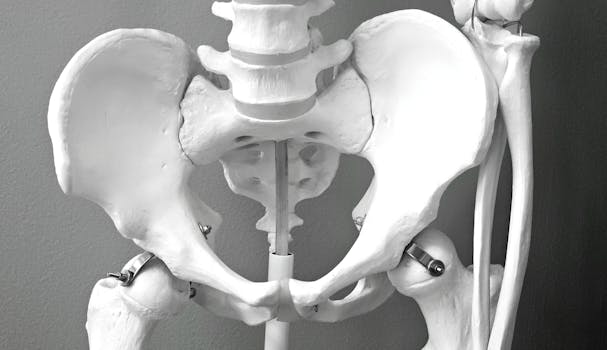
Below is a practical comparison that focuses on how these devices typically differ in setup, stimulation approach, and what you may notice over time.
| Feature | TENS (Transcutaneous Electrical Nerve Stimulation) | Pelvic pain device (pelvic-specific stimulation) |
|---|---|---|
| Primary goal | Reduce pain signaling via cutaneous nerve modulation | Target pelvic symptoms more directly (often pelvic floor or lower pelvic region) |
| Electrode placement | External electrodes on skin (commonly lower back, abdomen, hips, or near pain areas) | External and/or internal electrodes depending on design; often positioned to influence pelvic floor muscles |
| Common sensation | Tingling to pulsing that may feel “pain-blocking” | Stimulation that may feel more localized to pelvic muscles or internal comfort levels |
| Programming | Often includes modes like conventional TENS, burst, or acupuncture-like settings | Often includes pelvic-focused programs (e.g., muscle relaxation, symptom relief sequences) |
| Typical session length | Often 20–30 minutes per session; some people start with 10–20 minutes | Often 10–30 minutes per session; some programs run in shorter cycles |
| Timeframe to notice change | Some people feel relief within minutes; longer patterns may take 1–3 weeks of consistent use | Some people notice immediate comfort; muscle-related changes may take 2–6 weeks depending on symptoms |
| Best fit when pain is… | More nerve-like, referred, or generalized pelvic pain where skin placement is practical | More pelvic floor–linked (tightness/spasm), pressure-related discomfort, or symptoms that respond to pelvic floor training |
| Comfort and sensitivity considerations | May be easier to tolerate because it’s external and customizable by pad placement | May be more variable: internal devices can be very effective for some, but not comfortable for everyone |
| Interaction with other care | Can complement pelvic floor physical therapy, heat, and stretching | Often pairs well with pelvic floor PT and relaxation strategies, especially when device programs match exercises |
| Common limitations | May not address pelvic floor muscle tone directly if electrodes can’t reach the right tissues | May be less practical if you can’t tolerate internal use, or if your pain source isn’t pelvic-floor related |
Real-world performance: where people usually feel the difference
To make this comparison concrete, let’s use a realistic scenario.
Scenario: pelvic pain after sitting for long periods
You notice increased pelvic pressure after 45–60 minutes of sitting. When you stand up, the discomfort eases a bit, but it returns quickly. You also feel pelvic floor tightness when you try to relax.
In this situation, a pelvic pain device often performs better because it’s more likely to be programmed and positioned to influence pelvic floor muscle activity. Many people report that comfort improves after a few sessions—sometimes within the first week—while more noticeable changes may take several weeks of consistent use.
Meanwhile, a TENS unit can still help, especially if you place electrodes on the lower abdomen, hips, or low back to reduce pain signaling. But if the dominant issue is muscle tension and coordination, TENS may feel like “symptom dampening” rather than addressing the underlying mechanism.
Scenario: sharp, nerve-like pelvic pain
If your pain is more sudden, burning, or radiates in a nerve-like pattern, TENS may be the more straightforward starting point. External electrodes can be placed near the most sensitive dermatomes (skin areas) or near referred pain zones, and you may notice changes quickly—sometimes during the first session.
That doesn’t mean pelvic pain devices can’t help, but the “fit” depends on whether your symptoms respond to pelvic-floor stimulation patterns.
Pros and cons breakdown for TENS
TENS advantages
- External and flexible: You can often move pads to different placements to see what reduces discomfort most.
- Fast feedback: Many people notice a change in minutes, which makes it easier to adjust settings without waiting weeks.
- Broad pain modulation: TENS can be useful for generalized pelvic pain patterns, lower back referral, and nerve-like sensations.
- Often simpler to integrate: If you already do pelvic floor physical therapy, TENS can be used alongside heat, breathing work, and stretching.
TENS limitations
- May not target pelvic floor tone directly: If your main driver is pelvic floor muscle tightness, external skin stimulation might not create enough pelvic-floor effect.
- Pad placement trial-and-error: It can take a few sessions to find the best electrode position and intensity.
- Sensation tolerance varies: Some people dislike the tingling or pulsing, especially if they increase intensity too quickly.
- Relief may be temporary: Without consistent use and complementary strategies, benefits can fade between sessions.
Where TENS tends to be a strong match
If your pelvic pain is frequently linked to nerve signaling, referred pain from the low back or hips, or you want an easier-to-use external option, TENS can be a practical first step. It’s also a reasonable choice if you’re not ready for internal or pelvic-specific electrode designs.
Pros and cons breakdown for pelvic pain devices

Pelvic pain device advantages
- Pelvic-focused targeting: Many designs are built to influence pelvic floor muscles or pelvic region symptoms more directly.
- More tailored programs: Some devices include sequences aimed at relaxation, symptom reduction, or muscle coordination, which may align better with pelvic floor–related pain.
- Potential for deeper symptom changes: When symptoms are muscle-driven, pelvic-specific stimulation can sometimes produce longer-lasting improvements over 2–6 weeks.
- Often pairs well with pelvic floor PT: If you’re doing exercises, relaxation techniques, or down-training, the device can complement that routine.
Pelvic pain device limitations
- Comfort and tolerance: If the device uses internal electrodes, not everyone can tolerate it—even at lower settings.
- Longer adjustment period: It may take multiple sessions to find settings that are helpful without aggravating sensitivity.
- Not ideal for every pain type: If your pelvic pain is primarily inflammatory, bladder-related, or unrelated to pelvic floor muscle tone, pelvic-floor targeting may not address the root cause.
- More setup complexity: Depending on the product, you may need more time for placement and hygiene routines.
Where pelvic pain devices tend to be a strong match
If you feel pelvic tightness, pressure, or spasming that seems tied to pelvic floor muscle behavior—especially symptoms that flare with sitting, stress, or certain activities—a pelvic pain device may fit better than a general TENS approach.
Best use-case recommendations for different buyers
Instead of declaring one device “always best,” it’s usually more helpful to match the approach to your symptom pattern, comfort preferences, and routine.
Choose TENS if you want external simplicity and quick feedback
- You prefer placing pads on your skin rather than using pelvic-specific electrode designs.
- You want to experiment with intensity and placement and see effects within the same session.
- Your pelvic pain feels more like nerve irritation or referred pain that responds to stimulation on the lower back, hips, or abdomen.
Soft integration tip: Many people use TENS for 20–30 minutes before stretching or pelvic floor down-training. If you already have a pelvic floor physical therapist, you can align your TENS schedule with PT sessions to avoid overdoing intensity on sensitive days.
Choose a pelvic pain device if your symptoms feel pelvic-floor centered
- You experience pelvic pressure, tightness, or discomfort that improves when you relax the pelvic area.
- You notice flares after sitting, stress, or activity—patterns often associated with muscle tension and coordination.
- You’re comfortable exploring pelvic-specific programs and (if applicable) internal placement with gradual adjustment.
Soft integration tip: Pair sessions with breathing-based relaxation or gentle mobility. Over time, the goal is often not just “turning down pain,” but reducing the cycle of guarding and muscle overactivity.
When you’re unsure, consider a “mechanism-first” approach
If you can’t tell whether your pain is more nerve-like or muscle-driven, you can treat the first 1–2 weeks as an experiment in fit rather than a final verdict. Track what happens after sessions: does the pain reduce quickly and then return, or does overall pelvic comfort trend downward week by week?
Also consider what you can tolerate consistently. A device that’s only usable once every two weeks won’t help as much as a device you can use 3–5 times weekly for a month.
Final verdict: which option suits your needs?
Here’s the most practical takeaway.
TENS vs pelvic pain device—what tends to win?
- TENS tends to be the better starting point when your pelvic pain feels nerve-like or referred, you want external pad placement, and you want to see changes within minutes.
- A pelvic pain device tends to be the better match when your symptoms are closely tied to pelvic floor tension, pressure, or muscle-driven discomfort—and you can tolerate the placement and stimulation style long enough to give it time (often 2–6 weeks for more meaningful shifts).
If you’re trying to choose with minimal stress, think in terms of mechanism: TENS is often more about pain signaling modulation through the skin, while pelvic pain devices are more likely to influence pelvic floor behavior and symptom patterns directly. Many people end up using only one device, but some also combine one form of stimulation with pelvic floor physical therapy and self-care—when guided appropriately.
Ultimately, the “best” option is the one that matches your pain pattern and your ability to use it consistently. If you describe your symptoms to a pelvic health professional, you can often narrow the choice quickly. And if you’re self-managing right now, start with comfort-first settings and give your chosen approach a fair trial before switching.
17.05.2026. 10:28