

Breathing Techniques for Panic: Calm Your Body Fast

Breathing techniques for panic: what to do when your body surges
Panic can feel like your body is out of control. You may notice racing thoughts, tight chest, shaky legs, dizziness, or a sudden need to escape. In many cases, the panic response is driven by fast breathing and changes in carbon dioxide levels. That’s important, because it means you can influence symptoms—often quickly—by changing how you breathe.
This guide focuses on breathing techniques for panic that you can use in the moment. You’ll learn how to slow your breathing, reduce physical alarm signals, and create a calmer breathing rhythm your nervous system can follow. You’ll also get safety guidance for situations where breathing exercises may need to be adapted.
Before you start: breathing exercises are not about forcing calm. They’re about giving your body a different set of signals. Aim for “slightly slower and slightly steadier,” especially during the first few attempts.
Know what’s happening in panic (and why breathing matters)
During panic, your body often shifts into a fight-or-flight pattern. Breathing may become rapid, shallow, or irregular. That can lead to symptoms such as:
- Lightheadedness or tingling (often related to changes in carbon dioxide and muscle tension)
- Chest tightness from elevated breathing effort
- Feeling unreal or detached (sometimes linked to breathing pattern and stress)
- Worsening fear because physical sensations feel dangerous
Breathing techniques work because they help interrupt the loop: alarm sensation → fast breathing → more alarm sensation. Even if your thoughts don’t settle immediately, your body can start to downshift when breathing becomes slower and more controlled.
A quick self-check you can do in 10 seconds
Ask yourself:
- Am I breathing faster than usual?
- Is my breathing shallow (mostly in the upper chest)?
- Am I holding my breath or sighing repeatedly?
- Do I feel tingling, dizziness, or tightness?
These cues help you choose the right technique. If your breathing is very fast, you’ll usually benefit from exercises that lengthen your exhale. If you’re holding tension in your chest, you’ll benefit from gentle, belly-led breathing.
Safety first: when to adjust breathing exercises
Breathing exercises are generally safe, but you should use caution if you have certain conditions. Consider adapting your approach or seeking medical guidance if you:
- Have significant asthma or breathing-related medical conditions
- Have heart rhythm problems, severe COPD, or other serious respiratory issues
- Experience fainting or feel unsafe doing breathing exercises on your own
- Have a history of breathing-induced panic (where certain techniques worsen symptoms)
If symptoms are severe—such as chest pain that feels new or different, trouble speaking, bluish lips, or collapse—treat it as a medical emergency. Panic can mimic serious conditions, and your safety comes first.
Also note: avoid “max breath holds” (like holding your breath for long periods) during a panic episode. The goal is steadiness, not intensity.
The core goal: slow the breath without forcing it
Most effective panic breathing strategies share one theme: they help you breathe at a manageable pace. A practical target is to aim for about 6 to 10 breaths per minute during the exercise. That often corresponds to an inhale of about 3 to 4 seconds and an exhale of about 4 to 6 seconds.
During panic, you may start higher than that. That’s okay. Start by reducing your pace by even 1 to 2 breaths per minute. Small changes can be enough to break the cycle.
Technique 1: Physiological sigh (fast reset for sudden panic)
The physiological sigh is designed for moments when panic hits quickly—when you feel the surge and want a rapid downshift. It’s simple and doesn’t require long practice.
How to do it (about 30–60 seconds total):
- Take a normal inhale through your nose.
- Then take a second, smaller inhale on top of the first (a “sip” of air).
- Exhale slowly through your mouth.
- Repeat for 3 to 5 cycles.
What you’re aiming for: a smooth exhale that feels slightly longer than your inhale. If you feel dizzy, slow down and return to gentle nasal breathing.
Real-world scenario: You’re at work and you suddenly notice your heart racing after a stressful message. You excuse yourself to the restroom or step away to a quieter corner. You do 4 physiological sighs, then breathe normally for 1 minute. In many people, the intensity drops enough that they can think more clearly and stay present.
Technique 2: Box breathing with a gentle exhale (for steadiness)
Box breathing is familiar in stress management, but it works best for panic when you keep it gentle and emphasize the exhale. A rigid “perfect square” can feel forced. Instead, treat the counts as a guide.
How to do it (2 to 5 minutes):
- Inhale through your nose for 3 seconds.
- Hold lightly for 1 second (optional; if holding worsens anxiety, skip it).
- Exhale through your mouth for 4 seconds.
- Pause for 1 second.
- Repeat.
If panic is high, you may start with a shorter cycle (like 2–3 seconds in and 3–4 seconds out). The key is the exhale lengthening. If you feel lightheaded, reduce the length of the holds and keep breathing comfortable.
Technique 3: Diaphragmatic breathing (to reduce chest tension)
When panic hits, breathing often shifts upward into the chest. Diaphragmatic breathing helps re-engage the diaphragm and signals safety through a calmer breathing pattern.
How to do it (5 minutes):
- Sit or lie down comfortably.
- Place one hand on your upper chest and the other on your belly.
- Inhale through your nose so your belly rises slightly. Your upper chest should stay relatively still.
- Exhale slowly through pursed lips or a relaxed mouth.
- Keep the exhale about 1 to 2 seconds longer than the inhale.
Use a simple rhythm: inhale 3 seconds, exhale 4–5 seconds. If you can’t do 3 seconds in at first, do whatever is comfortable while keeping the exhale longer than the inhale.
Practical cue: Imagine your exhale is “melting” tension from your ribs. That imagery can reduce the urge to breathe harder.
Technique 4: 4-6 breathing (easy and effective during panic)
This is one of the simplest exercises for panic because it’s consistent and doesn’t require holds. You just slow the breath and extend the exhale.
How to do it:
- Inhale through your nose for 4 seconds.
- Exhale slowly for 6 seconds.
- Repeat for 3 to 8 cycles (usually 1 to 3 minutes).
If 4 seconds feels too long during a panic surge, start with 3 seconds in and 5 seconds out. The pattern matters more than perfect numbers.
What to expect: You may still feel anxious at first. That’s normal. Panic often decreases as your breathing becomes steadier, even if your thoughts lag behind by a few minutes.
Technique 5: Alternate nostril breathing (use only if it feels calming)
Alternate nostril breathing is sometimes used for stress, but it’s not automatically the right tool for panic. Some people find it soothing; others find it too effortful or distracting during intense fear.
If you want to try it:
- Sit comfortably.
- Use gentle finger pressure to close one nostril.
- Inhale through the open nostril for about 3 seconds.
- Close it, open the other nostril, and exhale for about 4 seconds.
- Continue for 1 to 2 minutes.
Stop if: you feel more panicky, breathless, or forced. During panic, your best technique is the one that helps you breathe with less struggle.
Technique 6: Paced breathing with counting (for racing thoughts)
If your mind is sprinting, counting can give your brain a task and reduce the urge to monitor every sensation. This is especially useful when panic comes with hypervigilance.
How to do it (3 minutes):
- Inhale for 3 seconds.
- Exhale for 5 seconds.
- While exhaling, count slowly from 1 to 5.
- Repeat.
Try not to “judge” whether you’re doing it right. Your job is simply to keep the rhythm and return to counting when you lose track.
How to choose the right technique in the moment
Use this decision guide based on what your body is doing right now:
- If breathing is very fast: start with physiological sigh or 4-6 breathing.
- If your chest feels locked: choose diaphragmatic breathing.
- If your mind is chaotic: use paced breathing with counting.
- If you want structure: try box breathing with a gentle exhale.
Don’t overthink it. You can also combine approaches. For example: do 3 physiological sighs, then switch to 4-6 breathing for 1–2 minutes.
What to do during the exercise: posture, environment, and pacing

Breathing techniques work better when your body isn’t fighting the process. Small adjustments can help.
Posture
- Sit upright with shoulders relaxed.
- Keep your jaw unclenched.
- If lying down, keep your head supported so you’re not straining to breathe.
Hands and attention
- Placing a hand on your belly can help you feel whether breathing is moving downward.
- Choose one focal point: your exhale, your belly movement, or your counting.
Timing
Try a short protocol first: 60 to 180 seconds. Many panic episodes begin to ease within that window. If you’re still very activated after 3 minutes, repeat a shorter version rather than pushing through longer and harder.
Hydration and temperature
If you can, take small sips of water afterward. A dry mouth can intensify the sense of danger. If you’re in a very hot environment, cool your face with a cool cloth briefly (if that’s comfortable for you). Cooling the face can sometimes reduce physiological arousal.
Practical example: a 3-step plan for a panic spike
Here’s a simple plan you can rehearse so you’re ready when panic arrives. Use it as a template, not a rigid script.
- Step 1 (30 seconds): Physiological sigh x 3. Slow your exhale after each one.
- Step 2 (1–2 minutes): 4-6 breathing. Inhale 4 seconds, exhale 6 seconds.
- Step 3 (30–60 seconds): Return to diaphragmatic breathing. Let the belly rise and fall gently.
During this, you may still notice fear. That’s okay. The goal is to reduce the body’s alarm response so your thoughts become less persuasive.
Common mistakes that make panic breathing harder
These pitfalls are common. Knowing them helps you adjust quickly.
- Breathing too hard or too deep. During panic, deep breaths can feel like you must “prove” you’re safe. Aim for comfortable breaths.
- Exhaling too quickly. If your exhale is the same length as your inhale, you may not get the calming effect. Lengthen the exhale slightly.
- Holding your breath when you’re already anxious. Holds can increase tension. If you’re prone to dizziness, skip holds.
- Trying to control thoughts instead of breathing. Your thoughts may race. Treat them as background noise while you keep the rhythm.
- Continuing indefinitely. If you’ve done 3 minutes and nothing changes, pause and try a different technique or reduce the intensity. “More” isn’t always “better.”
Practice outside panic: build your breathing “muscle memory”
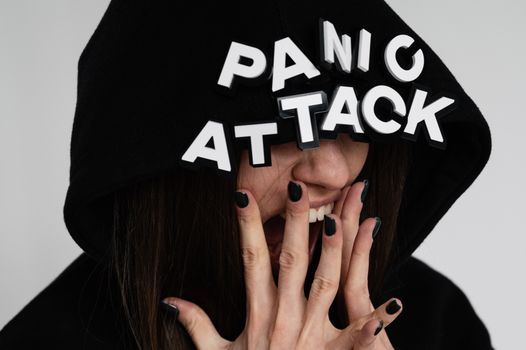
Breathing techniques for panic are easier when you’ve practiced them while you were calm. Aim for short sessions rather than long ones.
Suggested practice schedule:
- 3 to 5 minutes per day, 4 to 6 days per week for two weeks.
- Use one technique consistently, such as 4-6 breathing or diaphragmatic breathing.
When panic hits, your body will remember the rhythm. You’ll also reduce the likelihood of “trying harder” during a panic episode.
When panic breathing isn’t enough: add grounded coping
Breathing is a foundation, but panic also involves attention and threat interpretation. If your panic doesn’t ease after a few minutes, pair breathing with a grounding task.
For example:
- While you exhale, name 5 things you can see (slowly).
- Then name 4 things you can feel (chair under you, fabric, feet on the floor).
- Return to 4-6 breathing for another minute.
This helps your brain shift from internal scanning to external orientation, which can reduce fear intensity.
Relevant tools and “products” you may already have (without relying on them)
You don’t need special equipment to do breathing techniques. However, some people find simple tools supportive for consistency and comfort.
- Timer on your phone helps you stick to 60–180 seconds without repeatedly checking the clock.
- Breathwork or meditation apps with pacing tracks can be useful for practice when you’re calm; during panic, keep it simple and switch to self-guided breathing if an app feels distracting.
- A small cushion under your knees or a chair with back support can make diaphragmatic breathing easier.
If you use any tool, treat it as a helper. Your breathing pattern is the main intervention.
Prevention guidance: reduce panic triggers and strengthen recovery
You can’t always prevent panic. But you can reduce frequency and improve recovery by addressing both physiology and context.
- Sleep and routine: inconsistent sleep can increase baseline nervous system activation. Aim for a stable wake time when possible.
- Caffeine awareness: if you notice panic spikes after coffee or energy drinks, consider reducing intake and observing changes.
- Regular practice: breathing drills while calm build faster access during panic.
- Limit avoidance: avoiding situations can unintentionally strengthen fear. If panic is tied to specific settings, work with a clinician on a gradual plan.
- Professional support: if panic is recurring or disruptive, evidence-based therapies (like CBT and panic-focused approaches) can help you reduce fear of symptoms and improve long-term outcomes.
Breathing techniques are most powerful when paired with a broader plan for nervous system regulation and threat interpretation.
Summary: a calm breathing protocol you can rely on
When panic rises, your first job is to change the body’s breathing rhythm. Start with a technique that matches your current symptoms:
- Sudden spike / very fast breathing: physiological sigh, then 4-6 breathing.
- Chest tension: diaphragmatic breathing with a longer exhale.
- Racing thoughts: paced breathing with counting.
- Need structure: box breathing with gentle timing and minimal holds.
Keep the session short at first (60–180 seconds), aim for an exhale that’s slightly longer than your inhale, and avoid forcing deep breaths or long breath holds. Practice these techniques when you’re calm so your body recognizes them during panic.
If you have medical conditions that affect breathing, tailor the approach and seek professional guidance when needed. And if symptoms feel dangerous or severe, treat it as a medical situation.
FAQ
Can breathing exercises stop a panic attack immediately?
Breathing can reduce the intensity quickly for many people, often within 1–3 minutes. However, panic may not disappear instantly. The goal is to lower the physiological alarm response so you can ride the wave with less fear.
What’s the safest breathing pattern during panic?
A comfortable inhale with a longer exhale is usually safest. Many people do well with 4-6 breathing (inhale 4 seconds, exhale 6 seconds) or diaphragmatic breathing with a slightly longer exhale.
Should you hold your breath during panic breathing?
Usually no. Breath holds can increase tension and worsen dizziness for some people. If holds are part of a technique you practice when calm, keep them light and avoid them during intense panic.
Why do panic symptoms like tingling happen?
They can be related to the way panic changes breathing patterns and carbon dioxide levels, along with muscle tension. Slowing and stabilizing breathing often helps those sensations fade.
What if I feel dizzy when I try these techniques?
Stop the current exercise, return to normal comfortable breathing, and try a gentler option with shorter counts (for example, 3 seconds in and 4 seconds out). If dizziness persists or is severe, seek medical guidance.
How often should you practice to make it work during panic?
A practical starting point is 3–5 minutes per day, 4–6 days per week for two weeks. Consistency matters more than length.
When should you get professional help for panic?
If panic attacks are frequent, worsening, or interfering with daily life, professional support is strongly worth considering. Therapy approaches that target panic and fear of symptoms can provide long-term improvement beyond breathing alone.
11.03.2026. 13:41