

How to Interpret Microbiome Test Results: Diversity & Functional Pathways

When you get a microbiome test report, it can feel like you’re looking at a map without a legend. You may see numbers for “diversity,” lists of bacteria, and pathway predictions that sound technical—sometimes even contradictory. The good news: with the right framework, you can interpret the results in a way that’s biologically meaningful and clinically useful.
This guide explains how to interpret microbiome test results with a focus on two parts that often drive confusion: (1) diversity metrics and (2) functional pathways. You’ll learn what these outputs represent, what they can’t tell you, and how to connect them to real-world factors like diet, medication, fiber intake, sleep, and recent illness.
Throughout, keep one principle in mind: microbiome tests are snapshots. They reflect what was happening in your gut at the time of sampling, not a permanent identity card. Your interpretation should be grounded in timing, context, and trends rather than single results.
Start with the basics: what a microbiome test is actually measuring

Most consumer and many clinical microbiome tests analyze stool (or sometimes saliva) to estimate which microbes are present. The most common approach is sequencing marker genes (often 16S rRNA) or sequencing DNA more broadly (shotgun metagenomics). These methods differ in resolution and accuracy, but both aim to infer community composition from genetic material.
Two key points help you interpret results correctly:
- Detection ≠ activity. Finding DNA from a microbe doesn’t prove it’s actively producing metabolites in your gut right now.
- Sampling matters. Stool reflects the gut environment at the time the material passed through and was collected. Delays, storage conditions, and how consistently you followed the kit instructions can affect results.
Also, “functional pathways” in many reports are not direct measurements of your metabolites. They’re often predictions based on which genes are likely present. That means functional pathway outputs are useful for hypotheses, not definitive proof.
Understanding diversity: why it matters and what the metrics mean
“Diversity” is usually the first number people look for, and it’s often reported as one or more of the following:
- Alpha diversity: diversity within your sample (how varied your community is).
- Beta diversity: diversity between samples (how different your microbiome is compared with another sample set).
Many reports also include specific indices such as Shannon, Simpson, or Chao1. You don’t need to memorize them to interpret them well, but you do need to understand the general meaning: higher alpha diversity usually indicates a more varied microbial community, while lower alpha diversity can reflect reduced variety or dominance by fewer taxa.
Alpha diversity: the “within you” signal
Alpha diversity is commonly interpreted as a proxy for ecosystem resilience. In simplified terms, a more diverse community may be better able to adapt when conditions change (diet shifts, travel, temporary illness). However, “higher is always better” is not a reliable rule.
For example, if your alpha diversity is low, it might be due to recent antibiotics (which can reduce community variety for weeks to months), a recent gastrointestinal infection, or a diet low in fiber and resistant starch. Conversely, some people can have moderate diversity but still experience symptoms if specific functional pathways or beneficial taxa are altered.
Practical guidance: treat alpha diversity as a starting point. Use it to decide what to look at next—especially functional pathways and whether the changes are consistent across time.
Beta diversity: the “compared to something” signal
Beta diversity tells you how your microbial community differs from a reference group or from another sample you provided. It often appears in reports as clustering or distance metrics.
Here’s why this matters: two people can have the same alpha diversity but very different community composition. Beta diversity helps capture that “who is there and how they differ” aspect.
However, beta diversity is sensitive to technical and behavioral factors. If you used different collection methods, collected at different times relative to meals, or had a major diet change between tests, the distance may reflect those changes rather than a stable trend.
Diversity is not the same as “healthy”
You should be cautious about interpreting diversity as a health score. Microbiome diversity can be low in some healthy individuals, and high diversity can occur in some contexts that are not ideal (for example, after broad dietary changes that increase microbial variety but also increase certain inflammatory tendencies in susceptible people).
What’s more informative is the combination of:
- diversity metrics (alpha and sometimes beta)
- which taxa are relatively increased or decreased
- functional pathway predictions (what genes are likely present and therefore what functions are likely enriched)
- your symptoms, diet pattern, and medication history
Interpreting functional pathways: from gene predictions to likely gut chemistry

Functional pathway sections in microbiome reports typically estimate which biological processes your community may support. These often include categories related to carbohydrate metabolism, short-chain fatty acid (SCFA) production, bile acid metabolism, amino acid pathways, and microbial stress responses.
Because pathway outputs are usually inferred, your job is to interpret them as probabilistic signals. They can guide hypotheses about what might be happening in your gut ecosystem.
Common pathway themes you’ll see in reports
Different companies use different pathway databases and labels, but many reports include categories that map to the same biological concepts. You may see terms like:
- Carbohydrate metabolism (including fiber fermentation)
- SCFA-related pathways (often linked to acetate, propionate, and butyrate production)
- Bile acid metabolism (including pathways that can convert primary to secondary bile acids)
- Amino acid metabolism (which can influence gut pH and metabolite profiles)
- Lipid metabolism
- Inflammation or immune-related pathways (sometimes inferred from gene sets)
If your report shows reduced pathways related to fiber fermentation, it may align with a diet low in fermentable substrates (like legumes, oats, barley, fruits, vegetables, and resistant starch sources). If bile acid metabolism pathways are shifted, it may align with changes in fat intake, gallbladder function, or medication effects.
How to connect pathway results to real dietary inputs
Functional pathways are most interpretable when you connect them to what you’ve been eating for the days leading up to the sample. A practical timeframe is 3–7 days for many diet-responsive microbial functions, though some longer-term patterns (like habitual fiber intake) can shape the baseline community over weeks.
Real-world scenario: Suppose you travel for work and eat mostly restaurant meals for 10 days, with minimal fiber and fewer legumes. You then do a stool test right after returning. You notice lower alpha diversity and reduced pathway predictions for carbohydrate fermentation. Even if the taxa list looks “not terrible,” the pathway shift may reflect the short-term reduction in fermentable substrates. In that scenario, repeating the test after 3–4 weeks of consistent fiber intake can help determine whether the changes were transient.
Be careful with “upregulated” or “downregulated” language
Many reports present pathway categories as relatively higher or lower compared with a reference dataset. That doesn’t necessarily mean “good” or “bad.” For example, bile acid-related pathways might be increased in some contexts that are not inherently harmful, depending on which bile acid transformations are occurring and how your body responds.
To interpret directional changes responsibly, ask:
- Did you recently change diet, fasting pattern, or alcohol intake?
- Have you used antibiotics, proton pump inhibitors, or other medications in the prior 1–3 months?
- Did you have a stomach bug, food poisoning, or significant stress within the last 4–8 weeks?
- Do your symptoms match the functional theme (for example, gas/bloating with reduced fermentable capacity or altered bile acid handling)?
Putting diversity and pathways together: a more reliable interpretation approach
Interpreting microbiome results is most useful when you treat diversity and functional pathways as complementary. Here are common “patterns” you might see and how to think about them.
Pattern 1: Low diversity plus reduced carbohydrate fermentation pathways
This combination often suggests reduced input of fermentable fibers and complex carbohydrates. It can also occur after disruption from antibiotics or acute gastrointestinal infection.
What to do with this information: focus on substrate availability and consistency. Rather than trying to “fix” everything at once, you can prioritize dietary fiber sources that are both fermentable and tolerated (for example, oats, chia, lentils, beans, and non-starchy vegetables).
Pattern 2: Normal diversity but altered bile acid metabolism pathways
It’s possible to have decent diversity while functional pathways shift due to diet composition (especially fat intake), medication effects, or changes in gallbladder/bile flow. Some pathways related to secondary bile acids may differ from reference patterns.
What to do with this information: consider whether you’ve changed fat intake, started new medications, or noticed stool changes (looser stools, urgency, or altered stool color/consistency). This is also where clinical context matters more.
Pattern 3: High diversity but persistent symptoms
High diversity does not guarantee symptom resolution. Symptoms can be driven by specific functions (like bile acid signaling, gas production, mucosal irritation, or motility changes), even when overall diversity is high.
What to do with this information: look beyond diversity. Identify which pathway categories are most consistently altered and whether they align with your symptoms and diet. It may also be that the microbiome is only one contributor.
How to interpret taxa lists without overreacting to single microbes
Many reports show relative abundance of taxa such as genera or species. It’s tempting to treat a “low” beneficial bacterium as a clear target and a “high” problematic bacterium as a clear villain. In practice, the microbiome is networked. Functions matter as much as individual organisms.
Relative abundance also has limitations. If one genus drops, others may rise simply due to compositional effects, not because they are “growing.”
Instead of chasing one microbe, look for:
- Consistency: are the same taxa shifts present across multiple tests?
- Functional alignment: do taxa changes correspond to pathway predictions you can understand (fiber fermentation, SCFA-related pathways, bile acid metabolism)?
- Ecological context: do your taxa patterns match known influences like antibiotics, low fiber intake, or high alcohol consumption?
In other words, taxa lists are best used as supporting evidence for the functional story.
Timing, medications, and sampling: the hidden variables that change results
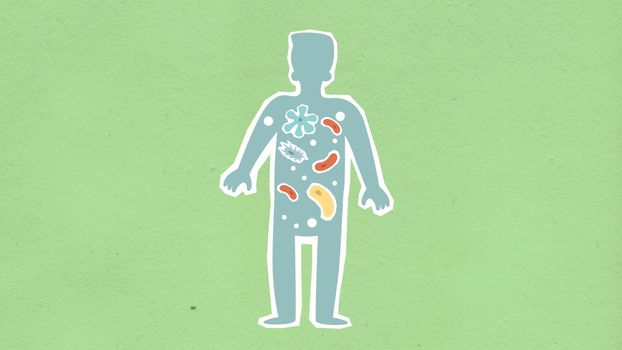
To interpret microbiome test results accurately, you need to know what happened around the sampling date. Even small changes in routine can shift microbial activity.
Medication and medical events
Several factors commonly alter gut communities:
- Antibiotics: can reduce diversity and alter community structure for weeks to months.
- Proton pump inhibitors (PPIs): can change gastric acidity and indirectly affect gut microbial composition.
- Metformin: may affect microbial metabolism in some individuals.
- Non-steroidal anti-inflammatory drugs (NSAIDs): can affect gut lining and microbial balance.
If your test is taken within 30–90 days after antibiotics or major medication changes, interpretation should be more cautious and focused on trends over time.
Diet timing and collection consistency
Microbiome tests can be influenced by what you ate in the days before collection. Follow the kit instructions exactly: collection timing, storage temperature, and avoiding contamination can matter.
Practical tip: if you plan to repeat testing to track changes, keep collection conditions as consistent as possible. Use the same testing provider and sample handling protocol when feasible.
Symptom timing
Symptoms and microbiome signals may not line up perfectly day-to-day. For example, gas and bloating can respond quickly to diet changes, while shifts in diversity may take longer.
When you interpret your results, match functional themes to symptom timelines. If your report indicates reduced fiber fermentation pathways and you also increased constipation or reduced stool frequency, that alignment can be informative.
Practical guidance: how to use your report to plan next steps
You don’t need to “optimize” every number. A more responsible approach is to interpret what you see, select one or two hypotheses, and then observe whether your symptoms and repeat testing (if appropriate) move in the expected direction.
Choose a hypothesis, not a shopping list
For example, if your report suggests:
- lower alpha diversity, and
- reduced carbohydrate fermentation pathways, and
- your diet has been low in legumes and whole grains recently,
your hypothesis could be: “My gut ecosystem may be receiving less fermentable substrate, and that may be affecting microbial function.”
Then you can adjust diet for a defined period and reassess.
Use a realistic timeframe for changes
Microbiome functions can shift within days, but stable community changes often take longer. A reasonable window for dietary experiments is often 3–6 weeks. If you’re tracking diversity, consider that diversity metrics may lag behind functional changes.
If you decide to repeat testing, allow enough time that you’re not just measuring day-to-day variability. Many people choose a second sample after 4–8 weeks of consistent dietary habits, especially if results were heavily influenced by recent illness or medication.
Consider tolerability and symptom safety
Increasing fiber can help when it’s appropriate, but it can also worsen symptoms in some people initially (especially with very rapid increases or certain fiber types). If you’re prone to bloating or IBS-like symptoms, increase fermentable foods gradually and pay attention to stool consistency and gas.
If your symptoms include red flags—blood in stool, unexplained weight loss, persistent fever, severe abdominal pain—microbiome test interpretation should not replace medical evaluation.
Where clinician input is especially important
If your report includes strong deviations in pathways related to bile acids, inflammation-associated gene sets, or if you have chronic gastrointestinal conditions, it’s reasonable to involve a clinician. A clinician can connect microbiome findings to differential diagnoses and decide whether additional testing (like stool tests for pathogens, inflammation markers, or celiac evaluation) is appropriate.
Limitations you should keep in mind (so you don’t misread the report)
High-quality interpretation requires knowing where the science ends and inference begins.
- Stool is not the whole gut. The microbiome varies along the gastrointestinal tract. Stool mostly reflects distal gut communities.
- Reference datasets differ. “Normal” can mean “typical in the company’s reference population,” which varies by geography, age, diet, and sampling method.
- Functional predictions aren’t direct measurements. Pathway results often reflect gene potential rather than metabolite levels.
- Inter-individual variability is high. Two people can have different “normal” baselines and still be healthy.
These limitations don’t make microbiome testing useless. They make it interpretive. Your goal is to use the report to generate biologically plausible hypotheses, not to treat it as a definitive diagnosis.
Summary: a clear way to interpret diversity and functional pathways

To interpret microbiome test results diversity functional pathways effectively, use this workflow:
- Step 1: Check diversity context. Look at alpha diversity and consider what could have reduced it (antibiotics, low fiber intake, recent infection). Don’t assume “higher = better.”
- Step 2: Read functional pathways as hypotheses. Treat pathway predictions as likely metabolic capabilities based on detected genes. Ask what dietary or medication factors could explain them.
- Step 3: Look for alignment. The most meaningful interpretations happen when diversity patterns and pathway predictions point to the same theme (for example, reduced fermentable substrate leading to altered carbohydrate metabolism).
- Step 4: Use timing. Consider the 3–7 days before sampling for diet-responsive functions, and 1–3 months for medication-driven shifts. Prefer trends over single snapshots.
- Step 5: Keep clinical safety in view. If symptoms are severe or include red flags, microbiome test interpretation should complement—not replace—medical evaluation.
When you interpret your microbiome results this way, you’re not just reading numbers. You’re building a grounded picture of how your gut ecosystem may be functioning right now—and what might reasonably change with lifestyle and time.
FAQ: how to interpret microbiome test results diversity functional pathways
Q: What does “low diversity” usually indicate?
A: Low alpha diversity often suggests a less varied microbial community. Common reasons include recent antibiotics, recent gastrointestinal illness, or lower intake of fermentable fibers. It should be interpreted alongside functional pathways and your recent history.
Q: If my diversity is normal, can my functional pathways still be abnormal?
A: Yes. Diversity metrics describe variety, not necessarily what the community is doing. You can have a community with normal diversity but altered predicted functions like carbohydrate fermentation or bile acid metabolism.
Q: Are functional pathways in reports measured directly?
A: Usually not. Many reports infer pathway potential from gene content. That means they’re best used as probabilistic hypotheses rather than direct metabolite measurements.
Q: How long after a diet change will my microbiome results reflect it?
A: Many microbial functions can shift within 3–7 days, while diversity and community structure may take longer—often weeks. For tracking, a 3–6 week window is a common practical timeframe.
Q: Should I change everything based on one test?
A: No. A single test is a snapshot. Choose one or two hypotheses based on diversity plus pathway patterns, adjust consistently, and reassess over time. If symptoms are persistent or severe, involve a clinician.
Q: Can microbiome test results diagnose diseases?
A: They can contribute to risk hypotheses and may correlate with certain conditions, but they are not a standalone diagnostic tool. Interpretation should be integrated with symptoms, labs, and clinical evaluation.
24.05.2026. 07:52