

Diaphragmatic Breathing for Nervous System: A Beginner Guide

Diaphragmatic breathing is one of the simplest breath practices you can learn, and it can feel especially helpful when your nervous system feels “on.” When stress, worry, or overstimulation has you breathing fast or shallow, your body often stays in a higher-alert state. Diaphragmatic breathing gently shifts the pattern back toward slower, deeper breaths that support calmer regulation.
This guide is designed for beginners. You’ll learn what diaphragmatic breathing is, how it relates to the nervous system, what to expect in your body, and how to start practicing without making it complicated.
What diaphragmatic breathing means in plain language

Diaphragmatic breathing means breathing in a way that uses your diaphragm—the dome-shaped muscle under your lungs. Instead of your chest doing most of the work, your belly and lower ribs expand more as you inhale. As you exhale, they gently come back in.
A helpful way to picture it: your diaphragm moves downward when you inhale, creating space for air. When you exhale, it moves upward and helps release air smoothly.
In everyday terms, diaphragmatic breathing tends to:
- Make breaths slower and deeper
- Encourage full exhale (often overlooked)
- Reduce the “breath holding” that can happen when you feel tense
- Support a more steady rhythm
Key nervous system terms you’ll hear (and what they mean)
You don’t need to memorize biology to benefit from breathwork. Still, a few terms show up often, so here’s a beginner-friendly explanation.
Autonomic nervous system
This is the part of your nervous system that runs many functions automatically, like heart rate and digestion. It helps your body adapt to changing situations without you having to think about it.
Stress response vs. rest-and-digest
Many people describe two broad modes:
- Stress response: your body prepares for action—breathing may speed up, muscles tighten, and attention narrows.
- Rest-and-digest: your body shifts toward recovery—breathing is calmer, digestion can improve, and the mind often feels less “wired.”
Diaphragmatic breathing can support movement toward the calmer side of this spectrum by changing your breath pattern.
Why breath affects “automatic” body functions
Breathing doesn’t only move air—it also sends signals through the nervous system. When your breathing becomes slower and more controlled, your body often receives cues that it’s safe to downshift. Over time, practicing consistently can make it easier to return to that calmer state.
How diaphragmatic breathing for nervous system regulation works

When you practice diaphragmatic breathing, you’re changing several things at once: breath depth, breath speed, and the smoothness of the inhale and exhale. Those changes can influence how your body regulates itself.
Here are the main mechanisms in simple terms:
- Longer, smoother exhales often help your body “come down” after stress. Many beginners notice that exhaling comfortably reduces the feeling of urgency.
- Lower chest tension: when you let your belly and ribs expand, your upper chest doesn’t have to work as hard. This can reduce that tight, guarded feeling.
- Rhythm and predictability: a steady breathing pattern gives your system consistent input, which can feel grounding.
- Signals from breathing muscles: using the diaphragm changes how your body senses movement and pressure, which can shift overall regulation.
It’s also normal to remember that breathwork isn’t a switch that instantly turns off anxiety. Instead, it’s a training practice—something you do repeatedly so your nervous system learns a more flexible response to stress.
What to expect when you start practicing
Most beginners experience one of these outcomes:
- A calmer body feeling within a few minutes
- More awareness of tension (you notice where you hold your breath)
- Gentle emotional shifts like less agitation or a clearer mind
Sometimes, people feel lightheaded if they breathe too deeply or too quickly. That’s usually a sign to make the practice smaller and slower. Your goal is comfortable breathing, not maximum lung expansion.
How devices and breathwork products can support your practice
Breathwork doesn’t require technology, but some tools can help you learn the pattern and stay consistent—especially when you’re new.
Breathing apps and timers
Many breathwork apps provide guided sessions with simple inhale/exhale cues. They can be helpful if you struggle to keep a steady rhythm on your own. Look for settings that emphasize slow breathing and comfortable pacing.
Breathing guides and visual cues
Some products use visual signals (like a moving circle or bar) to guide inhale and exhale. Visual cues can make it easier to match your breath to the timing without overthinking.
Wearable breathing feedback
Some wearables estimate breathing rate and patterns. While these measurements aren’t perfect, they can still help you notice trends—like whether your breathing is getting calmer over time or if you’re returning to shallow breathing during stress.
Breathwork accessories (like weighted blankets or posture supports)
These aren’t “breathing tools” in the strict sense, but they can make it easier to relax your body. If you feel tense in your shoulders or ribs, a supportive position can help you practice diaphragmatic breathing without strain.
If you use any tool, treat it as a coach, not a judge. The best sign you’re doing it well is that you feel more comfortable, not more pressured.
Common beginner mistakes (and how to fix them)

Diaphragmatic breathing is simple, but a few common habits can make it harder or less comfortable. Here are the most frequent issues and what to do instead.
Mistake 1: Forcing deep breaths
Beginners sometimes try to inhale as much air as possible. That can trigger lightheadedness or tension. Instead, aim for a gentle inhale that feels easy. You should never feel like you’re straining.
Mistake 2: Making the inhale longer but the exhale short
Some people naturally inhale deeply and rush the exhale. A smoother, slightly longer exhale often supports nervous system calming more effectively. Try to keep exhale comfortable and unforced.
Mistake 3: Holding your breath without realizing it
When you’re anxious, it’s common to pause after inhaling. If you notice a pause, soften it. Let the breath move through continuously.
Mistake 4: Breathing from the chest only
If your shoulders rise and your belly doesn’t move much, you may be using mostly chest breathing. Place one hand on your belly and gently practice expanding that area on the inhale.
Mistake 5: Practicing while you’re already overwhelmed
Diaphragmatic breathing can help, but if you’re extremely activated, you might need a shorter, simpler approach first. Start with a brief practice (just a minute or two) and see how you feel.
Mistake 6: Doing it too fast
Fast breath can keep your body in alert mode. Slow down. If you’re breathing faster than feels comfortable, reduce the speed.
Getting started: a simple first practice you can do today
Here’s a beginner-friendly way to start diaphragmatic breathing for nervous system support. You can do this seated or lying down. Choose the position that feels easiest.
Step 1: Set up your body
- Sit with your back supported or lie down comfortably.
- Relax your shoulders.
- Place one hand on your belly (or lower ribs) so you can feel movement.
Step 2: Find a comfortable breath rhythm
Begin with normal breathing. Then gently slow it down a little. You’re not trying to change everything at once—just nudge it toward calmer.
Step 3: Inhale through the nose (optional) and let the belly expand
As you inhale, imagine your belly and lower ribs expanding outward. Keep it subtle. If your chest starts to rise a lot, reduce the effort and try again.
Step 4: Exhale slowly and smoothly
As you exhale, let your belly soften and move back in. Aim for an exhale that feels steady and unforced. A common target is an exhale that’s slightly longer than the inhale—but prioritize comfort over exact timing.
Step 5: Repeat for a short session
Try 3–5 minutes for your first attempt. If that feels like too much, start with 60–90 seconds. Consistency matters more than duration.
Step 6: Notice what changes
After your practice, take a moment to check in:
- Is your breathing slower or more even?
- Do your shoulders feel less tense?
- Does your mind feel a little less crowded?
If you feel worse (more tense, dizzy, or agitated), scale it down. Use smaller breaths, slow the pace, and shorten the session.
How to practice consistently without making it a big project
Breathwork works best when it becomes a simple habit. Here are beginner-friendly ways to fit it in.
- Practice at predictable times: right after waking, before meals, or after work.
- Use short sessions: even 2–3 minutes can be meaningful.
- Pair it with a daily cue: after you brush your teeth, before you sit down to read, or when you turn off your computer.
- Stay gentle: your nervous system learns safety through comfortable repetition.
Ways to tailor diaphragmatic breathing to how you feel
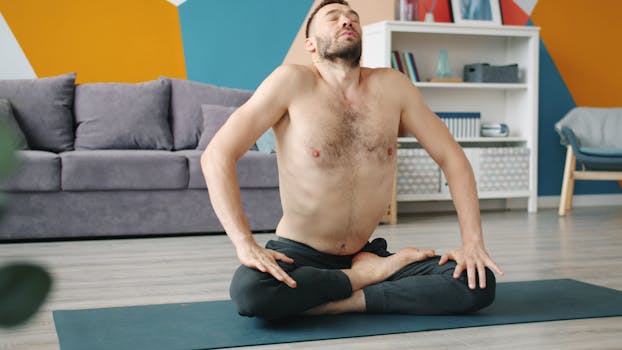
Beginners often want one “perfect” method, but your body changes day to day. Adjusting slightly can help you stay comfortable.
If you feel anxious or activated
Try focusing on a slower exhale and keep the inhale moderate. You can also practice with your eyes closed to reduce sensory input.
If you feel tired or heavy
Use slightly more energy on the inhale, but still keep breathing gentle. Avoid forcing a large breath—think “clear and steady” rather than “big.”
If you’re prone to lightheadedness
Make the breath smaller and slower. You can also breathe through the nose and keep your exhale comfortable rather than extended.
When to be cautious and seek guidance
Breathwork is generally safe for many people, but there are times to be cautious. If you have a breathing condition, severe anxiety symptoms, or any medical concerns, it’s wise to discuss breath practices with a qualified healthcare professional.
Also, if you experience persistent dizziness, chest pain, or shortness of breath during practice, stop and get medical advice.
Simple checkpoints to know you’re doing it right
You don’t need to “perfect” diaphragmatic breathing. Use these practical indicators instead:
- Your belly or lower ribs move more on the inhale.
- Your shoulders stay relaxed.
- Your breathing feels smooth rather than strained.
- Your exhale feels steady and comfortable.
- You can keep doing it without forcing effort.
With time, you’ll likely notice that the calming effect comes more easily—even outside of your practice sessions.
24.01.2026. 09:28