

Cold Water vs Heat Therapy and HRV: What the Science Suggests

Introduction: why HRV changes with temperature
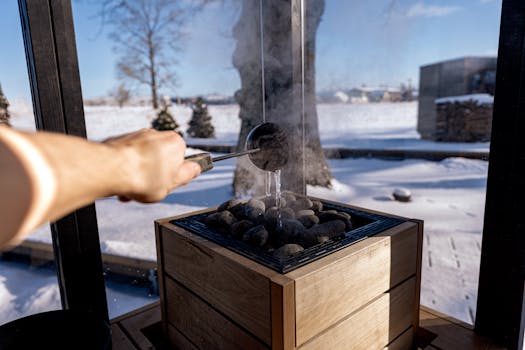
Heart rate variability (HRV) is often used as a window into how your autonomic nervous system is balancing stress and recovery. Because cold water and heat therapy both change circulation, nervous system signaling, and inflammatory processes, they can plausibly influence HRV—though not always in the same direction or in the same way for everyone.
The question “cold water vs heat therapy HRV” comes up frequently because people want to know which modality supports better recovery. The most accurate answer is that both can affect HRV, but the effect depends on intensity, timing, individual physiology, training status, and measurement conditions. This science explainer breaks down what HRV means, how cold and heat can shift autonomic activity, what research suggests, and how to apply these tools with realistic expectations and safety in mind.
What HRV measures (and what it doesn’t)
HRV refers to variations in the time interval between consecutive heartbeats. It is influenced by parasympathetic (vagal) activity, sympathetic activity, and the dynamic interplay between them. In general terms, higher HRV at rest has often been associated with better recovery capacity and healthier autonomic regulation, while lower HRV can reflect stress, fatigue, illness, or poor sleep.
However, HRV is not a direct measure of “fitness” or “recovery quality” by itself. It is sensitive to many factors:
- Baseline differences: People vary widely in typical HRV values.
- Measurement method: Wearables and apps may use different algorithms and sampling intervals.
- Timing: Morning HRV, evening HRV, and post-intervention HRV can show different patterns.
- Breathing and posture: Slow breathing can raise HRV; standing vs lying can change readings.
- Sleep and circadian rhythm: HRV naturally fluctuates across the day.
So when temperature-based recovery changes HRV, the meaningful interpretation is usually about how your autonomic system responds in that context—not that one therapy is universally superior.
Cold water therapy: physiology that can affect HRV
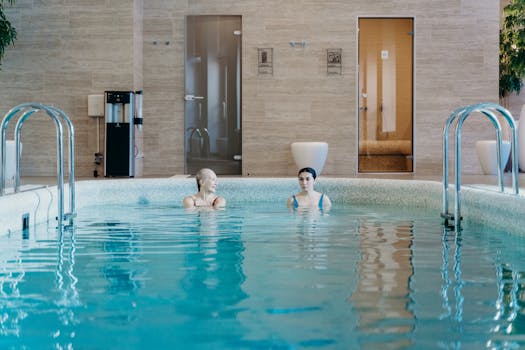
Cold water exposure typically triggers a rapid set of responses: peripheral vasoconstriction, increased sympathetic drive, and a strong sensory input that can alter breathing and stress signaling. These effects can be beneficial in certain contexts, especially when the goal is to modulate swelling and perceived soreness, or to create a controlled stress stimulus.
From an autonomic perspective, cold water can increase sympathetic activation acutely. That immediate shift may influence HRV in the short term. Depending on the dose and your baseline state, HRV may decrease right after exposure (consistent with sympathetic dominance), then rebound as the body returns toward resting balance.
Several mechanisms are relevant:
- Vasomotor effects: Cold exposure constricts blood vessels, changing skin blood flow and cardiovascular dynamics.
- Stress-response signaling: Cold is a potent sensory stressor that can increase catecholamine release in the moment.
- Breathing changes: Cold-water immersion can alter respiratory patterns, and HRV is partly influenced by respiratory sinus arrhythmia.
- Inflammation modulation: Cold may reduce aspects of inflammatory signaling, which can indirectly affect recovery physiology over hours to days.
Importantly, the HRV response can vary by training load and by whether the person is already stressed. If you’re already in a sympathetic-heavy state (poor sleep, high training stress), an additional cold stressor might temporarily suppress HRV more than it helps.
Heat therapy: physiology that can affect HRV
Heat therapy—such as hot baths, sauna sessions, or warm water immersion—tends to produce vasodilation, increased skin blood flow, and a different pattern of cardiovascular and nervous system signaling than cold. Heat is generally associated with relaxation and comfort for many people, though it still represents a physiological load.
Heat can influence HRV through several pathways:
- Parasympathetic facilitation: For some individuals, warmth reduces muscle tension and subjective stress, which can increase vagal tone and raise HRV.
- Cardiovascular demand: Heat raises heart rate and can shift autonomic balance to support heat dissipation. This can transiently affect HRV.
- Muscle and tissue effects: By improving local blood flow and reducing stiffness, heat may support post-exercise recovery processes.
- Thermoregulatory signaling: The body’s heat-loss mechanisms (sweating, skin vasodilation) engage autonomic control.
As with cold, timing matters. HRV might rise during or shortly after a well-tolerated heat session if relaxation predominates. Alternatively, HRV could decrease temporarily if the thermoregulatory load is high (for example, long sessions in very hot environments) and the body is taxed.
Cold water vs heat therapy HRV: what patterns are commonly reported
When people compare cold water vs heat therapy HRV, they often observe one of two broad patterns:
- Acute effect pattern: Cold exposure may suppress HRV immediately after the session, while heat may increase HRV or show smaller decreases, depending on intensity and individual response.
- Recovery effect pattern: Over the next several hours or the following morning, HRV trends can diverge based on whether the intervention helped you feel better, slept well, or reduced lingering stress signals.
However, it is critical to understand why the direction is not guaranteed. HRV reflects the balance of sympathetic and parasympathetic input, and both cold and heat can push that balance in different ways at different times. Cold is a stronger “activation” stimulus for many people; heat is often more “soothing,” but it can still be a cardiovascular stressor—especially at high temperatures or long durations.
There is also an important nuance: HRV can respond to how you feel during the intervention. If cold immersion is uncomfortable or triggers panic-like breathing changes, sympathetic activation could dominate and HRV effects may differ from a controlled, tolerable protocol. Similarly, if heat makes you lightheaded or uncomfortable, the body may shift toward protective sympathetic patterns.
Timing and context: when HRV responds differently

Temperature-based recovery is rarely a single “dose” with a universal outcome. HRV responses depend heavily on context:
- Immediately after training: If you’re still in a high-stress state, HRV may be lower regardless of modality. Cold may further suppress HRV right away; heat may feel more calming.
- Same day vs next day: Some people see HRV improvements the next morning after heat, while others see different patterns after cold—particularly if cold reduces perceived soreness or helps them sleep.
- Sleep quality: HRV is strongly tied to sleep. If heat helps you relax and sleep better, morning HRV may rise even if HRV dips temporarily during the session.
- Training periodization: During heavy training blocks, autonomic recovery is often constrained. Temperature interventions may shift symptoms and comfort but cannot override a systemic overload state.
A practical takeaway is that you should interpret HRV changes relative to your own baseline and your own timing. Comparing “right after” cold to “next morning” heat can lead to misleading conclusions because the physiological question being asked is different.
Dose matters: temperature, duration, and intensity
The magnitude of autonomic and cardiovascular responses to temperature therapy is dose-dependent. In cold water, lower temperatures and longer immersions typically increase the stressor intensity. In heat, higher temperatures and longer sessions increase thermoregulatory demand.
Even small changes can matter for HRV:
- Cold water dose: A short, tolerable cold exposure may produce a manageable sympathetic activation followed by a rebound. A harsher dose may prolong discomfort and keep the system in a stress-dominant state.
- Heat dose: A moderate warmth session may promote relaxation and vagal activity. Very hot or prolonged sessions may elevate heart rate and shift autonomic balance toward sympathetic support for heat loss.
Because HRV is sensitive to breathing, discomfort, and cardiovascular load, it’s usually more informative to standardize your protocol (same temperature range, same duration, similar time of day, similar posture and breathing) than to chase a “best” number by trialing extreme conditions.
Breathing effects: a hidden driver of HRV during immersion
HRV is influenced by respiratory sinus arrhythmia—the natural coupling between breathing and heart rate. Cold and heat can alter breathing patterns, sometimes subtly:
- Cold exposure: Cold shock can trigger fast breathing or breath-holding behaviors, which can change HRV metrics immediately.
- Heat exposure: Warmth can promote slower breathing for some people, increasing HRV, while others may breathe faster if they feel overheated.
If you’re tracking HRV with a wearable, consider that the act of measuring—lying down, sitting, or standing—along with breathing changes can be as influential as the temperature itself. For more consistent interpretation, measure HRV at rest under similar conditions and focus on trends over multiple days rather than single-session fluctuations.
Inflammation and soreness: how temperature may affect recovery beyond HRV

Cold and heat are often used for soreness management, but the HRV connection is indirect. Temperature therapies may influence:
- Perceived muscle soreness: Reduced pain can lower stress perception and improve sleep.
- Local circulation: Heat increases blood flow; cold reduces it. Over time, improved comfort and movement can affect recovery behaviors.
- Inflammatory signaling: Cold may reduce certain inflammatory markers; heat may modulate them differently. These changes may influence autonomic regulation through the body’s overall recovery state.
In other words, HRV may reflect the downstream effects of how the intervention changes your recovery environment (sleep, stress, mobility), not just the immediate autonomic shift during the session.
Practical guidance: using cold or heat while tracking HRV responsibly
If you want to use HRV to guide temperature recovery, the goal is to learn your individual response pattern—not to force a universal rule. Here’s a practical approach:
- Pick one measurement window: For example, track morning HRV after a consistent sleep routine, and avoid comparing “during-session” or “immediately after” readings across different protocols.
- Standardize the protocol: Use similar temperature ranges, similar durations, and similar timing relative to training.
- Use a baseline period: Observe your typical HRV trend for about a week without major changes.
- Introduce one variable at a time: If you test cold, keep heat out of the picture for that period, and vice versa.
- Look for trends, not single numbers: HRV naturally varies. A few sessions are not enough to conclude superiority.
On the recovery side, consider how the therapy affects your day-to-day comfort. If cold immersion helps you feel less sore and sleep better, HRV may improve indirectly. If heat sessions help you relax and reduce tension, HRV may rise through improved autonomic balance and sleep quality.
Some people use structured routines with equipment like immersion tanks, ice baths, or sauna environments. Regardless of the setting, consistency and tolerability are more important than extremes.
Safety considerations and who should be cautious
Temperature therapy can be safe for many people, but it is not risk-free. HRV-guided enthusiasm should never override basic safety:
- Cold water cautions: Avoid aggressive cold exposure if you have cardiovascular conditions, uncontrolled hypertension, arrhythmia history, or cold-induced symptoms. Cold shock can raise blood pressure and heart strain in susceptible individuals.
- Heat cautions: Be cautious with high-heat or long sauna sessions if you have cardiovascular disease, heat intolerance, dehydration risk, or dizziness history. Heat can raise heart rate and cause lightheadedness.
- Don’t measure through discomfort: If you feel panicky, faint, or unusually unwell, stop. HRV should not be used to “push through” unsafe sensations.
- Hydration and recovery: Especially for heat, hydration and overall recovery status matter. Dehydration can worsen autonomic stress and distort HRV.
If you have relevant medical conditions, it’s wise to consult a clinician before using cold immersion or high-heat protocols.
So which is better for HRV: cold or heat?

From a science-explainer standpoint, neither cold water nor heat therapy automatically wins for HRV. Cold exposure more consistently acts as an acute activator for many people, which may suppress HRV immediately but potentially support recovery if it reduces soreness and improves subsequent rest. Heat therapy more often supports relaxation and can increase HRV in many contexts, but it can also tax the cardiovascular system at high doses.
The most defensible conclusion is individualized response:
- If cold makes you uncomfortable or disrupts breathing, HRV may drop and recovery may worsen despite short-term soreness relief.
- If heat is moderate and helps you downshift mentally and physically, HRV may improve—especially when it supports sleep.
- If you’re in a period of high training stress, both modalities can affect HRV; the “best” choice is the one that improves your overall recovery markers and how you feel over time.
In practice, many athletes and recovery-focused individuals use both at different times (for example, cold after certain sessions and heat on rest days), but the key is to monitor how your HRV trends and recovery behaviors respond.
Prevention and long-term recovery: using HRV wisely
To prevent misinterpretation and avoid turning recovery into a data chase, focus on fundamentals that strongly influence HRV regardless of temperature:
- Sleep consistency: Keep sleep timing stable and prioritize adequate duration.
- Training load management: HRV often reflects whether your system is overloaded. Temperature therapy cannot replace recovery.
- Stress reduction: Breathwork, relaxation routines, and calming practices can influence HRV and may complement temperature therapy.
- Nutrition and hydration: Especially if heat is used, hydration status affects cardiovascular strain and recovery.
- Track trends ethically: Use HRV to guide learning, not to punish variability. If HRV consistently worsens with one modality, adjust or stop.
Temperature-based recovery can be a useful tool, but the most reliable strategy is to use it as a controlled variable within a broader recovery plan. When you do that, the “cold water vs heat therapy HRV” question becomes less about finding a universal answer and more about understanding your own autonomic patterns.
03.01.2026. 09:45