

HRV, Resting Heart Rate, and Cortisol: Stress Hormone Tracking

Why track HRV, resting heart rate, and cortisol together?
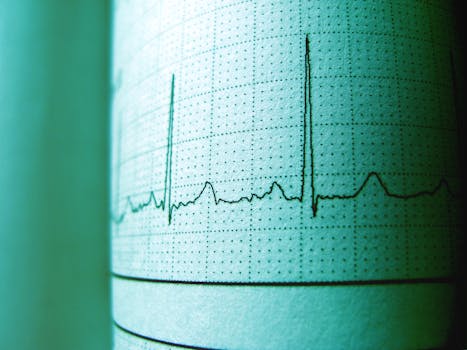
If you’re trying to understand stress in a way that’s more concrete than “I feel stressed,” combining HRV, resting heart rate, and cortisol gives you a wider view of your physiology. These signals don’t measure the same thing, but they often move in related directions when your nervous system and stress hormone systems are under strain.
HRV (heart rate variability) reflects how flexibly your autonomic nervous system can adjust. Resting heart rate (RHR) is a practical proxy for overall cardiovascular load and baseline arousal. Cortisol is a stress hormone that follows a daily rhythm and rises when your body perceives threat, effort, or disrupted recovery.
When you track all three, you’re not just collecting numbers. You’re building a “stress dashboard” that can help you see patterns across days and weeks—especially around sleep changes, training load, work stress, illness, or major life events.
In this science explainer, you’ll learn what each metric means, how to measure them consistently, how to interpret common patterns, and how to avoid the most frequent mistakes in stress hormone tracking.
Understanding HRV: what heart rate variability actually reflects
HRV is a nervous system flexibility signal
HRV measures the variation in time intervals between heartbeats. Higher HRV generally indicates greater adaptability—your body can rapidly shift between “rest and digest” and “mobilize” states as needed.
When stress increases (mental stress, physical overreaching, poor sleep, inflammation), HRV often decreases. This doesn’t mean you’re “in danger.” It means your autonomic balance may be shifted toward sympathetic dominance (mobilization) or reduced parasympathetic activity (recovery).
Time-domain and frequency-domain concepts (in plain language)
Many wearables report HRV using time-domain metrics like RMSSD (root mean square of successive differences). Others may use frequency-domain measures. For practical tracking, the key point is consistency: use the same device and the same HRV definition over time.
Even when two devices use different methods, you can still use them for trend tracking within the same platform. You’re looking for changes in your baseline rather than chasing absolute values.
Typical HRV responsiveness: hours to weeks
HRV can change within hours due to sleep quality, caffeine timing, alcohol, acute illness, and even temperature. But it also reflects longer recovery patterns. A single low night may be noise; a multi-day downward trend often points to a real shift.
As a practical rule, consider your HRV trend over at least 1–2 weeks, then interpret deviations relative to your personal baseline.
Resting heart rate: your baseline arousal and cardiovascular load
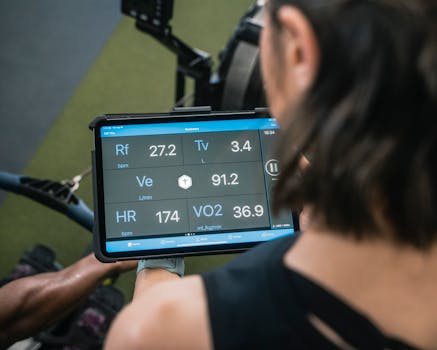
Why resting heart rate matters
Resting heart rate is the number of heartbeats per minute when you’re at rest. When RHR trends upward, it can indicate increased baseline arousal, incomplete recovery, stress-related sympathetic activation, or physiological strain.
RHR is not “only stress.” It can rise with dehydration, fever, caffeine, poor sleep, heavy training, or illness. But because it’s easy to measure repeatedly, it’s useful for spotting deviations from your normal baseline.
How much change is meaningful?
There’s no universal threshold, because baselines vary widely. However, in real tracking, a rise of about 3–5 bpm from your personal baseline over several days often stands out, especially if sleep and training didn’t change dramatically.
Some people see smaller shifts. Others see larger. What matters most is whether your RHR is moving away from your established norm.
Measurement timing can distort RHR
RHR depends on when and how it’s captured. Many wearables estimate RHR during sleep or after you’ve been still for a period. If your sleep schedule shifts, your “resting” window changes too.
To improve interpretability, track RHR at a consistent time context—commonly the morning after sleep, or the same sleep stage window your device uses.
Cortisol: the stress hormone with a daily rhythm
What cortisol does
Cortisol helps regulate metabolism, immune signaling, blood pressure, and energy availability. In healthy physiology, cortisol follows a circadian rhythm: it tends to be higher in the morning and lower at night.
Why timing is everything for cortisol testing
If you measure cortisol at random times, you can confuse normal daily variation with stress changes. For meaningful stress hormone tracking, you need a consistent sampling window.
Common approaches include:
- Morning cortisol (often around 30–60 minutes after waking, depending on the protocol) to capture the morning surge
- Late afternoon or evening cortisol to assess how well your system “comes down”
- Single-point vs. multi-point testing—multi-point can better represent the curve but is more involved
Different laboratories and protocols vary. If you use saliva or blood tests, follow the specific timing instructions precisely.
How cortisol relates to HRV and RHR
Cortisol can influence the nervous system and vice versa. Acute stress can elevate cortisol, while chronic stress can dysregulate both cortisol rhythm and autonomic balance.
In practice, you might see:
- Lower HRV alongside higher RHR when your system is persistently activated
- Elevated cortisol (or a flattened diurnal pattern) when recovery is impaired
But the relationship isn’t perfectly one-to-one. Cortisol is chemical signaling with its own timing dynamics. HRV and RHR are rapid physiological responses. That’s why trend tracking and context matter.
How to set up reliable HRV resting heart rate cortisol stress hormone tracking
Start with a consistent baseline period
Before interpreting stress, establish what “normal for you” looks like. Use your wearable data and your lifestyle context for at least 14 days to get a stable baseline.
During this baseline window, keep major variables as consistent as possible: similar bedtime, similar caffeine habits, and no major training changes.
Choose a measurement cadence you can sustain
Wearable HRV and RHR are typically daily. Cortisol is less frequent because testing protocols are more involved.
A practical cadence might look like:
- Daily: HRV and RHR from your wearable (morning or your device’s sleep-based estimate)
- Weekly or biweekly: cortisol testing, timed to a consistent window
If you’re actively investigating a specific stressor (like a demanding training block), you might test cortisol before and after the block. If your goal is general optimization, periodic testing can still reveal patterns.
Record context variables that explain the numbers
Numbers without context are easy to misinterpret. Keep simple notes on:
- Sleep duration and quality (including awakenings)
- Training load (distance, intensity, total minutes)
- Caffeine timing and approximate dose
- Alcohol and heavy meals late at night
- Illness symptoms (sore throat, congestion, fever)
- Major stress events (work deadlines, travel, conflict)
You don’t need a full journaling system. Even a short daily log helps you connect physiological changes to causes.
Use the same device and settings
For HRV and RHR, consistency is crucial. Different devices can produce different HRV algorithms. Even firmware updates can alter how data is processed.
If you change devices, treat the new data as a new baseline. Don’t directly compare absolute HRV values across platforms.
Consider measurement quality for HRV
HRV is sensitive to signal quality. Poor skin contact, movement artifacts, and inconsistent wear time can distort readings.
To reduce noise:
- Wear the sensor snugly but comfortably
- Use a consistent wrist/placement
- Check that the device indicates good signal quality during sleep
When HRV data is missing or clearly erratic, don’t over-interpret it.
Interpreting patterns: what to look for across HRV, RHR, and cortisol
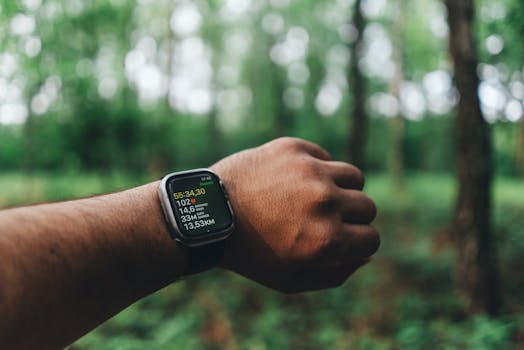
Common pattern 1: “Activated but not yet exhausted”
One common scenario is increased stress activation without full recovery failure. You might notice:
- HRV: lower than your baseline over 1–3 days
- RHR: slightly higher (often 2–5 bpm above baseline)
- Cortisol: may be elevated in the morning or show a less pronounced decline in the evening
This can happen after a short period of intense work, travel with disrupted sleep, or a training spike.
In this stage, targeted recovery often helps: earlier bedtime, reduced training intensity, and stress downshifting practices.
Common pattern 2: “Recovery failure over multiple days”
When stress is persistent, you may see a more sustained shift:
- HRV: repeatedly suppressed (for example, 5–10 nights)
- RHR: stays elevated across days
- Cortisol: morning surge may remain high, and/or evening values may not decline as expected
This pattern can reflect chronic stress, cumulative training load, inadequate sleep, or ongoing inflammation from illness.
At this stage, “pushing through” often worsens autonomic strain. Recovery becomes a physiological necessity rather than a convenience.
Common pattern 3: “Illness-like physiology”
Illness can confound stress tracking because it affects immune signaling and cardiovascular parameters. Often, you’ll see:
- RHR: rises noticeably (sometimes >5 bpm)
- HRV: drops more than typical stress episodes
- Cortisol: may be elevated depending on severity and timing
If you also have symptoms (fever, chills, sore throat), interpret the pattern as illness first. Stress tracking should not replace medical evaluation when symptoms are present.
Common pattern 4: “Cortisol changes without HRV/RHR changes”
Sometimes cortisol shifts while wearable metrics look stable. That can happen if:
- Stress is more biochemical than autonomic in that moment
- Your wearable metrics are noisy or not capturing the relevant window
- Timing mismatch occurs (cortisol measured at a different phase than your HRV/RHR response)
This is another reason to treat these metrics as complementary, not interchangeable.
Real-world scenario: using stress hormone tracking during a demanding week
Imagine you have a 10-day work project with late meetings. You keep training consistent, but sleep shifts: you go to bed 60–90 minutes later for several nights.
Here’s what might happen in your tracking:
- Days 1–3: HRV drops modestly (for example, 10–20% below your 2-week baseline). RHR increases by ~2–3 bpm. Cortisol is not tested yet.
- Days 4–6: HRV stays suppressed and RHR remains elevated. You notice you feel “wired but tired.” A morning cortisol test shows a higher-than-usual morning value and a less steep decline into the evening (based on your protocol).
- Days 7–10: You reduce training intensity and start earlier wind-down routines. Over 3–4 nights, HRV begins to recover toward baseline, and RHR gradually drops.
In this scenario, the combined data helps you distinguish between a temporary stress spike and a recovery failure pattern. It also clarifies that sleep timing—not just workload—likely drove the physiological stress response.
Practical guidance: how to respond when metrics move the wrong way
Use thresholds based on your baseline, not someone else’s
Instead of relying on generic rules, define your personal baseline and then look for deviations. For HRV and RHR, you might set alerts like:
- HRV: more than 20–30% below your baseline average for several nights
- RHR: consistently 3–5 bpm above baseline for 3+ days
These are starting points. Your body may respond differently. The goal is to match response timing to the magnitude and duration of change.
Differentiate acute stress from cumulative strain
If HRV and RHR shift after a single poor night of sleep, the likely cause is acute. If they shift and stay shifted across a week, you’re dealing with cumulative strain.
Acute episodes often improve with one or two recovery nights. Cumulative patterns usually require a broader adjustment: earlier bedtime, reduced training volume, and stress reduction practices.
Prioritize sleep consistency before anything else
Sleep is a major driver of HRV and can modulate cortisol rhythm. If you want your tracking to be actionable, improve sleep consistency first.
Practical steps include:
- Keep wake time consistent (even when bedtime varies)
- Limit late caffeine (many people benefit from stopping caffeine at least 8 hours before bed)
- Avoid alcohol close to bedtime, which can fragment sleep and affect next-day physiology
Use nutrition and hydration as “silent stabilizers”
Dehydration can raise resting heart rate. Heavy late meals can disrupt sleep and reduce HRV. If your RHR rises without a clear stressor, hydration and meal timing are worth checking.
You don’t need perfection. You need consistency. Track whether changes in fluid intake, electrolytes, or meal timing correlate with your metrics.
Be cautious with supplements and interpret their effects slowly
Some interventions can affect cortisol or autonomic tone (for example, certain adaptogens, stimulatory compounds, or sleep aids). If you introduce a change, do it one variable at a time, and observe for at least 7–14 days.
Because HRV and RHR are sensitive, you may see short-term fluctuations that don’t reflect a true long-term shift.
Common mistakes in HRV, RHR, and cortisol tracking
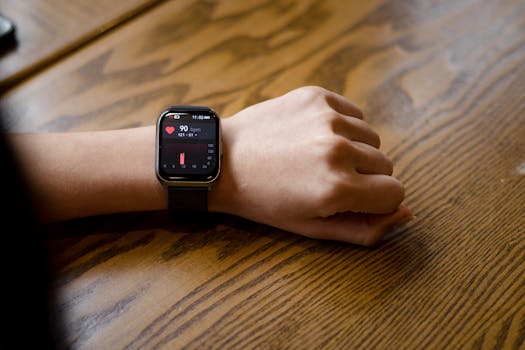
Chasing single-day results
Wearable HRV is noisy. Cortisol has natural daily variation. If you interpret one bad night or one high cortisol value as a conclusion, you’ll likely overreact.
Instead, look for patterns across multiple days and confirm with context notes.
Ignoring illness and inflammation signals
HRV and RHR can change significantly during illness. If you’re sick, stress hormone tracking may reflect immune activation rather than psychological stress.
If you have persistent symptoms or worsening health, treat medical evaluation as the priority.
Testing cortisol at inconsistent times
A morning cortisol sample taken at 6:30 a.m. one time and 9:30 a.m. another time is not directly comparable. The diurnal curve matters.
Follow your testing protocol’s timing instructions carefully, including the “time after waking” portion if it applies.
Changing too many variables at once
If you alter training, sleep schedule, caffeine timing, and diet all in the same week, you won’t know what caused the change in HRV or RHR.
For educational tracking, keep a simple “change log” so you can interpret cause and effect more responsibly.
How products and testing methods fit into tracking (without turning it into marketing)
Wearables: useful for trends, not diagnosis
Most consumer devices estimate HRV and RHR from wrist-based photoplethysmography. They can be very helpful for trend detection, especially when you keep the same device.
However, they’re not a medical diagnostic tool. If you see extreme changes, persistent symptoms, or concerning patterns, professional evaluation is appropriate.
Cortisol tests: choose methods that match your goals
Saliva and blood cortisol tests can be used for different study designs. Saliva tests are often used for diurnal rhythm assessment. Blood tests may provide a snapshot depending on timing.
For stress hormone tracking, the most important factor is protocol consistency: collection time, pre-test instructions (like fasting or avoiding certain behaviors), and lab methodology.
If you’re using a home collection kit or a lab-based test, follow instructions carefully. A well-timed sample is far more valuable than a “random sample” for trend interpretation.
Putting it all together: a decision framework you can use
Step 1: Confirm the trend
Before changing behavior, ask: are HRV and RHR moving together over several days? If yes, your stress physiology is likely meaningfully shifted.
Step 2: Add context
Look at sleep timing, training load, caffeine, alcohol, and illness symptoms. If one clear factor stands out, treat it as the likely driver.
Step 3: Use cortisol to validate the endocrine side
If your HRV/RHR trends suggest persistent activation and you want to examine the stress hormone axis, cortisol testing can help. Just remember: cortisol is time-sensitive, so compare within the same sampling window.
Step 4: Adjust one or two levers at a time
Try recovery-focused changes first—sleep consistency, reduced training intensity, and stress downshifting—then observe HRV and RHR over the next 7–14 days.
If you’re already doing those and cortisol remains dysregulated, it may be time to consult a clinician for deeper evaluation, especially if symptoms persist.
Summary: stress tracking works best when it’s consistent and contextual
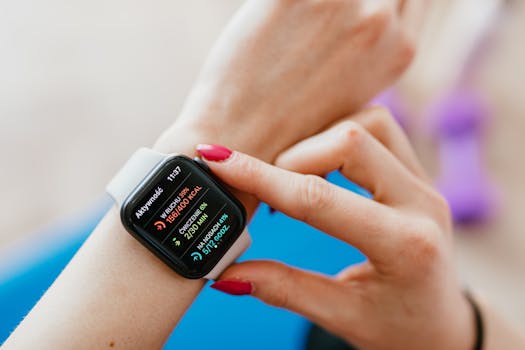
HRV resting heart rate cortisol stress hormone tracking is most powerful when you treat it as a system: HRV reflects autonomic flexibility, RHR reflects baseline arousal and load, and cortisol reflects endocrine stress signaling with a daily rhythm.
To make the data actionable:
- Track HRV and RHR daily for at least 14 days to build a baseline
- Test cortisol at consistent times using the protocol’s timing rules
- Record sleep, training, caffeine, alcohol, and illness context
- Interpret changes as trends over days, not single events
Used well, these measures can help you spot when your body is under strain, distinguish acute stress from recovery failure, and guide practical adjustments—without relying on guesswork.
Prevention guidance: reduce stress load before it shows up on your metrics
The best “stress hormone tracking” strategy is prevention. Metrics are feedback, but your goal is to keep your physiology resilient.
Consider these prevention habits that commonly support both HRV and healthier cortisol patterns:
- Protect sleep timing with consistent wake time and a wind-down routine
- Limit late caffeine (often stopping 8+ hours before bed helps most people)
- Manage training load by using recovery days when HRV trends dip for multiple nights
- Reduce acute stress spikes with brief downshifting practices (breathing, mindfulness, or structured breaks)
- Check for illness early if RHR rises sharply and HRV drops more than usual
If you consistently align your behaviors with what your body is signaling, your data becomes less about reacting and more about maintaining stability.
09.05.2026. 02:33