

Blue Light Therapy for Skin Safety: What You Need to Know

Blue light therapy for skin safety: why the details matter
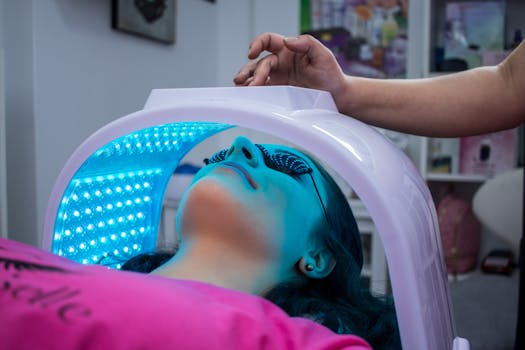
Blue light therapy has become a common option for specific skin concerns, particularly acne-related inflammation. But “blue light” isn’t one single thing. Devices differ in wavelength, power output, treatment duration, and how your skin is exposed. Those differences can affect both results and safety.
If you’re considering blue light therapy for skin safety reasons—or you’re already using it and want to make sure you’re doing it correctly—your safest approach is to understand what blue light is, how it interacts with skin, and what precautions reduce risk. This guide focuses on practical safety knowledge: what to look for, what to avoid, and how to use blue light responsibly.
What “blue light” means in skin therapy
Blue light used in dermatology typically refers to visible light in the blue range, most often around 405 nm. Many at-home and clinical systems are designed around narrow bands in the violet-blue spectrum to target porphyrins involved in acne biology.
However, the label “blue light therapy” can cover different technologies:
- Wavelength: commonly near 405 nm, but some devices may differ.
- Power density: the intensity delivered to the skin (often measured in mW/cm²).
- Energy dose: the product of intensity and treatment time (commonly expressed as J/cm²).
- Delivery method: handheld, panel, or mask-style exposure.
- Cooling and contact: how heat is managed and whether there’s any skin contact.
Safety depends on the actual exposure parameters. Two devices that both say “blue light” can deliver different energy to your skin, which can change irritation risk.
How blue light affects skin (and why safety precautions exist)
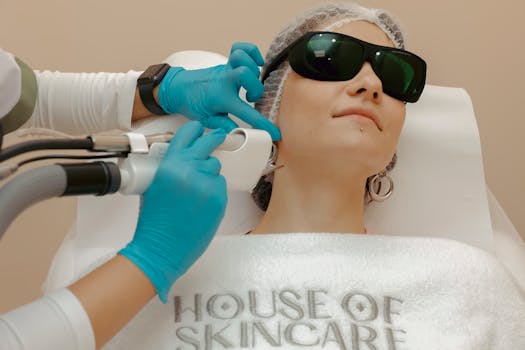
Blue light therapy works mainly through a photochemical pathway. In acne, certain skin bacteria can produce light-sensitive compounds (porphyrins). When illuminated by blue light near the designed wavelength, these compounds can become activated, which may reduce bacteria and inflammation.
From a safety standpoint, the key point is that blue light is still a form of radiation. Even though blue light is visible (not ultraviolet), your skin and eyes can be affected by repeated or poorly dosed exposure. The main safety concerns typically include:
- Skin irritation: dryness, redness, mild burning, or post-treatment sensitivity.
- Eye exposure: blue light can be uncomfortable and may contribute to retinal stress if your eyes aren’t protected.
- Photosensitivity interactions: some medications and ingredients can make skin more reactive to light.
- Heat and discomfort: some devices may generate warmth depending on output and cooling.
In practice, safety is about controlling dose, protecting eyes, and avoiding triggers that increase photosensitivity.
Eye safety: the most overlooked part of blue light therapy
Your eyes are usually the first place to protect. Even if a device is designed for face treatment, stray light can reach the eyes, especially around the orbital area.
Practical eye-safety guidance:
- Use the device’s eye protection if it provides goggles or shielding specifically intended for the wavelength.
- Do not rely on squinting. You want consistent protection for the duration of exposure.
- Avoid treating too close to the eye area unless the manufacturer’s instructions explicitly allow it.
- If you wear contact lenses, be mindful: irritation can occur when your eyes are exposed to bright light. If you feel burning or persistent discomfort, stop and reassess.
Real-world scenario: Suppose you’re doing a 15-minute home session and you notice increased watering or stinging after 5–7 minutes. That’s a sign your eye protection isn’t effective or the device positioning is off. In that situation, you should stop the session, check that the protective eyewear is properly seated, and restart only after you’ve adjusted the angle and distance according to the instructions.
Skin irritation risks and how to recognize them early
Most skin reactions to blue light therapy are mild and temporary, but they’re still important. Early recognition helps you adjust your routine before irritation becomes a longer-lasting problem.
Common signs your skin is being overexposed or reacting:
- Persistent redness beyond the first few hours or lasting into the next day
- Stinging or burning during treatment that doesn’t ease when you reduce intensity or time
- Dryness and flaking that spreads beyond the typical treatment area
- New bumps or a rash-like pattern that appears after several sessions
Safer practice usually means starting conservatively. Many protocols use exposures in the range of 5 to 20 minutes per session, often several times per week. But your exact schedule should follow the device’s validated instructions and your skin’s tolerance.
If you’re using blue light as an add-on to acne routines, be cautious with other strong actives. Overlapping irritation is a common reason people experience discomfort.
Photosensitivity: medications and ingredients that can change your risk
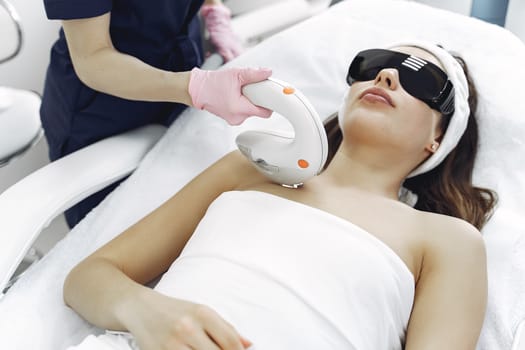
Blue light safety isn’t only about the device. It’s also about what your skin is exposed to before the session. Some medications and topical ingredients increase photosensitivity or skin reactivity.
Examples of common categories that can increase light sensitivity include:
- Retinoids (topical tretinoin or adapalene) can increase baseline irritation and sensitivity.
- Alpha hydroxy acids (AHAs) and other exfoliating acids can raise the chance of irritation.
- Some antibiotics (notably tetracyclines) may increase photosensitivity.
- Anti-inflammatory or other systemic medications can also affect light sensitivity in some people.
You don’t need to avoid blue light automatically. But you do need to check whether your current regimen increases risk. If you’re unsure, ask a dermatologist or pharmacist whether your specific medication list has photosensitivity warnings.
Practical approach: If your skin is already irritated from a new product, pause blue light therapy until your skin barrier settles. Treating irritated skin with more light can compound the problem.
Dosage and timing: how to avoid under- or overexposure
Safety and effectiveness both depend on dose. In light therapy, “more” doesn’t always mean better. Overexposure can increase irritation and may not improve outcomes.
Key safety principles for dosing:
- Follow the device’s stated exposure time and frequency. If the instructions suggest a gradual build-up, follow that.
- Don’t extend sessions to “speed results.” If the program is designed for a set time (for example, 10 minutes per area), exceeding it increases irritation risk.
- Maintain consistent distance if your device requires it. Moving closer can change intensity at the skin.
- Allow skin recovery. Many protocols use spacing such as 2–3 sessions per week initially, then adjust based on tolerance.
It’s also helpful to keep a simple log. Note your session date, duration, any concurrent skincare changes, and what your skin looked like afterward. If you see redness that increases with each session, your dose likely needs adjustment.
Home use versus clinical use: what changes for safety
Both home and clinical settings can be safe when used correctly, but they differ in oversight and exposure control.
In a clinical setting, a clinician may:
- Assess your skin type, active breakouts, and irritation level before starting.
- Use devices with validated parameters and standardized protocols.
- Monitor how your skin responds across sessions.
At home, you are responsible for correct positioning, consistent timing, and adherence to the manufacturer’s instructions. That means you should:
- Read the wavelength and safety guidance in the manual, not just the marketing summary.
- Confirm whether the device requires eye protection and whether it includes it.
- Clean the device surface if it touches skin areas, and avoid using it on broken or actively bleeding skin.
If you have a history of significant photosensitivity, eczema flares, or you’re using multiple active medications, clinical guidance may be the safer starting point.
Skin barrier care before and after sessions
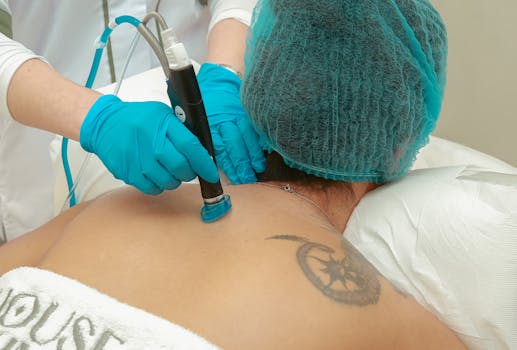
You can reduce the odds of irritation by supporting your skin barrier around the time of exposure. You’re not “canceling” the therapy—you’re reducing the likelihood that your skin becomes inflamed from dryness or friction.
Before a session:
- Use a gentle cleanser and avoid heavy exfoliation right before treatment.
- Keep your skin free of irritating layers. If you’re using topical actives, follow the manufacturer’s guidance on whether to pause them the day of treatment.
- Let your skin fully dry after cleansing. Applying light to damp skin can increase discomfort.
After a session:
- Use a bland moisturizer to reduce dryness. Look for barrier-supporting ingredients and avoid strong acids immediately after.
- Skip additional exfoliating or retinoid steps for at least 24 hours if you’re prone to irritation.
- Apply sunscreen during the day. While blue light isn’t ultraviolet, sun exposure can still affect your overall skin sensitivity and acne inflammation.
Practical example: If you do blue light therapy at night and you usually apply a retinoid afterward, you might notice more peeling or redness. A safer adjustment is to moisturize after therapy and resume retinoid use the next day (or after your skin returns to baseline).
Who should be cautious or seek medical guidance
Some situations warrant extra caution. You don’t necessarily need to avoid blue light therapy, but you should discuss it with a qualified clinician if any of the following apply:
- Active photosensitivity conditions or unexplained reactions to light
- Use of medications known to increase light sensitivity
- Eye conditions where light exposure is a concern
- Pregnancy or breastfeeding isn’t usually a direct contraindication for light therapy itself, but medication interactions and skincare changes may matter
- Skin disorders such as uncontrolled eczema or severe dermatitis in the treatment area
If you have a history of keloids or abnormal scarring, or if your skin reacts strongly to other light-based treatments, it’s reasonable to get professional input before starting.
Common mistakes that reduce safety
Even careful users can run into avoidable issues. Watch for these common safety pitfalls:
- No eye protection or incorrect placement of goggles
- Using the wrong wavelength device for your intended purpose
- Overlapping strong actives (retinoids, acids, benzoyl peroxide) without spacing
- Increasing treatment time to “make it work faster”
- Treating over irritated skin (burning, open lesions, or active dermatitis)
- Using the device on a schedule that doesn’t match the protocol (for example, daily use when the device instructions suggest a few times weekly)
Safety is not only what you do during the session—it’s what you do in the days around it.
How to evaluate whether your routine is safe for you
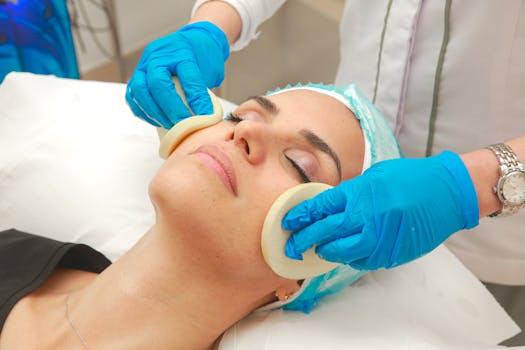
A practical way to assess safety is to track your skin response over several sessions. You’re looking for a pattern: mild, short-lived changes are one thing; escalation is another.
Consider these checkpoints:
- Within 0–24 hours: mild warmth or slight redness can happen. Severe burning is not normal.
- By 48 hours: your skin should be trending back toward baseline.
- Across 2–4 weeks: irritation should not steadily worsen. If it does, reduce frequency, adjust products, or stop and consult a clinician.
If you’re using a device that includes settings (intensity levels), start at the lowest recommended setting and only adjust if your skin tolerates it. The safest plan is the one your skin can handle consistently.
Summary: prevention guidance for blue light therapy for skin safety
Blue light therapy can be a useful tool, but skin safety depends on more than the color of the light. To protect yourself, focus on:
- Correct parameters: use a device with clear wavelength and follow the stated exposure time and frequency.
- Eye protection: shield your eyes for every session and ensure correct positioning.
- Photosensitivity awareness: review your medications and topical actives for sensitivity warnings.
- Barrier support: use gentle cleansing and moisturization before and after sessions, and avoid stacking strong exfoliants immediately around treatment.
- Listen to your skin: if redness, stinging, or rash-like reactions escalate, stop and reassess.
If you incorporate these precautions, you reduce the most common risks—irritation and eye exposure—while giving your skin a fair chance to respond. When in doubt, a dermatologist can help you map blue light therapy safely into your broader acne or skincare plan.
FAQ: blue light therapy for skin safety
Is blue light therapy the same as tanning or UV light?
No. Blue light therapy used for skin is typically in the visible spectrum (often around 405 nm). Tanning and UV-related skin damage involve ultraviolet radiation. Still, visible light can cause irritation and eye discomfort, so safety precautions remain important.
How long does it take to see results, and does that affect safety?
Some people notice changes in acne inflammation within a few weeks, but response varies. Safety is not improved by increasing session length. If you don’t see progress, it’s better to reassess your routine and adherence rather than exceed recommended exposure times.
Can I use blue light therapy with acne medications like benzoyl peroxide or retinoids?
Sometimes, but it depends on your skin tolerance and the specific medication. Many actives can increase irritation. If you notice increased redness or burning, pause the other actives around treatment (as appropriate) and follow guidance from your device instructions or a clinician.
What should I do if I get burning or significant redness after a session?
Stop the session and let your skin recover. Avoid additional irritating products until your skin returns to baseline. If symptoms are severe, last more than a couple of days, or include a rash, consult a dermatologist.
Do I need eye protection for every session?
Yes, if the device instructions indicate eye shielding is required. Treating without protection increases the chance of discomfort and unnecessary exposure. Use the protective eyewear or shielding provided and position the device as directed.
Is blue light therapy safe for sensitive skin?
It can be, but you may be more prone to irritation. Use the lowest recommended intensity, follow conservative schedules, and prioritize barrier support. If you have a history of strong photosensitivity reactions or active dermatitis in the treatment area, seek medical guidance first.
26.01.2026. 22:53