

Electrolyte Timing for Strength Training: When to Drink and How Much

Explanation: Get the most from your fluids and electrolytes
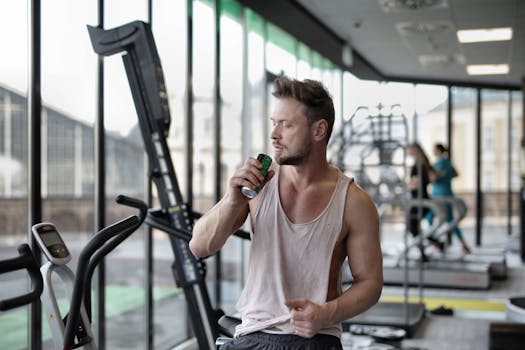
Your goal with electrolyte timing for strength training is simple: make sure the right salts and fluids are in your system at the right moment. Strength training isn’t always as sweat-heavy as endurance work, but it still creates sweat, muscle contractions, and fatigue. When sodium and fluids drop too far—especially in hot gyms, long sessions, or heavy sweating—you may feel weaker, get cramps, or recover slower.
By timing electrolytes around your workout windows, you support hydration status, muscle function, and training consistency. You’re not trying to “chug everything.” You’re matching intake to what your body is likely losing and what your training demands.
Required preparation: know your sweat rate and pick your electrolyte format
Before you change your routine, set yourself up with a few practical details. This makes your timing more accurate and your plan easier to follow.
1) Choose an electrolyte source you’ll actually use
Electrolytes come in several forms. Pick one that fits your stomach and schedule:
- Electrolyte drink mix (powder or ready-to-drink). Often includes sodium, potassium, magnesium, and sometimes chloride.
- Electrolyte tablets if you prefer convenience and low taste.
- Sports drink if you also need carbs for longer sessions.
- Food-first approach using salty foods plus water, especially if your sessions are short and you don’t sweat heavily.
If you want a straightforward option, look for a product that clearly lists sodium per serving and avoids extreme sugar unless you need carbs. Many people use electrolyte drink mixes like those from LMNT (higher sodium focus) or more moderate-sodium blends from common sports hydration brands. Use what matches your sweat and goals—don’t force a one-size plan.
2) Estimate how much you sweat
You don’t need lab equipment. Do a simple sweat test:
- Weigh yourself nude or in dry gym clothes before a typical workout.
- Train for 45–60 minutes at your usual intensity.
- Weigh yourself after towel-drying and removing sweat-soaked clothing.
- Record the weight loss. Each 1 kg (2.2 lb) lost is roughly 1 liter of fluid lost.
Then decide whether you’re a low, moderate, or heavy sweater:
- Low sweat: under ~0.5 L loss per session
- Moderate sweat: ~0.5–1.0 L loss per session
- Heavy sweat: over ~1.0 L loss per session
This matters because electrolyte timing is mostly about sodium replacement relative to water loss.
3) Plan your workout timing window
Strength training often includes warm-up, compound lifts, accessory work, and rest periods. Your electrolyte plan should match your actual session length.
- Short sessions (30–45 min): focus on pre-workout hydration and sodium if you sweat.
- Standard sessions (45–75 min): include a during-workout sip strategy if needed.
- Long sessions (75–120 min) or hot gyms: build in more structured during-workout hydration and electrolytes.
4) Know your sodium tolerance
If you have high blood pressure, kidney disease, or you’re on medications that affect electrolytes, check with a clinician before increasing sodium. For most healthy lifters, modest sodium replacement around training is reasonable—but your body and health history set the boundary.
Step-by-step: electrolyte timing for strength training

Use the steps below as a template. Adjust the amounts based on your sweat estimate and how you feel during sets and after.
Step 1: Start 2–3 hours pre-workout with fluids and sodium
In the hours before you lift, your goal is to arrive hydrated and not “catch up” during the session.
- Drink 5–10 mL per kg of body weight in the 2–3 hours before training (for a 80 kg person, that’s roughly 400–800 mL).
- If you’re a moderate or heavy sweater, include sodium in your pre-workout window. A practical target is 300–600 mg sodium in the 2–3 hours before you start, either from an electrolyte mix or salty food plus water.
Real-world scenario: You train at 6:00 pm, and your gym is warm. You’re a moderate sweater. At 3:30–4:00 pm, you drink a bottle of water and eat a meal that includes salty protein (e.g., chicken, rice, and a salty sauce). You then add an electrolyte mix in water, aiming for about 400–500 mg sodium total before you start. By the time you warm up, you’re not already “behind.”
Step 2: Use a small pre-lift dose 10–20 minutes before your first working set
Right before you begin, you want a quick hydration “nudge” without upsetting your stomach.
- Take 200–300 mL water or electrolyte drink 10–20 minutes pre-lift.
- If you use an electrolyte mix, aim for roughly 100–250 mg sodium in that pre-lift dose for low to moderate sweaters, and up to 250–400 mg sodium if you’re a heavy sweater.
Keep it small. You should be able to finish warm-up and start sets without feeling sloshy.
Step 3: During training, sip strategically based on session length
Strength sessions can vary wildly. Your timing should reflect the time you’re under sweat stress.
- For 30–45 minute sessions: you may only need water. If you sweat heavily or notice salt loss (white salt marks on clothes, salty taste), include a small electrolyte dose.
- For 45–75 minute sessions: sip 150–250 mL every 20–30 minutes. If you’re using electrolytes, aim for about 150–300 mg sodium per hour.
- For 75–120 minute sessions or hot/humid gyms: sip 250–400 mL every 20–30 minutes. Aim for about 300–600 mg sodium per hour depending on sweat rate.
Practical approach: set a water bottle target. If you plan to drink 600 mL during a 60-minute session, that’s about 200 mL at minute 20, 200 mL at minute 40, and 200 mL near minute 55–60.
Step 4: If your workout includes long rests and you feel “flat,” time electrolytes around set density
Some workouts have long rest periods between heavy sets. Your hydration can lag during the quiet time, then you notice fatigue when you restart.
- If you feel flat after long rests, take a 100–150 mL electrolyte sip 5–10 minutes before your next cluster of hard sets.
- Don’t wait until you’re already struggling on set 3. Small, early sips keep sodium and fluid availability steadier.
This is especially helpful if you do supersets, high-rep accessory blocks, or lots of grinding sets where you’re sweating and breathing hard.
Step 5: Add carbs only if your session duration and intensity call for it
Electrolytes and strength training don’t always require carbs. But if your session is long (especially with conditioning or multiple training blocks), carbs can help maintain training quality.
- If you go beyond 75–90 minutes or you’re doing high-volume work, consider a sports drink or electrolyte mix with 20–40 g carbs during the session.
- If your session is shorter, you can often keep it electrolyte-only and focus on sodium timing.
Keep the carbs moderate. Too much sugar can upset your stomach during heavy lifting.
Step 6: Immediately after training, rehydrate and replace sodium within 0–2 hours
Post-workout timing is where your recovery starts. You want to restore fluid and electrolytes so your next session feels better.
- Within 0–2 hours, drink 1.0–1.25 L of fluid per 1 kg of body weight lost (based on your sweat test).
- Include sodium in your post-workout window. A practical target is 500–1000 mg sodium over the first couple of hours if you’re a moderate-to-heavy sweater.
Example: You lose 0.8 kg during training. That’s about 0.8 L lost. You’d aim for roughly 0.8–1.0 L of fluid post-workout, plus sodium to help you retain and use that fluid.
Step 7: Use food to finish the job over the next 4–6 hours
Your body continues to rehydrate after the immediate post-workout window. Use meals to support electrolytes and overall recovery.
- Include salty foods (within reason) such as broth, rice bowls with sauce, or lean protein with seasoning.
- Pair with water and normal daily potassium sources like fruits, potatoes, beans, and leafy greens.
Don’t overcomplicate it. Your post-workout meal is often the easiest “optimization” you can do.
Common mistakes: what derails electrolyte timing
Even good plans fail when you make predictable errors. Watch for these issues.
1) Waiting until you feel crampy to start electrolytes
Cramps and fatigue can have multiple causes—fatigue, training load, breathing mechanics, and hydration. If you start electrolytes only when symptoms appear, you’re already late.
Use the timing steps: pre-lift dose, then consistent sips during the session if needed.
2) Overdrinking water without sodium
Especially in hot gyms, people drink aggressively to “fix” dehydration. But if sodium is too low relative to water, you may feel bloated, sluggish, or still off in performance.
For moderate-to-heavy sweaters, include sodium during the workout rather than relying on plain water alone.
3) Taking too much too close to your first lifts
Large volumes right before training can feel heavy. You may also increase bathroom trips.
Keep the pre-lift dose around 200–300 mL and start with a smaller electrolyte amount (100–250 mg sodium) unless you know you tolerate more.
4) Using electrolytes inconsistently across different training days
If one day is a cold morning session and the next is a hot afternoon class, your sweat loss changes. Electrolyte timing should change too.
Track your sweat rate or at least note gym conditions. Adjust sodium and fluid targets based on what your body is actually doing.
5) Forgetting the post-workout window
Many lifters focus on pre and during, then skip rehydration after. Recovery suffers when you don’t restore fluid and sodium within 0–2 hours.
Even a simple plan—water plus an electrolyte drink or salty meal—can make a difference.
Additional practical tips and optimisation advice
Dial your sodium target using real feedback
Don’t treat sodium like a fixed number forever. Use feedback:
- If you finish workouts feeling “wired but weak,” or you’re getting headaches, you might be under-hydrated or low in sodium.
- If you feel bloated, nauseated, or overly thirsty after electrolyte drinks, you might be taking too much too fast or the drink is too concentrated for you.
Adjust in small steps. For example, if you’re using an electrolyte mix during training and you feel fine but not great, add a modest amount—like an extra 100–200 mg sodium per hour—rather than doubling everything.
Use concentration that matches your stomach
Some electrolyte products are very concentrated. If you notice stomach discomfort, reduce concentration by mixing the powder with more water, or choose a lower-sodium per serving option.
Timing still matters, but tolerance matters too. Your best plan is the one you can repeat consistently.
Plan for your training environment
Hot, humid gyms increase sweat. Fans, air conditioning, and open windows change sweat rate. If your gym is inconsistent, treat your electrolyte timing like a “variable.”
- In hot conditions, increase sodium and fluids during the workout.
- In cooler conditions, you can lean more on pre and post and reduce during-workout intake.
Keep an eye on caffeine and pre-workout supplements
Many pre-workouts include caffeine, which can increase fluid loss and change how you perceive thirst. If you take caffeine, you may benefit from slightly earlier hydration and a more deliberate pre-lift electrolyte sip.
Start with the same timing structure, but consider that you might feel better with a slightly higher pre-lift fluid dose (still within comfort) and a modest sodium inclusion.
Practical “start tomorrow” plan for most lifters
If you want a simple, realistic routine without overthinking:
- 2–3 hours pre-lift: drink 500–700 mL water and include salty food or a small electrolyte dose (aim for roughly 300–600 mg sodium total).
- 10–20 minutes pre-lift: drink 200–300 mL water/electrolyte with about 100–250 mg sodium.
- During a 60-minute session: sip 150–250 mL every 20–30 minutes. If you sweat moderately, aim for around 150–300 mg sodium per hour.
- After training (0–2 hours): drink enough fluid to replace what you lost and include 500–1000 mg sodium over the first couple of hours if you’re a moderate-to-heavy sweater.
This approach works well for many strength athletes because it’s structured, not extreme. Then you fine-tune based on sweat rate and how you feel in your next session.
Example: adjust for a heavy sweater doing 90 minutes of lifting
Let’s say you’re a heavy sweater and your sweat test shows about 1.2 L fluid loss during a 90-minute session.
- Pre (2–3 hours): drink 600–800 mL and include salty food or electrolyte mix for about 400–600 mg sodium.
- 10–20 minutes pre: 250 mL with 250–400 mg sodium.
- During: sip 250–400 mL every 20–30 minutes. Include about 400–600 mg sodium per hour (so roughly 600–900 mg over the session).
- Post (0–2 hours): replace fluid at 1.0–1.25 L per kg lost and include 800–1200 mg sodium total in the recovery window.
You don’t have to hit these numbers perfectly. But having targets prevents the common “water-only” problem and helps your body recover for the next session.
Soft product integration that fits the timing
If you use electrolyte drink mixes, consider splitting them across time windows rather than drinking it all at once:
- Use a small portion pre-lift for the 10–20 minute dose.
- Use the remainder in controlled sips during the session.
- Save some for the post-workout window if your product is easy to drink after lifting.
Many people like high-sodium mixes for training days where sweat is heavy, while others prefer moderate-sodium blends for everyday use. If you’re experimenting, start with the lower end of sodium targets for your sweat category and adjust over 1–2 weeks.
29.03.2026. 02:24