

How to Tell Dry Skin vs Eczema vs Irritation

Why the difference matters
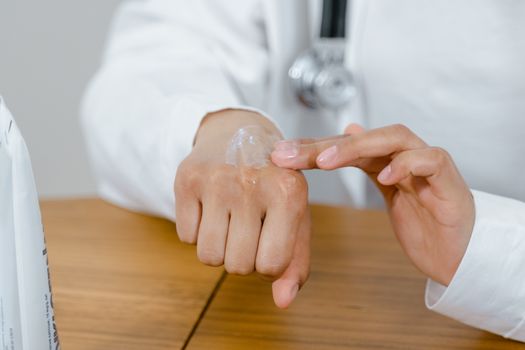
Skin changes can look similar at first glance: redness, rough texture, itching, and flaking. But “dry skin,” “eczema,” and “irritation” aren’t the same problem, and the way you respond should differ. If you treat eczema like simple dryness, you may miss the inflammatory cycle that keeps it going. If you treat irritation like eczema, you may continue the exposure that’s driving the flare.
The good news is that you can often sort out what’s happening by paying attention to a few high-signal clues: how quickly it appeared, what it looks like, where it shows up, and what your routine or environment has changed.
First, do a quick self-check (timing, texture, and itch)
Before you try any specific remedy, take 60 seconds to observe. This isn’t about overanalyzing—it’s about pattern recognition.
- Timing: Did it start within 24–72 hours after a new soap, detergent, fabric, workout, or weather shift? Irritation is more likely. Did it build gradually over days to weeks, especially in dry seasons? Dry skin or eczema is more likely.
- Texture: Dry skin often feels tight, rough, and flaky. Eczema more often looks inflamed—red, thickened, or with small bumps. Irritation can look patchy, shiny, or stingy.
- Itch and sensation: Eczema and dry skin commonly itch. Irritation may sting or burn more than itches, especially right after contact.
- Pattern: Dry skin can be more generalized. Eczema often has typical body sites and recurring areas. Irritation tends to match where something touched or rubbed.
If you can, note the exact day it started and any changes in the prior week. That timeline is often the deciding factor.
How to recognize dry skin (xerosis)

Dry skin is common and usually results from reduced skin barrier moisture. It’s more likely when humidity drops, you take long hot showers, or you use harsher cleansers.
Common signs
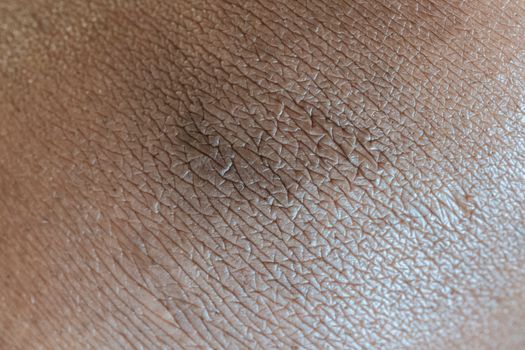
- Appearance: Fine flaking, mild redness, and a dull or ashy look. Cracks may appear on hands or around knuckles.
- Feel: Tightness and roughness. The skin may feel dry to the touch even without obvious patches.
- Itch: Often mild to moderate and related to dryness.
- Distribution: Can be widespread, especially on legs, arms, and areas exposed to cold air or frequent washing.
What usually triggers it
- Cold, dry weather (often noticeable within 1–3 weeks of seasonal change)
- Hot water and long showers (for example, 10–20 minutes can increase dryness)
- Harsh soaps, frequent handwashing, or sanitizers used repeatedly
- Over-exfoliation or scrubs
What it looks like over time
If you improve moisture and reduce hot water, dry skin often improves within 3–7 days. It may still be flaky, but the tightness and itching usually lessen. If symptoms persist or worsen despite barrier-focused care, eczema or irritation may be in play.
How to recognize eczema (atopic dermatitis and related types)
Eczema is an inflammatory skin condition. The skin barrier is weaker, but the underlying issue is immune-driven inflammation. That’s why it tends to flare and recur, even when you’re not actively changing products.
Common signs
- Appearance: Red or pink patches, sometimes with visible dryness and flaking. In some people you’ll see tiny bumps or oozing during more active phases, and later you may notice thickened skin.
- Itch: Usually prominent. It can be intense enough to disrupt sleep.
- Chronic pattern: Tends to come back in the same general areas.
- Skin changes over time: Repeated scratching can lead to thickened, darker, or rough “lichenified” skin.
Typical body locations (clues you can use)
Locations vary by age, but common patterns include:
- Children: Often cheeks, outer arms, and legs.
- Teens and adults: Commonly inside elbows, behind knees, neck, wrists, hands, and sometimes around the eyes (especially in people prone to atopy).
- Hands: Eczema can be localized to hands, particularly with frequent washing and wet work.
While location isn’t a diagnosis by itself, it’s a meaningful clue when combined with itching and recurrence.
What triggers eczema flares
- Dry air and temperature changes
- Irritants (fragranced products, harsh cleansers, detergents)
- Sweat and friction (tight clothing, sports)
- Allergens in some people
- Stress and disrupted sleep
In real life, you might notice that eczema flares after a stretch of cold weather plus a new “deep clean” cleanser, even if the cleanser is only slightly harsher than your usual one.
How it tends to behave
Eczema often doesn’t resolve quickly with basic moisturizing alone. Barrier care helps, but if inflammation is active, improvements may take 1–2 weeks and sometimes require prescription-strength anti-inflammatory treatment.
If your skin is repeatedly breaking down in the same areas, or if itching is severe, it’s reasonable to involve a clinician.
How to recognize irritation (contact dermatitis and friction-related reactions)
Irritation is damage or inflammation triggered by direct contact with something your skin doesn’t tolerate—or by friction and moisture imbalance. It’s often easier to identify because it’s tied to exposure.
Common signs
- Appearance: Red patches that may look more “angry” where the exposure occurred. Sometimes you’ll see small bumps, peeling, or a shiny, sore-looking area.
- Sensation: Stinging, burning, or soreness is common. Itch can occur, but the pain-like feeling often stands out.
- Distribution: Often matches the contact pattern—where a product was applied, where a fabric rubbed, or where sweat pooled.
- Speed of onset: Often appears within hours to 2 days after exposure.
Triggers you can often track
- New skincare or hair products (especially those with fragrance, essential oils, or strong exfoliants)
- Detergent or fabric softener changes
- Nickel-containing items (watch bands, earrings, belt buckles)
- Topical medications that sting or irritate
- Frequent hand sanitizer or wet work
- Friction (tight collars, helmet straps, sports gear)
What it looks like after you stop the exposure
If you eliminate the trigger, irritation often improves within 3–10 days. If it keeps recurring in the same way every time you use a specific product—or if it spreads beyond the original contact area—eczema or sensitization (allergic contact dermatitis) may be involved.
Practical example: “My face is red after a new cleanser”

Here’s a common scenario. You switch to a new cleanser on a Monday. By Tuesday night, your cheeks feel tight and sting when you rinse. By Wednesday, you see redness that seems concentrated where you apply the product. There’s no long history of flares in those same spots, and you don’t have intense itching elsewhere.
This timing and sensation strongly suggest irritation. The most helpful next step is to stop the new cleanser and revert to a gentle, fragrance-free routine for about a week. If the redness fades as days pass, irritation is likely. If instead you develop recurrent patches, thickened skin, or flares in typical eczema areas, eczema may be the underlying tendency and the new product may have triggered an inflammatory cycle.
A simple decision guide using clues (without overdiagnosing)
You can’t confirm a diagnosis from appearance alone, but you can narrow the most likely category.
- If it’s mainly dryness: look for roughness and flaking with mild redness, gradual onset, and improvement within a week after moisturizing and reducing hot water.
- If it’s eczema: look for strong itching, recurring patches in typical locations, and a flare pattern that doesn’t fully settle with basic barrier care alone.
- If it’s irritation: look for fast onset after a specific exposure, stinging/burning more than itch, and distribution that matches contact or friction.
If your symptoms don’t fit neatly, that’s normal. People can have dry skin plus eczema, or eczema that gets triggered by irritation. In those cases, your observations about timing and triggers become even more important.
How to test your hypothesis safely for 7–14 days
Instead of guessing indefinitely, you can run a short, low-risk “skin routine experiment.” The goal is to reduce variables so your skin can calm down.
Step 1: Simplify your routine
- Use a gentle cleanser or cleanse with lukewarm water only where needed.
- Avoid fragranced products, scrubs, and strong acids for at least 7–14 days.
- Skip anything that stings.
Step 2: Focus on barrier support
Apply a bland moisturizer (a thick, fragrance-free option) after bathing and once or twice daily. If you’re very dry, applying within a few minutes after washing helps seal in water.
If your skin improves noticeably within a week, dryness or irritation is more likely. If itching remains strong or the rash worsens, eczema may be active.
Step 3: Remove likely triggers
- If you suspect a detergent or fabric issue, switch to a fragrance-free detergent and avoid new clothing materials for a week.
- If you suspect a topical product, stop it and use your previous stable routine.
- If friction is involved, adjust clothing fit and consider protective barrier measures (like wearing soft, breathable fabrics).
Step 4: Track changes
Write down (or note in your phone) when it started, what you changed, and what improved. A pattern over 7–14 days is often more informative than a single day’s look.
When to get medical help (and why)
Most mild cases can be managed with barrier care and trigger avoidance. But certain signs deserve prompt evaluation.
- Signs of infection: increasing warmth, swelling, pus, honey-colored crusting, or rapidly spreading redness.
- Severe pain or intense burning rather than itch.
- Rash around the eyes with significant swelling or vision-related symptoms.
- No improvement after 1–2 weeks of simplified care, or frequent recurrences.
- Children with worsening eczema or widespread involvement.
Clinicians can help distinguish eczema from contact allergy, and they can also assess whether treatment for inflammation is needed. That can be especially important because eczema often requires anti-inflammatory management during flares.
Prevention: reducing flares and irritation going forward
Prevention is mostly about strengthening the skin barrier and limiting exposures that push it into inflammation.
Moisture habits that make a difference
- Keep showers shorter and lukewarm. If you currently shower for 15–20 minutes, try reducing to 5–10.
- Moisturize immediately after bathing or washing hands.
- Use gentle, fragrance-free cleansers when possible.
Reduce trigger exposure
- When trying new products, introduce one at a time and wait several days before adding another.
- Be cautious with fragranced lotions, essential oils, and strong exfoliants if you’re prone to eczema or irritation.
- For frequent handwashing or sanitizer use, consider protective habits like moisturizing after washing and using gloves for wet work when appropriate.
Watch for early flare signals
Many people notice “pre-flare” signs—extra tightness, mild itching, or subtle roughness—before a full rash appears. Addressing the barrier early can prevent escalation.
Summary: use timing, location, and sensation
To tell dry skin vs eczema vs irritation, focus on three practical clues:
- Timing: Dry skin often builds gradually; irritation often starts within hours to 2 days after exposure; eczema flares can recur and persist.
- Sensation: Irritation often stings or burns; eczema typically itches intensely; dry skin is usually tight and rough.
- Pattern: Dry skin can be more generalized; eczema often has typical recurring locations; irritation usually matches where a product or friction touched.
If you simplify your routine and support the skin barrier for 7–14 days, your response usually clarifies what’s most likely. And if symptoms are severe, infected, or not improving, it’s worth getting professional guidance so you can treat the right cause—not just the surface appearance.
15.02.2026. 20:26