

Stress and Heart Rate Variability: Sympathetic vs Parasympathetic

Why stress and heart rate variability are closely linked

Heart rate variability (HRV) describes the natural variation in time between consecutive heartbeats. It is not a measure of how fast your heart is beating; rather, it reflects how flexibly your nervous system can adapt to changing demands. Because HRV is strongly influenced by autonomic nervous system activity, it can offer insight into the balance between the sympathetic (“mobilize”) and parasympathetic (“rest and digest”) branches.
When people experience stress—physical, psychological, or both—the body often shifts toward sympathetic dominance. That shift can reduce HRV, indicating less variability and less adaptability. Understanding the relationship between stress and HRV helps you interpret your body’s signals more accurately and guides practical steps to support recovery and autonomic balance.
What heart rate variability actually measures
HRV is calculated from beat-to-beat intervals, typically measured as differences in the time between R waves on an electrocardiogram (ECG). In wearable devices, HRV is often estimated from optical sensors (photoplethysmography), which can be less precise than clinical ECG but still useful for trend monitoring.
Several HRV metrics exist. Two common examples are:
- Time-domain measures such as RMSSD (root mean square of successive differences), which often reflect short-term autonomic regulation.
- Frequency-domain measures such as high-frequency components, which are more closely associated with parasympathetic (vagal) influence.
In everyday terms, higher HRV (especially when measured consistently) often indicates stronger parasympathetic activity and better physiological flexibility. Lower HRV can be consistent with acute stress, inadequate recovery, illness, or other factors that increase sympathetic drive.
The autonomic nervous system: sympathetic and parasympathetic roles
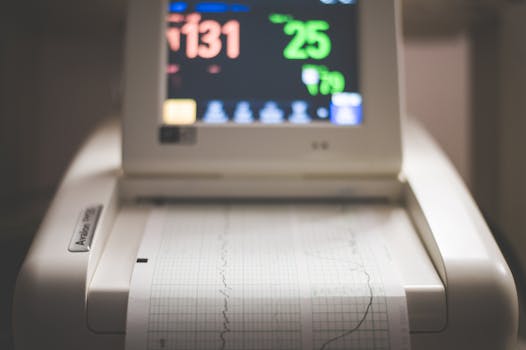
The autonomic nervous system regulates heart rate continuously. The sympathetic branch increases readiness and mobilization; it tends to raise heart rate and reduce beat-to-beat variability. The parasympathetic branch—primarily mediated by the vagus nerve—supports calming, digestion, and recovery; it tends to slow the heart and increase HRV.
It is rarely a simple “on/off” switch. Instead, your heart rate variability reflects the dynamic interplay between both branches. For example, during a stressful workday, sympathetic activation may increase. Even if parasympathetic activity is not completely suppressed, the overall balance may shift, leading to reduced HRV. During rest, parasympathetic influence often increases and HRV tends to rise.
Sleep adds another layer. Many people see the clearest HRV patterns during night-time rest, when sympathetic demands are lower and parasympathetic activity can be more pronounced.
How stress changes HRV: sympathetic dominance and reduced variability
Stress can affect HRV through several pathways. In the short term, stress activates the sympathetic nervous system and can also influence stress hormones such as cortisol. This combination can alter the neural control of the heart, often resulting in lower HRV.
Common stressors include:
- Psychological stress (worry, time pressure, conflict)
- Physical stress (hard training, dehydration, pain, illness)
- Physiological stressors (poor sleep, stimulants, caffeine timing, alcohol, irregular schedules)
Importantly, acute stress can reduce HRV quickly, while chronic stress may produce longer-term changes. HRV is sensitive to day-to-day conditions, so interpreting a single low reading without context can be misleading. Trends across days and consistent measurement conditions are usually more informative.
Parasympathetic activity, vagal tone, and what HRV can suggest
Parasympathetic activity is often discussed in terms of “vagal tone.” While vagal tone is not identical to HRV, HRV—particularly metrics like RMSSD and high-frequency components—tends to track aspects of parasympathetic influence.
When your body is in a recovery state, parasympathetic signaling can increase. This supports slower heart rate and greater variability between beats. HRV may rise when you:
- Sleep well and maintain consistent bed/wake times
- Engage in calming breathing or relaxation practices
- Recover adequately from exercise
- Limit stimulants and optimize hydration and nutrition
In practice, HRV should be treated as a proxy for autonomic regulation rather than a standalone “health score.” Still, persistent reductions in HRV—especially alongside fatigue, poor sleep, or high perceived stress—can be a useful signal that recovery needs attention.
Measuring HRV: consistency matters more than perfection
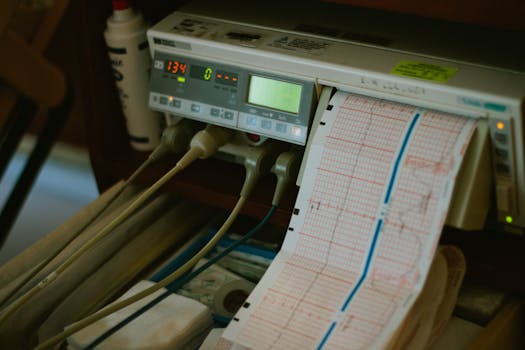
To interpret stress and heart rate variability sympathetic parasympathetic patterns, the most important factor is consistency. HRV varies naturally with circadian rhythm, hydration status, recent activity, temperature, and even measurement technique.
Practical guidance for measurement:
- Measure at the same time when possible (many people use morning readings).
- Use the same device and settings to reduce variability from sensor differences.
- Account for motion: HRV estimates are more reliable when you are still.
- Track trends over at least 2–4 weeks before drawing conclusions.
- Note confounders such as illness, travel, alcohol, caffeine, and intense workouts.
If you already use a wearable that provides HRV, it can be helpful to review daily patterns rather than focusing on single-day swings. For more clinical accuracy, HRV can be measured via ECG in healthcare settings, especially when HRV is being used for medical evaluation.
Interpreting changes: what a drop or rise in HRV often means
HRV interpretation is probabilistic. A drop in HRV often aligns with increased sympathetic activity or reduced parasympathetic influence. However, HRV can also change due to non-stress factors such as dehydration, poor sleep quality, or measurement artifacts.
Common patterns include:
- Lower HRV on high-stress days: may reflect sympathetic activation from mental load or poor recovery.
- Lower HRV after intense training: can be normal short term, but persistent suppression may indicate insufficient recovery.
- Higher HRV after restful sleep: often corresponds to improved parasympathetic activity and recovery.
- Unusually low HRV with symptoms (fever, persistent fatigue, chest discomfort) should prompt medical evaluation rather than self-management alone.
A useful approach is to connect HRV changes with your lived experience: sleep quality, perceived stress, training load, and daily routines. When HRV consistently trends in the wrong direction for weeks, it can be a sign that your nervous system is under ongoing demand.
Practical ways to support parasympathetic recovery and stabilize HRV
Because HRV is influenced by autonomic balance, interventions that reduce sympathetic drive and enhance parasympathetic signaling often support more resilient HRV patterns. The goal is not to “force” HRV up, but to create conditions where your nervous system can recover.
Evidence-informed strategies include:
- Breathing practices: slow, controlled breathing can increase vagal engagement. Many people find 5–10 minutes of slow breathing helpful, especially in the evening or after stressful events.
- Sleep protection: consistent sleep timing, reducing late caffeine, and minimizing screen exposure before bed can support night-time parasympathetic activity.
- Appropriate training load: if HRV is trending down and you feel more fatigued, adjust intensity, add rest days, or reduce volume.
- Stress downshifting: short mindfulness sessions, brief walks outdoors, or progressive muscle relaxation can lower perceived stress and reduce sympathetic arousal.
- Hydration and nutrition: dehydration and irregular meals can affect cardiovascular regulation and HRV.
Some people use HRV-guided recovery approaches with wearable devices. This can be useful when applied conservatively—treating HRV as one input among many (sleep, mood, soreness, resting heart rate, and overall function). One practical example is to reduce training intensity on days when HRV is notably lower than your recent baseline, especially if you also feel run down.
When to seek medical guidance
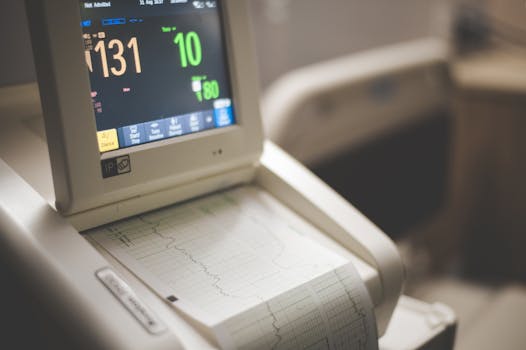
HRV is not a diagnostic tool by itself. However, persistent or severe abnormalities—particularly when paired with concerning symptoms—should be evaluated by a clinician. Seek medical advice if you have:
- Chest pain, fainting, or significant shortness of breath
- Palpitations that feel new, worsening, or sustained
- Marked fatigue that does not improve with rest
- Symptoms of illness (e.g., persistent fever) alongside abnormal HRV patterns
In healthcare contexts, HRV may be used alongside ECG findings, lab work, and symptom history to assess autonomic function. If your HRV concerns are significant, discussing them with a professional can help clarify whether the issue is related to stress and recovery, sleep, medications, or an underlying condition.
Prevention: building an autonomic-friendly routine
Long-term HRV improvement usually comes from consistent lifestyle patterns rather than short-term “hacks.” A preventive approach supports a healthier sympathetic-parasympathetic balance.
Consider the following prevention guidance:
- Keep your sleep schedule stable, even on weekends when possible.
- Manage caffeine timing (many people do better when they avoid caffeine late in the day).
- Use recovery days strategically, especially after periods of high mental stress or hard training.
- Practice brief down-regulation after stressful events (a short breathing session or quiet decompression).
- Reduce physiological stressors such as dehydration and extreme temperature exposure when possible.
Over time, these behaviors can help your nervous system shift more effectively between mobilization and recovery—often reflected in steadier HRV trends.
Summary: using HRV to understand sympathetic and parasympathetic balance
Stress and heart rate variability sympathetic parasympathetic dynamics are tightly connected through autonomic regulation of the heart. Stress—whether mental or physical—commonly increases sympathetic activity and can reduce HRV. In contrast, recovery and parasympathetic engagement tend to support higher HRV and greater adaptability.
To make HRV meaningful, measure consistently, interpret trends rather than single readings, and connect HRV changes to sleep, training, perceived stress, and illness. When HRV patterns remain concerning or are accompanied by symptoms such as chest discomfort or fainting, medical guidance is essential.
With a routine that protects sleep, supports recovery, and includes brief downshifting practices, many people can improve autonomic balance and make HRV a practical signal for nervous system resilience.
18.02.2026. 05:18