

Blue Light Therapy for Acne Safety: What to Know Before You Try

Why acne light treatments feel promising—and why safety matters
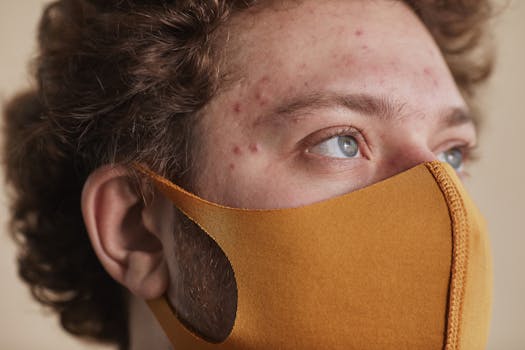
Blue light therapy for acne has become a common option in dermatology clinics and at-home devices. The idea is simple: certain wavelengths of light can help reduce acne-causing bacteria and calm inflammation. But “noninvasive” does not automatically mean “risk-free.” Safety depends on the device, the dose, your skin type, your acne severity, and how consistently you use it.
This guide helps you understand the practical safety considerations behind blue light therapy for acne safety. You’ll learn what the treatment can and can’t do, what side effects are most common, how to protect your eyes, and when to pause or seek medical advice.
If you’re considering light therapy for active breakouts, post-inflammatory marks, or stubborn inflammatory acne, the safest approach is to treat it like any other medical intervention: use correct settings, follow timing guidance, and monitor your skin response.
What blue light therapy for acne safety actually refers to
When you hear “safe,” it usually means a few specific things:
- Skin safety: the treatment should not cause harmful burns, persistent irritation, or scarring.
- Eye safety: blue and visible light can irritate eyes, and some devices may emit higher intensity light than you expect.
- Reasonable dosing: your risk rises when intensity is too high or sessions are too frequent.
- Appropriate use: certain skin conditions, medications, or active infections can increase risk.
- Realistic expectations: safety includes avoiding unnecessary treatment when acne needs a different plan.
To stay within those safety boundaries, it helps to understand how blue light affects skin and acne biology.
How blue light works on acne (and where the limits are)
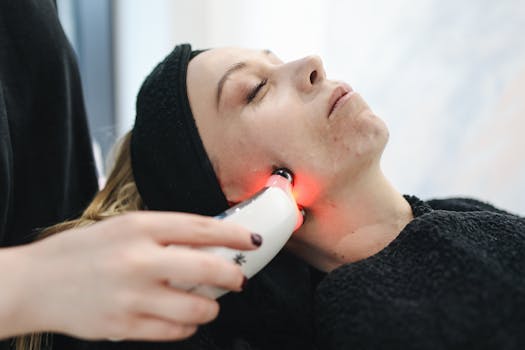
Blue light therapy typically uses wavelengths around the blue region of the spectrum, often near 405 nm in many acne-focused systems. The underlying mechanism is usually described as targeting porphyrins—compounds that are produced by acne-associated bacteria such as Cutibacterium acnes. When porphyrins absorb light energy, they can generate reactive oxygen species that reduce bacterial activity.
In addition to antibacterial effects, blue light may influence inflammation. Acne lesions are not only a bacterial issue; they involve follicular plugging, immune signaling, and skin barrier changes. Light can help some people, especially with inflammatory acne, but it is rarely a complete substitute for established acne therapies when acne is moderate to severe.
Safety-wise, the key point is this: the benefits do not justify pushing intensity beyond recommended settings. Higher doses can increase irritation without improving outcomes proportionally.
Common side effects: what you can expect and when to worry
Most people who tolerate blue light therapy well experience mild, temporary effects. Still, knowing what counts as “normal” versus “concerning” helps you act early.
Typical short-term reactions
- Redness that fades within a few hours to a day.
- Dryness or mild flaking, especially if you’re also using retinoids or benzoyl peroxide.
- Warmth or tingling during or shortly after the session.
- Itchiness that is mild and resolves quickly.
These reactions often reflect skin sensitivity rather than injury. If your skin feels like it’s “sunburned,” that’s a sign the dose may be too high or the treatment schedule too aggressive.
Less common but important warning signs
You should stop the session and seek medical guidance if you notice:
- Blistering, open sores, or skin that looks charred or severely burned.
- Swelling that spreads beyond the treated area.
- Severe pain that persists after the session.
- Persistent redness lasting more than 48–72 hours.
- Eye irritation such as persistent burning, tearing, or light sensitivity after treatment.
Even if you think the device is “low risk,” these symptoms can indicate excessive exposure, incorrect use, or a skin condition that needs evaluation.
Eye protection and safe light exposure
Eye safety is one of the most overlooked aspects of acne light therapy. Blue light devices can be uncomfortable if light reaches your eyes directly. Some systems include protective eyewear; others rely on built-in shields. You should treat eye protection as non-negotiable.
Practical safety steps:
- Use the eyewear specified by the device instructions or the clinician’s guidance.
- Do not remove eye protection early, even if you feel the session is “almost done.”
- Keep your device positioned correctly to avoid stray light.
- Never aim the device at the eyes or use it in a way that allows direct beams to reach your face.
Real-world scenario: Imagine you’re doing an at-home session and you remove the protective goggles to “check progress.” If your eyes feel gritty or you develop lingering light sensitivity afterward, that’s a safety signal. Pause treatment and get advice before resuming.
Skin types, acne severity, and why your baseline matters
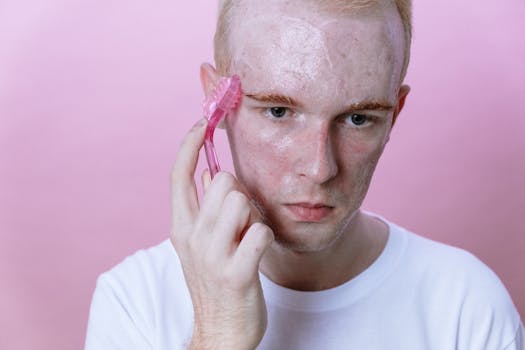
Safety isn’t only about the device—it’s about you. Your skin’s baseline sensitivity affects how you respond to light.
If you have darker skin tones
People with more melanin often worry about hyperpigmentation after irritation. While blue light is not the same as UV tanning, any treatment that causes inflammation can contribute to post-inflammatory hyperpigmentation. To reduce risk:
- Start with the lowest recommended intensity or shortest session duration.
- Avoid combining light therapy with other strong irritants on the same day.
- Track your skin response over the first 2–3 sessions.
If you have active eczema, rosacea, or very reactive skin
Inflammatory skin conditions can flare with heat or irritation. If you have eczema patches, significant facial redness, or a history of rosacea flare-ups, you may need a clinician’s plan rather than self-directed use. Blue light may still be possible in some cases, but the safety margin can be narrower.
If you’re dealing with cystic acne or nodules
For deep, painful acne lesions, light therapy alone often isn’t enough. Safety includes avoiding delays in effective care. If you’re getting nodules, scarring, or frequent flare-ups, a dermatologist can help balance light therapy with evidence-based treatments (such as topical retinoids, oral therapies, or other in-office modalities).
Medication interactions and photosensitivity concerns
Photosensitivity is a major safety consideration with many acne medications and some other prescriptions. Blue light therapy is not UV, but your skin can still be more reactive if you’re using photosensitizing drugs.
Topicals that can increase irritation
Even without true photosensitivity, combining light therapy with strong acne topicals can raise the risk of dryness and irritation. Examples include:
- Retinoids (tretinoin, adapalene)
- Benzoyl peroxide
- High-strength salicylic acid or multiple exfoliants
Safety approach: consider spacing your acne regimen and the light session. Many instructions suggest using gentle skincare on treatment days. If your regimen already makes your skin feel “thin” or frequently irritated, you may need to pause or adjust before adding light therapy.
Systemic photosensitizing medications
If you take medications that are known to increase light sensitivity, you should ask a clinician before using light therapy. This includes some antibiotics (for example, tetracyclines in certain cases), and certain other drug classes. The goal is not to scare you—it’s to avoid unpredictable skin reactions.
If you’re currently on a medication that warns about sun sensitivity, treat light therapy like a potential trigger. Confirm the safety with the prescriber or dermatologist.
Safe dosing basics: intensity, session length, and spacing
One of the most practical parts of blue light therapy for acne safety is dosing. Devices vary widely in output. Some are designed for short sessions; others may require longer exposure. You should not “guess” based on how you feel.
Follow the device or clinician protocol
Safety depends on using the settings the manufacturer or healthcare provider specifies. If the protocol says 10 minutes per session, don’t extend it to 20 because you want faster results. More time is not always more benefit; it can simply increase irritation.
Consistency matters more than intensity spikes
Acne improvement from light therapy often requires repeated sessions over weeks. Many protocols use a frequency like several times per week for an initial course. If you miss sessions, it’s usually better to resume according to instructions rather than “catch up” with extra-length sessions.
How to build a safety-first schedule
If you’re starting out, consider a cautious plan:
- Begin with the lowest setting available (if the device allows intensity adjustments).
- Use the recommended frequency rather than escalating.
- Evaluate your skin after 2–3 sessions. If you’re getting redness that persists, adjust by reducing frequency or pausing (and consult a clinician if it doesn’t improve).
Example: You start an at-home routine three times per week. After the second session, your cheeks are noticeably red the next morning and feel tight. Instead of continuing at the same settings, you pause and reassess. That decision is part of safety—your skin is providing feedback.
At-home devices versus clinical treatment: safety differences that matter

Both clinical and home approaches can be safe when used correctly, but there are real-world safety differences.
Clinical settings
In-office treatments often come with:
- Standardized dosing and trained supervision
- Better control over skin preparation
- More immediate response if your skin reacts
However, you still need to follow post-treatment guidance. If you’re given a skincare plan, stick to it—especially regarding retinoids and exfoliants.
At-home devices
At-home devices can be convenient, but safety depends on correct use:
- Proper placement and distance from the skin
- Using eye protection as instructed
- Keeping the device clean and in good working condition
- Not treating over irritated or broken skin
A common safety issue is inconsistent technique. For example, if you hold the device at varying angles, you may deliver uneven exposure or accidentally allow light to reach your eyes or sensitive areas.
Skin preparation and aftercare to reduce risk
Skin preparation doesn’t have to be complicated, but it should be deliberate. The goal is to avoid adding friction, heat, or chemical irritation right around the session.
Before your session
- Cleanse gently and remove makeup.
- Avoid applying strong acne actives immediately before treatment.
- Do not use scrubs or aggressive exfoliation the same day.
- Check for open sores, active bleeding, or severe irritation. Don’t treat compromised skin.
After your session
- Use a gentle moisturizer to support your skin barrier.
- Avoid intense exfoliants for 24–48 hours if your skin is reactive.
- Use sunscreen daily if you’re exposed to daylight, particularly if your acne regimen includes retinoids or acids.
Safety note: If your skin is red or dry after treatment, barrier repair becomes part of the acne plan. Irritated skin can worsen inflammation and make it seem like light therapy “isn’t working.”
How to monitor progress without increasing risk
It’s easy to judge progress too quickly. Safety includes not escalating treatment because you’re impatient.
Track changes over a full course
Many people need 4–8 weeks to judge meaningful improvement, depending on acne type and baseline regimen. During that time, keep your routine steady and document:
- Number of new inflammatory lesions
- How long redness lasts
- Whether dryness is increasing
- Any signs of irritation around the mouth, eyes, or cheeks
Do not treat through irritation
If your skin barrier is compromised, continuing treatment can compound irritation. A safety-first approach is to pause and focus on calming your skin. Once irritation resolves, you can resume at a more conservative schedule or with clinician guidance.
Special situations: pregnancy, breastfeeding, and teens
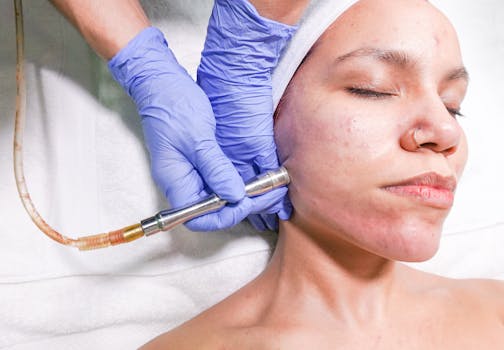
Safety guidance can vary depending on device protocols and individual health factors, so it’s important to consider age and life stage.
Pregnancy and breastfeeding
Blue light therapy is not systemic; it does not involve medication absorption. That said, your overall acne plan still matters. If you’re pregnant or breastfeeding, you should confirm the safety of any concurrent acne medications with your clinician. Light therapy may be an option for some people, but the surrounding regimen (topicals and oral treatments) needs careful review.
Teen acne
Many teens use acne devices without realizing that technique and eye protection are essential. If a teen is using an at-home device, safety should include:
- Supervision by a caregiver or clinician when possible
- Strict adherence to age-appropriate instructions
- Avoiding overuse in hopes of faster results
Teen skin can be sensitive, and acne is often treated with retinoids early on. The combination of retinoids plus light therapy can increase dryness if not timed correctly.
When blue light therapy may not be the safest choice
Blue light therapy isn’t universally unsafe, but there are scenarios where it may not be the best or safest approach without medical input.
- Active skin infection (for example, infected eczema or open sores)
- Severe dermatitis or uncontrolled rosacea
- History of unusual photosensitivity reactions or current use of known photosensitizing medications
- Scarring acne where delays in effective treatment could worsen outcomes
- Unclear device specifications (if you can’t confirm wavelength, output, or protocol)
If any of these apply, you’re better served by a clinician evaluation. Safety is not just about preventing burns—it’s about choosing the right intervention for your acne type.
Practical example: a cautious start that reduces irritation
Here’s a realistic scenario that mirrors how many people use light therapy safely.
You have moderate inflammatory acne on your cheeks and forehead. You also use adapalene at night and benzoyl peroxide a few mornings per week. You decide to add blue light therapy at home.
Instead of starting at the highest setting, you choose the lowest intensity and follow the manufacturer’s timing. You cleanse gently, skip topical acne actives before the session, and use the device for the recommended duration. You keep eye protection on the entire time. Afterward, you apply a bland moisturizer and avoid exfoliants for the next day.
After two sessions, you notice mild dryness but no persistent redness. You continue at the same schedule. By week four, you see fewer new inflammatory bumps, and your skin feels less inflamed. Safety here comes from restraint: you didn’t increase dose to chase faster results, and you monitored the barrier instead of pushing through irritation.
Prevention guidance: reduce risk before it starts
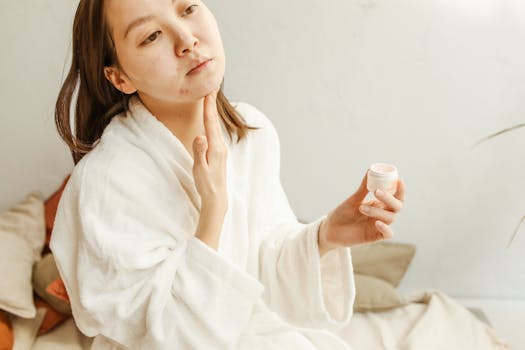
Prevention is where you gain the most safety value. You can’t control every variable, but you can control technique and timing.
- Use correct eye protection every session. This is central to safety.
- Protect your skin barrier. If your skin is already compromised, delay light therapy until it stabilizes.
- Avoid simultaneous irritants. Don’t stack light therapy with aggressive exfoliation or strong actives unless your clinician has advised it.
- Follow the dosing schedule. More time is not a safer shortcut.
- Don’t treat through burns or blisters. Pause and get medical advice.
- Be cautious with photosensitizing medications. Confirm with a clinician if you’re on any drug that increases light sensitivity.
- Keep expectations realistic. If acne is worsening or scarring, light therapy should not replace appropriate care.
Summary: how to approach blue light therapy for acne safety with confidence
Blue light therapy for acne safety comes down to smart dosing, eye protection, and respecting your skin’s response. Most side effects are mild and temporary—typically redness, dryness, or warmth. The main safety risks involve excessive exposure, inadequate eye protection, and combining light therapy with irritants or photosensitizing medications.
If you start conservatively, follow your device or clinician’s protocol, and monitor for warning signs like persistent redness, swelling, or eye irritation, you can reduce risk significantly. And if your acne is severe, scarring, or tied to a complex medication regimen, the safest path is to involve a dermatologist so the overall plan—light therapy plus skincare—supports healing rather than inflammation.
Acne treatment works best when it’s consistent and measured. Safety is part of that equation.
10.03.2026. 06:23