

How to Support Collagen Production for Skin

Why collagen matters—and why support is more than a “beauty” goal

Collagen is the structural protein that helps your skin look firm, resilient, and smooth. It forms part of the dermal “scaffold” that supports hydration and elasticity. When collagen production slows or collagen is damaged, skin often appears less bouncy, more prone to fine lines, and slower to recover after irritation.
Here’s the key point: you can’t directly “add collagen” to your skin in the way you might add ingredients to a recipe. But you can support your body’s collagen-building systems and reduce the signals that break collagen down. The best approach is usually a combination of sun protection, nutrition, lifestyle choices, and targeted skin-care ingredients.
In this guide, you’ll learn how to support collagen production for skin using science-based levers—what works, what’s limited, and how to build a routine that’s realistic for everyday life.
How collagen production works in your skin
Your skin’s collagen is mainly made in the dermis by cells called fibroblasts. These cells produce collagen types (including type I and type III) and other supporting molecules like elastin and glycosaminoglycans. Collagen synthesis is an ongoing process—your skin is constantly remodeling based on signals from your environment and your internal health.
Two processes largely determine what you see over time:
- Collagen synthesis: fibroblasts build new collagen, relying on amino acids and enzyme activity.
- Collagen breakdown: enzymes and oxidative stress can degrade existing collagen.
That’s why the most effective strategies usually do two things at once: provide the “materials” for collagen formation and reduce the triggers that accelerate collagen breakdown.
Sun protection: the most powerful collagen-support step
If you do only one thing to support collagen production for skin, make it consistent sun protection. Ultraviolet (UV) radiation increases oxidative stress and activates pathways that degrade collagen. Over time, this contributes to photoaging—wrinkles, uneven texture, and loss of firmness.
Practical guidance:
- Use broad-spectrum sunscreen with SPF 30 or higher daily on exposed areas. Reapply every 2 hours when outdoors, and after swimming or heavy sweating.
- Cover up when UV is strong (wide-brim hat, long sleeves, sunglasses).
- Don’t rely on cloudy days. UV can still reach your skin.
Real-world scenario: Imagine you commute by car for 45 minutes each way and spend lunch outdoors. Even without tanning, repeated daily UV exposure can add up. In that situation, daily sunscreen on your face, neck, and any exposed skin creates a cumulative protective effect that supports long-term collagen integrity.
Nutrition that supports collagen building: amino acids and cofactors
Collagen is made from amino acids arranged into specific structures. Your body can synthesize collagen, but it needs the building blocks and the biochemical “helpers” that allow enzymes to work efficiently.
Protein and essential amino acids
If your overall protein intake is low, collagen production can be constrained. Many people benefit from distributing protein across meals so your body has a steady supply of amino acids for tissue repair and remodeling.
A practical starting point is to aim for roughly 1.0–1.2 grams of protein per kilogram of body weight per day for adults who are generally healthy and active. If you have kidney disease or another medical condition affecting protein needs, follow clinician guidance.
Good sources include eggs, fish, poultry, Greek yogurt, legumes, and soy. If you’re vegetarian or vegan, combining protein sources (like beans + grains) helps you cover essential amino acids.
Vitamin C: the collagen “enabler”
Vitamin C is required for collagen formation because it supports hydroxylation reactions that help stabilize collagen fibers. Low intake can reduce effective collagen synthesis.
Food sources include citrus fruits, berries, kiwi, bell peppers, tomatoes, and leafy greens. A common dietary target for adults is 75–90 mg/day depending on sex and life stage. If you’re not getting vitamin C-rich foods regularly, your diet may be the place to start.
Copper, zinc, and iron: supporting enzymes and redox balance
Collagen remodeling involves enzymes that depend on trace minerals. Copper and zinc support connective tissue processes, and iron is involved in oxygen transport and cellular function.
Rather than chasing supplements blindly, consider dietary reliability first:
- Copper: nuts, seeds, legumes, whole grains.
- Zinc: meat, shellfish, dairy, legumes, seeds.
- Iron: red meat, lentils, beans, spinach (pair plant iron with vitamin C foods to improve absorption).
If you have symptoms of deficiency or known anemia, it’s more effective to identify the cause with a clinician than to self-treat.
Hydration and overall dietary pattern
Collagen is not the only factor in skin hydration. Still, an overall balanced diet supports the skin’s barrier and reduces inflammatory stress. If your diet is chronically low in fruits, vegetables, and healthy fats, you may indirectly limit the conditions that favor healthy remodeling.
Think of collagen support as part of a bigger picture: skin needs energy, nutrients, and an environment that doesn’t constantly push it toward breakdown.
Skin-care ingredients that can support collagen pathways
Topical products can influence collagen through multiple mechanisms: boosting fibroblast activity, reducing oxidative stress, and improving the skin’s environment. Results are not overnight. Many collagen-related changes take 8–12 weeks to become noticeable, with further improvements over time.
Retinoids (retinol, retinal, prescription retinoids)
Retinoids are among the most evidence-supported topical options for improving signs of photoaging. They can increase collagen production and improve dermal thickness over time.
How to use (practical):
- Start 2–3 nights per week if you’re new to retinoids.
- Apply to dry skin, typically a pea-sized amount for the whole face.
- Moisturize after to reduce irritation.
Expect a possible “adjustment period” with dryness or flaking. If irritation is significant, reduce frequency and focus on barrier support.
Vitamin C (ascorbic acid and derivatives)
Vitamin C topicals can help protect against oxidative damage and support collagen-related processes. Many formulations use L-ascorbic acid (often around 10–20%) or more stable derivatives.
Practical tip: Vitamin C can be sensitive to light and air. If your product darkens quickly or smells strongly, it may be oxidized. Store it properly and consider replacing it if performance seems off.
Niacinamide
Niacinamide supports the skin barrier and can reduce inflammation. While it may not “replace” retinoids for collagen remodeling, it can make your skin more resilient—especially if retinoid use causes dryness.
Look for niacinamide in the 2–5% range in many common formulations.
Moisturizers and barrier support
When your skin barrier is compromised, irritation and inflammation can increase. That can indirectly affect collagen health. Ingredients like ceramides, glycerin, hyaluronic acid, and cholesterol derivatives help reduce transepidermal water loss.
You’ll often see better tolerance for collagen-supporting actives when your barrier is stable.
Lifestyle factors that affect collagen breakdown
Even with excellent skincare and nutrition, lifestyle can influence collagen degradation through oxidative stress, inflammation, and changes in hormone signaling.
Smoking: a direct collagen disruptor
Cigarette smoke increases oxidative stress and damages blood vessels, which reduces oxygen and nutrient delivery to skin. This is strongly associated with premature wrinkling and reduced healing.
If you smoke, reducing or quitting is one of the most meaningful collagen-support actions you can take. Skin changes may improve gradually as circulation and oxidative stress decrease.
Sleep and circadian rhythm
During sleep, your body repairs tissues and regulates inflammatory pathways. Chronic short sleep is associated with higher inflammatory markers and slower recovery.
A practical target is 7–9 hours per night for most adults. If you struggle with sleep, addressing caffeine timing, screen exposure before bed, and consistent wake times can help.
Stress management and inflammation
Long-term stress can increase cortisol and influence inflammatory signaling. While stress is not the only driver of skin changes, it can affect how your skin behaves—especially if you have acne, eczema, or frequent irritation.
Choose a stress-reduction method you can sustain: brisk walking, breathing exercises, yoga, or therapy. The goal isn’t perfection; it’s reducing the chronic “background” load.
Exercise and skin circulation
Regular physical activity supports circulation and metabolic health. It may also reduce systemic inflammation, indirectly benefiting skin. You don’t need extreme training; consistency matters more than intensity.
What to avoid: common collagen-wrecking triggers
Supporting collagen production also means limiting the factors that accelerate breakdown.
Skipping sunscreen
This is the biggest avoidable trigger. If you forget most days, your skin is still exposed to UV-driven collagen damage.
Over-exfoliation and harsh routines
Scrubs, strong acids too frequently, and stripping cleansers can damage the barrier. When the barrier is irritated, inflammation rises, and you may end up with more visible texture changes.
A smarter approach is to use one exfoliating strategy at a time (for example, a gentle chemical exfoliant a few times per week if tolerated) and prioritize barrier-friendly habits.
Frequent hot showers and very high heat
Extreme heat can worsen dryness and irritation. While it won’t “instantly” destroy collagen, it can push your skin toward inflammation, which is not ideal when you’re trying to support remodeling.
Rapid weight cycling
Significant and repeated weight changes can stretch skin and affect dermal structure. If you’re trying to optimize skin health, steadier long-term habits generally support better outcomes.
Collagen supplements: what they may do (and what to expect)
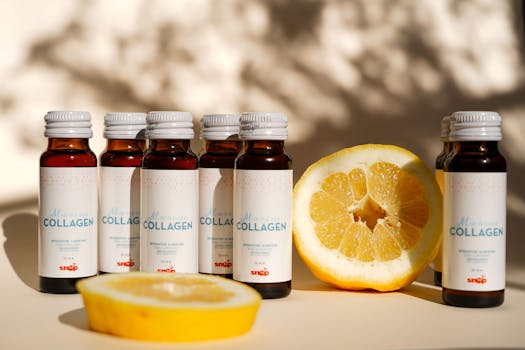
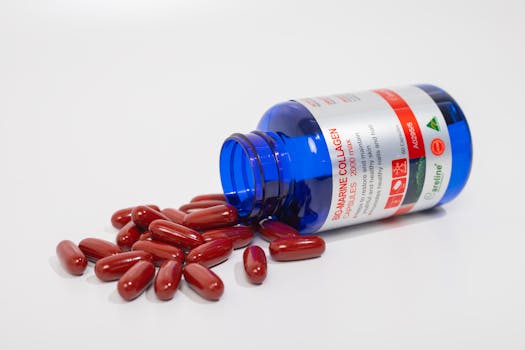
Collagen peptides are widely discussed. The science suggests that certain hydrolyzed collagen supplements may improve skin hydration and elasticity measures in some studies, particularly when taken consistently for several months. However, results vary, and supplements are not a substitute for sunscreen, retinoids, and overall nutrition.
If you choose to use collagen peptides, look for evidence-based dosing from study contexts. Many trials use 2.5–10 grams per day for 8–12 weeks or longer. The practical expectation is modest improvement in hydration and elasticity rather than dramatic structural change.
Important nuance: even when supplements help, you’ll usually get the best overall collagen support by combining them with sun protection and a retinoid-based or barrier-based skin-care routine.
Building a collagen-support routine you can actually maintain

A routine works best when it matches your skin tolerance and your schedule. Here’s a practical framework you can adapt.
Morning (collagen-protective)
- Gentle cleanse or rinse if you’re dry.
- Vitamin C (optional, if tolerated) or a niacinamide product.
- Moisturizer to support barrier comfort.
- Sunscreen SPF 30+ applied generously to face, neck, and any exposed areas.
Night (collagen-remodeling)
- Cleanse and pat dry.
- Retinoid 2–3 nights per week to start, then increase as tolerated.
- Moisturizer to reduce dryness and irritation.
If your skin is sensitive, you can alternate retinoid nights with barrier-focused nights. Consistency over months matters more than intensity.
How to track progress without obsessing
Use objective cues: how your skin feels, how it looks in consistent lighting, and whether irritation improves. Many collagen-related changes are subtle at first. Give your plan 8–12 weeks before making major adjustments.
When to involve a dermatologist
Consider professional guidance if you have persistent irritation, severe acne, rosacea, eczema, or signs of skin damage that aren’t improving. A dermatologist can help you choose appropriate retinoid strength, address barrier problems, and rule out conditions that mimic “aging” changes.
Also consider evaluation if you suspect nutritional deficiencies (for example, fatigue, hair shedding, or dietary restrictions) or if you’re dealing with rapid skin changes.
Summary: the highest-impact ways to support collagen production
To support collagen production for skin, focus on the fundamentals that reduce collagen breakdown and provide the conditions for remodeling:
- Protect from UV with broad-spectrum SPF 30+ daily and reapply when outdoors.
- Support collagen-building nutrition with adequate protein and vitamin C-rich foods; include trace minerals through a varied diet.
- Use evidence-based topical actives such as retinoids for dermal remodeling, and consider vitamin C or niacinamide for antioxidant and barrier support.
- Maintain a healthy lifestyle—avoid smoking, prioritize sleep, and manage chronic stress.
- Be patient: expect meaningful changes after 8–12 weeks and continued improvement over time.
Collagen support isn’t one trick. It’s a steady pattern of protection, nourishment, and skin-care choices that help your skin maintain its structure while it adapts to daily environmental stress.
01.05.2026. 14:37