

HRV explained wearable: how HRV works and what it means

HRV explained wearable: what it measures and why it matters
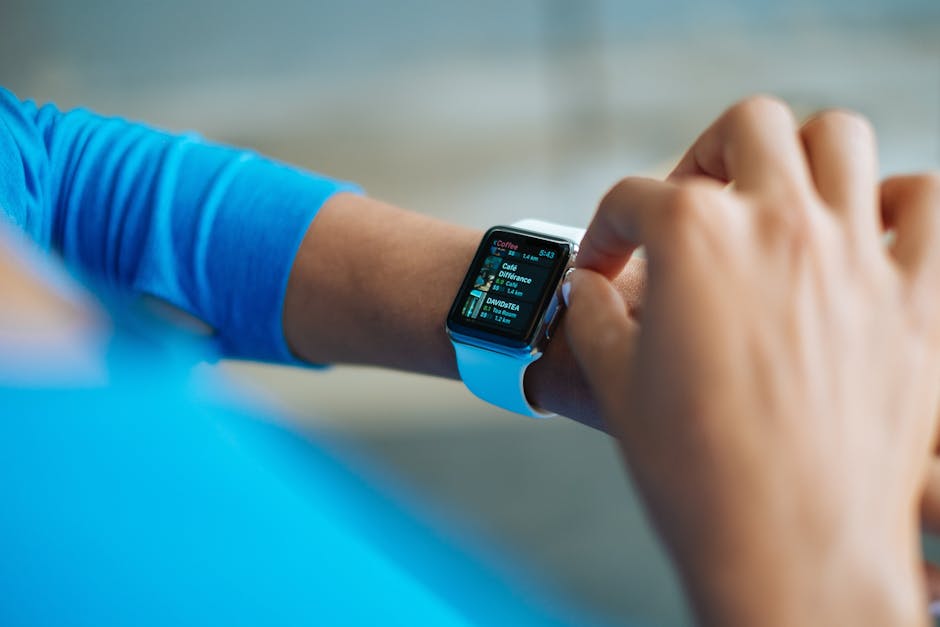
Heart rate variability (HRV) is one of the most discussed signals in modern wearables. Yet the term can sound mysterious because it is not about how fast your heart beats. Instead, HRV reflects the variation in time between heartbeats, which is influenced by the balance between the sympathetic nervous system (associated with “mobilizing” the body) and the parasympathetic nervous system (associated with “rest and recovery”).
When a wearable reports HRV, it is typically estimating how variable the intervals are between successive heartbeats, often using data derived from optical sensors (photoplethysmography) or, in some devices, from electrocardiography. The reason people track HRV is that it can change with stress, sleep quality, illness, exercise load, and recovery. Importantly, HRV is best understood as a trend and a contextual signal, not a standalone score that directly “tells you” how you feel.
This science explainer breaks down what HRV is, how wearable devices calculate it, what can distort readings, and how to interpret HRV trends in a practical and responsible way.
Heart rate variability basics: the intervals behind the number
Your heart does not beat in perfectly even time. Even at rest, the time between beats naturally fluctuates. Those fluctuations can be quantified. HRV commonly refers to variability in the NN intervals (normal-to-normal intervals), which are the times between normal heartbeats detected on an ECG. Wearables often use a similar concept, but from sensor-derived signals.
Two key ideas help make HRV intuitive:
- Higher HRV often indicates a more adaptable autonomic system and effective recovery in many contexts, especially at rest.
- Lower HRV can occur when your body is under strain—such as from stress, poor sleep, illness, overreaching training, dehydration, or even travel.
However, “higher” and “lower” are not universal rules for every person or every situation. HRV is influenced by age, baseline physiology, measurement conditions, and how you interpret the signal (short-term vs long-term trends).
What wearables actually measure: sensors, timing, and signal quality
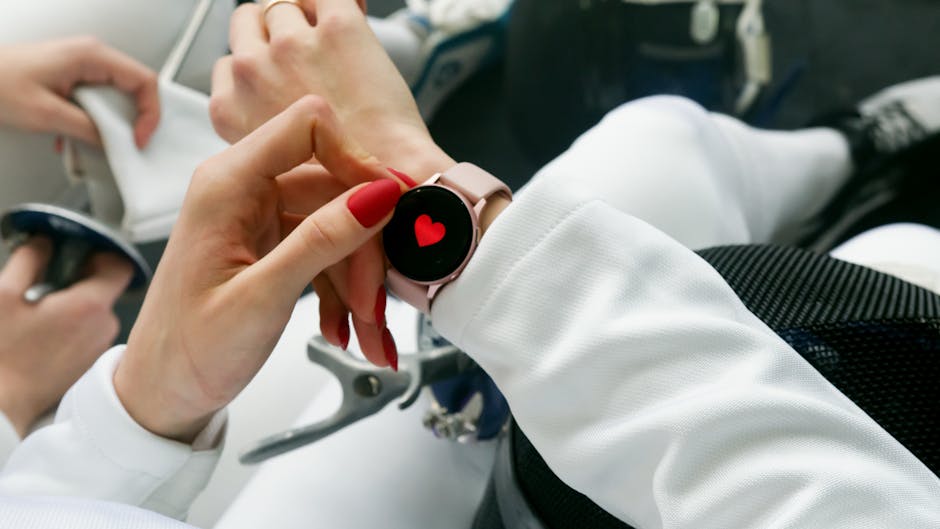
Most consumer wearables estimate HRV using one of two approaches:
- Optical photoplethysmography (PPG): A light sensor measures blood volume changes in the skin. From these signals, the device estimates pulse timing and beat-to-beat intervals.
- Electrocardiography (ECG): Some devices use electrodes (often via a chest strap, watch electrodes, or finger contact) to measure electrical activity more directly.
Because HRV depends on accurate beat timing, sensor quality matters. Optical signals can be affected by motion (walking, workouts), poor skin contact, tattoos, ambient light, and individual differences in skin perfusion. ECG-based measurements are generally more precise for determining beat intervals, though they too can be affected by contact quality and artifacts.
For this reason, many HRV features are designed to be collected under specific conditions—often during rest or sleep. Wearables may compute HRV using data windows such as overnight recordings or short segments while you are still.
Common HRV metrics you’ll see in wearables
Wearables may display HRV using different formulas. Two widely used categories are time-domain and frequency-domain metrics. In consumer settings, the time-domain metric is most common.
RMSSD: the frequent wearable HRV metric
Many wearables report HRV as RMSSD (root mean square of successive differences). RMSSD focuses on beat-to-beat variability and is often interpreted as reflecting parasympathetic (vagal) activity, particularly over short time scales. Because RMSSD is relatively robust and easy to compute, it is commonly used in consumer HRV summaries.
SDNN and other measures
Some devices may provide SDNN (standard deviation of NN intervals), which depends on the overall variability across a longer recording window. SDNN can be influenced by the length of the measurement period. Other metrics and advanced analyses (including frequency-domain measures) exist, but they are less consistently presented across consumer wearables.
Practical takeaway: if two wearables show different HRV numbers, it may not reflect a true physiological difference. Differences in sensor type, sampling, and HRV algorithm can change what the device is actually computing.
How HRV changes with stress, recovery, and sleep
HRV is closely linked to autonomic regulation. When your body is adapting to a demand, the balance of nervous system activity can shift. That shift often shows up as changes in HRV.
Stress and sympathetic activation
Acute stress—mental stress, time pressure, conflict, or intense physical demands—can reduce HRV in many people. The direction and magnitude vary, but the general pattern is that HRV often drops when the body is less in a “rest-and-digest” mode and more in a “mobilize” mode.
Sleep quality and circadian patterns
Sleep is one of the most consistent times to observe HRV changes. HRV often varies across the night as you cycle through different sleep stages. Many wearables therefore focus on overnight HRV or compute a daily summary based on sleep periods.
Sleep disruption can lower HRV, including from late caffeine, alcohol, irregular sleep timing, or breathing issues such as sleep apnea. If a wearable indicates consistently reduced overnight HRV, it can be a clue to investigate sleep habits and—when relevant—sleep disorders with a clinician.
Training load and recovery
After hard exercise, HRV may decrease for a period as the body recovers. Over time, consistently poor recovery—especially with insufficient rest—can drive a pattern of lower HRV. Conversely, adequate recovery can help HRV return toward your personal baseline.
Because training adaptation takes time, HRV should be interpreted alongside how you feel, performance changes, sleep, resting heart rate, and other recovery indicators.
Why your HRV reading can fluctuate day to day
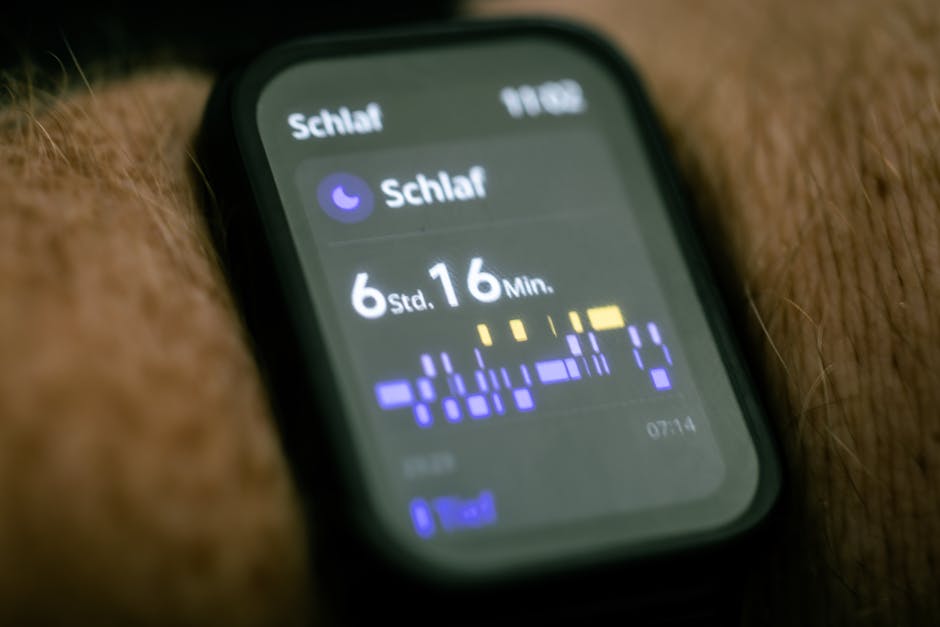
HRV is sensitive to many variables. Some fluctuations are normal, and chasing single-day changes can lead to confusion.
- Body position and movement: HRV measured while you’re seated quietly can differ from HRV during activity.
- Breathing patterns: Breathing rate and depth influence heart rate oscillations and can meaningfully affect HRV metrics.
- Caffeine, nicotine, and alcohol: These can shift autonomic activity and sleep quality, indirectly changing HRV.
- Hydration and illness: Dehydration and infections can reduce HRV. Even mild illness may show up as a noticeable shift.
- Menstrual cycle and hormonal factors: Hormonal changes can alter HRV patterns in people who menstruate.
- Altitude and travel: Jet lag, altered sleep, and physiological stress can all influence HRV.
Another important point: HRV has individual baselines. Two people can have very different “normal” HRV values while having similar overall health and autonomic function.
Interpreting HRV trends: baseline, relative change, and context
The most useful way to interpret HRV from a wearable is to look at relative change over time rather than treating a single number as a diagnosis.
Establish a personal baseline
Instead of focusing on day-to-day noise, consider using a baseline built from your typical conditions. Many people find it helpful to compare today’s HRV to their personal average from the last couple of weeks—especially when measurements are taken under similar conditions.
Use recovery context, not just the HRV number
HRV is more informative when you pair it with other daily signals:
- Resting heart rate: Elevated resting heart rate alongside lower HRV can suggest stress or incomplete recovery.
- Sleep duration and consistency: Short or fragmented sleep often corresponds with HRV changes.
- Subjective readiness: How you feel matters. HRV can be one input, not the only decision-maker.
- Training and workload: The timing of workouts relative to HRV measurement affects interpretation.
If you consistently see lower HRV during a period that includes poor sleep, high stress, or illness symptoms, the pattern is usually easier to interpret. If the pattern appears without an obvious trigger, it may be worth checking measurement conditions and considering external factors.
Common pitfalls in wearable HRV data
HRV can be misleading when measurement quality is poor or when the data is interpreted outside its intended use.
Motion artifacts and incorrect timing
Optical sensors can struggle during movement. HRV computed during activity may be less reliable. If your wearable reports HRV from short daytime windows, ensure you understand when and how it collects data.
Comparing devices or algorithms
HRV values are not always interchangeable across brands and models. Different HRV formulas, sampling rates, and filtering approaches mean that “RMSSD 40” on one device may not match “RMSSD 40” on another. Treat device-to-device comparisons cautiously.
Overreacting to normal variability
HRV naturally fluctuates. A one-off low day can occur due to stress, a late meal, a poor night, or even a sensor fit issue. A better approach is to look for patterns that persist across multiple days.
Using HRV for practical self-management (without overstepping)
Wearable HRV can support healthy habits, but it should be used thoughtfully. The goal is usually to identify changes in recovery and stress, not to micromanage every day.
Track under consistent conditions
For more meaningful comparisons, keep measurement conditions similar. If your wearable provides an overnight HRV metric, use that consistently. If it provides a daytime “readiness” HRV, try to measure at the same time and in similar pre-measurement conditions (for example, after sitting quietly).
Pair HRV with breathing and relaxation practices
Because breathing affects HRV, consistent relaxation practices can sometimes stabilize readings. Techniques such as slow nasal breathing or brief guided relaxation may help you reduce stress-related HRV dips. The key is consistency: evaluate whether the practice improves your overall recovery behaviors (sleep, stress, perceived readiness), not only the immediate HRV number.
Look for signals that suggest medical evaluation
HRV is not a diagnostic tool. However, if a wearable consistently shows large changes accompanied by symptoms—chest pain, fainting, severe shortness of breath, persistent palpitations, or alarming dizziness—seek medical care. Also consider clinician evaluation if HRV changes are linked to symptoms of sleep disorders such as loud snoring, choking/gasping during sleep, or severe daytime sleepiness.
How to interpret HRV during illness and after vaccination
HRV often changes during infection because the body’s stress response and inflammatory processes can affect autonomic regulation. Similarly, after vaccination, some people see temporary changes in HRV due to immune activation and altered sleep or activity.
Practical guidance:
- Expect variability during the first days of illness or immune activation.
- Use HRV alongside symptoms and temperature, and avoid forcing intense training when you feel unwell.
- If HRV drops markedly and persists beyond the recovery period you would normally expect, consider consulting a clinician—especially if symptoms are present.
Wearables can help you notice that something is off, but they cannot determine the cause. When health concerns arise, clinical assessment remains the appropriate next step.
Where HRV fits alongside other wearable signals
HRV is most useful as part of a broader picture. Many people already track resting heart rate, sleep duration, and activity patterns. HRV adds information about autonomic balance, but it does not replace cardiovascular risk assessment, medical history, or lab testing when indicated.
In practice, HRV tends to be most actionable when it helps you answer questions like:
- Am I recovering well after hard training or a stressful week?
- Is my sleep quality likely affecting my physiology?
- Do I have a pattern of chronic stress that warrants lifestyle changes?
Some wearables also present “readiness” scores that incorporate HRV, resting heart rate, sleep, and sometimes activity. Treat those scores as a summary of multiple inputs rather than a direct measurement of health.
Summary: HRV explained wearable in plain terms
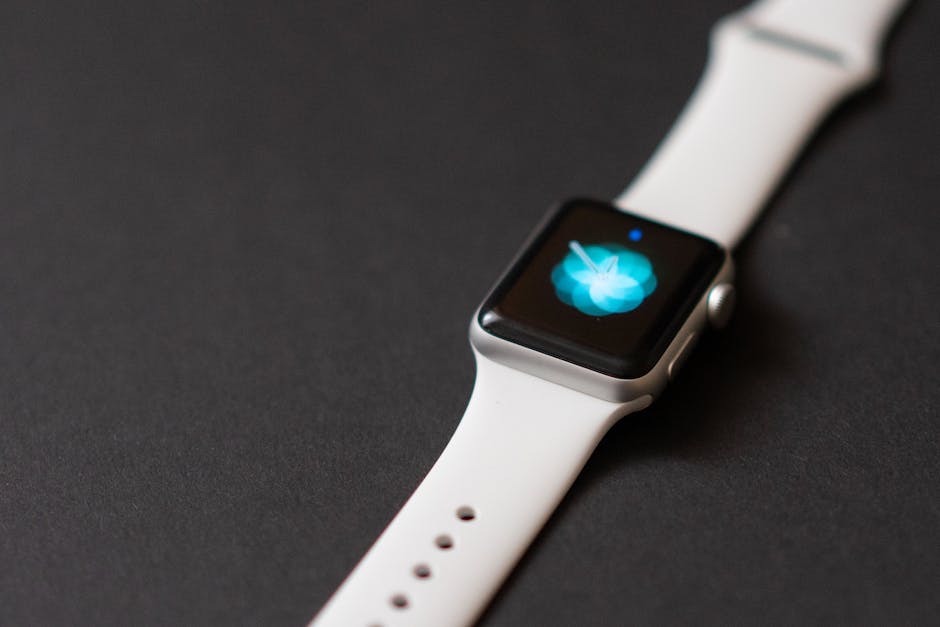
HRV explained wearable comes down to this: HRV reflects the variability in time between heartbeats, influenced by autonomic nervous system activity. Wearables estimate HRV using sensor-derived beat timing—often from optical sensors during rest or sleep. The resulting metric (commonly RMSSD) can change with stress, sleep quality, illness, hydration, breathing, and training load.
For best interpretation, focus on trends, establish your personal baseline, and use HRV alongside sleep, resting heart rate, how you feel, and your workload. Avoid assuming that a single low or high day is meaningful, and remember that HRV is not a medical diagnosis. If symptoms accompany major or persistent changes, seek professional evaluation.
Prevention and healthy use: reducing noise in your HRV data
- Wear the device consistently: ensure stable fit and good skin contact, especially for optical sensors.
- Measure under similar conditions: prefer overnight HRV if you want comparability.
- Protect your sleep routine: consistent bedtime, reduced late caffeine, and limiting alcohol can improve recovery signals.
- Manage stress intentionally: breathing exercises and relaxation can support autonomic balance.
- Don’t overtrain based on one metric: use HRV as a guide to consider recovery, not as a command.
When used responsibly, HRV can be a useful window into how your body is adapting day to day—helping you notice stress and recovery patterns early, and respond with healthier habits.
23.05.2026. 19:26