

Signs Meditation Is Working: What to Expect and How to Tell

How to tell if meditation is working

Meditation progress isn’t always dramatic. Many people expect instant calm or a “blank mind,” then feel discouraged when their thoughts keep coming. In reality, meditation often works in subtle ways first: attention becomes more stable, emotional reactions soften, and stress becomes easier to notice before it takes over. The most reliable signs meditation is working are measurable in daily life—especially in how you respond to distractions, discomfort, and uncertainty.
This guide explains common indicators, why they happen, and what to do if your experience feels stuck. You’ll also learn how to track changes without turning meditation into another performance goal.
1) Your attention gets easier to return
One of the clearest signs meditation is working is improved ability to come back. In practice, you’ll still notice thoughts, sounds, and impulses. The difference is often in the “return” moment: you recognize distraction sooner, and you redirect your attention with less friction.
- Before: you drift and only realize you’ve drifted after a long stretch.
- After: you notice sooner—sometimes within seconds—and you can guide your focus back more consistently.
This skill is foundational. Even when meditation doesn’t feel relaxing, better noticing and returning builds attention regulation over time. If you’re practicing mindfulness of breathing, body sensations, or sound, pay attention to the frequency and speed of your “reset.”
2) You notice thoughts without immediately following them

Meditation can change your relationship with thoughts. Instead of being carried away by every mental event, you may start to observe them as experiences—mental chatter, worries, memories—rather than urgent instructions.
- You catch yourself thinking and can label it mentally (for example, “planning,” “worrying,” “remembering”).
- You feel a small gap between the thought and your reaction.
- Even if the thought is unpleasant, it loses some of its power.
This doesn’t mean thoughts stop. It means you’re less fused with them. That decoupling is one of the most meaningful signs meditation is working, because it directly affects stress and decision-making.
3) Emotional reactions become less intense or shorter
As attention strengthens, emotional regulation often improves. You might still feel anger, anxiety, or sadness, but the duration and intensity can shift. A common pattern is that the emotion rises, but you recover faster.
- Earlier: emotion builds and you stay in it for a long time.
- Later: you detect the onset sooner and can respond with more choice.
Some people also experience “more feeling” at first, especially if they’re learning to stay with sensations they previously avoided. If this happens, it can still be progress—provided you’re learning to observe rather than suppress.
4) Stress feels more manageable in real situations
A practical sign meditation is working is how you handle everyday stress. Notice whether you recover more quickly after conflict, deadlines, or unexpected changes. You may also see improved tolerance for discomfort—standing in line, waiting, or facing uncertainty without the same urge to escape.
Try reflecting on specific moments from the week:
- When something goes wrong, do you spiral faster or slower than before?
- Can you pause before reacting?
- Do you return to a steadier baseline sooner?
These are functional outcomes. Meditation trains your nervous system to recognize stress and shift attention in a healthier direction.
5) Sleep and rest improve (even if meditation isn’t “relaxing”)
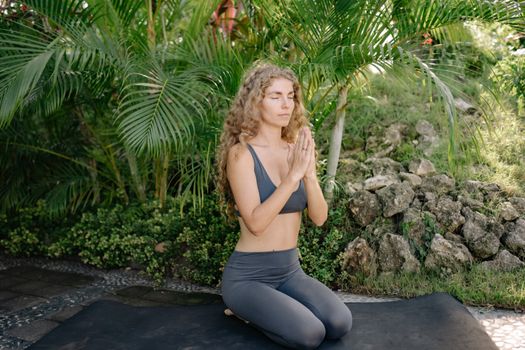
Many people report better sleep quality, fewer rumination loops at bedtime, or a calmer transition into rest. You might not feel sleepy during meditation, but you may notice that your mind is less “sticky” when you lie down.
- You can notice thoughts and let them pass without chasing them.
- Body tension decreases, or you become aware of tension earlier.
- You spend less time rehearsing worries in the evening.
If you’re using a guided practice or a meditation timer/app, treat the tool as a support for consistency—not a guarantee of results. The key indicator is the change in your pre-sleep mental habits.
6) Your everyday habits become more intentional
Meditation often shows up in small behavioral shifts. You may pause before checking your phone, notice cravings earlier, or choose actions that align better with your values.
- You interrupt automatic reactions more often.
- You become more aware of what triggers distraction or avoidance.
- Small decisions feel less driven by impulse.
This is a common “downstream” effect: attention training leads to greater choice. Over time, you may notice that you’re not only calmer—you’re more deliberate.
7) You experience more curiosity and self-compassion
Another sign meditation is working is a shift in how you relate to practice and yourself. Instead of judging every session as good or bad, you might develop a more curious, compassionate stance: “This is distraction,” “This is resistance,” “This is restlessness.”
That attitude matters. If you can meet difficult moments with steadiness rather than self-criticism, you’re building emotional resilience, not just concentration.
What progress can feel like (and why it isn’t always peaceful)
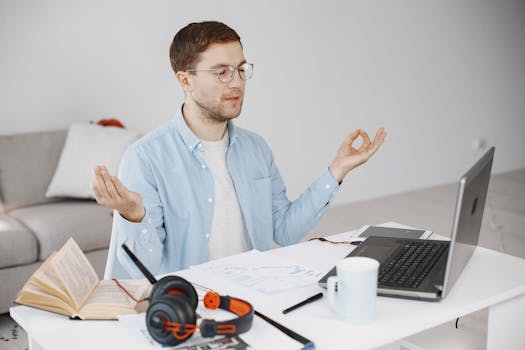
It’s normal for meditation to include uneven experiences. Some sessions feel clear; others feel restless or uncomfortable. Progress doesn’t require bliss. It’s often more accurate to expect a training process that includes:
- More awareness of distractions: you notice internal noise that used to remain unnoticed.
- Rising discomfort: you become aware of stress held in the body.
- Fatigue or emotional release: especially when you sit with sensations for the first time.
If you feel worse right after meditating, consider whether you’re using an approach that’s too intense for your current capacity. Many people benefit from shorter sessions, softer focus, or grounding practices that emphasize posture and sensation rather than deep introspection.
Practical ways to track the signs meditation is working
Tracking progress can be simple and non-judgmental. The goal is to observe patterns, not prove you’re doing it “right.”
Use a brief weekly reflection
Once a week, answer a few questions:
- Did I notice distraction sooner during practice?
- Did I recover faster after stress during the week?
- Did sleep or evening rumination improve?
- Did I respond to emotions with more choice?
Look for trends over weeks, not day-to-day fluctuations.
Track “return time,” not just calm
During a session, you can gently note whether you’re returning quickly or getting lost. For example, you might notice whether you recognize distraction within a few breaths or only after several minutes.
This can be especially helpful if you’re using a mindfulness app that offers a timer, bell cues, or structured sessions. The cueing can support consistency, but the meaningful metric is your awareness of the return moment.
Keep sessions short and consistent
Many people progress faster with regular, manageable practice than with occasional long sessions. If you’re starting out, consider building a routine you can sustain—such as 5–10 minutes most days. Consistency makes it easier to notice the subtle changes that signal meditation is working.
Common reasons meditation feels like it’s not working
Sometimes people assume meditation isn’t working when they’re actually learning. But there are also practical reasons progress may feel slow.
- Unrealistic expectations: wanting a blank mind or instant calm can create frustration.
- Inconsistent practice: skipping days can make it harder to see patterns.
- Too much intensity: long sessions or overly challenging techniques can overwhelm you.
- Focusing on results: monitoring your “performance” can interfere with awareness.
If you’re stuck, adjust one variable at a time: shorten the session, practice more gently, or use a simpler anchor (like breath sensations at the nostrils or the rise and fall of the chest).
Safety and prevention guidance

Meditation is generally safe for most people, but certain experiences deserve care. If you have a history of trauma, severe anxiety, panic, or dissociation, consider practicing with guidance from a qualified instructor or therapist who understands trauma-informed approaches.
- If meditation triggers intense distress, reduce session length and use grounding (feeling your feet, noticing external sounds).
- Avoid pushing through overwhelming emotions without support.
- If symptoms worsen significantly or persist, seek professional help.
Prevention also includes maintaining good sleep, hydration, and stress management outside of meditation. Meditation trains attention, but it doesn’t replace mental health care when it’s needed.
Summary: recognizing the real signs meditation is working
The signs meditation is working are often subtle but consistent: you notice distraction sooner, return to your focus more easily, and relate to thoughts and emotions with more space. Over time, stress recovery improves, sleep may become calmer, and daily choices become more intentional. Progress can include discomfort too—especially as you build awareness—so it’s helpful to measure change by awareness and recovery, not by constant relaxation.
If you’re unsure whether your practice is helping, track return time, emotional recovery, and weekly patterns. With steady practice and appropriate pacing, the benefits typically become clearer in everyday life.
14.02.2026. 05:28