

Resting Heart Rate vs HRV: What They Reveal About Your Health

Why resting heart rate and HRV are often confused
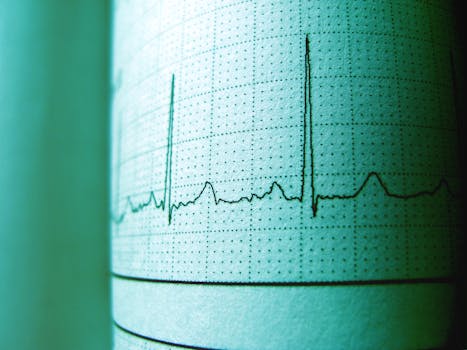
Two numbers frequently show up when people track cardiovascular and recovery signals: resting heart rate (RHR) and heart rate variability (HRV). They’re related to heart function, but they reflect different biological processes. RHR is largely about how “hard” your cardiovascular system is working at rest, while HRV reflects the timing pattern of heartbeats and how flexibly your body can adapt to demands.
Because both measures can change with stress, sleep, illness, training, and hydration, it’s easy to assume they mean the same thing. In reality, resting heart rate vs HRV is best understood as two complementary windows into your autonomic nervous system (ANS). When you interpret them together—especially as trends over time—you can make more informed decisions about recovery, emotional regulation, and when to pay attention to underlying stressors.
This guide explains what each metric measures, how to interpret common patterns, and how to use them practically and safely.
What resting heart rate measures at rest
Definition and what’s being captured
Your resting heart rate is the number of heartbeats per minute when you’re at rest. Many wearables estimate it during a specific period (often overnight or while you’re inactive). Physiologically, RHR is influenced by:
- Autonomic balance (sympathetic vs. parasympathetic activity)
- Fitness and conditioning
- Sleep quality
- Stress and mental load
- Hydration status and electrolyte balance
- Illness, inflammation, and fever
- Medications (including beta-blockers and some antidepressants)
Why RHR can rise during stress
When the body is under threat—physical or psychological—the sympathetic branch of the ANS tends to increase. Even if you don’t feel “panicked,” your body may shift into a more alert state. That can raise resting heart rate. RHR can also climb when you’re under-slept, dehydrated, or experiencing elevated inflammation.
Conversely, with consistent aerobic conditioning and effective recovery, many people see lower RHR over time. However, “lower” isn’t automatically “better.” An unusually low RHR can be normal for some individuals, but it can also reflect medication effects or, in certain contexts, illness-related changes. Interpretation matters.
How RHR is typically tracked
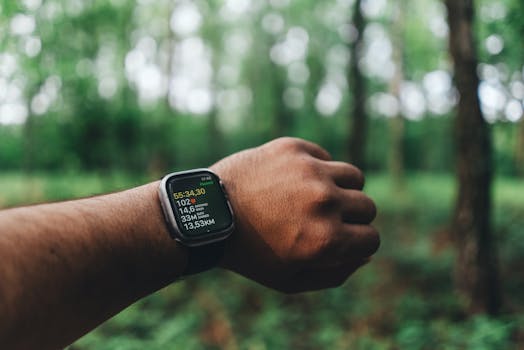
Most consumer devices don’t measure RHR exactly the same way each day. Some estimate it during sleep; others use daytime inactivity windows. That’s why consistency in measurement conditions matters. If your wearable calculates RHR from different states (for example, restless sleep vs. deep sleep), day-to-day comparisons may be noisy.
What HRV measures—and why it’s not “just another heart rate number”
Definition of HRV
Heart rate variability refers to the variation in time intervals between consecutive heartbeats. If your heart beats at perfectly regular intervals, HRV is low. If the timing varies meaningfully, HRV is higher. Importantly, HRV is not about weakness or strength of the heart muscle in the usual sense. It’s about the nervous system’s ability to modulate cardiac timing.
Autonomic nervous system flexibility
Your ANS coordinates physiological “readiness.” The parasympathetic system (often associated with rest-and-digest) and the sympathetic system (often associated with mobilization) alternate in a dynamic way. When your body can smoothly shift between states, HRV tends to be higher. When your system is stuck in a more uniformly activated pattern—common during chronic stress, poor sleep, or overreaching—HRV often drops.
Common HRV metrics and why they differ
Wearables may present HRV using different methods, such as:
- RMSSD (often used in consumer devices; reflects short-term variability)
- SDNN (standard deviation of NN intervals; more influenced by longer recordings)
- LF/HF ratios (more complex and sometimes less consistent across devices)
Two devices can show different HRV values even for the same person because of how they detect beats, filter noise, and define measurement windows. For that reason, the most reliable approach is to track your own baseline and trends using the same device and settings.
Why HRV can decrease when you feel “fine”
HRV is sensitive to physiological load. You might not consciously notice stress if it’s subtle (for example, ongoing worry, increased caffeine, or the physical strain of training). HRV may decline before you feel overt symptoms. That makes HRV useful for early detection—though it’s not diagnostic on its own.
Resting heart rate vs HRV: how they relate to stress and recovery
Different signals, overlapping causes
RHR and HRV can both change with stress and recovery, but they often respond differently. A simplified way to think about it:
- RHR often reflects how activated your system is at rest (a more “level” measure).
- HRV often reflects how adaptable or regulated your system is (a more “pattern” measure).
They can move in the same direction during illness or intense training, but not always. For example, you could have a modest rise in RHR while HRV drops significantly, or vice versa, depending on sleep, hydration, baseline fitness, and individual autonomic patterns.
Common pattern examples
These are not universal rules, but they’re useful starting points:
- HRV down + RHR up: often seen during periods of high stress load, poor sleep, infection, or overreaching.
- HRV down while RHR stays stable: may suggest increased autonomic strain without a major resting activation shift—sometimes related to mental stress, caffeine timing, or uneven recovery.
- HRV up + RHR stable or slightly lower: often associated with good recovery, consistent sleep, and reduced physiological load.
- RHR down while HRV is flat: can occur with improved conditioning, but HRV may remain influenced by other factors (for example, persistent life stress or medication effects).
Why emotional regulation is relevant
Mood and emotional regulation depend partly on autonomic state. When HRV is higher, many people experience better capacity to shift out of stress responses—meaning they may recover faster after upsetting events. When HRV is consistently low, stress reactivity can feel stronger, and return to baseline can take longer.
RHR can also influence emotional experience, but it’s less directly tied to “flexibility.” HRV is often more informative for how quickly the body can downshift after activation—an important feature for emotional regulation.
How to interpret trends without overreacting
Use baselines and time windows
Single-day changes are often influenced by measurement variability, alcohol, caffeine, hydration, travel, or a restless night. Instead of judging from one metric on one morning, look at:
- 7-day averages or rolling trends
- directional change (up/down compared to your own baseline)
- consistency (how many days the pattern persists)
A practical “decision rule” for everyday life
Consider the following approach:
- If RHR increases and HRV decreases together for several days, treat it as a sign your system is under load. Prioritize sleep, hydration, and stress reduction; consider lowering training intensity.
- If HRV drops but RHR doesn’t change, review recent factors: late caffeine, irregular sleep schedule, intense mental stress, dehydration, or missed meals.
- If RHR is elevated alone, check for confounders like poor sleep timing, illness symptoms, or medication timing changes.
This is not a diagnosis. It’s a way to respond thoughtfully to patterns that often correlate with recovery status.
Measurement quality matters
Wearables can misread due to motion artifacts, poor skin contact, tattoos, cold hands, or loose bands. HRV calculations are particularly sensitive to beat detection accuracy. If you see abrupt HRV spikes or drops that don’t match how you feel, it may be a tracking issue rather than a true physiological change.
To improve reliability:
- Use the same device and placement consistently.
- Check that the band is snug enough for stable contact.
- Compare trends rather than absolute numbers.
- Be cautious when sleep is fragmented or shortened.
What can cause changes in resting heart rate

Sleep and circadian disruption
Sleep quality is one of the most consistent drivers of both RHR and HRV. If you get less deep sleep or have frequent awakenings, RHR may rise and HRV may fall. Jet lag and schedule changes can also shift autonomic tone.
Illness and inflammation
Early illness often shows up as elevated RHR, reduced HRV, or both. Even mild viral infections can alter autonomic regulation. If you notice sustained changes alongside symptoms (sore throat, fatigue, feverish feeling), consider resting and monitoring rather than pushing training.
Hydration, electrolytes, and caffeine
Dehydration can increase cardiovascular strain, sometimes raising resting heart rate. Caffeine can also raise heart rate and affect HRV, especially if consumed later in the day. Alcohol can disrupt sleep architecture and reduce HRV the next day.
Medications and stimulants
Beta-blockers can lower RHR and affect HRV patterns. Stimulants (including some ADHD medications) can raise heart rate or alter autonomic balance. If you start, stop, or adjust medication, expect changes that may not reflect your baseline recovery capacity.
What can cause changes in HRV
Stress load—mental and physical
HRV often responds strongly to psychological stress. Even when you’re functioning well, ongoing rumination, work pressure, or relationship strain can reduce parasympathetic influence and lower HRV.
Training stress and overreaching
During intense training blocks, HRV commonly declines and gradually returns as recovery improves. If HRV remains low while RHR rises or training quality worsens, it may indicate insufficient recovery.
Respiration and breathing patterns
Breathing rate and depth can influence HRV, especially in short recordings. Some people show higher HRV when they naturally breathe slower at night. This is one reason HRV can shift with changes in nasal breathing, sleep position, or congestion.
Alcohol, food timing, and blood sugar swings
Alcohol can reduce HRV by disrupting sleep and autonomic regulation. Late heavy meals may also affect comfort and sleep quality, indirectly influencing HRV.
Practical guidance for using resting heart rate vs HRV in daily decisions
Pair the metrics instead of choosing one
RHR and HRV each have limitations. Using them together improves context. For example:
- HRV drop with stable RHR may call for stress-management and sleep improvements rather than assuming a major cardiovascular issue.
- RHR rise with HRV drop often suggests higher overall load—consider recovery-focused days.
Use HRV to guide recovery intensity
Many people find HRV helpful for deciding whether to do a hard workout or choose a lighter session. A conservative approach is to treat sustained low HRV as a cue to:
- reduce intensity or volume
- prioritize mobility and easy aerobic work
- increase sleep opportunity
- limit additional stressors (late caffeine, alcohol)
Because HRV varies by individual, the best “threshold” is your own baseline and how quickly your body typically rebounds.
Use RHR to check for physiological strain
RHR can be useful for spotting days when your body is more activated than usual. If RHR is elevated consistently, it may reflect illness, dehydration, or cumulative fatigue. In those cases, you might choose lower-impact movement, hydration, and rest.
Support autonomic balance with evidence-based habits
Regardless of the specific numbers, the behaviors that tend to improve autonomic regulation often include:
- Consistent sleep schedule (especially wake time)
- Regular physical activity, not just occasional intense sessions
- Stress reduction practices such as paced breathing, mindfulness, or relaxation training
- Hydration and reasonable caffeine timing
- Recovery days built into training plans
Some people use biofeedback-style breathing features offered by certain wearable platforms to practice slower breathing. These tools can be helpful for learning how HRV responds to controlled breathing, but they should be used as education and practice rather than as a sole “score.”
When to seek medical guidance
Wearable metrics can be informative, but they are not a substitute for clinical evaluation. Consider contacting a healthcare professional if you have:
- chest pain, fainting, severe shortness of breath, or sustained palpitations
- a sudden, persistent pattern of concerning heart rate changes accompanied by symptoms
- new symptoms of illness that don’t improve with rest
- significant medication changes or known cardiovascular conditions
If your RHR is consistently abnormally high for you, or HRV is persistently very low without an obvious lifestyle explanation, it’s reasonable to discuss it with a clinician—especially if you’re also experiencing fatigue, dizziness, or reduced exercise tolerance.
Summary: using resting heart rate vs HRV as a recovery compass
Resting heart rate and HRV both relate to your autonomic nervous system, but they answer different questions. Resting heart rate is closer to how activated your body is at rest, while HRV is closer to how flexibly your body can regulate heartbeat timing in response to changing demands. When you interpret resting heart rate vs HRV together—especially as trends across days—you gain a more accurate picture of stress load and recovery status.
For mood and emotional regulation, HRV is often especially relevant because it reflects the body’s capacity to shift out of stress states and return toward baseline. The most practical strategy is to focus on consistent patterns, improve the fundamentals (sleep, hydration, paced stress reduction, and recovery), and seek medical guidance when heart-related symptoms or unusual changes occur.
FAQ: resting heart rate vs HRV
Is lower HRV always bad?
Not always. HRV naturally varies with sleep quality, stress, training load, and even breathing patterns. Persistent low HRV compared with your baseline—especially alongside elevated RHR or symptoms—can suggest higher physiological stress, but a single low day isn’t enough to conclude anything.
Can HRV improve without changing workouts?
Yes. Sleep consistency, reduced late caffeine, hydration, improved recovery routines, and stress management can all increase HRV. If your current training load is already stable, these factors may be enough to shift autonomic regulation.
Why does my RHR go up even when I feel okay?
RHR can rise due to poor sleep, dehydration, alcohol, caffeine timing, short-term illness, or increased mental stress. Wearable estimation can also vary depending on the measurement window.
Do different wearables measure HRV the same way?
No. Devices may use different algorithms, sensors, and time windows. For best accuracy, compare HRV values within the same device over time rather than across different platforms.
Should I stop training if HRV drops?
Not necessarily. A common approach is to reduce intensity or volume when HRV is low for multiple days, especially if RHR is elevated or performance feels worse. If symptoms appear or HRV drops sharply with illness signs, prioritize rest.
What’s the best way to track trends for resting heart rate and HRV?
Track your own baseline over at least a few weeks, then review rolling averages (such as 7-day trends). Focus on consistent direction changes rather than one-off fluctuations, and note major lifestyle changes like travel, sleep disruption, or medication adjustments.
18.04.2026. 06:23