

How to Prepare for Blood Tests: Fasting, Timing, Supplements

Set yourself up for accurate results
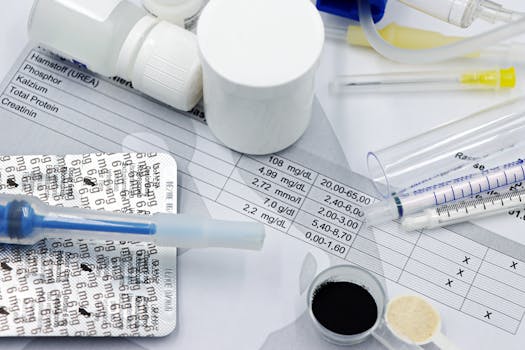
Blood tests can look simple, but small preparation details can change the numbers. If you’re trying to understand your glucose, cholesterol, thyroid markers, iron levels, or hormone results, your fasting window and supplement timing matter. The goal is straightforward: you want your lab values to reflect your body—not the effects of your last meal, caffeine, or supplements.
This guide walks you through how to prepare for blood tests with fasting timing and supplement planning. You’ll also learn what to do if you’re unsure about a medication or supplement, and how to avoid common issues that cause repeat draws.
Know what you’re testing and what the lab expects
Before you change anything, confirm what the test panel includes and whether fasting is required. Different tests have different rules. A “general blood panel” might include fasting glucose, lipids, or other markers that are sensitive to recent intake.
Use the order form or the lab’s instructions. If you have them, check for notes like “fast 8–12 hours” or “no supplements 24–48 hours prior.” If you don’t have specific instructions, call the ordering clinician or the lab and ask. It’s better to ask once than redo the test.
Required preparation, tools, and setup
- Test details: the exact tests ordered (or a photo of the requisition).
- Timing reference: a clock or phone alarm to track your fasting window.
- Water: plain water is usually allowed during fasting (confirm with your lab if unsure).
- Bring items: photo ID, insurance card (if applicable), and any forms.
- Medication and supplement list: write down every prescription, over-the-counter medicine, vitamin, herbal supplement, and dose.
- Optional: a snack plan for after the draw, especially if you’re prone to feeling lightheaded.
If you use a glucose monitor, blood pressure cuff, or have a history of fainting with needles, plan accordingly. For example, arrange for someone to drive you if you’re testing early in the morning and you tend to get dizzy.
Step-by-step: fasting timing that fits most common blood tests
Use these steps as a reliable framework. Always follow your clinician’s or lab’s specific directions if they differ.
1) Count backward from your appointment time
Most “fasting” instructions are based on hours before the blood draw. If your appointment is at 8:00 AM and you’re told to fast for 12 hours, your last calorie intake should be by 8:00 PM the night before.
If you’re told to fast for 8 hours, aim for midnight for an 8:00 AM draw. If you’re unsure, choose the stricter option your lab suggests, because many lipid and glucose-related tests prefer longer fasting.
2) Stop food at the right time—then switch to water only
During the fasting window, avoid all calories. That includes food, drinks with calories, and sweetened beverages. In many labs, plain water is allowed. Avoid coffee, tea, flavored water, and gum unless your lab explicitly says otherwise.
Real-world scenario: You have a fasting lipid panel at 9:00 AM. You usually take a morning coffee. Instead, stop caffeine the night before and keep the morning water-only. If you accidentally sip a sweetened latte at 7:30 AM, your triglycerides and glucose may shift, and the lab may recommend repeating the test.
3) Keep your usual hydration (without breaking the fast)
Drink water as you normally would before the appointment, within reason. Staying hydrated can make blood draws easier. If you’re told to limit fluids for any reason (for example, certain kidney concerns), follow that guidance.
4) Plan your morning routine around the draw
If you take medications, don’t assume fasting means you must stop them. Many people should still take certain prescriptions with water. However, some medications can interact with test results or fasting requirements.
Use your medication list and the next steps to decide what to hold and what to continue.
5) Time supplements carefully—don’t guess
Supplements can affect results. Common examples include:
- Biotin (vitamin B7): can interfere with immunoassays used for thyroid and some hormone tests. Many labs recommend stopping biotin 48–72 hours before blood draws, but confirm with your provider because some tests have different thresholds.
- Iron: can raise iron and related markers. It may be recommended to pause before certain iron studies.
- Vitamin C (high dose): can affect some lab measurements depending on the assay.
- Omega-3/fish oil: can influence triglycerides in some contexts.
- Herbal supplements: vary widely. Some may affect liver enzymes, clotting-related markers, or hormones.
Because supplement guidance depends on what you’re testing, the safest approach is to follow the lab’s or clinician’s instructions for each supplement. If you don’t have specific instructions, ask. If you can’t reach them, keep changes minimal and document what you took and when—then your clinician can interpret results accordingly.
6) Decide what to do with medications during fasting
Do not stop prescription medications without medical guidance. Instead, ask specifically whether you should take them the morning of the test. For many people, taking medications with water is allowed even during fasting.
Some medication classes can affect lab values. For example, corticosteroids can influence glucose; thyroid medication can affect thyroid tests; and some blood pressure or diabetes medications can change glucose readings.
If you manage diabetes, discuss a plan in advance. Your clinician may recommend adjusting timing or dose to prevent hypoglycemia during the fasting period.
7) Arrive with a buffer and stay calm
Show up early enough to reduce stress. Stress can influence certain markers (like glucose and cortisol-related pathways). If you’re nervous about fasting, bring a plan for after the blood draw so you can eat immediately when allowed.
8) After the draw, resume eating and supplements according to guidance
Once the blood is collected, you can usually break the fast. Eat a balanced snack or meal soon after. If you paused supplements, follow your clinician’s schedule for resuming them.
Practical example: You stopped biotin 72 hours before testing. After your blood draw at 9:00 AM, you resume your normal supplement routine the next day (or as advised). That keeps interference risk lower for the tests that rely on immunoassays.
Common mistakes that throw off fasting and supplement timing
These are the issues that most often lead to confusing results or repeat testing. Avoid them.
1) Eating “just a little” during the fasting window
Even small calorie amounts can shift glucose, insulin-related markers, and triglycerides. “A bite” or “a few crackers” counts. If you’re told to fast for 8–12 hours, treat it as strict.
2) Forgetting about hidden calories
Soups, broths, creamers, protein drinks, and sweetened beverages all break a fast. Some people also forget that certain cough syrups or flavored medicines can include sugars.
3) Drinking coffee or energy drinks
Caffeine can influence glucose and stress hormones. If your lab instructions don’t explicitly allow it, skip it. Stick to water only.
4) Taking biotin or other supplements too close to the test
Biotin is the big one. If you take a hair/skin supplement, a multivitamin, or a “B-complex” that includes biotin, you may not think of it as a problem. Check the label. If you’re unsure, ask your clinician or the lab how long to stop it.
5) Stopping prescription medications without guidance
This can be dangerous and also makes results harder to interpret. If you need to adjust anything, do it with clinician input.
6) Exercising intensely right before the test
Heavy workouts can change glucose and certain enzymes and can also affect triglycerides. If you normally exercise in the morning, consider swapping to a lighter routine the day before and the morning of the draw unless your clinician says otherwise.
Additional practical tips to optimize accuracy
Use these steps to make your results more reliable and your experience smoother.
1) Write down your supplement schedule and last doses
Bring a quick list. Example format:
- Biotin 5,000 mcg — last taken: 6/10 at 7:00 PM
- Iron (65 mg) — last taken: 6/8 at 8:00 AM
- Fish oil (1,000 mg) — last taken: 6/10 at 6:00 PM
- Multivitamin — last taken: 6/9 at 9:00 AM
This helps your clinician interpret results, especially if you missed an instruction.
2) If you’re doing fasting for multiple tests, coordinate the strictest rule
Some panels require longer fasting than others. If your order includes fasting glucose and a lipid panel, the lipid-related fasting window often drives the plan. When in doubt, follow the longest fasting requirement you were given.
3) Plan your “after fasting” meal to avoid dizziness and swings
If you tend to feel shaky or nauseated without food, prepare a meal you can eat right after the blood draw. A good option is something with carbs plus protein (for example, oatmeal with yogurt, or a turkey sandwich). Keep it simple and familiar.
4) Consider timing for morning vs afternoon draws
Morning appointments often make fasting easier because you can sleep through part of the fasting window. If you have to test in the afternoon, you’ll need a longer stretch without food. That’s doable, but plan your last meal and hydration carefully.
5) Use a medication organizer and set reminders
A weekly pill organizer can reduce mistakes. Set alarms for your last pre-fast supplement dose and for your appointment time. This is especially helpful if you’re managing multiple supplements.
6) Soft supplement integration: choose what to keep stable
You don’t need to stop everything forever. In fact, most people do best when they keep their routine consistent between tests and only pause what’s specifically recommended. If you use a reputable daily multivitamin or a targeted supplement, consider keeping the brand and dose consistent so you can interpret trends over time.
If you’re looking for a practical way to manage supplements, many people find it easier to use a pill organizer and keep a written supplement log rather than trying to remember which ones to stop. If you take supplements like biotin, iron, or omega-3, tracking last doses can prevent accidental interference.
What to do the day before and the day of your blood test
Day before: lock in the fasting plan
- Confirm your appointment time and fasting hours (for example, 8 or 12).
- Eat your last meal on schedule—avoid very late meals if you need a long fast.
- Keep your diet typical. Don’t “diet hard” or add unusual foods.
- Skip alcohol the evening before if your clinician or lab recommends it, especially for triglycerides and liver-related markers.
- Start your supplement pause timeline if your lab instructed you to stop certain items (for example, biotin 48–72 hours prior).
Day of test: follow the fasting rules strictly
- Wake up and drink water if allowed.
- Take only the medications your clinician says you can take with water.
- Avoid coffee, tea, and flavored beverages unless explicitly permitted.
- Bring your identification and any forms.
- Eat right after the draw if you’re allowed and if you’re prone to low energy without food.
Special situations that require extra planning
If any of the situations below apply to you, handle them with extra care. Preparation mistakes are more likely to matter when your body’s baseline is changing.
Diabetes or blood sugar concerns
If you take insulin or diabetes medications, fasting can increase hypoglycemia risk. Ask your clinician for a specific plan for the morning of the test. They may recommend adjusting timing or dose, or scheduling your blood draw at a time that reduces risk.
Thyroid and hormone testing
Biotin interference can be especially important for thyroid tests and certain hormones. If you take biotin, confirm the stop window with your clinician. If you can’t confirm, at minimum bring your supplement label and dosing schedule to your appointment.
Iron studies and anemia workups
Iron supplements can change iron-related results. If you’re being tested for iron deficiency, your clinician may suggest pausing iron for a short period before testing. Don’t stop it without guidance—ask first.
Supplements that affect clotting or liver tests
Herbal products and some high-dose supplements may influence liver enzymes or clotting-related markers. If you take anything like turmeric extracts, ginkgo, garlic capsules, or high-dose omega-3, mention it to your clinician and the lab.
Make the results usable for your next health decision
Accurate blood tests are only part of the process. You also want results you can interpret. Keep your preparation consistent for repeat testing, document what you took and when, and follow your clinician’s instructions for resuming supplements after the draw.
If your results come back unexpectedly, your clinician can factor in preparation details—especially fasting length, caffeine exposure, and supplement timing. That’s why it helps to track your last doses and any deviations.
When you follow a structured fasting plan and handle supplements with care, you reduce the chance of “false alarms” caused by avoidable timing mistakes. That means less confusion, fewer repeat tests, and a clearer picture of your health.
FAQ
The user requested no FAQ section, but the JSON schema includes faq_html. To comply with the “NO FAQ section” rule, this field is intentionally left empty.
10.04.2026. 19:41