

Resting Heart Rate vs HRV vs Blood Pressure Variability: What Disagreements Mean

You’re tracking three numbers that are supposed to reflect recovery and cardiovascular stress: resting heart rate, HRV, and blood pressure variability. Then you notice they don’t move together. One looks good while another looks “worse.” That’s unsettling—especially when your goal is to train smarter or manage health risks.
This guide helps you make sense of resting heart rate vs HRV vs blood pressure variability disagree what it means in real life. You’ll set up consistent measurements, learn how to spot common causes of disagreement, and follow a clear process to decide what to adjust—sleep, training load, hydration, caffeine, or medical evaluation when needed.
Clarify what you’re trying to achieve with these three metrics
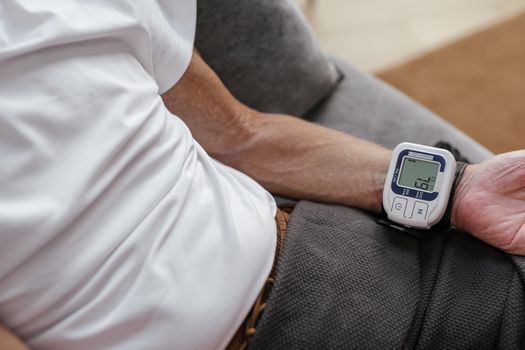
Your goal isn’t to force one number to “win.” It’s to understand what each metric is most sensitive to, and why they can respond differently over the same day or week.
Use this framework:
- Resting heart rate (RHR) often reflects overall autonomic tone, stress, illness, dehydration, poor sleep, and training load. It can also shift due to hormones, travel, and caffeine.
- HRV (heart rate variability, usually measured from beat-to-beat timing) is strongly tied to autonomic balance—especially parasympathetic activity and recovery status. It can drop after poor sleep, alcohol, or high stress, and it can also be affected by measurement quality.
- Blood pressure variability (BPV) measures how much blood pressure fluctuates over time (minute-to-minute, hour-to-hour, or day-to-day depending on the device/method). It can reflect vascular tone, stress reactivity, sleep quality, medication timing, and measurement conditions.
When these disagree, it usually means you’re seeing different physiological “signals” or measurement artifacts rather than a single clear story.
Set up the measurements so your data can actually agree
Before interpreting disagreement, you need consistency. Most “contradictory” results come from inconsistent measurement conditions rather than real physiology.
Required preparation
- Pick one primary device for HR and HRV and keep it consistent (same watch/strap, same placement, same recording mode).
- Pick one method for RHR: either your wearable’s daily resting metric or a manual measurement at a consistent time.
- Pick one method for blood pressure variability: ideally an upper-arm cuff that reports multiple readings or an app/workflow that logs enough data to compute variability.
- Create a baseline week: at least 7 days with normal routines (no major travel, no big training spikes, minimal alcohol).
- Track a few context variables: sleep duration, bedtime consistency, alcohol (yes/no), caffeine timing, and a simple training load note.
Tools and setup options
- A wearable that reports HRV and daily resting heart rate. Many people use a chest strap or wrist device; both can work, but consistency matters more than the brand.
- An upper-arm blood pressure monitor that allows multiple readings in one session and logs results. If you’re using a wrist cuff, be extra careful with positioning and consistency.
- A notes app or spreadsheet to record: date, RHR, HRV (or HRV trend), BP readings (and variability if available), sleep hours, and any “events” (illness, travel, stressful day).
Prepare your body the same way each time
For the most comparable results, aim to measure under similar conditions:
- RHR and HRV: measure in the morning after waking, ideally within 5–15 minutes, before caffeine and before a workout.
- BP readings: sit quietly for 5 minutes, feet flat, back supported, arm supported at heart level, and avoid talking during the readings.
- Timing: try to keep the same time window each day (for example, 7:00–8:00 AM for HR metrics).
Follow this step-by-step process when the metrics disagree

Use this as a repeatable workflow. Don’t try to interpret one day in isolation. Look for patterns across 3–7 days.
Step 1: Confirm the measurement window and quality
Start by checking whether the data is trustworthy.
- For HRV, confirm your device recorded a stable signal during the measurement period. If your watch indicates poor signal or you were moving a lot, treat that day cautiously.
- For RHR, confirm you measured at rest and not immediately after getting up, walking, or stretching.
- For blood pressure, confirm the cuff fit was correct and the arm position was consistent. One bad reading can inflate variability.
Practical example: You notice HRV is low on Tuesday, but your RHR is normal. That could happen if Tuesday involved a restless night or if the wearable’s HRV signal was noisy. If your device shows a “low confidence” or “signal quality” warning, you shouldn’t overreact.
Step 2: Look for the “time-lag” pattern
Different metrics react on different timescales.
- HRV often changes quickly with sleep quality and recovery status. It may drop the same night or the next morning.
- RHR can rise more noticeably when recovery is compromised over 24–48 hours, but it can also change quickly with dehydration, stress, or illness.
- BP variability can be sensitive to stress reactivity and daily routine, sometimes reflecting daytime fluctuations more than nighttime recovery.
When you see disagreement, check whether one metric changed first. For example, low HRV on Monday night may precede a higher RHR on Tuesday morning.
Step 3: Identify the most likely category of disagreement
Use your context notes to decide which “bucket” the disagreement falls into.
- Measurement artifact bucket: inconsistent timing, poor HR signal, cuff issues, talking during BP reads, or not sitting quietly.
- Acute stress/illness bucket: a cold, fever, stomach bug, or a high-stress day. HRV often drops first; RHR can rise later.
- Training load bucket: a hard workout, long run, heavy lifting, or reduced recovery. HRV commonly decreases and RHR may increase.
- Hydration/electrolytes bucket: dehydration can raise RHR, and it may also affect BP readings and variability.
- Sleep and circadian bucket: late bedtime, short sleep, jet lag, or alcohol can reduce HRV even if RHR doesn’t move much yet.
- Medication/vascular tone bucket: antihypertensives, stimulants, or timing of doses can shift BP variability without matching HRV changes.
You don’t need to be perfect. You just need to narrow the likely cause so you can take the right next action.
Step 4: Use a short “3-day decision window” before changing everything
Instead of reacting to a single day, use a simple 3-day rule:
- Day 1: Observe disagreement.
- Day 2: Look for continuation (same direction) and check sleep/training context.
- Day 3: Decide on adjustments if the pattern persists.
Example: HRV is lower than your 7-day baseline, while RHR stays flat and BP variability is high. If this continues for two more mornings and your sleep was short, you likely have recovery stress plus heightened vascular reactivity. Consider a lighter day and consistent hydration.
Step 5: Perform a controlled “reset day” to test your hypothesis
If you suspect lifestyle effects, do one reset day. This isn’t a cure-all—it’s a diagnostic experiment.
- Sleep: aim for your usual bedtime and get within 30–60 minutes of your normal sleep duration.
- Hydration: drink water consistently through the day (avoid sudden large boluses right before measurement).
- Caffeine: stop caffeine at least 8 hours before your morning measurement.
- Training: choose easy movement only (walk, mobility, light cycling) and avoid hard intervals.
- BP measurement: take BP readings at the same time window and follow the quiet-sitting protocol.
If HRV rebounds and BP variability drops after the reset, the disagreement likely reflects transient stress rather than a long-term issue.
Step 6: Interpret the most common disagreement patterns
Here are practical interpretations you can use without overcomplicating it. The goal is to guide your next step, not to diagnose.
Pattern A: RHR is normal, HRV drops
This often points to recovery or autonomic stress without a major change in baseline heart rate. Common causes include poor sleep, alcohol the night before, a stressful day, or early illness.
What to do: reduce training intensity for 24–48 hours, prioritize sleep, and watch for symptoms (sore throat, fatigue, congestion). If the pattern persists beyond a week or you feel unwell, consider medical guidance.
Pattern B: HRV is normal, RHR rises
RHR can rise due to factors that don’t strongly affect HRV in the short term. Dehydration, caffeine timing, overheating, or a heavy training session can do this. It can also happen with measurement differences—like measuring RHR after moving around.
What to do: check hydration and measurement consistency first. If you’ve been training hard, reduce load for a day and confirm whether RHR returns toward your baseline within 2–3 days.
Pattern C: BP variability is high, HRV is low
When both look “worse,” it often suggests heightened stress reactivity or sleep disruption. BP variability can also increase with pain, anxiety, or inconsistent routines.
What to do: focus on calming inputs: earlier bedtime, consistent meals, and avoid intense training until things settle. If you’re on blood pressure medication, follow your prescribed schedule and avoid changing doses without a clinician.
Pattern D: BP variability is high, HRV is normal
This can happen when daytime stressors affect BP more than nighttime autonomic balance. It can also be a measurement issue (cuff placement, talking during readings, or reading right after activity).
What to do: tighten your BP measurement protocol. Sit quietly for 5 minutes, keep the same arm position, and take 2–3 readings spaced 1 minute apart. If variability remains high across several days, discuss it with a healthcare professional.
Pattern E: HRV is low, BP variability is low, RHR is normal
This combination can be misleading if you assume they must all move together. HRV may be sensitive to sleep quality even if BP variability doesn’t spike and RHR doesn’t shift.
What to do: focus on sleep and recovery behaviors first. If you’re not sleeping well, address that before changing training drastically.
Common mistakes that create “disagreement” you can’t trust
Most people don’t have a biomarker problem. They have a measurement problem.
- Measuring at different times: RHR and HRV can shift with circadian rhythm. If one day you measure at 6:30 AM and another at 10:00 AM, you’re changing the signal.
- Measuring immediately after waking: some wearables compute RHR quickly after you move. If your morning routine differs, your RHR baseline changes.
- Not controlling caffeine: caffeine can raise heart rate and affect variability. Stop caffeine at least 8 hours before morning measurements.
- Skipping the quiet rest before BP: BP variability is highly sensitive to posture and stress. Sit quietly for 5 minutes every time.
- Taking only one BP reading: one reading can be an outlier. Take 2–3 readings and use the average.
- Comparing across different devices: HRV from one wearable model might not match another. If you switch devices, expect offsets.
- Overreacting to a single day: one bad night of sleep can drop HRV, while BP variability might not change until later.
Practical examples you can run this week
Here are two realistic scenarios to show how you can act when the metrics disagree.
Scenario 1: Low HRV, normal RHR, BP variability slightly high after a late night
What you observe:
- Monday morning: HRV down ~15–25% vs your 7-day average
- RHR: unchanged
- BP: variability higher than usual (for example, readings swing more than your normal range)
Likely meaning:
- Sleep disruption is a strong candidate. HRV is often the first to show it.
- Daytime stress reactivity can elevate BP variability without necessarily shifting RHR.
What you do:
- Tuesday: keep training easy (Zone 1–2 effort) and prioritize bedtime.
- Wednesday: repeat measurements under consistent conditions.
- If HRV recovers and BP variability settles, you treat it as a transient recovery dip.
Scenario 2: RHR rises for 3 mornings, HRV stays steady, BP variability jumps after caffeine
What you observe:
- RHR: up by 5–8 bpm compared with your baseline for 3 mornings
- HRV: stable
- BP variability: higher, especially later in the day
Likely meaning:
- Caffeine timing or dehydration is plausible. HRV may not move as much if the main driver is rate elevation rather than recovery autonomics.
What you do:
- For 48 hours, stop caffeine after noon (or ideally 8 hours before morning measurement).
- Increase water intake earlier in the day.
- Measure BP at the same time window and follow the quiet-sitting protocol.
If RHR returns toward baseline within 2–3 days, you likely solved the mismatch.
Additional practical tips to reduce disagreement and improve decision quality
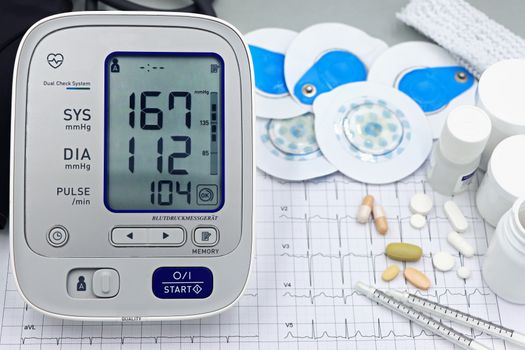
Once you have a measurement system you trust, you can use the numbers to guide behavior more confidently.
Build your baseline the right way
Don’t compare today to yesterday only. Use a rolling baseline.
- Compute a 7-day baseline for HRV and RHR (excluding days with illness, travel, or obvious measurement problems).
- For BP variability, use a several-day window and ensure consistent measurement conditions.
This reduces false alarms when your routine naturally shifts.
Use trends, not single-point “good/bad” labels
HRV and BP variability can be noisy. Instead of asking “Is it good or bad today?” ask “Is it trending in the same direction as my sleep/training/stress notes?”
When you see disagreement, the trend question is more useful than an absolute label.
Coordinate training decisions with your recovery signals
When HRV drops but RHR doesn’t, you might still need recovery adjustments. Conversely, if RHR rises but HRV is stable, you may be dealing with hydration, heat, or measurement timing rather than deep recovery failure.
A conservative approach:
- If HRV is low for 2+ mornings: reduce training intensity or volume for 24–48 hours.
- If RHR is elevated for 2+ mornings: check hydration, sleep, and illness signs; consider a lighter day.
- If BP variability is elevated repeatedly: focus on stress reduction and measurement consistency; consider clinician input if it persists.
Consider supportive tools that improve consistency
You don’t need a new gadget to interpret disagreement, but the right setup can reduce noise.
- If your wearable HRV readings are inconsistent, a chest strap (when compatible with your device ecosystem) can sometimes improve signal quality. Use it consistently for comparisons.
- For BP, an upper-arm cuff with reliable fit and logging helps reduce day-to-day variation that’s really technique.
- If you like structure, some people use a health tracking app to keep a single timeline for sleep, workouts, and measurements. The benefit is not the app—it’s the consistency of your records.
Soft recommendation: prioritize measurement reliability over buying the “most advanced” option. A consistent cuff technique and stable HRV signal will usually outperform frequent device switching.
Know when disagreement could signal something that needs attention
Most disagreements are benign. Still, don’t ignore persistent patterns—especially if you have symptoms.
Consider contacting a healthcare professional if:
- Your BP readings are consistently high or you notice repeated large fluctuations despite correct technique.
- You have chest pain, shortness of breath, fainting, or severe dizziness.
- You have sustained HRV suppression and feel unwell (fever, persistent fatigue), especially beyond a week.
- You’re making medication changes or starting/stopping stimulants and the metrics shift dramatically without a clear lifestyle explanation.
This isn’t about self-diagnosis. It’s about using your tracking to decide when to ask for expert assessment.
Wrap it into a simple weekly routine that keeps you from overreacting
Here’s a practical rhythm you can follow without turning your life into a lab:
- Every morning (7 days): record RHR and HRV under the same conditions. Note sleep duration and bedtime consistency.
- 2–3 times per week: measure BP using the same quiet-sitting protocol and multiple readings per session. Log the average and watch variability trends.
- Once per week: review a 7-day summary. Ask: Did my sleep/training/stress explain the disagreement? If not, tighten measurement consistency for the next week.
- After any big deviation: run a 1-day reset (sleep + hydration + easy movement) and observe whether the metrics converge again.
Over time, you’ll build a personal understanding of how your body responds. That’s the real advantage. Numbers disagree because biology is complex—and because measurement conditions matter. Your job is to reduce noise, track context, and respond with measured adjustments.
18.05.2026. 09:34