

Resting Heart Rate vs HRV vs Blood Pressure Variability

Why these three metrics matter together
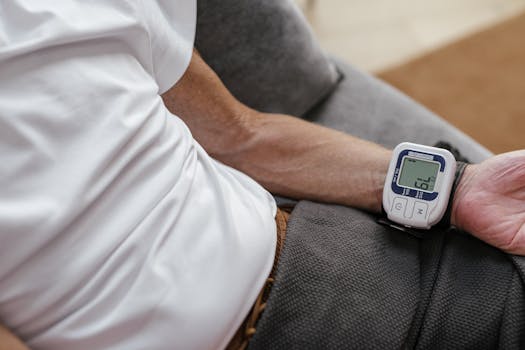
Wearables and home devices can generate a steady stream of numbers related to cardiovascular function. Three commonly discussed metrics are resting heart rate, HRV (heart rate variability), and blood pressure variability. While they’re sometimes treated as interchangeable “fitness scores,” they actually represent different physiological systems. Resting heart rate is influenced by multiple factors including sleep quality, stress hormones, hydration, and training load. HRV is closely tied to autonomic nervous system balance—especially vagal (parasympathetic) activity. Blood pressure variability reflects how much blood pressure fluctuates over time, which can relate to vascular function, autonomic control, and arterial stiffness.
Understanding the differences—and, just as importantly, how to interpret trends—helps you avoid common misreadings. This guide explains what each metric measures, why it changes, how wearables and cuffs capture it, and what practical steps can improve interpretation.
Resting heart rate: what it measures and why it shifts
Definition and physiological meaning
Resting heart rate (RHR) is typically measured while you’re awake and at rest, often in the morning before major activity. It reflects the baseline output of your heart under low-demand conditions. RHR is influenced by:
- Autonomic tone (balance between sympathetic and parasympathetic activity)
- Fitness and cardiac efficiency
- Sleep quality and recovery
- Stress and catecholamines
- Hydration status and illness
- Training load and muscle fatigue
- Medications (for example, beta-blockers can lower RHR)
Common reasons RHR rises
A higher-than-usual RHR can be a signal that your body is under more demand than normal. Common triggers include:
- Illness (even before obvious symptoms)
- Overreaching or insufficient recovery
- Poor sleep or late-night alcohol
- High psychological stress
- Dehydration or electrolyte imbalance
- Environmental heat affecting circulation and strain
Common reasons RHR falls
Lower RHR is often associated with improved conditioning and better recovery. It can also occur transiently with better sleep, reduced stress, or a lighter training week. However, a sudden drop can occasionally reflect measurement differences, changes in measurement time, or medication effects.
How wearables measure RHR
Many wrist-based devices estimate RHR using continuous optical heart-rate sensing (photoplethysmography, or PPG). They often derive RHR from periods identified as “rest” or from morning averages. Accuracy can vary with:
- Wrist fit and movement
- Skin tone and sweat
- Cold hands
- Sleep stage detection and how the device defines “rest”
For reliable interpretation, focus on consistent trends rather than single-day values.
HRV: the autonomic signal behind the numbers
What HRV actually represents
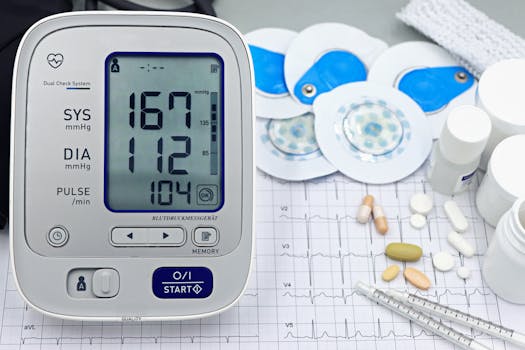
HRV (heart rate variability) refers to the variation in time intervals between consecutive heartbeats. Importantly, HRV is not “noise”—it reflects dynamic regulation of heart rhythm by the autonomic nervous system. In simple terms, higher HRV often indicates greater parasympathetic (vagal) influence and flexible cardiovascular control, while lower HRV can indicate stress, fatigue, or reduced recovery.
HRV is commonly reported as:
- RMSSD (root mean square of successive differences), frequently used for wearable HRV
- SDNN (standard deviation of normal-to-normal intervals), more common in clinical settings
Why HRV changes
HRV can decrease when your body is under stress—physiological or psychological. Factors that often reduce HRV include:
- Acute illness or inflammatory states
- Hard training or accumulated fatigue
- Poor sleep or late-night disruptions
- High mental stress
- Alcohol and dehydration
- Stimulants such as caffeine (timing matters)
HRV can increase when you’re well-rested and parasympathetic activity is higher. However, HRV is highly individual. Two people with similar fitness can have different “normal” HRV ranges.
How wearables measure HRV
Most consumer wearables estimate HRV using PPG signals and then compute an HRV metric (often RMSSD) from a night-time or resting window. Measurement quality matters. HRV calculations can be sensitive to:
- Motion artifacts (especially while awake)
- Signal quality and sensor placement
- Breathing patterns and posture
- Time of day and whether you’re truly at rest
Many devices focus on sleep HRV because it tends to be more stable and less affected by movement. If you want to compare week-to-week, compare similar conditions—such as morning or sleep windows.
Interpreting HRV: avoid the “higher is always better” trap
HRV does not work like a single-target “score.” A temporary drop can be meaningful when it happens alongside higher RHR, poorer sleep, or training stress. Conversely, HRV might fluctuate even when you feel fine. The most useful approach is to look for patterns and context, not day-to-day perfection.
Blood pressure variability: fluctuations that can reveal control problems
What blood pressure variability means
Blood pressure variability refers to changes in blood pressure readings over time. It can be assessed using repeated measurements during the day, over 24 hours (ambulatory blood pressure monitoring), or from home readings. Variability can be expressed as standard deviation, coefficient of variation, or other statistical measures depending on the method.
Why variability matters
While average blood pressure is crucial, variability can reflect how smoothly the body maintains vascular tone and perfusion. Higher variability may be associated with:
- Autonomic dysregulation
- Arterial stiffness and impaired buffering
- Medication timing or adherence
- Stress, pain, or caffeine
- Inconsistent measurement technique
Importantly, variability is not automatically “bad” in every context. Normal day-to-day fluctuations occur with activity, meals, and circadian rhythm. The key question is whether variability is excessive relative to your own baseline and whether it correlates with symptoms or concerning average pressures.
How blood pressure variability is measured at home
Unlike RHR and HRV, blood pressure variability is less commonly tracked by wearables because it requires cuff-based measurement or validated continuous monitoring systems. For home monitoring, variability depends heavily on technique:
- Consistent cuff placement and correct cuff size
- Resting before measurement (commonly 5 minutes)
- Same time windows each day
- Avoiding talking and keeping the arm supported
- Taking multiple readings and using the average
If you’re using a standard upper-arm cuff, variability can be estimated from series of readings taken over days. With ambulatory blood pressure monitoring (ABPM), clinicians can assess variability over 24 hours with more controlled conditions.
Relation to autonomic function
Blood pressure variability can be influenced by autonomic inputs that also affect HRV. That’s why these metrics can sometimes move together, especially during stress or recovery changes. However, they’re not redundant: HRV is about beat-to-beat timing control, while blood pressure variability reflects vascular and neurohumoral control across longer timescales.
How these metrics differ in what they “react” to
Different timescales, different signals
RHR, HRV, and blood pressure variability often respond to overlapping influences—stress, sleep, illness, and training—but they may react on different timescales:
- RHR tends to track baseline demand and recovery state (often noticeable in the morning).
- HRV can shift quickly with autonomic changes, sometimes within days or even after a single disrupted night.
- Blood pressure variability may reflect both short-term triggers and longer-term vascular control, often requiring repeated measurements to characterize.
Different physiological pathways
Even when all three change in the same direction, they reflect different mechanisms:
- RHR: baseline heart rate driven by autonomic tone, fitness, and load
- HRV: flexibility of heart rhythm control, especially parasympathetic influence
- Blood pressure variability: stability of vascular pressure regulation and buffering
Why interpretation is personal
Genetics, age, sex, fitness history, sleep patterns, and medication use can shift your “normal.” Two people can have the same HRV value but different health implications. That’s why the most reliable approach is to establish a baseline for you, then watch how your metrics change relative to that baseline.
Practical guidance for interpreting trends without overreacting
Start with measurement consistency
To interpret resting heart rate vs HRV vs blood pressure variability in a meaningful way, consistency matters as much as the number itself.
- RHR: compare mornings under similar conditions (sleep duration, measurement time, hydration).
- HRV: use the same daily window (often sleep-derived) and ensure good sensor contact.
- Blood pressure variability: use a consistent cuff, technique, and timing; consider multiple readings per session.
Look for clusters, not isolated outliers
Single-day changes can happen for benign reasons. More useful is to look for clusters such as:
- RHR up + HRV down: often suggests increased stress or reduced recovery.
- RHR up + HRV unchanged: could be measurement variability, sleep disruption without major autonomic shift, or training effects.
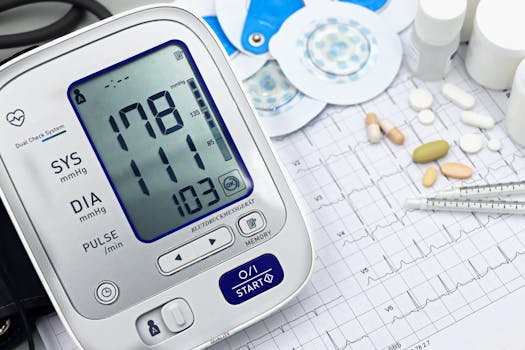
- Blood pressure readings higher with higher variability: may reflect stress, inconsistent measurement, or uncontrolled baseline blood pressure.
When multiple metrics shift together, the combined pattern is more informative than any single metric.
Consider the timing of your lifestyle factors
Small lifestyle factors can change these metrics differently:
- Caffeine: may raise RHR and affect HRV depending on timing.
- Alcohol: often disrupts sleep architecture and can reduce HRV the next day.
- Hard training: can elevate RHR and reduce HRV during recovery windows.
- Illness: may show up as sustained RHR elevation and HRV suppression before symptoms fully appear.
Use a “trend window” rather than daily judgment
Instead of making decisions based on one morning, many people benefit from using a trend window such as 2–4 weeks to understand normal variation. If you see a persistent change (for example, several consecutive days), that’s more likely to reflect a real physiological shift.
Common pitfalls when using wearables and home devices
Wrist HR data quality issues
PPG-based HR and HRV can be affected by band tightness, movement, and skin conditions. If HRV suddenly changes dramatically while RHR remains stable, it may be a signal quality issue rather than a true physiological change. Many devices provide signal quality indicators; if available, treat low-quality readings cautiously.
Confusing resting HR with “sleep HR”
Some devices report multiple heart-rate metrics: resting, awake, and sleep. Make sure you compare the same type over time. Sleep heart rate can behave differently from morning resting heart rate.
Blood pressure variability can be technique-driven
In home measurements, variability may rise simply because of inconsistent technique. Common errors include measuring right after walking, talking, crossing legs, using the wrong cuff size, or not resting between readings. If variability is higher than expected, validate technique before drawing health conclusions.
Medication and caffeine effects
Medications can change baseline RHR and HRV independently. Blood pressure medications can also reduce mean pressure but may still allow variability depending on dosing schedule. Caffeine and other stimulants can affect both heart rate and autonomic balance, changing HRV and potentially blood pressure patterns.
When to seek medical guidance
Wearables can be useful for noticing trends, but they don’t replace clinical evaluation. Consider medical guidance if you have persistent or worsening abnormalities, especially if they come with symptoms such as chest pain, shortness of breath, fainting, severe dizziness, or sustained palpitations.
For blood pressure, clinical thresholds and risk context matter. If your home readings show consistently elevated averages or high variability along with symptoms, it’s appropriate to discuss results with a clinician. For HRV and RHR, persistent changes that don’t match lifestyle factors—especially with fatigue, fever, or unexplained exercise intolerance—warrant further evaluation.
Prevention and recovery strategies that support all three metrics

Even though these metrics reflect different systems, many recovery habits improve autonomic balance and cardiovascular stability simultaneously.
- Prioritize consistent sleep: consistent bedtime and wake time can improve both HRV and resting heart rate patterns.
- Manage training load: if RHR rises and HRV drops during a training block, consider a lighter day, improved recovery, or a deload week.
- Hydrate and fuel appropriately: dehydration and under-fueling can raise heart rate and stress physiology.
- Limit alcohol and late-night stimulants: these often affect HRV through sleep disruption.
- Reduce measurement noise: consistent cuff technique for blood pressure and consistent wearable placement for HR/HRV.
- Address stress: breathing exercises, mindfulness, or structured relaxation can influence autonomic tone and may reflect in HRV.
Some people also find that incorporating gentle activity—like walking—supports recovery without adding the same physiological load as intense training. The goal is not to chase a single metric but to create conditions that allow stable autonomic and cardiovascular regulation.
Summary: using resting heart rate, HRV, and blood pressure variability as a coherent picture
Resting heart rate vs HRV vs blood pressure variability can seem confusing because the metrics are often discussed together, but they measure different aspects of cardiovascular control. RHR is a baseline heart-rate indicator shaped by recovery, fitness, and stress. HRV reflects autonomic flexibility, often changing with sleep quality, illness, and training stress. Blood pressure variability captures fluctuations in vascular pressure regulation and requires consistent measurement to interpret reliably.
The most practical approach is to interpret these metrics as a set of signals rather than as a single “score.” Look for patterns over time, confirm measurement consistency, and consider symptoms and context. When changes are persistent, unexplained, or accompanied by concerning symptoms, clinical evaluation is the safest next step.
For many people, the best outcome is not optimizing one number, but improving the routines that support recovery, sleep, and stable cardiovascular regulation—habits that tend to improve resting heart rate trends, HRV patterns, and blood pressure stability together.
16.04.2026. 18:17