

Eczema, Hives, and Contact Dermatitis: Immune Signals Behind Triggers

Why eczema, hives, and contact dermatitis can look related

It’s common for people to describe their skin as “reacting” to the same types of exposures—soaps, fragrances, metals, cleaning products, new clothing, or even stress. Yet the terms eczema, hives (urticaria), and contact dermatitis don’t all describe the same condition. They can overlap in appearance and timing, but they arise from different immune pathways.
What ties them together is that many triggers work by sending the body’s immune system signals into the skin. Those signals can lead to inflammation, barrier disruption, and—depending on the pathway—itching, redness, swelling, or raised welts. Understanding the immune logic behind these reactions can help you interpret your symptoms more accurately and make practical changes that reduce flare frequency and severity.
Eczema: barrier disruption and immune activation
Eczema is a broad term often used for atopic dermatitis, a chronic inflammatory skin condition. The hallmark is a weakened skin barrier combined with an overactive immune response to internal and external cues.
When the barrier is compromised, irritants and allergens can penetrate more easily. That penetration doesn’t just cause direct irritation; it also stimulates immune cells in the skin. Over time, this can create a cycle:
- Barrier dysfunction allows moisture loss and increases skin sensitivity.
- Immune signaling ramps up inflammation.
- Inflammation and scratching further damage the barrier.
People with eczema often notice that certain triggers—like sweating, dry air, wool, detergents, fragrances, or frequent handwashing—make the skin feel tight and itchy. These triggers don’t always need to be “allergic.” Many act as irritants that amplify immune signaling in already sensitive skin.
Within eczema, the immune response is typically driven by T-cell–mediated pathways and inflammatory cytokines. That’s one reason eczema tends to be more persistent and patchy than hives, which often come and go quickly.
Hives (urticaria): fast immune release and swelling

Hives are raised, itchy welts that can appear suddenly and often resolve within hours. The immune signals behind hives commonly involve mast cells—cells that release histamine and other mediators when activated.
In many cases, the trigger doesn’t have to be a classic allergy. Mast cells can be activated by:
- Allergic reactions (for example, certain foods or medications)
- Infections (some viral or bacterial illnesses)
- Physical factors such as pressure, heat, cold, or exercise
- Autoimmune or non-allergic immune activation in some individuals
Because histamine and related mediators act quickly, hives often flare rapidly after an exposure. The welts may shift location and fade, which is a key clinical clue that differs from eczema’s slower, more persistent inflammation.
This doesn’t mean eczema and hives are unrelated. People with eczema can also experience hives, and the underlying “reactivity” of the immune system can make skin symptoms feel more unpredictable.
Contact dermatitis: when specific exposures change immune behavior
Contact dermatitis is a skin reaction to something that touches the skin. It has two major immune patterns: irritant contact dermatitis and allergic contact dermatitis.
Irritant contact dermatitis: direct damage that triggers inflammation
Irritant contact dermatitis occurs when a substance harms the skin barrier and directly triggers inflammatory signals. This can happen with frequent washing, sanitizers, acids, alkalis, or friction. The immune response is often more “barrier-first,” meaning the skin gets inflamed because the protective layer is repeatedly disrupted.
Allergic contact dermatitis: delayed immune recognition
Allergic contact dermatitis involves immune recognition of a specific allergen. In many cases, it’s mediated by T cells and can show up 24–72 hours after exposure. That delay is important: the exposure might not be the last thing you used right before a flare.
Common allergens include:
- Nickel (jewelry, belt buckles, some fasteners)
- Fragrances and preservatives in lotions or cosmetics
- Rubber accelerators (gloves, elastic bands)
- Topical medications and certain antibiotics
- Hair dyes and some nail products
Because allergic contact dermatitis is specific, identifying the allergen can be highly informative. Patch testing is often used to clarify which substances are involved.
How eczema, hives, and contact dermatitis can share immune signals
Even though these conditions differ, the immune pathways can overlap in meaningful ways. The target phrase that captures the connection is the idea that eczema hives contact dermatitis triggers immune signals—not just “skin irritation,” but immune communication that changes how the body reacts.
Here are several common immune “bridges” between these conditions:
- Barrier disruption increases immune access. When eczema weakens the barrier, more exposures can reach immune cells and intensify inflammation.
- Common inflammatory mediators. Inflammation in eczema and contact dermatitis can involve overlapping cytokines, while hives can involve histamine and related mediators.
- Non-specific triggers can activate different pathways. Heat, stress, infection, and friction can contribute to eczema flares and also trigger mast cell activation leading to hives.
- Immune system “priming”. Repeated exposure may lower the threshold for reacting, making later exposures more likely to cause visible symptoms.
In practical terms, the same day-to-day exposures can lead to different skin outcomes depending on which immune pathways dominate in your body at that time.
Common triggers and what they do to immune signaling

Triggers aren’t all the same. Some primarily irritate the barrier, some act as allergens, and some activate mast cells quickly. Recognizing the category can help you decide what to change and what to investigate.
Irritants that weaken the barrier
These include harsh cleansers, frequent handwashing, sanitizers with certain ingredients, detergents, and rough fabrics. In eczema and irritant contact dermatitis, barrier weakening increases immune activation in the skin. The result is often burning, itching, and redness in areas exposed to the irritant.
Allergens that drive delayed immune recognition
Allergic contact dermatitis can be triggered by specific chemicals in cosmetics, fragrances, topical products, and metals. Immune signaling here tends to be delayed, so rashes may appear after a lag. Symptoms often concentrate where the allergen contacts the skin.
Triggers that can activate mast cells
Hives can be triggered by infections, some medications, and sometimes foods. Physical triggers also matter: pressure (like from tight clothing or straps), cold exposure, heat, or exercise can activate mast cells and produce welts. The immune signal is fast, so timing often points to the trigger.
Stress, sleep disruption, and illness
Stress doesn’t “cause” allergy in a single step, but it can alter immune regulation and skin barrier function. Poor sleep and concurrent illness can increase inflammatory signaling and make flares more likely across eczema, contact dermatitis, and hives.
Timing clues: how to tell which trigger pathway is more likely
Because immune signals act on different schedules, timing can help you narrow down what’s happening.
- Minutes to hours: More consistent with hives driven by rapid mast cell mediator release or immediate irritant exposure.
- Same day to next day: Can occur with irritant contact dermatitis or with eczema flares worsened by exposure and friction.
- 24–72 hours: More consistent with allergic contact dermatitis, where delayed immune recognition is common.
- Persistent patches: Often points toward eczema patterning rather than classic hives, which usually resolve and recur elsewhere.
These are not absolute rules, but they are useful for tracking and communicating with clinicians.
Where the skin reacts matters: exposure patterns and body sites
Location can provide strong evidence about triggers. For example:
- Hands and wrists: Frequent washing, sanitizers, glove materials, and detergents are common contributors.
- Face and eyelids: Cosmetics, hair products, fragrances, and transferred products (like from hands) often play a role.
- Neck, ears, and chest: Jewelry and metal contact, as well as fragrance exposure, are common.
- Groin and underarms: Friction, sweat, and certain topical products can trigger irritant or allergic reactions.
- Areas under straps or pressure points: Physical urticaria can cause welts where pressure occurs.
When symptoms repeatedly appear in the same exposed areas, the trigger is often external rather than purely internal.
Practical steps to reduce flares without guessing
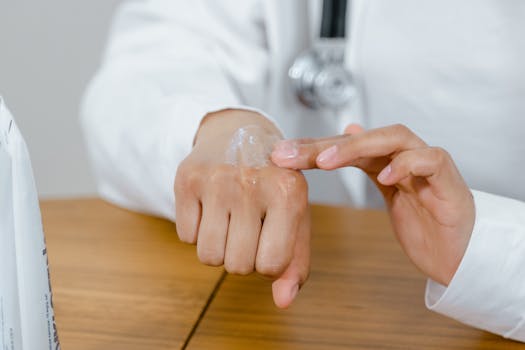
Reducing reactions works best when you combine careful observation with barrier-protective habits and targeted medical evaluation when needed. The goal is not to eliminate every possible exposure, but to lower the immune activation threshold.
Use a symptom-and-exposure log
Track:
- What you used on your skin (cleansers, lotions, makeup, hair products)
- What contacted your skin (gloves, jewelry, clothing materials)
- When symptoms started and how long they lasted
- Whether welts moved or faded within hours (hive clue)
- Whether the rash stayed in one area (eczema/contact dermatitis clue)
This helps distinguish delayed allergic contact dermatitis from immediate urticaria.
Strengthen the skin barrier consistently
For eczema-prone skin, barrier support is foundational. Use gentle cleansing and regular moisturization to reduce transepidermal water loss and irritant penetration. In many cases, simpler routines reduce the number of variables your immune system has to respond to.
When choosing moisturizers, look for products designed for sensitive skin (often fragrance-free). If you’re using topical prescriptions, apply them as directed and moisturize around them if your clinician advises.
Reduce irritant load during high-risk periods
During flare-prone times, consider:
- Limiting harsh soaps and switching to gentler cleansers
- Using lukewarm water instead of hot water
- Pat-drying and moisturizing promptly after washing
- Wearing soft, breathable fabrics
- Using barrier protection for tasks that involve chemicals (for example, appropriate gloves selected for skin tolerance)
If you suspect glove-related reactions, the material matters; some people react to rubber accelerators or other components.
Be strategic about fragranced products
Fragrance can be an irritant for many people and an allergen for some. If you’re experiencing mixed eczema and contact-type rashes, simplifying to fragrance-free options can reduce immune stimulation. This approach is especially helpful for leave-on products like lotions, deodorants, and hair styling products.
When to seek diagnostic help: patch testing and evaluation
Self-management is useful, but immune-driven skin conditions often benefit from targeted diagnostics.
Patch testing for suspected allergic contact dermatitis
If rashes recur in contact patterns (for example, after using specific cosmetics, topical medications, or after jewelry exposure), discuss patch testing with a dermatologist or allergy specialist. Patch testing can identify allergens that are not obvious by history alone.
Evaluation for recurrent or severe hives
If welts are frequent, widespread, or accompanied by other symptoms, medical evaluation is important. Clinicians may review medication history, infection patterns, and possible physical triggers. Some cases of chronic urticaria involve immune mechanisms beyond typical allergies.
Rule out overlapping conditions
Sometimes what looks like eczema, hives, or contact dermatitis can reflect another inflammatory skin disorder. Accurate diagnosis matters because treatments differ depending on the immune pathway involved.
Common “external health signals” from daily life
Because this topic sits under the theme of external health signals, it’s useful to interpret the environment like a signal source. Your body is reacting to inputs—some are chemical, some are physical, and some are biological.
Consider these external signals:
- Cleaning routines: New detergents, disinfectants, and sanitizers can change irritant exposure.
- Laundry and fabric care: Fabric softeners and fragranced dryer products can leave residues.
- Work exposures: Gloves, chemicals, and dust can create repeated immune stimulation.
- Personal care changes: A new lotion, sunscreen, hair dye, or deodorant can trigger contact-type reactions.
- Seasonal shifts: Dry air and temperature changes can worsen eczema and increase itch-scratch cycles.
- Infection cycles: Viral illnesses can trigger hives and can also worsen eczema through inflammatory signaling.
When you treat these as signals, you can respond with targeted adjustments rather than broad guessing.
Prevention guidance that aligns with immune signals

Prevention is not about avoiding all exposures forever. It’s about reducing the immune triggers that push your skin into an inflammatory state.
- Keep routines consistent: Sudden changes in soaps, detergents, and skincare make it harder to identify triggers and can increase immune uncertainty.
- Choose gentle, fragrance-minimized care: This can reduce both irritant load and potential contact allergens.
- Protect skin during wet work: Frequent water exposure can worsen barrier dysfunction; drying and moisturizing afterward helps.
- Consider fabric and metal contact: If you suspect contact dermatitis, pay attention to nickel exposure, watchbands, belt buckles, and costume jewelry.
- Manage physical triggers for hives: If welts appear with pressure, heat, cold, or exercise, note those patterns and discuss them with a clinician.
- Address underlying health factors: Sleep and stress influence immune regulation; infections can precipitate hives and eczema flares.
If you’re using topical prescriptions or have a dermatologist’s plan, follow it closely during flare periods. The immune pathways differ, so prevention strategies should match the condition’s pattern—eczema often benefits from barrier support, contact dermatitis from identifying and avoiding specific allergens, and hives from evaluating triggers and immune activation patterns.
Summary: reading the immune story behind eczema, hives, and contact dermatitis
Eczema, hives, and contact dermatitis can overlap in how they look and how they feel, but they are driven by different immune signals. Eczema often involves barrier dysfunction and chronic immune activation. Hives often reflect rapid mast cell signaling and mediator release. Contact dermatitis can be irritant-driven (barrier damage) or allergy-driven (delayed immune recognition).
When you focus on triggers that influence immune pathways—barrier disruption, delayed allergen recognition, and fast mast cell activation—you can interpret timing, location, and exposure patterns more accurately. That understanding supports practical prevention: simplify routines, strengthen the barrier, reduce irritant load, track exposures, and seek diagnostic evaluation when symptoms recur or don’t fit a single pattern. In many cases, this turns “random skin reactions” into a clearer immune signal you can respond to.
13.01.2026. 08:34