

How to Find Pelvic Floor Muscles: A Step-by-Step Guide

Understanding your goal: locating the pelvic floor muscles
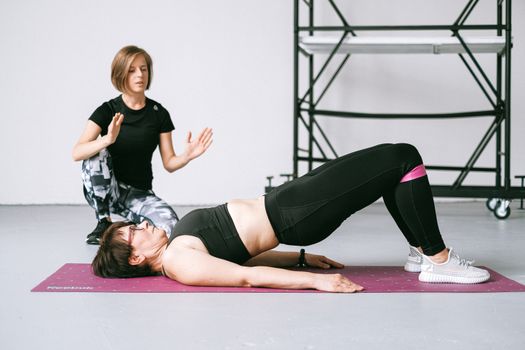
The pelvic floor is a group of muscles that forms a supportive “sling” across the bottom of your pelvis. When you can identify and contract these muscles on purpose, you can train them with more accuracy—whether your goal is better bladder control, core support, recovery after pregnancy, or improved sexual health.
This guide focuses on one outcome: helping you learn how to find pelvic floor muscles reliably using methods you can do at home. You’ll practice contractions, check whether you’re using the correct muscles, and refine your technique so the sensation you feel matches pelvic floor activation—not abdominal bracing or glute squeezing.
Preparation and setup: make the practice easy and safe
Before you try to locate the muscles, set yourself up for success. Pelvic floor work is easier when you’re relaxed and not rushed.
- Choose a comfortable position: lying on your back with knees bent, sitting upright with feet flat, or standing with slight knee bend.
- Empty your bladder if needed: a full bladder can make it harder to focus and can cause discomfort during practice.
- Wear breathable clothing: you should feel free to concentrate without tight seams pulling on the body.
- Use a mirror if you can: it helps you observe abdominal movement, hip movement, and glute contraction.
- Plan a short practice: 3–5 minutes is enough for the first attempts. You’re learning coordination, not doing a workout yet.
If you have pain, recent surgery, unexplained bleeding, or symptoms that worry you, consider working with a pelvic health physiotherapist. They can guide you to the right muscles safely and confirm your technique.
Step-by-step: how to find pelvic floor muscles

- Start with “relax first” breathing to reduce mistaken muscle tension.
Lie on your back with knees bent. Place one hand on your upper belly and one on your lower ribs. Breathe in through your nose so your belly and ribs gently expand. Exhale slowly and let your belly fall. Do 3–5 breaths. Your goal is to feel calm and avoid bracing. - Practice a “gentle stop” sensation without straining.
If you’re comfortable and it’s appropriate for you, you can test the sensation during urination: try to interrupt the stream briefly, then release. Only do this once or twice. Stop as soon as you can, and don’t repeatedly train this way—use it only as a clue for what the pelvic floor feels like. If you cannot or don’t want to do this, skip to the next steps. - Try the “lift and close” cue while lying down.
Imagine you are closing off a small opening at the front and back of the pelvis (as if you’re gently holding in gas and stopping urine flow). Then imagine lifting that area upward. Keep it subtle. You should feel a mild internal “squeeze” rather than a strong push. - Do a quick check for common substitutions: watch your belly and glutes.
While you contract, observe what changes: does your belly bulge outward? Do your buttocks squeeze tightly? Are your thighs gripping? A correct pelvic floor contraction typically shows minimal visible movement in the abdomen and little to no glute dominance. If your glutes are doing the work, reset and try again with less intensity. - Use the “three-point body awareness” method.
During a gentle contraction, pay attention to these sensations:
- Front: a mild tightening around the urethra (urine opening).
- Back: a gentle lift around the anus.
- Inside: a feeling of lifting or drawing upward rather than pushing downward.
- Confirm with the “cough test” (without doing full coughing).
Stand or sit upright. Take a breath in, then gently tighten your pelvic floor as if preparing to cough. You should feel activation before or alongside the effort, without holding your breath aggressively. If you only tighten your abs or clench your glutes, adjust and try again. - Try the “elevator” style contraction in small increments.
Imagine the pelvic floor as an elevator. Contract lightly for 1 second, then relax for 2 seconds. Repeat 5 times. Next, contract a little more for 2 seconds and relax for 3 seconds. Keep intensity moderate. The aim is controlled activation you can turn on and off. - Practice in different positions to ensure you can reproduce the contraction.
Do 5–8 contractions in each position: lying down, sitting, and standing. Pelvic floor muscles work differently with gravity, so the goal is consistent recruitment across positions. - Use a tactile cue if you can access one safely: gentle internal feedback.
If you’re comfortable, you can use a mirror and gentle external awareness first. For more precise feedback, some people use a pelvic floor trainer device designed for internal use. These devices are typically used to help you feel muscle engagement and practice correct contraction patterns. Follow the manufacturer’s instructions carefully, keep sessions short, and stop if you feel pain or irritation. If you’re unsure, a pelvic health professional can teach you correct use. - Train “relax” as carefully as “contract.”
After each contraction, fully release. You should feel a clear change: tight for a moment, then soft again. Many people mistakenly train only tightening and never practice the return to baseline.
Common mistakes and issues that prevent you from finding the right muscles
- Bear down instead of lift: If you feel pressure downward, heaviness, or bulging, you’re using abdominal pressure or pushing. Focus on a gentle “lift and close,” and reduce intensity.
- Clenching the glutes: Strong buttock squeezing can mask pelvic floor activation. Try a lighter effort and think “internal lift” rather than “squeeze everything.”
- Overusing the abdomen: If your belly tightens hard or you hold your breath, you may be bracing instead of contracting pelvic floor muscles. Keep breathing smooth and relaxed.
- Only using one intensity: If you only try maximal squeezes, you may lose coordination. Learn a spectrum: very light, moderate, and slightly stronger contractions.
- Doing too much too soon: When you’re learning, fatigue makes muscles recruit incorrectly. Keep early sessions brief and stop while you’re still able to feel the correct sensation.
- Training during pain: Pelvic pain is a signal to slow down. Don’t push through discomfort. Seek clinical guidance if pain is present.
- Assuming you can’t find them: Many people feel nothing at first. The muscles may be undertrained, guarded, or simply hard to isolate. With repeated practice and correct cues, sensation usually improves.
- Relying on urination interruption as a repeated exercise: It can irritate the urinary system and may create poor habits. Use it only as a one-time clue if appropriate, then move to non-urination cues.
Additional practical tips to refine control and optimize your pelvic floor practice
Once you can identify a likely pelvic floor contraction, you can improve accuracy and effectiveness. The following steps help you build better control without guesswork.
Use cues that match how the muscles should move
Different people respond to different mental images. Choose one cue and stick with it for a few sessions:
- “Lift and close” (gentle internal lift).
- “Stop gas” (a mild anal sphincter contraction).
- “Hug inward” (a subtle squeeze around openings).
Keep the contraction small enough that you can relax fully afterward.
Pair pelvic floor activation with breathing
Breath coordination improves control. A common approach is to contract gently as you exhale, then release on the inhale. This doesn’t mean you must always sync with exhalation, but it can make the first learning sessions easier.
Avoid breath-holding. If you notice yourself holding your breath, reduce effort and try again with smoother exhalation.
Practice “quick” and “slow” contractions
To support real-life function, train both endurance and response. After you can reliably contract and release:
- Slow contractions: contract gently for 3–5 seconds, then relax for 5 seconds. Repeat 5–8 times.
- Quick contractions: contract lightly for 1 second, then fully relax for 3–4 seconds. Repeat 5–10 times.
Keep quality high. If you lose the correct sensation, stop and reset.
Try functional practice: connect contractions to daily movements
Once you can find the muscles in a quiet position, use them during moments that challenge pelvic pressure. Examples include:
- Before you lift something from the floor.
- Before you cough, sneeze, or laugh.
- As you step into a heavier stance like climbing stairs.
Use a gentle activation—not a maximal squeeze. The goal is timely recruitment.
Consider guided tools if you want extra feedback
Some people benefit from tools that provide feedback or structure. For example, a pelvic floor biofeedback device can help you learn whether you’re contracting the pelvic floor rather than pushing or tightening the wrong areas. Others use pelvic floor trainers designed to be comfortable and instructive. If you use any internal device, follow the instructions exactly, start with short sessions, and stop if you feel pain. For many people, a few guided sessions with a pelvic health physiotherapist plus home practice is the fastest path to accurate muscle identification.
Track your sensations instead of chasing intensity
Rather than increasing effort, track what you feel:
- Did the contraction feel internal and lifting?
- Did you release fully afterward?
- Did your abdomen and glutes stay mostly quiet?
- Could you repeat the same sensation in sitting and standing?
Improvement usually shows up as better consistency, not stronger squeezing.
Know when to get professional help
Seek evaluation if you notice any of the following:
- Pelvic pain, burning, or discomfort with attempts to contract.
- Symptoms like persistent urinary urgency, leakage that worsens, or bowel control issues.
- Difficulty relaxing the pelvic floor (for example, feeling constantly “tight” rather than able to release).
- After childbirth or pelvic surgery, especially if you suspect you’re not recruiting correctly.
Pelvic floor function is individual. Some conditions require different strategies than standard Kegel-style training, and a clinician can help you avoid training the wrong pattern.
Putting it all together: your next practice session

To consolidate what you’ve learned, plan a simple session:
- Get into your preferred starting position (often lying down).
- Do 3–5 relaxed breaths.
- Perform 5 gentle “lift and close” contractions, checking that glutes and belly don’t dominate.
- Do 5 slow contractions with full release.
- Do 5 quick contractions and practice one functional cue (like tightening gently before a cough or standing up).
If you can feel a clear change between contraction and relaxation, you’re on the right track. With consistent practice over weeks, most people improve their ability to recruit pelvic floor muscles accurately.
22.03.2026. 04:43