

Oral Health Biomarkers You Can Track at Home

Why oral health biomarkers matter—and what you can track at home
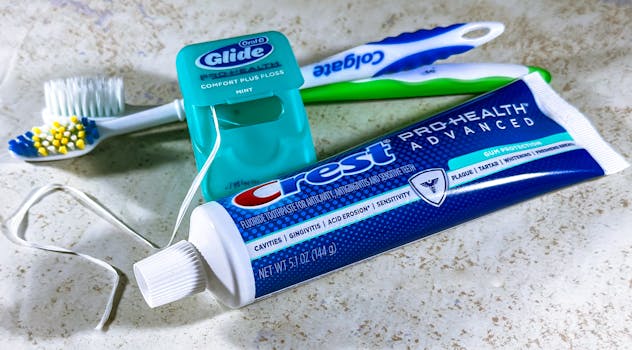
Oral health isn’t just about having a clean-looking smile. It’s a dynamic balance between your teeth, gums, saliva, and the microbial community in your mouth. When that balance shifts, you often see measurable changes before you feel obvious pain.
That’s where oral health biomarkers you can track at home come in. A biomarker is any measurable sign of a biological process—like inflammation, mineral loss, or changes in saliva. Some biomarkers require lab testing, but several practical indicators can be tracked at home with simple tools and careful observation.
In this guide, you’ll learn which markers are most useful, how to measure them safely, and how to interpret changes over time. The goal isn’t to diagnose yourself. It’s to notice patterns early, so you can seek professional care when it matters most.
Start with the “home baseline”: what normal looks like
Before you track anything, you need a baseline. Oral tissues respond to routine habits—sleep, hydration, diet, smoking/vaping, stress, and even seasonal allergies. A single odd day doesn’t mean much. Trends do.
For the next 2 weeks, keep your routine consistent: brush twice daily for about 2 minutes, floss or use interdental cleaning once daily, and avoid major changes (like starting a new mouthwash) unless you’re specifically testing an effect. Then record what “normal” feels like for you.
Your baseline should include:
- Bleeding tendency (if any) during brushing or flossing
- Gum look (color, swelling, and whether the gum margin looks puffy)
- Dryness level (especially on waking)
- Breath odor patterns (morning vs. after meals)
- Tooth sensitivity to cold/sweet/hot
- Visible plaque (where it collects and how quickly it returns)
Once you have that baseline, you can track biomarkers more meaningfully.
Gum bleeding and gingival inflammation markers
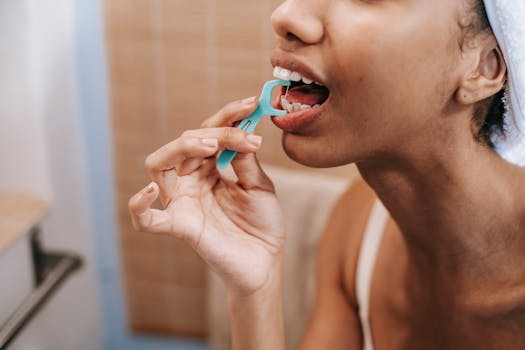
Gums are often the earliest place where oral inflammation shows up. You can track two closely related indicators: bleeding and gingival appearance. These are not perfect substitutes for a dental exam, but they’re highly practical for home monitoring.
Bleeding on brushing or interdental cleaning
One of the most useful home markers is whether your gums bleed during routine cleaning. Bleeding suggests inflammation in the gingival tissue, often driven by plaque biofilm and the immune response.
How to track it
- Use the same toothbrush type and brushing pressure each time.
- After brushing (and after flossing or interdental cleaning), note whether bleeding occurs.
- Record it as a simple scale: 0 = none, 1 = slight spotting, 2 = bleeding that persists across multiple areas, 3 = heavy bleeding.
- Do this for 7–14 days.
What to look for
- If bleeding decreases week-to-week, your inflammation is likely improving.
- If bleeding increases or doesn’t improve after consistent cleaning for 2–4 weeks, it’s a warning sign that plaque control may not be sufficient or calculus (tartar) may be present.
Real-world scenario: Imagine you start flossing daily after years of skipping it. By day 3, you notice mild bleeding at the same two spots. By day 10, bleeding becomes rare. That pattern—early bleeding during improvement, then reduction—often signals that the gums are settling as inflammation decreases. If instead bleeding steadily worsens over 2 weeks, it suggests ongoing inflammation that may need professional cleaning and evaluation.
Gum color, swelling, and texture
Inflamed gums may look redder than usual, appear shiny, or feel tender. Healthy gum tissue typically looks firm and more consistent in color.
How to track it
- Once a week, check the gumline in good light.
- Use your phone camera if you want consistency, but avoid obsessing over minor differences.
- Record: redness level (mild/moderate/severe), swelling (none/mild/moderate), and tenderness (none/mild/moderate).
What to look for
- Persistent redness or swelling that lasts more than 2 weeks is concerning, especially if bleeding also persists.
- Localized changes (one area repeatedly more inflamed) can indicate a local factor like an overhanging restoration, a trapped food pattern, or plaque accumulation.
Saliva-based biomarkers you can observe and measure
Saliva is more than “spit.” It helps buffer acids, remineralize enamel, supports tissue repair, and keeps microbial growth in check. When saliva flow or composition shifts, your oral environment changes quickly.
Salivary flow and “dry mouth” patterns
Dry mouth (xerostomia) can be subjective, but you can still track patterns. You’re looking for changes in how often you feel dryness and how it affects daily function.
How to track it
- Rate dryness at three times daily for 7 days: morning (within 30 minutes of waking), mid-afternoon, and evening (before bed).
- Use a simple 0–10 scale.
- Note triggers: caffeine, alcohol, mouth breathing, stress, and certain medications.
What to look for
- Dryness that increases progressively over weeks can indicate medication effects, dehydration, sleep-disordered breathing, or other systemic issues.
- Morning dryness plus snoring or mouth breathing may suggest nighttime airflow issues that reduce saliva.
Practical measurement option: If you want a quick, non-clinical estimate, you can do a “spit-out” observation. After waking, wait 30 minutes (no brushing, no drinking), then note how long it takes before you feel the need to swallow saliva repeatedly. This isn’t a lab test, but it can help you detect meaningful changes.
Saliva thickness and stringiness
Some people notice saliva becomes thick, sticky, or stringy during dehydration, after caffeine, or with certain mouth-breathing patterns. This can affect how well saliva clears food debris and buffers acids.
How to track it
- Once daily for 1 week, after lunch, observe whether saliva feels watery, normal, or sticky/stringy.
- Record your rating and whether you were well-hydrated.
What to look for
- Sticky saliva paired with increased plaque, bad breath, or new sensitivity can suggest impaired clearance.
- If dryness is persistent, it’s worth discussing with a clinician, especially if you also have dry eyes or other dryness symptoms.
Enamel demineralization and cavity-risk signals
Tooth decay begins long before a cavity becomes visible. You can’t replace professional diagnostics like bitewing X-rays, but you can track early indicators of demineralization risk.
Tooth sensitivity and “hot/cold” response
Increased sensitivity can relate to exposed dentin, early enamel changes, or gum recession. Track it consistently so you can tell whether it’s improving or worsening.
How to track it
- Choose 1–2 teeth that are most sensitive (if any).
- Rate sensitivity after cold water or cold food: 0 (none), 1 (mild), 2 (moderate), 3 (sharp and lingering).
- Record 3 times per week for 3–4 weeks.
What to look for
- Sensitivity that increases over 2–4 weeks may indicate progression.
- Sensitivity that improves after consistent fluoride use often reflects reduced irritation or improved remineralization.
Plaque persistence and “where it collects”
Plaque biofilm is the substrate for acid production and inflammation. One of the most meaningful home markers is how quickly plaque reappears in specific areas.
How to track it
- Once a week, after a thorough cleaning, observe plaque return 12–24 hours later.
- Note areas: near gumlines, between teeth, along the tongue side, or around restorations.
Useful observation tool: Some people use disclosing tablets or solutions to temporarily highlight plaque. These can help you learn where your cleaning misses. If you use them, keep it occasional (for example, once every 2–4 weeks). Don’t use them daily—your goal is to improve technique, not to create anxiety.
What to look for
- Rapid plaque return in the same spots can indicate technique mismatch or that interdental spaces need more targeted cleaning.
- If plaque buildup is stubborn despite good technique, calculus may be present and needs professional removal.
Bad breath patterns and microbial activity clues

Halitosis can have many causes, but a common driver is volatile sulfur compounds produced by bacteria in the mouth, especially on the tongue and around inflamed gums.
Breath timing: morning vs. after meals
Track when breath worsens. This helps narrow likely sources.
How to track it
- Rate breath odor at two times daily for 1 week: right after waking and mid-afternoon (or evening).
- Use a simple 0–10 rating.
- Record whether you ate recently, used caffeine, or had dry mouth.
What to look for
- Strong morning odor is often linked to reduced saliva flow during sleep and tongue coating.
- Odor that persists despite hydration and routine cleaning can be associated with gum inflammation, tonsil issues, or other factors that may require evaluation.
Tongue coating as a visible marker
A coated tongue can act as a reservoir for odor-causing compounds. It’s also a quick home biomarker you can track visually.
How to track it
- Once daily (or every other day), check tongue coating after brushing.
- Record: none/light/moderate/heavy and whether it’s removable.
Practical example: If you notice heavy tongue coating every morning and it improves after tongue cleaning, that pattern suggests tongue biofilm is a major contributor. If tongue cleaning doesn’t change odor at all, gum inflammation or other sources may be more relevant.
Gum recession and periodontal risk indicators
Gum recession isn’t only cosmetic. It can expose root surfaces, increase sensitivity, and reflect long-term inflammation or mechanical factors. While you can’t measure recession precisely without clinical tools, you can track changes over time.
Noting recession changes and root exposure
How to track it
- Once every 2–4 weeks, take consistent photos of the same areas in good light (front teeth and any areas you suspect).
- Record whether you see increased root exposure, a “longer-looking” tooth, or food trapping.
- Note whether tenderness or sensitivity accompanies it.
What to look for
- Progressive recession over months is a reason to seek evaluation.
- If recession appears alongside bleeding or consistent inflammation, periodontal disease risk may be higher.
Tooth mobility and bite changes (when to be cautious)
Some people can feel slight changes in how teeth move when they gently touch them with a clean finger. True mobility is best assessed by a dental professional, but tracking your perception can still be useful.
How to track it
- Once a month, note whether you feel any new looseness or changes in bite alignment.
- Do not repeatedly test mobility multiple times daily. That increases discomfort and can irritate tissues.
What to look for
- New mobility, persistent bite discomfort, or a tooth that feels different should prompt a dental evaluation promptly.
How to record biomarkers without turning it into stress
Tracking works best when it’s simple. Over-monitoring can create anxiety and lead to changes in behavior that confound your results.
Use a consistent “check schedule”
Consider a routine like this:
- Daily (30 seconds): dryness rating and bleeding yes/no after cleaning
- 3 times per week: sensitivity rating (if you have it)
- Weekly (2 minutes): gum appearance check and breath timing rating
- Every 2–4 weeks: photos for recession changes and an optional disclosing session
Keep notes tied to behavior
Biomarkers respond to habits. Include short context notes:
- Did you drink alcohol or caffeine more than usual?
- Did you sleep with your mouth open?
- Did you have a cold or allergies?
- Any new medications?
- Any major diet changes (more snacking, more sugary drinks)?
This makes your records more meaningful when patterns appear.
Safe home tools and what they can (and can’t) tell you
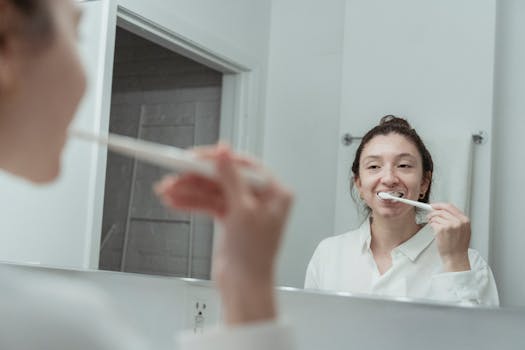
Some home tools are helpful for learning and monitoring. Others can create false reassurance. Here’s how to think about them.
Toothbrush pressure and technique as “behavioral biomarkers”
It sounds indirect, but technique strongly influences bleeding and plaque persistence. If you notice bleeding, it can be tempting to scrub harder. Don’t. You want consistent, gentle pressure.
Consider these technique indicators:
- Bleeding level after cleaning
- Plaque return at 12–24 hours
- Gum tenderness after brushing
If bleeding is high and tenderness is present, your technique or tool may be irritating tissues. Adjusting pressure and angle often helps.
Disclosing solutions/tablets for plaque visibility
Disclosing products can highlight plaque and help you target specific areas. They’re most useful for learning technique and verifying improvement after changes.
How to use them responsibly
- Use occasionally (for example, every 2–4 weeks).
- Pair it with a technique change—like improving interdental cleaning method—rather than treating the disclosing session as an assessment you can’t act on.
Fluoride and anti-cavity ingredient monitoring
Fluoride use isn’t a biomarker by itself, but it affects the biomarker outcomes you’re tracking (sensitivity, plaque behavior, and decay risk). If you change your toothpaste or fluoride routine, do it one step at a time and track outcomes for 2–6 weeks.
Practical guidance: Many people choose a toothpaste containing fluoride and follow label directions. If you brush twice daily, give it time—enamel remineralization and symptom changes typically take weeks, not days.
When home biomarkers suggest you should get professional help
Home tracking is valuable, but some patterns should trigger a dental visit rather than self-management.
- Bleeding that persists or worsens after 2–4 weeks of consistent cleaning
- New or increasing tooth sensitivity that doesn’t improve over 2–4 weeks
- Signs of significant recession or root exposure progressing over months
- Persistent bad breath despite consistent cleaning and hydration
- Any new tooth mobility or noticeable bite changes
- Swelling, pus, fever, or severe pain—seek care promptly
These aren’t meant to alarm you. They’re practical thresholds. Your mouth is highly responsive, and early professional assessment can prevent small issues from becoming larger ones.
Prevention guidance: turning biomarkers into better habits
The strongest prevention strategy is aligning your habits with the biomarkers you’re tracking. If your markers show inflammation, you need better plaque control. If they show dryness, you need hydration and possibly a review of triggers or medications. If they show sensitivity, you need protection and evaluation of possible enamel or gum changes.
Build a simple “biomarker-to-action” loop
- Bleeding increases → reduce aggressive scrubbing, improve interdental cleaning consistency, and check for persistent hotspots.
- Dryness increases → increase water intake, address mouth breathing risk factors, and review medication side effects with a clinician if it’s ongoing.
- Sensitivity persists → protect enamel with consistent fluoride use and discuss possible causes if it doesn’t improve.
- Plaque returns quickly → refine technique in the areas that repeatedly show plaque, and consider professional scaling if it’s not improving.
Set realistic timeframes
Most meaningful changes show up within:
- 7–14 days: bleeding trends, gum tenderness changes
- 2–4 weeks: sensitivity trends, visible gum changes, plaque persistence patterns
- 2–3 months: recession progression and longer-term oral environment shifts
If nothing improves after those windows, it’s usually a sign that the underlying cause needs professional input.
Summary: the most useful oral health biomarkers to track at home

You can’t fully replace clinical diagnostics at home, but you can monitor several practical oral health biomarkers that reflect inflammation, saliva function, and early risk patterns.
Focus on:
- Gum bleeding during brushing and interdental cleaning
- Gum appearance (redness, swelling, tenderness) over weeks
- Dry mouth patterns and saliva thickness
- Tooth sensitivity trends to cold or sweet stimuli
- Plaque persistence in specific areas (optionally using disclosing products occasionally)
- Breath timing and tongue coating
- Recession changes using consistent photos and notes
Track consistently, interpret trends, and use home data to decide when professional evaluation is needed. That’s the real value: early signal, timely action, and a calmer, more informed approach to protecting your mouth.
31.01.2026. 07:48