

Alcohol Free Mouthwash vs Antiseptic: What’s the Science?

Why this question matters for your oral health
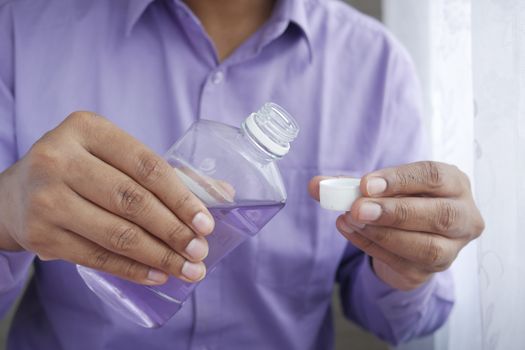
You’ve probably seen two different types of mouth rinses on pharmacy shelves: “alcohol-free mouthwash” and “antiseptic” mouthwash. They can look similar in a bottle, but the science behind what they do to your mouth is not the same.
That difference matters because your mouth is not just a passive surface. It’s a living ecosystem with saliva, oral bacteria, mucosal tissues, and an immune environment that changes throughout the day. A rinse that works well for one goal—like reducing bad breath—may be less suitable for another goal—like gingivitis control or healing after dental procedures.
In this explainer, you’ll learn how alcohol free mouthwash and antiseptic rinses work, what they’re typically designed to target, and how to use them safely based on evidence-based dental logic rather than marketing claims.
What “alcohol free” actually means (and why it changes the experience)
When a mouthwash is labeled “alcohol free,” it means it does not contain ethanol (or other alcohols) as a primary ingredient. That doesn’t automatically mean it has no antimicrobial activity. Many alcohol-free formulas use alternative ingredients to reduce bacteria, freshen breath, or help with plaque-related issues.
So the label “alcohol free” is about formulation—especially the solvent system and the way the rinse interacts with oral tissues—rather than a guarantee of a specific antimicrobial mechanism.
How alcohol affects oral tissues
Alcohol can have a drying or irritant effect for some people. In your mouth, saliva is protective. It buffers acids, supports remineralization, and helps keep mucosal tissues hydrated. If a rinse significantly reduces surface moisture or irritates soft tissues, you may feel burning, stinging, or a temporary increase in dryness.
That’s why alcohol-free rinses are often better tolerated if you have:
- Dry mouth (xerostomia) from medications or medical conditions
- Sensitive oral tissues or a history of mouth irritation
- Frequent mouth burning with strong rinses
- Oral mucosal conditions that make tissues more reactive
Alcohol-free doesn’t mean “mild” in every way
An alcohol-free mouthwash can still contain antimicrobial agents. It might use ingredients such as essential oils, cetylpyridinium chloride (CPC), fluoride, or other antiseptic systems depending on the product type and intended use. In other words, “alcohol free” is not synonymous with “non-antiseptic.” It’s about the absence of alcohol as a solvent and the resulting tissue tolerance profile.
What antiseptic mouthwash means in dental practice
“Antiseptic” is a functional term. In oral health, antiseptic rinses are designed to reduce microbial load on oral surfaces. Many antiseptic mouthwashes are formulated to suppress bacteria involved in plaque formation and inflammation.
Some antiseptics work broadly across oral microbes, while others target specific bacterial groups or biofilm behavior. The key is that antiseptic products are typically selected for a more direct antimicrobial role than purely cosmetic breath freshening.
Common antiseptic active ingredients you may encounter
Depending on country and product category, antiseptic rinses may contain:
- Chlorhexidine: a widely used antiseptic in dentistry for gingivitis and post-procedure control in specific situations.
- CPC (cetylpyridinium chloride): often present in over-the-counter antiseptic rinses and some “therapeutic” mouthwashes.
- Essential oils (in some antiseptic-style formulas): can reduce bacteria and help with breath odor.
- Oxygenating agents (less common): can reduce odor-causing compounds.
Not all antiseptic mouthwashes are the same, and not all are meant for long-term daily use. The evidence base and recommended duration vary by active ingredient and concentration.
Why antiseptics sometimes work differently than you expect
Your mouth has biofilms—organized microbial communities embedded in a matrix they produce. Biofilms protect bacteria from many environmental stressors. Antiseptics can reduce biofilm burden, but the effect depends on:
- Contact time (how long the rinse stays in contact with tissues)
- Formulation (how well the active ingredient penetrates or adheres to surfaces)
- Frequency (daily vs short-term therapeutic use)
- Presence of plaque (rinses can’t replace brushing and flossing)
In real life, this means two people can use the same type of antiseptic and see different results because their plaque control and oral environment differ.
Alcohol free mouthwash vs antiseptic: the core scientific difference
Here’s the most useful way to frame the distinction: “alcohol free” describes one ingredient category (no ethanol), while “antiseptic” describes a function (microbial reduction). A mouthwash can be alcohol-free and still be antiseptic. It can also be alcohol-containing and still not be a true antiseptic in the strongest sense.
So when you ask alcohol free mouthwash vs antiseptic, you’re really asking two overlapping questions:
- Does the rinse avoid alcohol-related irritation or dryness?
- Does the rinse have an antimicrobial/antiseptic mechanism strong enough for the oral condition you’re targeting?
Mechanisms: what changes when alcohol is removed
Removing alcohol can change:
- Comfort: less stinging for many users
- Saliva interaction: less drying effect for some people
- Penetration and distribution: the solvent system affects how ingredients spread across the mouth
However, antimicrobial mechanisms depend on the active ingredients, not on alcohol alone. That’s why alcohol-free rinses can still reduce bacteria, even if they feel gentler.
Mechanisms: what makes an antiseptic “antiseptic”
Antiseptic mouthwashes typically include actives that disrupt microbial cell walls, metabolism, adhesion, or biofilm structure. The strength of evidence and the intended use duration depend on the active ingredient.
For example, chlorhexidine has a long history in dentistry for short-term control of gingival inflammation and microbial load. By contrast, other antiseptic rinses may be designed for more general daily use with different active ingredients and different expected outcomes.
What each type is commonly used for (and what the science suggests)
Your best choice depends on your goal: reducing gingival inflammation, controlling halitosis, supporting post-procedure recovery, or managing sensitivity and dryness. Let’s connect common use cases to the likely mechanisms.
Alcohol-free mouthwash: often chosen for comfort and daily tolerance
Alcohol-free mouthwashes are commonly used when you want a rinse that supports oral hygiene without the burning sensation some alcohol-containing products cause. They may be used for:
- Daily freshening and odor control
- Gentler support for gingival health when tissues are sensitive
- Dry mouth routines where alcohol would be poorly tolerated
If the alcohol-free formula includes an antimicrobial active (such as CPC), it can also provide measurable bacterial reduction. The difference is that you’re not relying on alcohol for the “strong feel” or immediate antiseptic effect.
Antiseptic mouthwash: often chosen for targeted microbial control
Antiseptic rinses are often used when there’s a specific microbial problem to reduce—such as gingivitis flare-ups, post-dental procedure inflammation, or temporary increases in bacterial load.
In many dental protocols, antiseptic rinses are used as an adjunct to mechanical plaque control. Brushing and flossing disrupt biofilms physically; antiseptics reduce the microbial burden and can help calm inflammation.
Important nuance: antiseptic doesn’t automatically mean “better”
More antimicrobial isn’t always better. Some antiseptic actives can cause side effects in certain people, especially with prolonged use. Examples include:
- Tooth staining or altered taste with some actives (classically discussed with chlorhexidine)
- Oral irritation if the product is too strong for your tissues
- Changes in oral microbiome balance when used longer than intended
So the “science” point is not that antiseptic is superior—it’s that antiseptic is a specific tool for a specific situation.
How to choose between them for common real-world scenarios
To make this practical, consider a few realistic scenarios. These are the kinds of situations you might face at home or after a dental visit.
Scenario 1: You have dry mouth and mouth burning with rinses
If you experience dryness or burning after using a strong rinse, alcohol may be part of the problem. In this scenario, an alcohol-free mouthwash can improve comfort and adherence—meaning you’re more likely to use it consistently.
But don’t assume comfort alone solves the underlying issue. Dry mouth can increase caries risk and change bacterial balance. If you also have frequent cavities or thick plaque, you may need a saliva-support approach and caries risk management in addition to rinsing.
What to do:
- Choose alcohol-free if stinging or dryness is an issue.
- Look for an active ingredient relevant to your goal (for example, fluoride support if you’re cavity-prone).
- Use it as directed, and prioritize brushing with fluoride toothpaste and daily cleaning between teeth.
Scenario 2: You’re dealing with gingivitis and your gums bleed
Gingivitis is primarily driven by plaque biofilm and the inflammatory response to it. Antiseptic rinses can sometimes help reduce inflammation while you improve mechanical cleaning.
In this scenario, an antiseptic rinse may be considered—often for a limited period—depending on your clinician’s assessment. If you use an antiseptic too long or without improving plaque control, you may not get the intended benefit.
What to do:
- Increase brushing thoroughness and cleaning between teeth (that’s the foundation).
- If your clinician recommends an antiseptic rinse, follow the duration they specify.
- If you have irritation, tell your dental professional; an alcohol-free antiseptic option may be considered depending on the active ingredient.
Scenario 3: You just had a dental procedure and were told to rinse
After certain procedures, clinicians may recommend an antiseptic rinse to reduce bacterial load while tissues heal. The key is that post-procedure instructions are often time-limited and tailored to the procedure type and your healing risk.
In this scenario, the best choice is the one that matches the clinician’s instructions. If the instruction is specifically for an antiseptic active, an alcohol-free label may not be sufficient if the required active ingredient differs.
What to do:
- Follow the exact rinse type and timing provided.
- Don’t extend the rinse beyond the recommended timeframe without guidance.
- Use gentle technique to avoid disrupting clots or healing tissue in the immediate aftermath of extractions or surgery.
Scenario 4: You want odor control but your gums are healthy
Halitosis can come from many sources: tongue coating, food debris, dry mouth, periodontal pockets, or tonsil issues. A mouthwash can help, but the cause matters.
An alcohol-free rinse may be enough if your main issue is comfort-related and your gums are healthy. But if you have persistent bad breath linked to gum disease, you’ll need periodontal evaluation and cleaning—not just stronger rinsing.
What to do:
- Consider tongue cleaning as a first-line step.
- Choose a rinse that supports your specific goal (odor control or antimicrobial support).
- If odor persists, evaluate periodontal health and salivary function.
Safety and side effects: the part many people overlook
Both alcohol-free mouthwash and antiseptic rinses can be safe when used correctly, but the safety profile depends on the active ingredients, concentration, and duration.
Alcohol-free: what to watch for
Alcohol-free products are generally better tolerated for stinging and dryness. Still, you should watch for:
- Sensitivity to flavor systems (some formulas contain strong flavoring agents)
- Contact irritation if you have ulcers or very inflamed mucosa
- Allergic-type reactions (rare, but possible)
If you notice persistent burning, swelling, or worsening irritation after switching to an alcohol-free product, stop and seek guidance.
Antiseptic rinses: why duration matters
Antiseptics are designed to reduce microbes. That can be helpful short-term, but prolonged use may lead to issues such as:
- Microbiome disruption: your mouth has beneficial organisms too.
- Staining or taste changes with some antiseptic actives.
- Rebound problems if the underlying plaque control issue isn’t addressed.
This is why many antiseptic rinses are used for limited periods in clinical practice. The “right” duration is usually tied to the condition and the active ingredient.
Practical technique: how you use the rinse affects outcomes
Whether alcohol-free or antiseptic, technique influences effectiveness and safety.
- Use the recommended volume from the label or your clinician’s instructions.
- Swish for the stated time. Many rinses recommend about 30 seconds, but follow the product directions.
- Don’t swallow. Mouthwash is for oral use only.
- Avoid eating or drinking immediately after if the label suggests a waiting period (often 20–30 minutes) to allow actives to work.
If you’re using fluoride toothpaste, consider timing. Some antiseptic actives can interact with other oral products. Spacing routines by at least 30 minutes can help avoid dilution or reduced effectiveness, though the best timing depends on the specific ingredients.
What to expect over time: realistic timelines for results
It’s tempting to judge a mouthwash after one use. Your mouth doesn’t work that way. Microbial communities and inflammation respond over days and weeks.
Cosmetic effects: freshness can be immediate
Odor reduction from certain ingredients can be noticeable after the first rinse. That’s not the same as treating gingivitis or reducing plaque long-term. Freshness is often a short-term effect.
Inflammation and gum bleeding: typically days to weeks
If your gums bleed due to gingivitis, improvements in bleeding and swelling—when you’re also improving brushing and cleaning between teeth—often take about 1–2 weeks. Full changes in gingival health can take longer, commonly several weeks, depending on the severity and your home care consistency.
Antiseptic rinses may help speed the early phase for some people, but they won’t replace the mechanical disruption of plaque.
Long-term microbial balance: not a quick fix
A rinse is a brief exposure. Biofilms reform quickly. That’s why daily oral hygiene practices matter more than any single rinse. Think of mouthwash as a support, not the primary intervention.
Where fluoride fits in the discussion (and why it complicates the label)
Some mouthwashes—whether alcohol-free or antiseptic—include fluoride. Fluoride helps reduce caries risk by supporting remineralization and inhibiting demineralization.
This means your decision might not be purely antimicrobial. If your main concern is cavities, a fluoride-containing mouthwash could be more relevant than a strong antiseptic.
In practice, you might choose an alcohol-free, fluoride-containing rinse for daily use if you’re cavity-prone and you need comfort. Or you might use an antiseptic for a specific inflammatory period, while relying on toothpaste fluoride for caries protection.
So it helps to ask: what is the active ingredient goal—bacteria reduction, inflammation control, odor control, or cavity prevention?
Common misconceptions that lead to ineffective routines
Let’s clear up a few things you might have heard.
“Antiseptic mouthwash is the same as alcohol-free mouthwash”
No. Alcohol-free describes the absence of ethanol. Antiseptic describes antimicrobial intent. You can have an alcohol-free antiseptic, and you can have an antiseptic that contains alcohol.
“If it burns, it must be working”
Burning can reflect irritation from alcohol or other ingredients. That doesn’t necessarily correlate with better antimicrobial outcomes. Comfort affects adherence, and adherence affects real results.
“Mouthwash can substitute for brushing and flossing”
Mouthwash cannot remove plaque biofilm from tooth surfaces and along the gumline the way brushing and interdental cleaning do. The best evidence-based approach treats mouthwash as an adjunct.
Prevention guidance: building a routine that reduces your need for stronger rinses
If you consistently manage plaque and support saliva, you often reduce the situations where antiseptic rinses become necessary.
Daily mechanical cleaning is the foundation
- Brush at least twice daily with fluoride toothpaste.
- Clean between teeth once daily (floss, interdental brushes, or other suitable tools).
- Spend enough time to cover the gumline, not just the tooth surfaces.
Support saliva and hydration
If you’re prone to dry mouth, small changes can matter:
- Drink water regularly.
- Limit frequent sipping of acidic drinks.
- Discuss medication-related dryness with your clinician.
- Consider saliva-support strategies if dryness is persistent.
Use mouthwash strategically
Think of mouthwash as a targeted tool:
- Choose alcohol-free when irritation or dryness is a problem.
- Consider antiseptic rinses when there’s a clinician-identified need for short-term microbial control.
- Use the recommended time and frequency—avoid “more is better.”
Summary: how to approach alcohol free mouthwash vs antiseptic
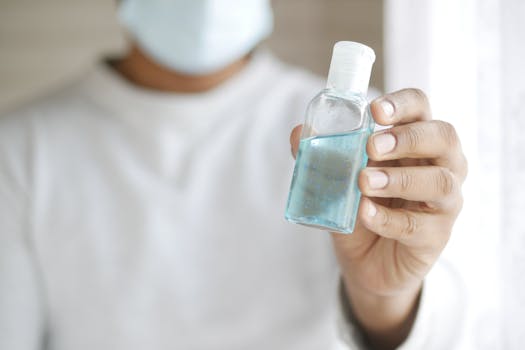
When you compare alcohol free mouthwash vs antiseptic, remember that the terms are not apples-to-apples. “Alcohol free” describes a formulation feature related to comfort and tissue tolerance. “Antiseptic” describes an antimicrobial function designed to reduce microbial load.
In many cases, the most practical approach is to match the rinse to your real goal:
- If you’re dealing with dryness or stinging, prioritize an alcohol-free rinse for better tolerance and consistent use.
- If you have a specific inflammatory or microbial issue, an antiseptic rinse may help—often best as a time-limited adjunct to mechanical plaque control.
- If you’re cavity-prone, fluoride-containing mouthwashes may be more relevant than relying on antiseptics alone.
Most importantly, mouthwash works best when it supports—not replaces—brushing, interdental cleaning, and saliva-friendly habits. If symptoms persist (ongoing bleeding, persistent bad breath, recurrent ulcers, or significant dryness), your dental professional can help identify the cause and tailor the approach.
23.05.2026. 03:49