

Oral Inflammation Link to Heart Disease, Diabetes, Respiratory Risk

Why mouth inflammation matters beyond the gums

Oral health is often treated as separate from whole-body health, but growing scientific evidence suggests a meaningful connection. Inflammation in the mouth—especially chronic gum disease (periodontitis)—does not stay local. It can influence the immune system, blood vessels, metabolic regulation, and even the lungs. This is not about claiming that every case of heart disease, diabetes, or respiratory disease starts in the mouth. Instead, oral inflammation appears to be one contributing factor that can worsen underlying risk and accelerate disease processes in susceptible people.
The key theme is inflammation and microbial activity. When the gums are inflamed, the balance of oral bacteria shifts, immune responses intensify, and inflammatory molecules can spread through the body. Over time, that chronic inflammatory state may affect cardiovascular health, insulin sensitivity, and respiratory defenses.
What “oral inflammation” means in medical terms
Oral inflammation most commonly refers to conditions such as gingivitis and periodontitis. Gingivitis is inflammation of the gum tissue, often reversible with improved oral hygiene. Periodontitis is more advanced: it involves destruction of the tissues that support teeth, typically with deeper pockets, bleeding, and bone loss.
From a biological standpoint, periodontitis is characterized by:
- Biofilm-driven bacterial imbalance in dental plaque
- Immune activation with elevated inflammatory mediators
- Tissue breakdown that can expose inflammatory pathways to the rest of the body
Even everyday activities—chewing, brushing, and flossing—can release bacteria and inflammatory components into the bloodstream in small amounts, particularly when gum tissue is ulcerated or bleeding. In most healthy individuals, the immune system clears these transient exposures. The concern is the cumulative effect when inflammation is persistent.
The biological pathways connecting oral inflammation to heart disease
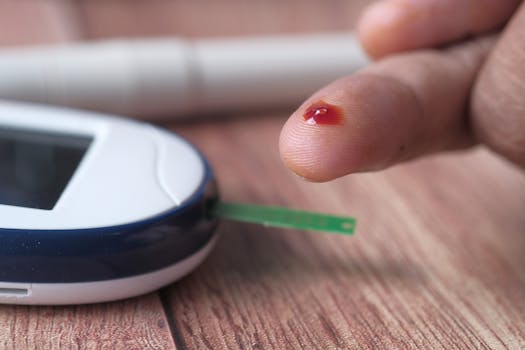
Cardiovascular disease is multifactorial, influenced by genetics, blood pressure, cholesterol, smoking, activity level, and more. Oral inflammation is best understood as a potential amplifier of existing risk.
Inflammatory mediators and vascular effects
Chronic periodontitis can elevate systemic inflammatory markers. Inflammation is not just a response; it can change how blood vessels behave. In arterial walls, inflammatory signaling may promote endothelial dysfunction (reduced ability of the vessel lining to regulate blood flow) and can support processes involved in atherosclerosis.
Inflammatory molecules circulating from the mouth may also contribute to a pro-thrombotic environment—conditions that favor clot formation—though the exact magnitude varies across individuals and studies.
Transient bacteremia and immune activation
During brushing or dental procedures, bacteria from inflamed gums can enter the bloodstream transiently. In most cases, these events are cleared. However, repeated exposure—especially with ongoing bleeding and deep periodontal pockets—can keep the immune system in a heightened state.
Researchers have also examined whether specific oral bacteria or their components could be found in vascular plaques. While findings are not uniform, the concept supports a plausible pathway: oral microbes and their inflammatory products may interact with immune cells that contribute to plaque development.
Why risk is higher in people with existing cardiovascular disease
If someone already has risk factors such as hypertension, diabetes, or smoking, the vascular system may be more vulnerable to inflammatory stress. In that context, untreated oral inflammation may add an extra burden. Clinical studies have found associations between periodontitis and conditions such as coronary artery disease and stroke, but causality is complex. Still, the inflammation link is biologically consistent with what we know about atherosclerosis.
Oral inflammation and diabetes: a two-way relationship
Diabetes and periodontal disease influence each other. Oral inflammation can worsen blood sugar control, and high blood glucose can make the gums more susceptible to infection and impaired healing.
How diabetes can increase gum inflammation
In diabetes, elevated glucose levels can affect immune function and tissue response. That can lead to:
- Greater susceptibility to infection due to altered immune responses
- Reduced healing capacity in inflamed tissues
- More severe periodontal breakdown in some people
As a result, people with poorly controlled diabetes often experience more frequent or severe gum disease.
How gum disease can affect insulin sensitivity
Periodontal inflammation can release cytokines and inflammatory mediators into circulation. These signals can interfere with insulin signaling pathways, potentially contributing to insulin resistance. In practical terms, chronic oral inflammation may make it harder for the body to manage glucose.
Some clinical trials suggest that periodontal treatment can improve glycemic control modestly, especially in people with more severe periodontitis. The effect is not guaranteed and depends on baseline diabetes control and how consistently treatment is maintained, but the overall direction supports a connection between oral inflammation and metabolic health.
Why the “link” matters clinically
Because the relationship is bidirectional, improving oral health may help support broader diabetes management. Conversely, better diabetes control can improve the oral environment, making gum inflammation less likely to escalate.
Respiratory risk: aspiration, immune changes, and oral bacterial load
Oral inflammation may increase respiratory risk through several mechanisms. The main concept is that the mouth is not isolated from the airway. Oral bacteria and inflammatory particles can be aspirated into the lower respiratory tract, particularly in older adults, people with swallowing difficulties, or those with severe illness.
Microaspiration and the oral-to-lung pathway
Microaspiration refers to small amounts of secretions entering the airway without obvious choking. In healthy individuals, protective reflexes and mucus clearance handle these events efficiently. But when the oral cavity has high bacterial burden—often seen with periodontitis—aspirated material may be more harmful.
This pathway has been studied in relation to pneumonia risk, chronic obstructive pulmonary disease (COPD) exacerbations, and other respiratory conditions. While not every person with gum disease will develop respiratory illness, oral inflammation can raise the background risk.
Inflammation and impaired local defense
Chronic systemic inflammation may also affect immune responses in the lungs. If the body is already in an inflammatory state, clearance of pathogens and regulation of inflammatory activity may be less effective.
Special populations where the link is more concerning
The oral-to-respiratory connection is particularly relevant for:
- Older adults with reduced saliva flow
- People with dysphagia or swallowing disorders
- Individuals with poor oral hygiene or limited ability to perform daily care
- Those in healthcare settings where respiratory infections are more common
How inflammation spreads: from gums to the bloodstream to distant organs

To understand the “oral inflammation link to heart disease diabetes respiratory” concept, it helps to think in systems. The mouth can act as a chronic inflammatory source. When inflammation is persistent, immune cells and inflammatory mediators can circulate. Bacterial components can enter the bloodstream transiently and interact with immune pathways elsewhere.
Several factors influence how strongly oral inflammation affects the rest of the body:
- Severity of periodontal disease (deep pockets and bleeding are more likely to sustain inflammation)
- Duration (chronic exposure over years increases the likelihood of systemic effects)
- Host response (some people mount stronger inflammatory reactions)
- Existing comorbidities (diabetes, cardiovascular disease, smoking, and immune compromise can magnify impact)
- Oral hygiene consistency and accessibility of dental care
Importantly, there is no single pathway that explains every case. The evidence supports association and plausible mechanisms, but individual risk depends on the person’s overall health context.
Practical ways to reduce oral inflammation and potentially lower systemic risk
Oral health strategies focus on controlling the plaque biofilm and calming inflammation. While no approach can guarantee prevention of heart disease, diabetes complications, or respiratory illness, reducing chronic gum inflammation is a rational step for overall risk reduction.
Daily cleaning that targets the gumline
Effective plaque control is foundational. For most people, this includes:
- Brushing twice daily with a fluoride toothpaste, using gentle pressure to avoid gum trauma
- Cleaning between teeth with floss or interdental brushes to disrupt plaque where toothbrush bristles can’t reach
- Consistent technique—small improvements in thoroughness often matter more than switching tools
Some people benefit from an electric toothbrush because it can improve plaque removal when technique is inconsistent. Another helpful adjunct for some individuals is an antimicrobial mouth rinse, particularly when used as directed as part of a periodontal care plan. These measures can support gum health, but they work best alongside professional assessment and ongoing biofilm control.
Recognizing warning signs that inflammation may be chronic
Consider evaluation by a dental professional if you notice:
- Bleeding when brushing or flossing
- Persistent bad breath despite cleaning
- Gum swelling, redness, or tenderness
- Teeth that feel loose or shifting
- New spacing between teeth or changes in bite
These symptoms can reflect gingivitis or periodontitis. Early periodontal treatment is more effective at preventing deeper tissue damage.
Professional periodontal care and maintenance
For periodontitis, professional treatment may include deep cleaning (scaling and root planing) and individualized maintenance schedules. The goal is to reduce bacterial load in pockets and allow gum tissues to heal.
Maintenance matters. Even after successful treatment, plaque can re-accumulate. Risk reduction depends on sustaining control over time, especially in people with diabetes or smokers.
Linking oral care with medical management
Because diabetes and cardiovascular risk intersect with periodontal disease, coordination can be helpful. If you have diabetes, discuss oral health status with your clinician and ask about appropriate timing for dental care relative to your diabetes management plan. If you have heart disease or stroke history, inform your dentist about relevant medications and medical conditions, particularly if you are on anticoagulants.
Medication can influence oral health as well. Some drugs reduce saliva flow, increasing risk for gum inflammation and infections. Addressing dry mouth and maintaining hydration can support oral stability.
Common misconceptions and what the science can and cannot say
It’s easy to oversimplify the relationship between oral inflammation and systemic disease. A few clarifications help keep expectations realistic.
- Association does not automatically equal causation. Studies show links, and mechanisms are plausible, but individual outcomes depend on many factors.
- Oral inflammation is a risk modifier, not a sole cause. Heart disease, diabetes, and respiratory illness have multiple drivers. Gum inflammation may contribute alongside others.
- Improving oral health is still valuable. Regardless of systemic links, untreated periodontitis can cause tooth loss and chronic discomfort.
In other words, the best interpretation is that controlling oral inflammation can support overall health and may reduce certain risks, particularly for people already vulnerable due to metabolic or cardiovascular conditions.
Prevention guidance: an evidence-based routine for whole-body health

A prevention-focused approach centers on reducing chronic oral inflammation and maintaining consistency. Consider these steps:
- Schedule regular dental exams and periodontal evaluations, especially if you have bleeding gums or diabetes.
- Adopt interdental cleaning as a non-negotiable habit if you have teeth with contact areas that trap plaque.
- Manage risk factors such as smoking, which worsens periodontal inflammation and impairs healing.
- Control blood glucose if you have diabetes, since metabolic stability supports gum health.
- Address dry mouth by discussing medication effects with a clinician and using saliva-support strategies as appropriate.
- Seek evaluation promptly when symptoms suggest worsening gum disease rather than waiting for pain.
For people at higher respiratory risk—such as older adults, those with swallowing problems, or individuals with frequent infections—oral hygiene support can be especially important. Caregivers and healthcare teams should consider oral care as part of respiratory risk reduction.
Summary: the inflammatory bridge between mouth, heart, metabolism, and lungs
The oral inflammation link to heart disease diabetes respiratory health is best understood as an inflammation-driven bridge. Chronic periodontal disease can increase systemic inflammatory signaling, influence vascular function, contribute to insulin resistance, and raise respiratory risk through bacterial load and microaspiration. The strength of these effects varies by person, but the biological pathways are consistent with what researchers observe across clinical and mechanistic studies.
Practically, the most reliable steps are also the simplest: thorough daily plaque control at the gumline, interdental cleaning, timely professional periodontal evaluation, and coordinated management of diabetes and other health conditions. By reducing persistent gum inflammation, you support not only healthy teeth and gums, but also the broader immune and inflammatory balance that affects cardiovascular, metabolic, and respiratory outcomes.
18.03.2026. 00:58