

Vitamin C, Zinc, Copper, Manganese & Collagen Cross-Linking Cofactors

Collagen is a structural protein that helps keep skin, tendons, ligaments, and blood vessels strong and resilient. But collagen isn’t “finished” when it’s made—its stability depends on cross-linking, a biochemical process that requires specific cofactors. In this FAQ hub, you’ll find practical, evidence-informed answers about how vitamin C, zinc, copper, and manganese contribute to collagen cross-linking and tissue integrity.
What does collagen cross-linking do for tissue integrity?
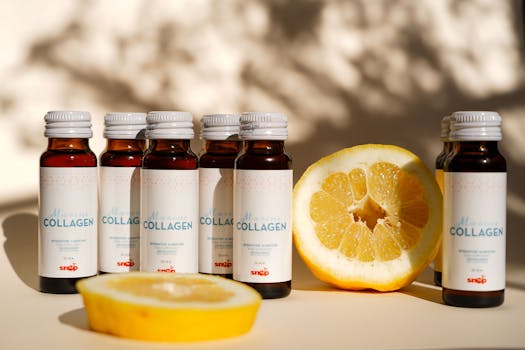
Collagen cross-linking strengthens collagen fibers by creating chemical bridges between collagen molecules. These links improve tensile strength, reduce excessive breakdown, and help collagen resist deformation under stress. Cross-linking also affects how collagen behaves in healing and remodeling—important for wound closure, scar quality, and maintaining the mechanical properties of connective tissue.
How does vitamin C support collagen cross-linking?
Vitamin C is essential for proper collagen formation because it supports enzymes involved in collagen maturation. A key step is enabling prolyl and lysyl hydroxylation, reactions that help stabilize the collagen triple helix and prepare collagen for cross-linking. Without adequate vitamin C, collagen may be formed but tends to be weaker and more susceptible to breakdown. Vitamin C also supports the oxidative steps required for certain collagen-related enzymatic processes, linking it directly to the cross-linking pathway.
Why are zinc and collagen cross-linking cofactors linked?

Zinc participates in cellular functions that influence extracellular matrix (ECM) maintenance. While zinc is not the direct hydroxylating reagent, it supports the activity of enzymes and transcription factors involved in connective tissue homeostasis. Zinc also helps regulate inflammatory signaling and tissue repair processes, which can indirectly affect how well collagen is produced and remodeled. In practical terms, adequate zinc helps ensure the broader biochemical environment needed for consistent collagen turnover and integrity.
What role does copper play in collagen cross-linking?
Copper is a critical cofactor for enzymes involved in forming collagen cross-links. Specifically, copper supports lysyl oxidase, an enzyme that catalyzes the oxidative deamination of certain lysine residues in collagen and related ECM proteins. This reaction generates reactive intermediates that enable cross-links to form. Because lysyl oxidase requires copper, low copper status can impair cross-link formation and weaken connective tissue structures.
How does manganese contribute to collagen maturation?
Manganese is involved in enzyme systems that support connective tissue metabolism and antioxidant defenses. Like zinc and copper, manganese supports processes that influence ECM remodeling. While the collagen cross-linking step is most directly tied to copper-dependent lysyl oxidase activity, manganese contributes to the broader enzymatic network that helps cells produce, process, and maintain collagen and other matrix components. Adequate manganese status supports normal metabolic function, which can affect collagen quality over time.
Which enzymes are most directly involved in collagen cross-linking?
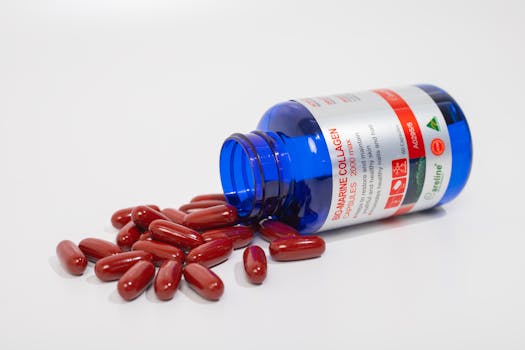
The cross-linking pathway includes several enzymatic steps. The most commonly discussed include:
- Prolyl hydroxylase and lysyl hydroxylase (vitamin C–dependent) for hydroxylation steps that stabilize collagen and prepare residues for cross-linking.
- Lysyl oxidase (copper-dependent) for oxidative reactions that enable cross-link formation.
- Downstream cross-link formation and ECM remodeling processes that involve cellular regulation, adequate mineral status, and balanced oxidative conditions.
These steps work together; deficiencies in any critical cofactor can disrupt the sequence.
What happens to collagen if vitamin C intake is low?
Insufficient vitamin C can impair collagen maturation. The result may include reduced stability of collagen fibers, slower wound healing, and increased fragility of connective tissues. Severe deficiency is classically linked to scurvy, but milder insufficiency can still affect collagen integrity and recovery. If you notice easy bruising, poor wound healing, gum bleeding, or chronic fatigue with dietary risk factors, it’s reasonable to discuss vitamin C status with a clinician.
Can low copper or high copper affect connective tissue strength?
Yes. Low copper can reduce lysyl oxidase activity, limiting collagen cross-link formation and potentially weakening connective tissues. Excess copper can also be problematic because copper levels must be regulated precisely. Copper interacts with other minerals, particularly zinc, which competes for absorption pathways. If copper imbalance is suspected, it’s important not to self-correct with high-dose supplements without guidance, since mineral status is interdependent.
How does zinc status influence collagen-related healing processes?

Zinc supports multiple aspects of tissue repair, including immune signaling, cell proliferation, and the functioning of enzymes involved in matrix maintenance. When zinc status is low, healing can be slower and tissue remodeling may be less effective. Zinc also helps maintain an environment where cells can produce and organize ECM components. Adequate zinc intake is particularly relevant during periods of stress on the body, such as recovery from injury.
Is manganese deficiency common, and does it matter for collagen?
Manganese deficiency is less common than vitamin C deficiency, but it can occur when intake is low or absorption is impaired. Manganese contributes to enzyme systems involved in metabolism and antioxidant defense, which support normal connective tissue maintenance. Because collagen integrity depends on the overall metabolic environment, inadequate manganese—though uncommon—can contribute to less-than-optimal ECM remodeling.
Do collagen supplements contain the cofactors that cross-link collagen?
Most collagen supplements provide collagen peptides, not the cofactors required for cross-linking enzymes. Cross-linking is governed by your body’s enzymatic machinery and nutrient status. If your intake of vitamin C, copper, zinc, and manganese is low, simply adding collagen peptides doesn’t directly solve the cofactor requirement for proper collagen maturation. The most relevant question is whether your diet supports the enzyme steps described above.
How can diet support vitamin C, zinc, copper, and manganese for tissue integrity?

A practical approach is to include nutrient-dense foods that naturally provide these cofactors:
- Vitamin C: citrus fruits, kiwi, berries, peppers, and many leafy greens.
- Zinc: meat, shellfish, beans, lentils, dairy, nuts, and seeds.
- Copper: shellfish, organ meats, cocoa, nuts, seeds, and whole grains.
- Manganese: whole grains, nuts, seeds, beans, and leafy vegetables.
Dietary patterns matter because these nutrients often come from different food groups. If you’re vegetarian or vegan, you can still meet needs, but planning for minerals like zinc and copper may require more attention.
What factors besides diet can affect collagen cross-linking cofactors?
Several non-diet factors can influence cofactor status and collagen maturation:
- Absorption issues: gastrointestinal disorders, bariatric surgery history, or chronic malabsorption can reduce uptake of minerals.
- Medications: some drugs can affect mineral absorption or utilization.
- High oxidative stress or chronic inflammation: can alter ECM remodeling dynamics and increase the demand for antioxidant support.
- Smoking and excess alcohol: can impair connective tissue health and healing processes.
- Increased physiological demand: pregnancy, growth, recovery from injury, and periods of rapid tissue remodeling.
If symptoms suggest a deficiency or imbalance, laboratory assessment guided by a clinician is more reliable than guessing.
Are there signs that suggest a cofactor imbalance relevant to collagen?
Symptoms can be non-specific, but some patterns may raise suspicion:
- Low vitamin C: gum bleeding, slow healing, easy bruising, fatigue.
- Low zinc: frequent infections, impaired wound healing, hair shedding, taste changes.
- Low copper: fatigue, anemia patterns, and connective tissue concerns (often alongside other signs).
- Mineral imbalance: unexplained changes in skin integrity, persistent healing delays, or recurring skin and tissue issues.
Because these symptoms overlap with many conditions, lab testing and medical evaluation are important when issues persist.
How should someone approach supplementation of vitamin C, zinc, copper, and manganese?

Supplementation can be appropriate when dietary intake is insufficient or when a clinician identifies a deficiency. Key points:
- Avoid stacking high doses: because zinc and copper can compete for absorption, high zinc intake can contribute to copper deficiency over time.
- Use lab data when possible: nutrient-responsive symptoms can still have multiple causes.
- Consider meal timing: minerals may compete when taken together; spacing can matter depending on the form and dose.
- Be cautious with long-term high-dose copper: copper is essential but can be harmful in excess.
If you’re considering supplements, it’s reasonable to review your diet, medications, and health history with a qualified clinician or registered dietitian to target the actual need.
Does collagen cross-linking relate to wound healing and scar formation?
Yes. Wound healing involves collagen deposition and remodeling over time. Cross-linking influences the strength and durability of newly formed tissue and can affect scar characteristics. Adequate vitamin C supports collagen maturation, while copper-dependent lysyl oxidase activity supports cross-link formation. Zinc supports the cellular environment needed for repair and remodeling. When these processes are disrupted—due to deficiency, absorption issues, or impaired metabolic conditions—healing may be slower or the resulting tissue may have different mechanical properties.
What is the connection between these cofactors and blood vessels or skin structure?
Collagen is a major component of the extracellular matrix in skin and the structural framework of blood vessels. Cross-linking contributes to vessel wall integrity and skin tensile strength. Vitamin C-dependent hydroxylation helps ensure collagen stability, copper supports cross-link formation via lysyl oxidase, and zinc supports ECM maintenance and repair signaling. Manganese contributes to overall enzyme function and antioxidant-related pathways that support tissue homeostasis.
Can labs test for vitamin C, zinc, copper, and manganese status?
Clinicians can evaluate nutrient status using blood and other tests, depending on availability and context. Common approaches include serum measurements for zinc and copper, and assessments for vitamin C status when clinically indicated. Manganese testing is less routine but may be considered in specific scenarios. Testing is most useful when symptoms, diet history, and risk factors suggest a deficiency or imbalance. It’s also important to interpret results in context because inflammation, supplements, and recent intake can influence values.
What should you remember about vitamin C, zinc, copper, manganese, and collagen cross-linking?
Collagen cross-linking depends on a coordinated set of enzymatic steps and the cofactors that enable them. Vitamin C is central to collagen maturation through hydroxylation reactions. Copper directly supports lysyl oxidase, a key enzyme for cross-link formation. Zinc and manganese help maintain the broader biochemical environment for extracellular matrix maintenance and remodeling. Supporting tissue integrity is often less about any single nutrient and more about meeting all relevant cofactors consistently through diet and, when needed, targeted clinical guidance.
13.04.2026. 22:48