

Resting Heart Rate Drops but HRV Stalls: Troubleshooting Guide

What the pattern looks like and why it matters
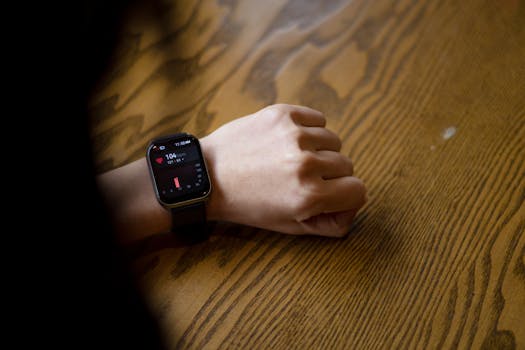
Seeing your resting heart rate trend downward while HRV remains flat can be confusing, especially if you’re training consistently and expecting all recovery markers to move together. This pattern often shows up as: your morning resting heart rate (RHR) slowly improves, but your HRV values (often RMSSD or a similar metric) stall for days or weeks.
In practical terms, your body may be showing partial adaptation (lower baseline sympathetic load reflected in RHR), while the autonomic balance and readiness signals captured by HRV aren’t shifting. That can happen when recovery is “good enough” for baseline heart rate, yet still not fully restored for the system HRV represents—often influenced by sleep quality, stress load, and training strain.
Because HRV is sensitive to day-to-day variability, a stall can be either a measurement issue or a sign that something is preventing full recovery. The goal of troubleshooting is to separate those two quickly and then adjust the most likely lever.
Most likely causes behind resting heart rate dropping but HRV stalling
Several causes commonly create this exact mismatch. Start with the ones that most often explain “HRV stalled” while RHR improves.
- Measurement or sensor inconsistency: HRV is harder to measure reliably than RHR. Loose strap fit, optical sensor placement issues, movement artifacts, cold skin, or inconsistent measurement timing can flatten HRV while RHR still trends.
- HRV metric sensitivity to sleep: HRV often correlates strongly with sleep stage distribution and sleep regularity. You may be sleeping “enough” to lower RHR, but not enough quality or not consistently (late nights, fragmented sleep, alcohol, late caffeine).
- Training stress not fully recovered: You can adapt enough to reduce baseline heart rate while still carrying residual fatigue that prevents HRV from improving. This is common when total weekly load rises, even if workouts feel manageable.
- Psychological or environmental stress: Work pressure, travel, heat, altitude changes, or dehydration can suppress HRV without necessarily pushing RHR upward.
- Nutrition and energy availability: Low carbohydrate availability, low total calories, or inconsistent fueling can affect autonomic recovery. RHR may improve from improved fitness, while HRV remains blunted if energy intake doesn’t support recovery.
- Overreaching in a “quiet” way: Some athletes experience a delayed HRV response. RHR drops from adaptation, but HRV stalls when training intensity or neuromuscular load is high, or when easy days aren’t truly easy.
- Medication or stimulants: Beta-blockers, some antidepressants, and regular use of nicotine or high caffeine can alter HRV patterns. Even if RHR shifts as expected, HRV may not respond.
With those in mind, follow a step-by-step troubleshooting process to identify which category you’re in.
Step-by-step troubleshooting and repair process
Work through these steps in order. If you correct a measurement problem, your HRV “stall” may resolve immediately. If measurement is sound, then the next steps focus on recovery inputs and training load.
1) Confirm the HRV measurement is trustworthy
Many people track HRV using a wearable that estimates HRV from morning measurements or nightly readings. HRV is more sensitive to artifacts than RHR. Do a quick verification:
- Check strap tightness (if using a chest strap): It should be snug enough to prevent shifting during sleep and movement. Too loose often makes HRV unreliable.
- Check sensor placement (if using an optical watch): Ensure the sensor sits consistently on the same spot on your wrist. Wear it slightly above the wrist bone and avoid excessive looseness.
- Look for consistent measurement timing: If you’re measuring at different times each day, HRV can vary. Use the same routine window (for example, right after waking before major movement).
- Control skin conditions: Cold mornings can reduce signal quality. Warm up your wrist/skin and ensure the device is clean and dry.
- Review data quality indicators: If your app flags low-quality readings or “unreliable HR,” treat those HRV points as suspect.
Practical repair: for one week, keep measurement conditions as consistent as possible. If HRV starts moving while RHR continues down, the prior stall was likely measurement noise.
If you want to reduce measurement variance, consider using a consistent method (for example, stick to the same device and same measurement mode). Some endurance athletes also use a chest strap for HRV stability because it can be less sensitive to wrist motion than optical sensors.
2) Verify you’re comparing the right HRV trend
HRV values can be calculated differently depending on device settings and algorithms. Common examples include RMSSD and other time-domain metrics. If you changed settings, updated firmware, or switched apps/accounts, the HRV scale may not be directly comparable.
- Confirm whether your app reports RMSSD (or another metric) and whether that metric changed.
- Check for firmware/app updates around the time the stall began.
- Use the same time window for trend evaluation (for example, a 7-day rolling average).
Practical repair: re-establish a consistent measurement period and compare only like-for-like data.
3) Audit sleep quality and regularity for the last 10 days
If measurement is reliable, the next most common explanation is sleep disruption. HRV often reflects parasympathetic recovery and sleep architecture more than overall sleep duration.
- Bed and wake time consistency: Even small shifts can affect HRV.
- Sleep fragmentation: Frequent awakenings, restless sleep, or late-night screen time can flatten HRV.
- Caffeine timing: Try stopping caffeine 8–10 hours before bed for a week.
- Alcohol: Even moderate alcohol can reduce HRV the next day.
- Room temperature: Overheating or cold can fragment sleep.
Practical repair: make one controlled change at a time (for example, consistent wake time plus earlier caffeine cutoff) and observe whether HRV begins to respond within several days.
4) Adjust training load using the “easy must be easy” rule
RHR may improve with fitness, but HRV can stall if training stress hasn’t fully been absorbed. This is especially common when easy days are not truly easy or when intensity is creeping up.
- Reduce intensity for 5–7 days: Remove or significantly shorten high-intensity sessions (intervals, tempo at the high end, hard strength circuits).
- Cap total weekly load: Keep volume stable or slightly reduced. If you recently increased weekly minutes, back off.
- Make recovery rides/runs genuinely easy: Keep them in a low-effort zone where you can speak comfortably.
- Consider one full rest day: Not as a punishment—just to test whether HRV rebounds when strain drops.
Practical repair: run a short “de-load test.” If HRV starts improving during the lower-stress week, you’ve identified training load as the limiting factor.
5) Check stressors outside training
HRV is sensitive to non-training stress that doesn’t necessarily raise RHR. Look for:
- Work deadlines, travel, poor schedule regularity
- Heat exposure, dehydration, long days on your feet
- Illness symptoms (even mild ones)
- Family or mental stress that disrupts sleep
Practical repair: for 3–5 days, reduce your total stress load where possible—earlier bedtime, hydration focus, and fewer late nights. If HRV resumes movement, the stall was likely stress-related.
6) Evaluate fueling and hydration for recovery support
If your training has ramped up, your recovery can lag if energy and fluids don’t match demand. This can blunt HRV while RHR still improves.
- Carbohydrate intake: Ensure you’re not chronically under-fueling endurance sessions and recovery days.
- Protein distribution: Aim for consistent protein intake across the day.
- Electrolytes: Especially if you sweat heavily, include sodium and fluids rather than relying on water alone.
Practical repair: for one week, prioritize post-workout carbs and adequate total calories. If HRV improves, under-recovery was likely part of the stall.
7) Consider readiness and recovery interventions (without overcorrecting)
When measurement, sleep, and load are reasonable, targeted recovery strategies can help HRV move.
- Light movement on rest days (easy walk, gentle mobility) rather than complete inactivity.
- Breathing or relaxation before bed if stress is high.
- Consistency over intensity: avoid stacking hard sessions with poor sleep.
Practical repair: choose one intervention and keep training stable. Overcorrecting with multiple changes at once makes it hard to learn what worked.
Solutions from simplest fixes to more advanced fixes
Use this ordered approach to reduce time-to-resolution.
Start with the simplest: data integrity and routine consistency
- Keep measurement timing consistent.
- Clean the sensor and ensure proper fit.
- Use a consistent HRV metric and trend window.
Then address the most common physiological blockers: sleep and training strain
- Improve sleep regularity (bed/wake consistency, earlier caffeine cutoff).
- Run a 5–7 day deload focused on removing intensity and making easy days truly easy.
Next: reduce external stress and improve recovery inputs
- Stabilize hydration and electrolytes.
- Ensure adequate calories and carbohydrates for your training phase.
- Manage schedule stress (earlier bedtime, fewer late-night disruptions).
Advanced troubleshooting: look for hidden illness, medication effects, and deeper load issues
- Check for lingering illness signs or a recent infection that could blunt HRV.
- Review medication/supplement changes (stimulants, nicotine, beta-blockers, etc.).
- Consider whether strength training or high-impact work is creating neuromuscular load that HRV is reacting to.
If you have access to a second measurement method (for example, a different device or a chest strap versus wrist optical), use it for a short cross-check. Agreement between devices increases confidence that the stall is real.
When to consider replacement, recalibration, or professional help
Most HRV stalls resolve once measurement and training/recovery inputs are corrected. Still, there are times to escalate.
Consider recalibration or replacement of the sensor if:
- Your HRV readings are frequently flagged as low quality or missing while RHR looks stable.
- HRV values vary wildly day-to-day without any plausible lifestyle or training change.
- You’ve verified fit, placement, cleanliness, and consistent timing, yet HRV remains flat for multiple weeks.
- The device shows persistent connectivity or data dropouts during sleep.
If you’ve used the same wearable for a long period, battery or sensor degradation can also contribute to signal issues. In that case, replacing the wearable or using a known-stable measurement method (such as a chest strap for HRV) can clarify whether the problem is hardware.
Seek professional help if:
- You have symptoms such as chest pain, fainting, unusual shortness of breath, or persistent palpitations.
- Resting heart rate becomes consistently abnormal for you (not just a trend change) or you notice a sharp, sustained deterioration.
- HRV remains suppressed alongside ongoing fatigue, sleep disruption, or signs of illness that don’t resolve.
A clinician can evaluate cardiovascular and systemic causes that wearables can’t diagnose. This is especially important if you’re training hard and HRV is not just “stalled,” but accompanied by concerning symptoms.
If you want a practical takeaway: treat “resting heart rate drops but HRV stalls” as a signal to verify measurement first, then run a short deload and tighten sleep and recovery inputs. When HRV responds, you’ve found the limiting factor; when it doesn’t, it’s time to broaden troubleshooting to stressors, fueling, and—if needed—medical evaluation.
10.02.2026. 03:06