

Uneven Pigmentation: Troubleshooting Dark Spots Causes

Uneven pigmentation and dark spots: what you’re really seeing
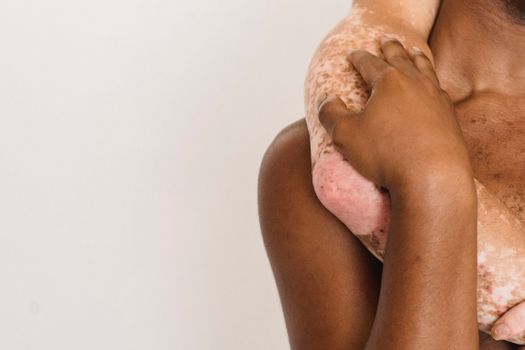
When your skin looks patchy or darker in certain areas, it can feel confusing—especially if you didn’t notice a clear injury or rash. Uneven pigmentation is often the visible result of increased melanin production, uneven melanin distribution, or changes in how skin repairs itself after irritation.
In symptom terms, “dark spots” are not one single condition. They can be post-inflammatory marks after acne or irritation, sun-related discoloration, hormonal changes, or—less commonly—something that needs medical evaluation. The goal of troubleshooting is to connect your pattern (where it appears, how it behaves, and what happened before it started) to the most likely cause.
This guide focuses on uneven pigmentation troubleshooting dark spots causes: what typically drives them, how to narrow the possibilities, and how to respond in a way that reduces risk while you figure out next steps.
First, map the pattern: location, shape, and timing
Before you change your routine or start treating aggressively, take 2–3 minutes to “read” your skin. Your description matters because different causes show up in different patterns.
Where the dark spots are matters
- Face, especially cheeks and forehead: often linked to sun exposure, hormonal influences, or post-inflammatory pigmentation from irritation.
- Hands, forearms, upper chest: more consistent with cumulative UV damage (lentigines/“sun spots”).
- Around the mouth, jawline, or areas exposed to friction: can be post-inflammatory or related to irritation and occlusion (including shaving, masks, or tight collars).
- Under eyes or along the temples: may overlap with melasma-like patterns or chronic irritation.
- Lower legs or scattered spots after hair removal or folliculitis: can be post-inflammatory or follicular-related pigmentation.
How they look gives clues
- Flat, light-to-dark brown patches: often melanin-driven discoloration (sun spots, melasma, post-inflammatory hyperpigmentation).
- Small, round or oval spots that slowly multiply: often sun-related lentigines.
- Marks that appeared after a pimple, scrape, burn, or waxing/shaving bump: strongly suggests post-inflammatory hyperpigmentation.
- Freckles that darken quickly after sun: points toward UV-driven melanocyte activity.
Timing helps you troubleshoot
Ask yourself: what was happening 2–12 weeks before the darkening? Post-inflammatory marks often show up after a flare or irritation and can take 3–6 months to fade, sometimes longer. Sun-related spots tend to accumulate gradually over years. Hormonal pigment changes can intensify over weeks and months, especially with pregnancy, birth control changes, or thyroid shifts.
Most common causes of uneven pigmentation and dark spots
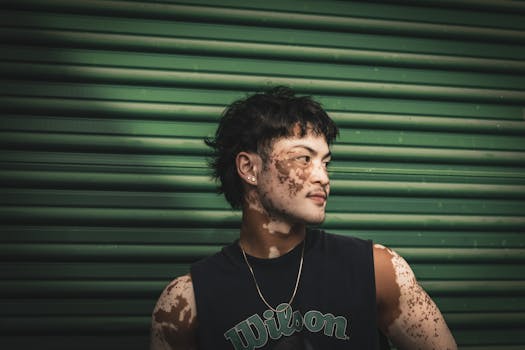
Below are the most frequent drivers. Your job is to match your pattern and history to the best fit.
Post-inflammatory hyperpigmentation (PIH): the most common scenario
PIH happens when skin inflammation triggers extra melanin. It’s common after acne, eczema, contact dermatitis, bug bites, folliculitis, burns, or even aggressive scrubbing. If your dark spots followed a flare, PIH is a leading suspect.
Real-world example: you break out around the jaw from mask friction or shaving irritation, the bumps settle, but the area stays brown for months. That “memory” of inflammation is PIH. The spots may be flat and range from light brown to dark brown depending on your baseline skin tone and the depth of inflammation.
Key troubleshooting clues:
- History of a pimple/irritation in the same area
- Color is usually brown/gray-brown
- Surface looks smooth (not scaly or raised like some rashes)
- May fade slowly once triggers stop and sun protection is consistent
Sun exposure and UV-driven lentigines (“sun spots”)
UV light stimulates melanin. Over time, this can create discrete flat spots—often on chronically exposed areas like hands, face, and forearms. These can appear after decades of exposure, but they can also become more noticeable as you age or after a period of heavy sun.
Troubleshooting clues:
- Spots are often on sun-exposed zones
- They may slowly increase in number
- They don’t necessarily follow a specific rash or injury
- They can darken after vacations or summer months
Melasma: hormonal and sun-sensitive pigmentation
Melasma often presents as symmetric patches on the face. It can worsen with sunlight and heat, and it is frequently influenced by hormones. Triggers can include pregnancy, hormonal contraception, and sometimes thyroid-related changes.
What it looks like: diffuse or patchy brown to gray-brown discoloration, often on cheeks, upper lip, forehead, and temples. It may have a “blurred edge” rather than a sharply defined spot.
Real-world scenario: during pregnancy or after starting a new hormonal birth control, you notice a gradual darkening over the cheeks and upper lip. Even when you use gentle skincare, the pigment persists and becomes more obvious in summer.
Troubleshooting clues:
- Symmetry on the face
- Worsens with sun exposure
- Often linked to hormonal shifts
- Can be stubborn and recur
Friction, occlusion, and hair-removal irritation
Not all dark spots are from “disease.” Mechanical irritation can be enough to set off inflammation. Tight clothing, repetitive rubbing, harsh exfoliation, frequent shaving, waxing, and certain hair removal methods can trigger PIH-like changes.
Troubleshooting clues:
- Darkening occurs in areas of friction (inner thighs, underarms, neck, waistline)
- It follows a period of increased shaving/waxing or new clothing
- You may notice bumps or ingrown hairs alongside discoloration
Medication-related pigmentation changes
Some medications can increase photosensitivity or influence pigment activity. This doesn’t mean you should stop medications—rather, it’s a clue to discuss with a clinician if the timing matches.
Examples of categories that can be associated with pigmentation changes include certain antibiotics, anti-inflammatory drugs, and some psychotropic medications, among others. The exact risk depends on the drug and your sun exposure.
Troubleshooting clues:
- Dark spots appeared after starting a new medication or dose change
- Worsening occurs in sun-exposed areas
- Not clearly linked to acne or a rash
Nutritional and systemic factors (less common, but worth considering)
Uneven pigmentation can sometimes be influenced by systemic health. Iron deficiency, for example, can affect skin tone and overall appearance, though it’s not a direct cause of classic “dark spots” the way UV and inflammation are. Thyroid disorders can contribute to changes in pigment patterns in some people.
If your skin changes are widespread, accompanied by other symptoms (fatigue, hair changes, weight changes), it’s reasonable to consider a broader evaluation rather than focusing only on topical treatments.
How to troubleshoot your likely cause using a simple checklist
You can narrow your cause without guessing blindly. Use this structured approach.
Step 1: Identify any recent triggers
- Acne flare within the last 1–3 months?
- New skincare, retinoids, acids, or scrubs that caused stinging, redness, or peeling?
- Shaving/waxing changes?
- Heat, sweat, or friction increase (new job, workouts, tighter clothing)?
- Significant sun exposure without consistent sunscreen?
- Hormonal change (pregnancy, birth control, irregular cycles)?
If you can point to one main trigger, PIH, friction-related irritation, or sun-driven pigment becomes more likely.
Step 2: Compare pattern to common pigment types
- Single area after a visible inflammation: PIH
- Small spots on sun-exposed skin: lentigines
- Patchy, symmetric facial discoloration: melasma
- Darkening after mechanical irritation: friction/follicular irritation with PIH
Step 3: Track changes over 6–12 weeks
Pigment doesn’t always respond quickly. If you begin consistent sun protection and reduce irritation, many PIH patterns should show visible improvement within 8–12 weeks. Melasma can improve more slowly and may recur.
If nothing changes after you’ve minimized triggers for 2–3 months, reassess the cause and consider professional evaluation.
What to do first: safe, evidence-based steps while you troubleshoot
Even before you know the exact cause, there are foundational steps that protect your skin barrier and reduce ongoing pigment stimulation.
Prioritize daily sun protection (this is non-negotiable)
UV exposure is a pigment amplifier. If you want dark spots to fade, you need consistent coverage. For many people, sunscreen is the difference between improvement and persistence.
Practical guidance:
- Use a broad-spectrum sunscreen every morning.
- Apply enough product—many adults use about two finger lengths for the face and neck.
- Reapply if you’re outdoors for more than 2 hours, or after heavy sweating.
- If you’re indoors near windows, consider whether your routine includes adequate protection; UVA can still contribute.
If you work outdoors or commute long distances, your pigment risk is higher. That’s not a moral issue—just a physics issue. Adjusting sun exposure is part of troubleshooting.
Reduce irritation while avoiding “over-exfoliation”
When you’re trying to fade dark spots, it’s tempting to add more acids or scrub harder. That can backfire by increasing inflammation and worsening PIH.
A practical rule: if your skin is stinging, burning, or visibly inflamed, pause aggressive actives and focus on barrier support. Your first goal is calm, even skin.
Common triggers to dial back temporarily:
- Frequent physical scrubs
- Layering multiple strong exfoliants
- Using high-strength retinoids too often during irritation
- Harsh cleansing if your skin feels tight
Consider gentle, targeted pigment support (without guessing wildly)
Once your skin is calm and sun protection is consistent, topical pigment-support ingredients may help. The most important point for troubleshooting is to introduce changes gradually so you can tell what’s helping and what’s causing irritation.
Common categories used for uneven pigmentation include:
- Niacinamide (often used for barrier support and pigment modulation)
- Vitamin C (antioxidant support, may help brighten)
- Azelaic acid (often used for PIH and acne-related marks)
- Retinoids (support cell turnover; can irritate if overused)
- Hydroquinone (used under medical guidance; typically not for indefinite self-treatment)
Because your exact cause may differ, the safest approach is to start one change at a time and monitor for irritation.
Specific troubleshooting by common cause
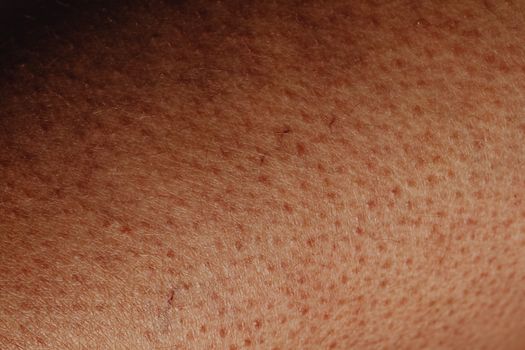
Once you’ve narrowed the likely cause, you can tailor your approach. The aim is to address the driver—sun, inflammation, hormones, or friction—rather than only chasing color.
If you suspect PIH (post-inflammatory hyperpigmentation)
PIH improves when you stop the inflammation cycle and protect from UV. That means you troubleshoot both the pigment and the trigger.
- Stop the new inflammation: If acne is active, focus on controlling it. If irritation is from shaving, adjust technique and frequency.
- Be patient: PIH can take 3–6 months to fade meaningfully.
- Introduce pigment actives slowly: If you use multiple brightening agents at once, you won’t know what caused irritation (or improvement).
- Avoid picking: Picking prolongs inflammation and deepens pigmentation.
Practical example: you have dark marks after a series of breakouts on the chin. You switch to a gentler cleanser, stop using harsh scrubs, apply sunscreen daily, and treat active acne consistently. Over 10–12 weeks, the marks lighten gradually, and new spots stop appearing.
If you suspect sun spots or lentigines
Sun spots are driven by cumulative UV exposure. Daily protection helps prevent new ones, but existing spots often require time and sometimes professional treatments for faster improvement.
- Protect consistently: This prevents additional UV stimulation.
- Expect slower change: Lentigines may not fade quickly with topical care alone.
- Consider clinician evaluation: Not because you “failed,” but because the diagnosis matters. Some brown spots can mimic others.
If a spot is newly appearing and changing quickly, it’s important to have it assessed rather than treating it as “just pigmentation.”
If you suspect melasma
Melasma is notoriously influenced by both UV and visible light. It also tends to recur after improvement.
- Use strict sun protection: Many people need more than minimal coverage. Hats and shade can matter.
- Minimize heat and irritation: Heat can worsen melasma for some.
- Be cautious with aggressive routines: Over-exfoliation can worsen inflammation and darken patches.
- Plan for longer timelines: Visible improvement can take 3–6 months or more, and maintenance is often required.
If you’re pregnant or planning pregnancy, you should discuss topical options with a clinician because some pigment treatments are not recommended during pregnancy.
If friction or follicular irritation is involved
When dark spots come from friction, the “root cause” is mechanical irritation. Treating pigment without addressing friction is like fixing the stain while continuing to spill.
- Reduce rubbing: Looser clothing, barrier creams where appropriate, and breathable fabrics can reduce irritation.
- Adjust hair removal: If shaving causes bumps, consider spacing out sessions or switching methods temporarily.
- Don’t treat bumps as pigmentation alone: If you have recurrent folliculitis, controlling the follicle inflammation helps the pigment fade.
When to get medical evaluation (important safety notes)
Most uneven pigmentation is benign, but troubleshooting should include safety checks. Seek prompt evaluation if you notice any of the following:
- A spot that is new and rapidly changing in color, shape, or size
- Irregular borders, significant asymmetry, or color variation within the same spot
- Bleeding, crusting, persistent scaling, or a sore that doesn’t heal
- Severe itching or pain that accompanies rapid darkening
- Widespread darkening with systemic symptoms (fatigue, weight changes, major new medication exposure)
Even if you strongly suspect PIH, a clinician can confirm diagnosis. Accurate identification is part of effective troubleshooting.
Common mistakes that worsen dark spots during troubleshooting
These errors are extremely common. Avoiding them can shorten the troubleshooting timeline.
- Skipping sunscreen: Without protection, pigment treatments can lose their effect.
- Using too many actives at once: Irritation can deepen discoloration.
- Over-exfoliating: “More” often means “more inflammation.”
- Expecting overnight results: Pigment typically needs weeks to months.
- Ignoring the trigger: If acne, friction, or inflammation continues, the pigment keeps returning.
How long should troubleshooting take? What progress looks like
You can use realistic timeframes to decide whether your troubleshooting direction is working.
- 2–4 weeks: Often you’ll see fewer new marks if triggers are controlled, and irritation may calm.
- 8–12 weeks: Many PIH cases show visible lightening, especially with consistent sunscreen and gentle routines.
- 3–6 months: Deeper or more persistent pigmentation often shows significant improvement, though not always complete clearance.
- 6–12 months: Some melasma or sun damage patterns may require longer maintenance and professional guidance.
If you see no improvement after 3 months of consistent sun protection and reduced irritation, it may be time to revisit the cause or seek evaluation.
Prevention guidance to keep uneven pigmentation from returning
Prevention is not just “be careful.” It’s about maintaining a skin environment that doesn’t repeatedly trigger pigment.
Build prevention around three pillars
- UV control: Daily sunscreen plus protective clothing when exposure is high.
- Inflammation control: Manage acne, eczema flares, and follicular irritation early.
- Barrier-friendly routines: Gentle cleansing, moisturization, and gradual introduction of actives.
Use a practical routine structure during troubleshooting
For many people, a stable, low-irritation routine makes troubleshooting more accurate. A common pattern is:
- Morning: gentle cleanser (or rinse), pigment-support ingredient if tolerated, moisturizer if needed, sunscreen.
- Evening: gentle cleanser, one active targeted to pigment or acne if tolerated, moisturizer.
If you’re uncertain, focus on consistency first. You can adjust later once you know how your skin responds.
Summary: your next best step in uneven pigmentation troubleshooting
Uneven pigmentation and dark spots are usually driven by one of a few core mechanisms: inflammation (PIH), UV exposure (lentigines), hormonal influence (melasma), or mechanical irritation (friction/follicular triggers). Troubleshooting works best when you connect your skin’s pattern and timeline to the likely cause, then address that driver.
Start with daily sun protection, reduce irritation, and control any ongoing trigger such as acne, shaving bumps, or friction. Track progress over 8–12 weeks, and reassess if nothing improves after about 3 months. If a spot is new, changing rapidly, bleeding, or otherwise concerning, get it evaluated promptly.
When you troubleshoot this way, you’re not just treating color—you’re addressing the biological reason the pigment appeared in the first place.
05.06.2026. 08:32