

Biohacking Starter Lab: 30 Days Tracking for Beginners

What “biohacking starter lab 30 days tracking” means for beginners
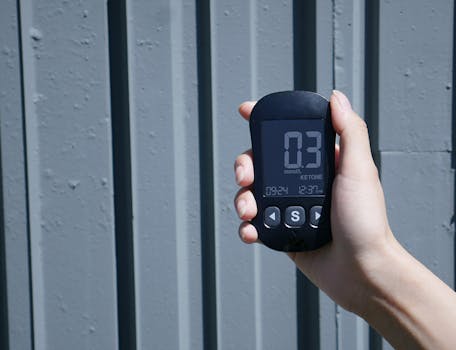
“Biohacking starter lab 30 days tracking” is a simple way of describing a beginner-friendly experiment: you pick a few health signals to track, you run the same routine for about a month, and you look for patterns in how your body responds. The goal isn’t to chase perfection. It’s to build awareness and learn what changes you can actually influence.
Think of it like a learning journal, but focused on measurable signals. In a starter lab, you keep the setup modest and repeatable—enough structure to notice trends, but not so complicated that it becomes stressful or hard to maintain.
For many people, the biggest benefit of a 30-day tracking window is that it smooths out “one-day noise.” Sleep can vary, workouts can differ, and stress can spike. A month gives you a better chance to see what’s consistent.
Core ideas and plain-language definitions you’ll use
Biohacking can sound technical, but the beginner version is mostly practical. Here are a few terms you’ll see around starter labs, explained in everyday language.
- Tracking: Recording a small set of signals regularly (daily or several times per week) so you can compare days.
- Baseline: Your “normal range” before you change anything. Baseline doesn’t mean perfect health—it means your starting point.
- Signal: A measurable indicator, like sleep duration, resting heart rate, or how you feel after a meal.
- Intervention: A change you make on purpose, such as adjusting bedtime, meal timing, hydration, or adding a short walk after meals.
- Consistency: Doing the same measurement approach each time, so your data is comparable.
- Trend: A pattern over time. Trends matter more than single-day numbers.
- Confounder: Something that affects results but isn’t your main focus, like travel, illness, alcohol, or a stressful week.
If you remember just one idea, make it this: your tracking is a tool for learning. You’re not trying to “win” a score. You’re trying to understand what helps and what doesn’t.
How a starter lab setup works in real life

A biohacking starter lab doesn’t have to be a room full of equipment. Most beginner setups are built around three pieces: a way to measure a few signals, a way to record them, and a way to keep your routine steady.
1) Choose a small set of signals
Start with signals that are meaningful to you and easy to measure. For beginners, the most useful signals tend to fall into these categories:
- Sleep and recovery: Sleep duration, bedtime consistency, and how rested you feel.
- Energy and mood: A simple daily rating (like 1–10) for energy, focus, or stress.
- Activity: Steps, workouts, or time spent moving.
- Basic physiology: Resting heart rate trends or heart rate variability if you have access to it.
- Nutrition and hydration habits: A few notes like meal timing, caffeine timing, and water intake.
Many people also track food and hunger cues, not because it’s “biohacking,” but because it’s the clearest lever they can adjust.
2) Use common consumer tools (without overcomplicating)
Beginner lab tracking often uses everyday wearables and simple home measurements. Examples you might see include:
- Wearables that provide sleep estimates, heart rate trends, and activity metrics. These can be helpful if you use them consistently and understand that estimates aren’t identical to clinical measurements.
- Smart scales or body composition tools, if you already have them. If you use these, focus on trends rather than daily fluctuations.
- Simple home tools like a thermometer, blood pressure cuff (if you already use one), or a glucose meter if you’re experienced and comfortable with that level of monitoring.
- Apps and spreadsheets to record daily notes and organize your data.
It’s okay if your setup is “light.” The point is to have a consistent routine for 30 days, not to collect every possible data stream.
3) Record notes the way you’d tell a friend
Data alone can be misleading. A beginner-friendly tracking system includes a short daily note that explains context. For example:
- What time did you sleep and wake?
- Was your day stressful, busy, or unusually calm?
- Did you drink alcohol or have a late meal?
- Did you exercise, and how did you feel?
- Any illness, pain, or unusual symptoms?
This context helps you interpret patterns later. Even one or two sentences can make your results easier to understand.
4) Keep measurement rules simple
Consistency is more important than precision. If you measure resting heart rate, for instance, try to do it at the same time each morning. If you track sleep, aim to wear your device consistently and keep bedtime routines stable enough that you can interpret the trend.
When you change methods mid-month, your data becomes harder to compare. If you do change something, note it clearly.
What you should track during a 30-day run
For a starter lab, you want a set of signals that can show movement over a month without requiring daily perfection. Here’s a beginner-friendly approach that many people find workable.
Daily signals that are usually manageable
- Sleep: Total sleep time, bedtime consistency, and a simple “rested” rating.
- Energy or mood: One quick rating for energy, stress, or focus.
- Movement: Steps or workout notes (even “walked 20 minutes” is enough).
- Hydration: A rough estimate like “low / medium / high” or a water goal you track.
- Caffeine and alcohol: Timing and whether you had them (not necessarily exact grams).
Weekly signals that can add depth
- Body measurements: If you want them, do them once or twice per week under similar conditions.
- How clothes fit: A simple note can be more useful than a single number.
- Strength or mobility: One repeatable check, like how many push-ups you can do with good form or a consistent mobility test.
- Recovery check: A note about soreness, sleep quality, or lingering fatigue.
Weekly signals help you see changes that might not show up daily.
How to choose your “main focus”
Many beginners spread themselves too thin. A better approach is to pick one main focus for the month, such as:
- Improving sleep quality
- Increasing daily activity
- Stabilizing energy and reducing afternoon crashes
- Building consistency with nutrition timing
Then you track a few supporting signals. This keeps your experiment readable and helps you learn faster.
Common beginner mistakes and misunderstandings
Most problems in starter lab tracking come from a few predictable issues. If you know these early, you’ll avoid a lot of frustration.
Measuring too much at once
It’s easy to collect data you don’t know how to use. If your tracking list is long, you’ll either stop recording or record inconsistently. That usually ruins the value of the month.
Start with fewer signals and add later only if you can maintain them.
Changing variables every few days
Beginner experiments often include constant changes: new supplements, new workouts, new meal plans, new bedtime rules. That makes it hard to tell what caused any improvement or decline.
If you want to test something, change one main thing at a time and keep the rest steady for at least a week when possible.
Overreacting to single-day numbers
A bad sleep night or a high resting heart rate day can happen for many reasons—stress, travel, illness, dehydration, or intense exercise. One day rarely tells the whole story.
Look for what happens across multiple days, especially after you’ve had at least a few weeks to learn your baseline.
Ignoring context notes
Without context, you might see a “trend” that is actually explained by one event. A simple note about late meals, alcohol, missed workouts, or a stressful work deadline can clarify a lot.
Even a short explanation helps you avoid incorrect conclusions.
Assuming wearable data is always exact
Wearables and consumer tools are useful, but they’re not clinical instruments. They can still help you learn patterns, but you should treat them as estimates and focus on directionality (up or down over time) rather than exact values.
Skipping the baseline period
If you start tracking but immediately begin multiple changes, you won’t know what your “normal” looked like. A baseline doesn’t need to be perfect—you just need a starting snapshot.
A common beginner approach is to spend the first few days tracking without major changes, then begin one small intervention.
Getting started: a simple 30-day tracking plan for first-time users
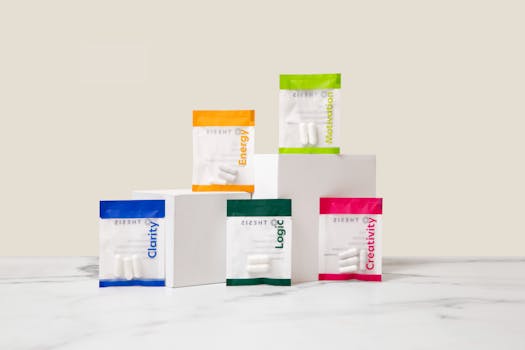
Here’s a practical structure you can follow without needing advanced knowledge. Adjust it to your life, but keep the measurement rules steady.
Days 1–3: Set up your tracking system
Before you change anything, prepare the routine.
- Pick your signals: Choose 3–6 daily items and 1–2 weekly items.
- Choose your recording method: A notes app, a spreadsheet, or a tracking app you already like.
- Create a simple daily entry: Sleep, energy/stress rating, movement, hydration, and a short note.
- Define how you’ll measure consistently: For example, same time each morning for resting metrics, and same bedtime routine when possible.
Use these days to learn your system. If something feels annoying, fix it now rather than pushing through.
Days 4–10: Establish baseline and start one small change
Keep your intervention small and realistic.
- Pick one main focus: Sleep consistency, daily steps, caffeine timing, or meal timing.
- Make one adjustment: For sleep, you might set a consistent “lights out” time. For energy, you might move caffeine earlier. For activity, you might add a short daily walk.
- Keep everything else steady: Don’t add multiple new habits at once.
During this period, your goal is learning, not forcing results. You’re building a reference for how your signals respond.
Days 11–20: Refine the habit and watch the trend
As you learn, you can adjust the intervention slightly if needed, but avoid constant tinkering.
- Look for patterns: Are your energy ratings improving on days you follow the habit?
- Check context: Did a stressful week hide progress? Did late meals change sleep?
- Adjust only one part: If sleep isn’t improving, try tightening bedtime consistency rather than changing everything at once.
This is where tracking becomes genuinely useful. You’re no longer just collecting data—you’re interpreting it.
Days 21–27: Try a second “supporting” change (optional)
If your first focus is working, you can add a supporting adjustment. Keep it small.
- Sleep-focused: Add a short wind-down routine or consistent morning light exposure.
- Energy-focused: Add a brief walk after meals or improve hydration timing.
- Movement-focused: Add a light mobility session on rest days.
If you’re not seeing any trend yet, it’s also fine to stay with the original change and simply continue recording.
Days 28–30: Review what actually happened
Don’t overthink the final days. Use them to summarize.
- Write down your top observations: For example, “Sleep consistency improved after I stopped caffeine after noon.”
- Note what didn’t change: This is valuable information too.
- Identify the biggest confounders: Travel, illness, big work stress, or schedule changes.
- Decide your next step: Either continue the same habit for another month or refine the intervention slightly.
If you want a simple “lesson learned” statement, aim for one sentence that connects a behavior to a trend you saw.
How to interpret your results without getting stuck
Beginner tracking often leads to a common problem: you see mixed numbers and you don’t know what to do. Here’s a practical way to interpret results.
- Separate signal from noise: If a metric jumps randomly, focus on whether it trends over 2–3 weeks.
- Match improvements to behavior: Ask, “What did I do differently on my best days?”
- Use your notes: If your sleep looks worse but your notes show late meals and stress, that explains a lot.
- Look for consistency: Often the biggest wins come from habits that are easier to repeat, not dramatic changes.
Also remember: a 30-day run is not a verdict on your health. It’s a snapshot of how your routine interacts with your body.
Practical ways to stay consistent during the month
Consistency is the main “secret ingredient” for starter lab tracking. You don’t need motivation every day—you need a system.
Make recording low-effort
If your daily entries take more than a couple of minutes, you’ll eventually fall behind. Keep it short: a few numbers and a brief note.
Use a repeatable daily window
Choose a time to record. Many people do it in the morning for sleep and recovery signals, and in the evening for notes about how the day felt.
Plan for “messy days”
Travel, social plans, and late nights happen. Instead of treating them as failures, record them normally and add a note. Those days are part of reality, and they help you understand what your body tolerates.
Don’t let data replace your judgment
If you feel unwell or something feels unsafe, pause and focus on basic needs. Tracking is supportive, not a replacement for common sense or medical care when it’s needed.
Where relevant products fit into a beginner lab (without making it complicated)

Starter labs can use different tools, but the value comes from how you use them. Here are a few common categories and how they typically fit into 30-day tracking.
Wearables for sleep and recovery trends
Wearables can help you track sleep duration, bedtime consistency, and resting heart rate trends. For beginners, they’re most useful when you:
- Wear them consistently
- Use the same measurement approach each day
- Focus on trends rather than exact values
- Pair the data with simple context notes
Scales and body measurements for trend awareness
If you use a smart scale, treat changes as directional. Daily weight can shift due to hydration, salt intake, and digestion. If your goal relates to body composition, track measurements under similar conditions (time of day, similar routine).
Apps and simple logs for clarity
Apps can reduce friction, but a basic spreadsheet or notes log works just as well if it’s easy to use. The best system is the one you’ll actually open every day.
Optional home measurements for more specific goals
Some people include blood pressure readings, temperature checks during illness, or glucose-related data if they already understand how to interpret it. If you choose to include more detailed monitoring, keep your 30-day plan simple so you don’t overwhelm yourself.
Keeping your starter lab safe and realistic
Tracking should support health, not create fear. Beginners sometimes interpret normal variation as a problem. A safer approach is to keep your plan realistic and your expectations grounded.
- Use small changes: If something feels extreme, it’s likely too hard to sustain.
- Watch for red flags: If you experience concerning symptoms, seek appropriate medical guidance.
- Avoid stacking too many experiments: One main focus at a time keeps your learning clear.
- Respect your baseline: Your body changes gradually. A month is enough to learn, not enough to transform everything.
When your plan is realistic, your data becomes a helpful feedback loop rather than a source of stress.
How to turn your 30-day tracking into a next step
At the end of the month, you’ll likely have a clearer sense of what supports your sleep, energy, and daily functioning. The best next step is usually one of these:
- Continue the same habit if you saw a clear positive trend.
- Refine one part of the routine if results were mixed but promising.
- Return to baseline if the intervention didn’t feel sustainable.
- Keep tracking without major changes if you want more clarity before experimenting again.
The “starter lab” idea is about building a sustainable practice. Once you can track consistently for 30 days, you’re able to learn from future months in a calmer, more informed way.
13.12.2025. 03:25