

Resting Heart Rate Biomarker: How to Measure Accurately

Resting heart rate as a biomarker: why measurement matters
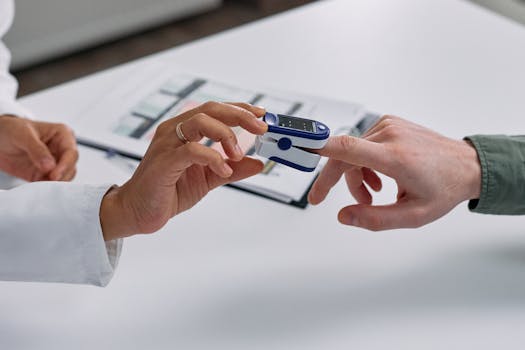
Resting heart rate (RHR) is one of the most accessible cardiovascular biomarkers. It reflects how hard your heart is working while you are not actively exercising, and it can shift with training, illness, stress, sleep quality, body weight changes, medications, dehydration, and many other factors. Because RHR can respond to both short-term influences and longer-term adaptations, the way you measure it strongly affects what the number means.
This guide explains how to measure the resting heart rate biomarker reliably, what counts as “resting,” how to handle common sources of error, and how to interpret trends over time. The goal is not just to obtain a single value, but to build a measurement routine that can be compared week to week.
What “resting” really means for heart rate
“Resting” is often treated as a fixed state, but in practice it depends on timing, posture, and whether your autonomic nervous system has fully calmed down. RHR is typically measured when you are:
- Physiologically settled (not recently active)
- Calm and breathing steadily
- In a consistent position (commonly seated or lying)
- Free of immediate stimulants such as caffeine within a short window
Many people unknowingly measure “low heart rate” after a walk, after climbing stairs, after a stressful commute, or after talking and moving around. That can inflate or distort your baseline, making the number less useful as a biomarker.
For biomarker use, consistency beats occasional precision. If you measure at the same time each day under similar conditions, trends become interpretable even if the absolute number varies slightly.
Choosing the right measurement approach
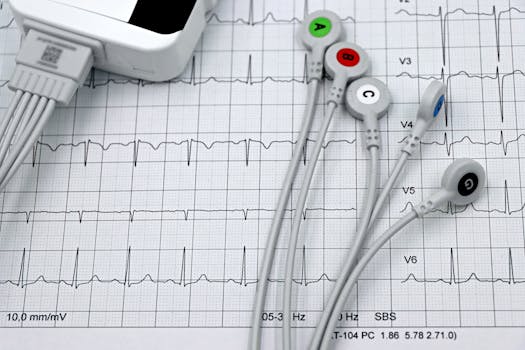
There are two practical ways to measure resting heart rate: manual measurement or device-based measurement (wearables or smartwatches). Each can be useful, but they differ in how consistently they capture true resting conditions.
Manual measurement (pulse count) for a dependable baseline
Manual measurement can be a strong option when you want a clear reference point, especially if you suspect device readings are drifting. Common pulse sites include the radial artery at the wrist or the carotid artery in the neck (with care and comfort). The most important factor is the measurement protocol, not the location.
A typical manual method:
- Use a timer (or stopwatch) and keep your posture consistent.
- Place two fingers gently on the pulse site.
- Count beats for a set time interval (commonly 30 seconds then multiply by 2, or count for 60 seconds).
- Repeat once if you suspect counting error.
Manual measurement is less sensitive to optical sensor issues like motion artifacts, but it is affected by human counting variability. When you do manual checks, aim for the same time of day and the same posture so you can compare against your device.
Wearables and smartwatches for day-to-day tracking
Optical heart rate devices estimate heart rate using light-based sensors. They can be convenient for longitudinal tracking, but they are not all equally accurate in every situation.
To use them as a resting heart rate biomarker, you should:
- Prefer measurements taken automatically during sleep or immediately upon waking (when available).
- Ensure the device is worn consistently (same location on the wrist, snug but not tight).
- Reduce motion during the measurement window.
- Validate periodically using manual pulse counts.
Some devices report “resting heart rate” as a processed metric derived from multiple readings. That can be useful for trend tracking, but it may not be directly comparable to a single manual measurement. If you want clarity, track raw morning readings or confirm the device’s methodology in its documentation.
Best times to measure resting heart rate biomarker values
Timing is a major determinant of measurement quality. The most common and practical approach is to measure early in the day under stable conditions.
Morning measurement: the most consistent routine for many people
For many individuals, the best time is right after waking, before major movement, food, or caffeine. This is when your autonomic state is typically closest to baseline.
A practical morning protocol:
- Wake naturally if possible (avoid measuring after an alarm that causes a jolt and stress response).
- Stay still for a short settling period (for example, 1–2 minutes) before measuring.
- Measure while seated or lying down, and keep that position consistent.
- Record the value along with contextual factors (sleep duration, illness symptoms, stress, and caffeine timing).
If you use a wearable, you may rely on its morning “resting” metric. Still, it helps to confirm that the metric corresponds to a period that matches your intended protocol (e.g., during early sleep or right after waking).
Sleep-based resting heart rate: useful but not a perfect substitute
Some people track the lowest heart rate during sleep or an average overnight resting rate. Sleep-based metrics can be stable, but they are influenced by sleep stage distribution, nighttime awakenings, and respiratory patterns. If you use sleep-based numbers, interpret changes with the understanding that they may reflect sleep quality as much as cardiovascular status.
Sleep-based measurements can be especially helpful for detecting trends like increased nighttime heart rate during illness, but they should not replace morning baseline measurements if your goal is a consistent resting biomarker.
Why measuring later in the day can reduce interpretability
Later-day heart rate is influenced by activity, digestion, stress, heat exposure, and circadian changes. Measuring RHR in the afternoon or evening can still be informative if you do it consistently and document context, but it usually introduces more variability than a morning routine.
Step-by-step: how to measure accurately at home
Below is a practical approach you can use whether you measure manually or with a wearable. The key is to standardize the conditions each time.
Set up a consistent measurement routine
- Pick a time: most often morning after waking.
- Pick a posture: lying or seated, and keep it consistent.
- Control immediate variables: avoid caffeine, nicotine, alcohol, and vigorous activity in the hours before measurement when possible.
- Include a settling period: remain still until your heart rate stabilizes.
- Record context: sleep duration, illness symptoms, hydration, and unusual stress.
If your routine is disrupted (poor sleep, travel, shift work), either note it clearly or postpone biomarker interpretation until you are back on schedule.
Manual pulse method: a reliable reference check
- Wash hands if needed and sit or lie down in your usual position.
- Place fingers on the pulse site without pressing too hard.
- Count for 30 seconds and multiply by 2, or count for a full 60 seconds for extra stability.
- Repeat once if the first reading seems inconsistent.
- Write down the time, the posture, and the number.
Manual measurement is most valuable when you use it to validate your device and to confirm that your “resting” state is truly resting.
Wearable method: reduce sensor and motion errors
To improve wearable accuracy during resting measurements:
- Wear the device correctly: consistent placement and comfortable tightness.
- Keep the wrist still during the measurement window.
- Clean the sensor area regularly to reduce film or sweat interference.
- Avoid measuring right after removing the device and putting it back; give it time to re-establish stable readings.
If your wearable provides a “resting heart rate” value, compare it with a manual reading on a day when you can confirm you are truly resting. If the device consistently reads higher or lower, you can still use it for trend tracking, but interpret absolute values cautiously.
How many days of data do you need?
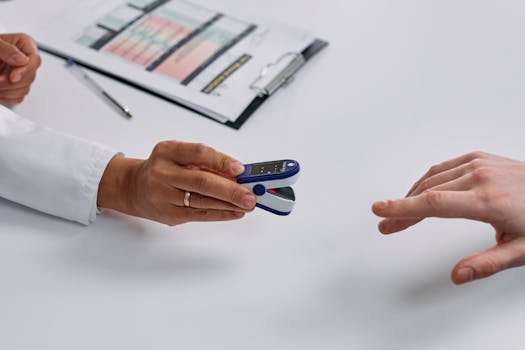
RHR is not a single-point biomarker. It varies naturally from day to day. For biomarker interpretation, you typically want a baseline built from multiple measurements.
A reasonable approach:
- Start with 7–14 days of consistent measurements to establish a personal baseline.
- Use averages (for example, weekly averages) rather than focusing on one unusually high or low day.
- Look for trends that persist across several days, rather than reacting to a single spike.
In many cases, a meaningful change is not just “higher today,” but “higher for several days” along with a plausible context (illness, medication changes, reduced sleep, increased stress) or without an obvious explanation.
Interpreting resting heart rate changes: what is normal vs. concerning
RHR can decrease with improved fitness and consistent training, and it can increase due to illness, inflammation, stress, poor sleep, dehydration, caffeine, alcohol, and some medications. The challenge is that many different causes can move RHR in the same direction.
Common reasons RHR goes up
- Acute illness (even early symptoms can raise RHR)
- Sleep disruption or reduced sleep duration
- High stress or anxiety
- Dehydration or inadequate calorie intake
- Recent hard training without full recovery
- Medication effects (including stimulants or changes in dose)
Common reasons RHR goes down
- Improved cardiovascular fitness with training
- Better sleep or reduced stress
- Weight reduction in some cases
- Improved hydration and overall recovery
When changes may warrant medical attention
RHR is a biomarker, not a diagnosis. Still, there are situations where it is prudent to seek medical advice, especially if changes are persistent or accompanied by symptoms.
Consider contacting a clinician if you notice:
- New or persistent tachycardia at rest that does not settle
- Bradycardia with symptoms such as dizziness, fainting, chest pain, or shortness of breath
- RHR increases that persist beyond expected recovery windows, especially after illness
- Irregular pulse sensations, palpitations, or syncope
If you have known heart rhythm conditions, autonomic disorders, or you take medications that affect heart rate, interpretation should be guided by your healthcare provider.
Common measurement errors that can mislead your biomarker trend
Even with good intentions, RHR tracking can be thrown off by predictable issues. Identifying these helps you avoid overreacting to noise.
Measuring after activity or emotional stress
If you measure right after moving around, climbing stairs, or feeling anxious, your heart rate may not represent your resting baseline. Use a settling period and measure before you start your day.
Inconsistent posture and breathing
Switching between lying down and sitting up can shift heart rate. Similarly, slow deep breathing or holding your breath can alter readings. Choose one posture and keep breathing normal and relaxed.
Caffeine, nicotine, and alcohol timing
Caffeine can affect heart rate for hours. If you want a clean baseline, measure before caffeine and note if you had caffeine the night before. Nicotine can also raise heart rate. Alcohol can disrupt sleep and increase next-morning heart rate.
Device fit, skin contact, and sensor cleanliness
Optical sensors are sensitive to strap fit, skin oils, sweat, and sensor placement. A slightly looser strap can change the quality of the signal and alter your readings.
Ignoring day-to-day context
RHR is influenced by factors that are not “cardiovascular fitness” alone. If you don’t record context, you may interpret a rise as a health decline when it is actually due to poor sleep, dehydration, or stress.
How to use resting heart rate alongside other biomarkers
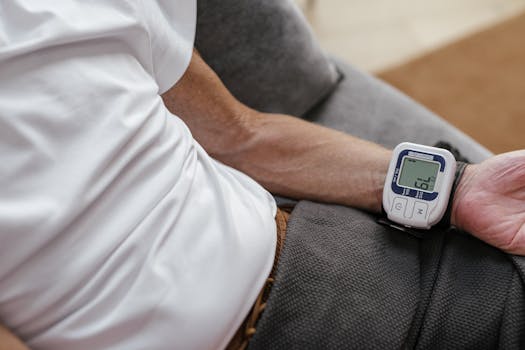
RHR is most informative when interpreted with related signals. While RHR alone can show changes, combining it with context improves interpretation.
Sleep metrics and recovery markers
When sleep is shorter or fragmented, RHR often rises. If you track sleep duration, sleep consistency, or overnight heart rate trends, you can better distinguish between a training-related change and a recovery-related change.
Body temperature and symptom tracking
If RHR increases alongside feverishness, sore throat, congestion, or fatigue, it may reflect an inflammatory or infectious process. Documenting symptoms helps interpret the biomarker correctly.
Hydration and perceived exertion
Hydration status can influence resting heart rate. If you notice higher RHR after hot days, heavy sweating, or reduced fluid intake, it may be a fluid-balance effect rather than a fitness change.
Practical guidance for building a useful long-term baseline
A resting heart rate biomarker becomes more meaningful with a stable routine and thoughtful interpretation. The following practices help you turn scattered numbers into a reliable personal metric.
Create a simple recording system
- Record the value and the date.
- Note whether you measured manually or via a wearable.
- Include brief context: sleep hours, caffeine timing, illness symptoms, and unusually stressful days.
You do not need complex tracking to get value. The most important element is consistency and the ability to revisit your notes when you see a change.
Use weekly averages to smooth normal variation
Daily RHR can fluctuate. A weekly average reduces the impact of one-off disruptions and makes trends easier to interpret.
Validate your device occasionally
If you rely on a wearable, do periodic manual checks. For example, once every couple of weeks, compare the wearable’s resting reading (or morning metric) to a manual pulse count under similar conditions. If they align reasonably, you can trust the device for trend tracking.
Prevention and next steps: what to do with the information
RHR measurement can support healthier decisions without turning the number into an obsession. The most useful outcomes are early awareness and better recovery planning.
When you observe a sustained rise, consider practical steps that address common drivers:
- Prioritize sleep consistency for several nights.
- Improve hydration and balanced nutrition.
- Reduce training intensity temporarily if you have been pushing hard.
- Assess stress load and incorporate relaxation or breathing practices.
- Review medication timing and any recent dose changes with a clinician if needed.
If elevated resting heart rate persists without a clear explanation or is accompanied by concerning symptoms, the biomarker becomes a reason to seek medical evaluation rather than a signal to “wait it out.”
Ultimately, the resting heart rate biomarker is valuable because it is measurable, responsive, and interpretable when you measure consistently. With a standardized routine, you can distinguish normal variability from meaningful change and use that information to support cardiovascular health.
FAQ
What is the best time of day to measure resting heart rate?
For most people, the most consistent time is right after waking, before caffeine and major movement. A short settling period while lying down or seated helps ensure you are truly resting.
Should I measure sitting or lying down?
Choose one posture and keep it consistent. Lying down often yields a slightly lower heart rate than sitting. Consistency matters more than the exact posture for trend tracking.
How accurate are smartwatches for resting heart rate?
Wearables can be accurate enough for trend tracking, especially during low-motion periods like sleep or quiet mornings. Accuracy varies by device and fit, so periodic manual pulse checks can help validate your baseline.
How many measurements do I need to establish a baseline?
Seven to fourteen days of consistent measurements is a common starting point. Using weekly averages helps smooth day-to-day variability.
What does it mean if my resting heart rate suddenly increases?
It can reflect illness, poor sleep, dehydration, stress, recent hard training, or medication effects. If the increase persists for several days or is accompanied by symptoms like chest pain, fainting, or shortness of breath, seek medical advice.
Can exercise lower resting heart rate?
Yes. With consistent cardiovascular training and recovery, many people see gradual reductions in resting heart rate as fitness improves. The direction and magnitude vary by individual.
When should I be concerned about a low resting heart rate?
Low resting heart rate can be normal, especially in trained individuals. However, if low heart rate comes with dizziness, fainting, weakness, chest discomfort, or breathing difficulty, it warrants medical evaluation.
Is resting heart rate the same as maximum heart rate or average heart rate?
No. Resting heart rate is measured when you are calm and not actively exercising. Maximum heart rate refers to your peak during activity, and average heart rate can vary depending on the activity period.
Can medications change resting heart rate readings?
Yes. Many medications—including beta blockers, some antidepressants, stimulants, and others—can change heart rate. If you start, stop, or change a medication, interpret RHR changes in that context and consult your clinician.
25.04.2026. 07:34