

HRV Sleep Light Stacking Protocol: A Step-by-Step Guide

What the HRV sleep light stacking protocol is designed to achieve
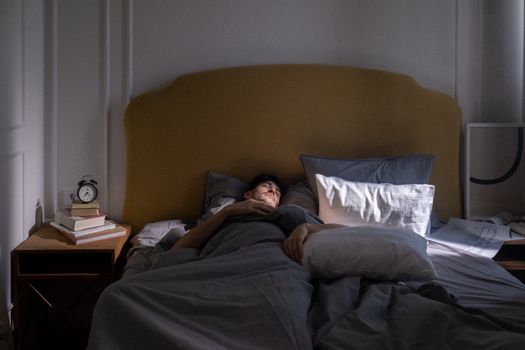
The goal of an HRV sleep light stacking protocol is to use carefully timed light exposure to support circadian alignment and improve the conditions your body needs for autonomic recovery during sleep. Instead of relying on a single change, the protocol “stacks” multiple small, controllable inputs—timing, intensity, spectrum, and consistency—so the overall effect is more repeatable.
In practice, you’re aiming to reduce circadian disruption, make your sleep window more stable, and create a calmer pre-sleep transition. Because HRV (heart rate variability) is influenced by sleep quality, stress load, and recovery, the protocol is structured to help you observe meaningful HRV changes over days—not hours.
Required preparation: tracking, environment, and light setup
Before you start stacking sessions, set up a measurement and control baseline. This protocol works best when you can keep everything else consistent.
- HRV measurement: Use a reliable wearable that reports HRV (often RMSSD or similar). Choose one device and one reporting method.
- Sleep timing: Pick a target bedtime and wake time that you can keep within about 30–60 minutes most days.
- Light control: Ensure you can dim or eliminate overhead lighting in the pre-sleep period. Consider blackout curtains and a lamp with a low, warm output.
- Light source for exposure: For daytime and early evening, use a bright light source appropriate for your environment. Many people use a 10,000 lux light therapy lamp (often sold for seasonal light therapy) or a daylight-mimicking setup if you can’t access outdoor brightness consistently.
- Low-light transition: Use warm, dim lighting in the last 60–120 minutes before bed. A warm dimmable smart bulb or a bedside lamp that supports amber lighting can help you maintain a consistent transition.
- Blue-blocking option (if needed): If your environment includes unavoidable screens or bright LEDs late in the evening, blue-blocking glasses can reduce short-wavelength exposure. Use them consistently rather than randomly.
Choose one “day exposure” approach and one “night transition” approach and keep them stable for the first 7–14 days. This prevents you from chasing noise in your HRV data.
Step-by-step: build your HRV sleep light stacking protocol

Follow these steps in order. The protocol is designed to be layered: you’ll start with the most impactful levers first, then refine based on HRV trends and sleep consistency.
1) Establish a 7-day baseline
For the first week, do not change your lighting habits. Instead, document:
- Bedtime and wake time
- Any late caffeine or alcohol
- Exercise timing (especially intense sessions)
- Sleep duration and sleep interruptions
- Night HRV values as reported by your wearable
Use this baseline to identify your typical HRV pattern and your current sleep stability. Your aim is not perfection; it’s to understand what “normal” looks like for you.
2) Set your anchor: morning light timing
Choose a consistent time for morning light exposure. Most people benefit from exposure within 30–90 minutes of waking.
- Target window: Start within 60 minutes of waking if possible.
- Duration: Begin with 10–20 minutes of bright light.
- Intensity goal: If using a light therapy lamp, follow the device’s recommended distance and output. If using outdoor light, aim for “bright daylight,” not shade-level brightness.
This “day anchor” helps align circadian signaling so that your evening wind-down has a better chance to land at the right physiological time.
3) Add a midday reinforcement (optional but useful)
On days when you can’t get strong midday outdoor light, consider a second exposure. Keep it shorter than morning.
- Timing: Around 12:00–15:00 local time
- Duration: 5–10 minutes
- Intensity: Bright enough to be visibly “bright,” without needing to stare at it
Use this step only if it doesn’t push you into late evening brightness. The point is to strengthen circadian input earlier in the day.
4) Build your pre-sleep dimming stack
In the last 60–120 minutes before bed, reduce short-wavelength light and lower overall brightness. This is where many people notice the biggest sleep quality changes.
- Start: Begin dimming 90 minutes before bedtime as a default
- Lighting: Use warm, dim amber lighting; avoid cool white overhead LEDs
- Device screens: If you must use screens, lower brightness and use warm/night modes consistently
- Room light: Keep the room bright enough to be safe, but not bright enough to feel “daytime”
If your schedule is tight, start with 60 minutes and then extend to 90–120 minutes once you see you can maintain it.
5) Decide on a “no bright light” cutoff
Set a clear cutoff time for bright exposure. This prevents accidental late lighting that undermines the stack.
- Default cutoff: 60 minutes before bed for most people
- Stricter cutoff: 90 minutes if you’re sensitive to light or your home lighting is hard to control
- Exceptions: If you must handle bright tasks late, use the lowest feasible brightness and keep exposure brief
Consistency matters more than the perfect cutoff. Pick a rule you can follow.
6) Keep bedtime routine stable for 10–14 days
Light stacking won’t show its full effect if your sleep routine keeps shifting. Maintain:
- Same bedtime and wake time within your target range
- Similar meal timing (especially dinner ending at least 2–3 hours before bed)
- Similar exercise timing (avoid intense training late if it disrupts you)
This step is where HRV trends become interpretable. When sleep timing is stable, HRV changes can be more confidently linked to the light protocol.
7) Use HRV data to adjust one variable at a time
After 10–14 days, review HRV trends and sleep outcomes. Look for:
- Higher resting HRV at night compared to baseline
- More consistent HRV across nights (less day-to-day volatility)
- Reduced wake-ups and improved sleep continuity
If HRV improves, keep the stack unchanged. If HRV is flat or worse, adjust one variable:
- If sleep onset is delayed: extend pre-sleep dimming earlier by 15–30 minutes.
- If you feel under-stimulated in the morning: move morning light 15–30 minutes earlier or increase duration by 5 minutes.
- If you’re getting bright exposure late: tighten your cutoff and reduce screen brightness further.
Avoid changing multiple steps at once. That makes HRV interpretation difficult.
8) Optimize the “stack height” based on your tolerance
Once you find a workable pattern, you can fine-tune intensity without turning your routine into a complex project.
- Morning: Increase duration gradually (e.g., +5 minutes) if you tolerate it and sleep improves.
- Evening: If HRV is sensitive to light, reduce brightness further or extend dimming earlier rather than increasing morning brightness.
- Room environment: Use consistent lamp placement so your eyes experience predictable brightness levels.
Optimization should feel boring and repeatable. If you’re constantly changing settings, you’ll lose the signal in your HRV data.
Common mistakes that derail HRV sleep light stacking
- Changing both morning and evening rules at the same time: You won’t know which lever caused HRV improvements or setbacks.
- Relying on “dim” without controlling spectrum: Cool white LEDs can still suppress melatonin. Warm, dim lighting is usually the more effective direction.
- Using a bright light too late: Late evening exposure can shift circadian timing and reduce sleep quality.
- Skipping the baseline: Without a 7-day baseline, you may mistake natural variation for a protocol effect.
- Inconsistent sleep schedule: HRV is sensitive to timing. Large bedtime shifts will mask the effect of light.
- Ignoring confounders: Late caffeine, alcohol, stress spikes, and intense evening training can overwhelm the light effect.
- Overexposure to bright light: If you feel headache, eye strain, or agitation, reduce intensity or duration. The protocol should support calm, not create stress.
Additional practical tips and optimisation advice
These steps help you make the protocol easier to follow and more likely to produce stable HRV trends.
Choose a measurement window that matches your device
Many wearables estimate HRV over a specific period. Keep that period consistent by:
- Sleeping at a similar time each night
- Minimizing late-night awake time
- Ensuring the sensor is worn consistently (band position and tightness)
If your device reports HRV only during sleep, focus on night HRV trends rather than daytime numbers.
Use practical lighting hardware setup
Make the protocol frictionless:
- Place a warm lamp where you naturally spend pre-bed time.
- Use smart dimming or a dedicated warm bulb so you don’t hunt for settings.
- If using a light therapy lamp, keep it in a consistent location so your distance and angle don’t vary day to day.
Consistency in how light reaches your eyes is a major contributor to repeatable results.
Plan for travel and schedule shifts
If your routine changes (work travel, late meetings), reduce the disruption:
- Keep morning light exposure within your best possible window after waking.
- Maintain pre-sleep dimming even if the exact bedtime shifts.
- Resume baseline timing rules as soon as you’re back.
Don’t treat travel days as optimization targets; treat them as transition days.
Track sleep quality signals alongside HRV
HRV is useful, but it’s not the only indicator. Pair it with:
- Sleep onset latency (how long it takes to fall asleep)
- Number and duration of awakenings
- Perceived sleep depth the next morning
If HRV improves but you feel unrefreshed, reassess late-night brightness, alcohol timing, and meal timing before increasing light intensity.
Implement the protocol on a realistic cadence
For many people, the protocol works best when it’s not constantly “on and off.” Aim for at least 10–14 days of consistent application before making major changes. If you’re experimenting, limit yourself to one adjustment per week.
Consider spectrum and brightness as your main levers
When you optimize, focus on two controllable factors:
- Brightness: Morning should be bright; evening should be dim.
- Spectrum: Morning can include broader daylight-like spectrum; evening should be warmer and low in short-wavelength content.
Keep the rest of your routine stable so these levers can meaningfully influence HRV trends.
How to know your HRV sleep light stacking protocol is working

You’ll know it’s working when you see stable improvements rather than isolated spikes. Look for a pattern where:
- Night HRV trends move upward compared to baseline
- Sleep becomes more consistent (fewer late-night awakenings)
- You feel calmer in the pre-sleep transition, not wired
If you don’t see changes after two weeks, tighten consistency first (sleep schedule and dimming cutoff). Then adjust only one variable at a time—either earlier dimming, earlier morning light, or reduced late brightness.
Safety and practicality notes for light exposure
Light therapy lamps and bright-light routines are generally used safely, but you should still treat them responsibly:
- Use the lamp according to its safety guidance and distance recommendations.
- Avoid staring directly at bright sources.
- If you have a medical condition affecting light sensitivity or you’re taking medications that can affect circadian rhythm, consult a clinician before increasing light intensity.
Putting it all together: a simple example schedule
Here’s a practical example of how the stacked elements fit into a typical day. Adjust times to your schedule, but keep the relative structure.
- Upon waking: Morning light exposure for 15 minutes within 60 minutes of waking
- Midday (optional): 7 minutes of bright light around early afternoon if indoor brightness is low
- 90 minutes before bed: Switch to warm, dim lighting; lower screen brightness
- 60 minutes before bed: Maintain strict “no bright light” rule; avoid cool overhead LEDs
- Bedtime: Keep the room dark and consistent nightly
Run this structure for 10–14 days, compare HRV trends to your baseline, and then refine one variable at a time.
22.12.2025. 10:11