

25(OH)D Vitamin D Test Interpretation: What Results Mean

Why a 25(OH)D test matters
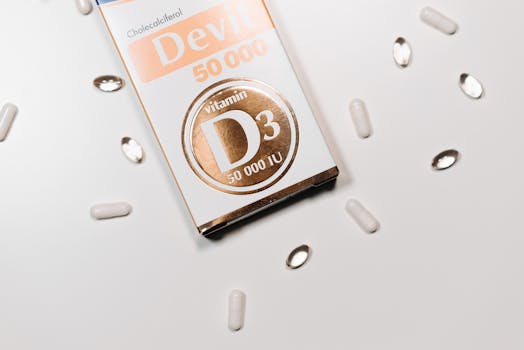
The lab test most clinicians use to assess vitamin D status is the measurement of 25-hydroxyvitamin D, usually written as 25(OH)D. Unlike active forms of vitamin D in the body, 25(OH)D is the main circulating storage form, with a relatively long half-life. That makes it a practical marker for understanding whether your body has enough vitamin D to support normal calcium handling, bone mineralization, and muscle function.
Still, interpreting results is not always straightforward. Different laboratories may report slightly different reference ranges, vitamin D assays have inherent measurement variability, and individual factors—like body weight, sun exposure, dietary intake, liver or kidney function, and medication use—can shift what “normal” means for a specific person. This guide explains how to read results and how clinicians typically connect numbers to possible next steps.
What the 25(OH)D test actually measures
A standard 25(OH)D test measures total 25-hydroxyvitamin D, which includes two forms: 25(OH)D2 (from plant sources or supplements such as ergocalciferol) and 25(OH)D3 (from skin synthesis or supplements such as cholecalciferol). Some reports list 25(OH)D2 and 25(OH)D3 separately; others show only the total.
Because 25(OH)D reflects both recent intake and longer-term stores, it’s more informative than measuring 1,25-dihydroxyvitamin D (which is tightly regulated and can be normal even when vitamin D stores are low). For most people, the 25(OH)D test is the key starting point.
How to interpret results: common reference ranges
Most labs provide a reference interval, but there is no single universal standard across all countries and professional organizations. Many clinicians use categories similar to the following (values may vary by lab):
- Deficiency: commonly defined as less than 20 ng/mL (50 nmol/L)
- Insufficiency: often defined as 20–30 ng/mL (50–75 nmol/L)
- Sufficiency: commonly considered 30–50 ng/mL (75–125 nmol/L)
- Potential excess: levels above about 50–60 ng/mL (125–150 nmol/L) may prompt review of dosing and risk factors
Some clinicians aim for a higher “sufficient” target in certain populations (for example, people with malabsorption or limited sun exposure). Others emphasize avoiding unnecessary high levels. The interpretation should be individualized, especially if you’re taking vitamin D supplements or have conditions that affect vitamin D metabolism.
Units: ng/mL vs nmol/L
Vitamin D results may be reported in ng/mL or nmol/L. A useful conversion is: 1 ng/mL ≈ 2.5 nmol/L. For example, 20 ng/mL is approximately 50 nmol/L. If you’re comparing results between labs or reading older reports, check the unit carefully.
Low 25(OH)D: what deficiency or insufficiency can mean
When 25(OH)D is below typical sufficiency thresholds, the most common explanations are reduced vitamin D exposure or intake. However, the cause matters because it influences what kind of correction is needed and how quickly levels may rise.
Common reasons for low vitamin D
- Limited sun exposure: living at higher latitudes, staying indoors, covering skin for cultural or personal reasons, or using sunscreen without adequate dietary support
- Low dietary intake: few vitamin D–rich foods and no supplementation
- Higher body fat: vitamin D can be sequestered in adipose tissue, lowering circulating levels
- Malabsorption conditions: celiac disease, inflammatory bowel disease, pancreatic insufficiency, bariatric surgery, or chronic cholestasis
- Liver disease: impaired conversion of vitamin D to 25(OH)D
- Kidney disease: less relevant for 25(OH)D itself than for activation of vitamin D, but severe kidney disease can still affect vitamin D pathways
- Medications: some anticonvulsants, glucocorticoids, and certain drugs that increase metabolism can lower vitamin D status
Symptoms vs. numbers
Low vitamin D doesn’t always cause obvious symptoms. Some people feel fine even with low results, while others experience bone pain, muscle weakness, fatigue, or increased fracture risk over time. Because symptoms are nonspecific, the test result and clinical context are more reliable than symptoms alone.
Clinical implications of deficiency
Vitamin D helps maintain adequate calcium absorption in the gut. When vitamin D stores are low, calcium absorption can drop, which may increase parathyroid hormone (PTH) activity. Elevated PTH is often an adaptive response to maintain calcium levels, and over time it can contribute to higher bone turnover. In more severe cases, deficiency can contribute to osteomalacia in adults and rickets in children.
Even if calcium levels are normal, clinicians may still treat low 25(OH)D to support bone health and reduce the risk of future complications.
Borderline or mildly low results: insufficiency and “gray zones”
Results that fall in the insufficiency range (often 20–30 ng/mL) are frequently encountered. Interpreting borderline values requires attention to:
- Trend over time: is the level stable, falling, or improving after lifestyle or supplement changes?
- Seasonality: vitamin D often drops during winter months in many regions
- Risk factors: malabsorption, obesity, darker skin, limited sun exposure, or a history of fractures
- Other lab markers: calcium, phosphorus, and PTH can help clarify physiologic impact
Some people with “insufficient” results may not show biochemical signs of secondary hyperparathyroidism. Others may. That is why interpretation frequently extends beyond the single 25(OH)D value.
Normal or sufficient results: confirming adequate vitamin D status
A result in the sufficiency range suggests your body’s vitamin D stores are likely adequate for typical physiology. However, “normal” does not always mean “optimal for every outcome,” and some individuals may require individualized targets due to medical conditions.
Factors that can still affect bone health despite adequate 25(OH)D
Vitamin D is only one part of the bone-health system. Bone mineral density and fracture risk also depend on calcium intake, physical activity, muscle strength, age, sex hormones, kidney function, and overall nutrition. If a person has low calcium intake, high bone turnover, or certain endocrine disorders, they may need evaluation even with a sufficient vitamin D level.
Additionally, the lab result reflects the state at the time of blood draw. If sun exposure or intake changes significantly, levels can shift over weeks to months.
High 25(OH)D: distinguishing adequate from potentially excessive
When 25(OH)D is above the typical sufficiency range, it often indicates supplement use or high intake, but it can also result from specific medical conditions. Clinicians generally look for evidence of vitamin D–related effects, especially if levels are substantially elevated.
Why high levels happen
- Supplement dosing: taking vitamin D daily or intermittently, sometimes at doses higher than intended
- Stacking products: vitamin D present in multivitamins, fortified foods, or separate supplements taken concurrently
- Long intervals between rechecks: levels may keep rising if the dose isn’t adjusted
- Rare metabolic or genetic issues: conditions affecting vitamin D metabolism can lead to higher circulating 25(OH)D
What “too high” can mean clinically
Vitamin D toxicity is uncommon and usually associated with very high intakes leading to hypercalcemia. The key practical point is that 25(OH)D itself does not automatically confirm toxicity. Clinicians consider related labs such as serum calcium, kidney function, and sometimes PTH and urinary calcium. If calcium is elevated, the interpretation shifts from “high store” to “possible physiological effect.”
If your 25(OH)D is high and you are taking supplements, it’s reasonable for a clinician to review your dosing regimen and assess for hypercalcemia risk rather than simply continuing the same intake.
How lab variability and assay differences affect interpretation
Even when the same sample is tested, different assays can yield slightly different results. Factors include:
- Analytical method: immunoassays and mass spectrometry may differ in accuracy at certain concentrations
- Vitamin D2 vs D3 proportions: some methods can read 25(OH)D2 differently than 25(OH)D3
- Pre-analytical factors: specimen handling and timing
This is why interpreting changes over time is best done using the same lab when possible, and why clinicians often consider the overall clinical picture rather than reacting to a small numerical difference.
Interpreting 25(OH)D with other labs: calcium and PTH
Although 25(OH)D is the main marker of vitamin D stores, it rarely exists alone in clinical interpretation. Two commonly paired tests are calcium and PTH.
Calcium
Serum calcium can be normal in vitamin D deficiency early on, especially if PTH compensates. If vitamin D deficiency is severe or prolonged, calcium may eventually drop, though many adults maintain normal calcium until later stages. If vitamin D intake is excessive, calcium can rise.
PTH (parathyroid hormone)
PTH often increases when vitamin D is low because the body tries to maintain calcium levels. A higher PTH alongside low 25(OH)D can support the interpretation that the deficiency is biologically meaningful, not just a laboratory finding.
If PTH is elevated, clinicians may consider that vitamin D repletion is likely to be beneficial and may also evaluate calcium intake and other contributors.
Common scenarios and what clinicians typically do next
Interpretation becomes much more practical when you consider typical real-world patterns.
Scenario 1: 25(OH)D is low and you have limited sun exposure
If the level is below sufficiency and sun exposure is minimal, clinicians often consider vitamin D supplementation and/or dietary adjustments. The plan may also include timing (for example, rechecking after a period sufficient for levels to stabilize). The goal is to raise stores safely while avoiding unnecessary overshoot.
Scenario 2: 25(OH)D is low but you have risk factors for malabsorption
Low results in the setting of celiac disease, inflammatory bowel disease, bariatric surgery, or chronic digestive disorders often require a more careful approach. In some cases, higher or different dosing strategies are used, and clinicians may monitor response with repeat testing. If response is poor, the evaluation may expand beyond vitamin D to include calcium, magnesium, and related nutrient deficiencies.
Scenario 3: 25(OH)D is borderline low during winter
Seasonal variation is common. If you’re otherwise healthy and have no major risk factors, clinicians may recommend lifestyle changes and a modest supplementation strategy, then recheck after appropriate time to see whether levels normalize as exposure improves.
Scenario 4: 25(OH)D is high and you are taking supplements
High values often prompt review of dosing and adherence. Clinicians may check calcium and kidney function and may adjust supplementation downward or temporarily stop it. The key is to reduce the risk of hypercalcemia while maintaining adequate stores.
Practical guidance for interpreting your own report
If you’re trying to interpret your result, these steps can make the information more actionable.
Step 1: Confirm the unit and reference range
Look at whether the result is in ng/mL or nmol/L, and note the lab’s reference categories. If the lab uses different cutoffs than you’ve seen elsewhere, follow the lab’s ranges for that specific report.
Step 2: Identify whether the result is total 25(OH)D or split by D2 and D3
If your report lists 25(OH)D2 and 25(OH)D3 separately, the total is usually the sum. Knowing which form predominates can help interpret supplement sources (for example, D2 often comes from certain prescription or high-dose plant-derived products).
Step 3: Review supplements and dosing timing
Vitamin D levels can rise after consistent intake. If you took a high dose shortly before the test, the number may reflect a recent boost rather than steady status. Also check for vitamin D in multivitamins and fortified products.
Step 4: Consider risk factors and relevant medical history
Obesity, darker skin, limited sun exposure, malabsorption, liver disease, kidney disease, and medications can all shift interpretation. If you have any of these, “normal” may require a different clinical threshold.
Step 5: Ask whether calcium and PTH were assessed
If your result is low or high, paired labs can clarify whether the vitamin D level is having physiologic effects. This is especially important if calcium is abnormal or if PTH is elevated.
Vitamin D supplementation context (without prescribing)
Because many people interpret their test results in relation to supplementation, it helps to understand the logic clinicians use—without turning this into a one-size-fits-all dosing prescription.
In general, clinicians consider:
- Baseline 25(OH)D: the starting point influences how much repletion is needed
- Reason for deficiency: limited sun exposure vs malabsorption may require different strategies
- Safety considerations: higher baseline levels or kidney issues can change the approach
- Monitoring plan: repeat testing timing varies depending on the initial level and the intervention
Some people use vitamin D3 supplements (cholecalciferol) and others use vitamin D2 (ergocalciferol), depending on availability and clinical context. For example, in some settings, vitamin D2 is used for specific repletion regimens, while vitamin D3 is commonly used for maintenance. The right choice depends on medical factors and the clinician’s plan rather than a universal rule.
Natural food sources—fatty fish, fortified dairy or plant milks, and fortified cereals—can contribute, but many individuals still need supplementation to reach adequate stores, especially with minimal sun exposure.
When to seek medical evaluation rather than self-interpret
While many vitamin D results can be discussed in routine clinical follow-up, certain patterns deserve prompt medical attention:
- Very high 25(OH)D values, especially if you also have symptoms such as nausea, constipation, excessive thirst, frequent urination, confusion, or weakness
- Abnormal calcium results or reduced kidney function
- Known kidney disease, hyperparathyroidism, sarcoidosis or other granulomatous disorders, or history of kidney stones
- Persistent low levels despite supplementation, suggesting possible malabsorption or incorrect dosing strategy
In these situations, interpretation is broader than vitamin D alone and should incorporate related lab findings and risk assessment.
Summary: using 25(OH)D vitamin D test interpretation effectively
25(OH)D vitamin D test interpretation centers on understanding vitamin D stores measured in the blood. Most labs categorize results into deficiency, insufficiency, and sufficiency, but reference ranges differ and the clinical meaning depends on context. Low levels often reflect limited sun exposure, low intake, higher body weight, or malabsorption; high levels often reflect supplement intake and may warrant evaluation for hypercalcemia risk.
To interpret results well, check units, note whether the test reports total 25(OH)D, and consider paired labs such as calcium and PTH when available. If you are changing supplements or have risk factors, clinicians often recheck levels after an appropriate interval to confirm that stores are moving toward a safe, adequate range.
Finally, prevention is not about chasing a perfect number. It’s about maintaining adequate vitamin D status through sensible sun exposure, nutrition, and—when medically appropriate—supplementation, while monitoring for safety in people with higher risk of elevated calcium or poor absorption.
27.03.2026. 06:57