

Creatine Monohydrate Dosing Benefits: A Beginner Guide

What “creatine monohydrate dosing benefits” really means
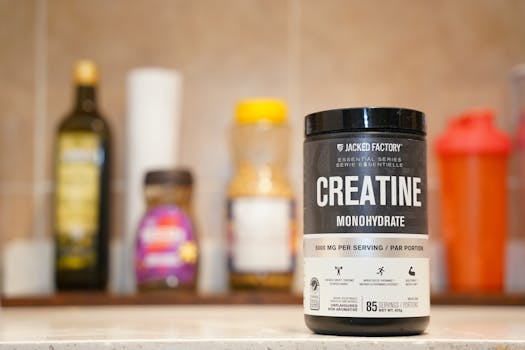
If you’re new to supplements, creatine can sound complicated. The good news is that the core idea is simple: creatine is a substance your body already uses to help produce energy for short, intense efforts. When you take creatine monohydrate, you’re topping up your body’s creatine stores so you may be able to perform a bit better during training and recover in a way that supports progress over time.
When people talk about creatine monohydrate dosing benefits, they’re usually referring to how different dosing approaches affect results like strength gains, better training performance, and muscle support. The “dosing” part matters because your body needs time to build up creatine levels, and taking too much or too little can change how quickly you notice benefits.
Key terms you’ll see on labels and in guides
Before you start, it helps to understand a few common phrases.
- Creatine monohydrate: The most studied form of creatine. It’s widely used because research has focused heavily on it.
- Dose: The amount you take, usually measured in grams.
- Loading phase: A short period where you take a higher dose to fill your body’s creatine stores faster.
- Maintenance dose: A steady, lower daily dose that keeps your stores topped up.
- Creatine stores: The amount of creatine your muscles and other tissues have available to help produce quick energy.
Another term you might hear is “water retention.” Creatine can increase water in muscle cells. That’s not the same thing as gaining fat, but it can affect scale weight early on. For some beginners, this can be surprising, so it helps to know it can happen.
How creatine works in the body (in plain language)

During short bursts of effort—like lifting, sprinting, or repeated hard sets—your body relies on a fast energy system. Creatine helps support that system by increasing the availability of a molecule involved in rapid energy production.
When you take creatine monohydrate, it moves into your bloodstream and then into muscle tissue. Over days to weeks, your muscles become more saturated with creatine. Once your stores are higher, you may notice that training feels a little more productive: you can often manage more total work, add a rep or two, or recover well enough to keep showing up consistently.
That’s why dosing matters. If your goal is to reach higher muscle creatine levels, you need an approach that consistently provides enough creatine each day.
What dosing can change about the benefits
Most of the time, the “benefits” people report are tied to how quickly and how consistently your body reaches a higher creatine level. Dosing affects that timeline.
Loading: faster saturation for many beginners
A loading approach typically uses higher daily doses for a short time. The purpose is to saturate muscle creatine stores more quickly. Many people find that they notice effects sooner when they load, though it’s not required.
Loading can be useful if you want quicker results and you’re confident you can tolerate the routine. Some people prefer to skip it because higher doses can feel harder on the stomach.
Maintenance: simpler and gentler
A maintenance approach uses a lower daily dose every day. This still builds creatine stores, but it usually takes longer to reach full saturation compared with loading. The upside is that it’s straightforward and often easier to stick with.
For beginners, maintenance dosing is often a good “set it and forget it” option because it reduces guesswork.
Consistency usually matters more than timing
You don’t need complicated timing strategies. Creatine works best when you take it regularly. Some people take it with a meal for convenience or to reduce stomach discomfort, while others take it at any time of day. Either way, the key is daily consistency.
Common beginner mistakes and misunderstandings
Creatine is simple, but beginners often run into a few predictable issues.
- Assuming “more is always better”: Taking extra beyond what you need doesn’t automatically create extra benefits. It can increase the chance of stomach upset.
- Skipping days: If you take creatine only occasionally, your body may not build and maintain stores as effectively.
- Expecting instant results: Even with loading, creatine is not a “right now” supplement. Many benefits show up as training performance improves over days and weeks.
- Getting worried about early scale changes: If your weight rises slightly early on, it can be related to water in muscle cells. That doesn’t mean fat gain.
- Choosing a “mystery” product without clarity: Some labels include blends or less-studied forms. If your goal is to follow the most established approach, look for products that clearly state they contain creatine monohydrate.
Also, a common misunderstanding is thinking creatine is only for bodybuilders. Creatine supports repeat efforts and training quality, which can matter for many types of exercise—strength training, team sports, and even some endurance training styles that include intervals.
Getting started: a simple dosing plan for first-time users

There are two beginner-friendly ways to start. Choose the one that fits your comfort level and schedule. If you have medical conditions, take medications, or are pregnant, it’s smart to check with a clinician before starting any supplement.
Option 1: Maintenance dosing (simple and common)
A maintenance plan usually uses a daily dose that’s consistent. Many beginners start with 3 to 5 grams per day of creatine monohydrate.
Practical tips:
- Take it once daily for simplicity.
- Mix it into water or a drink you already use.
- If it upsets your stomach, try taking it with food or splitting the dose into two smaller servings.
- Give it at least a few weeks before judging results. The benefits build as your muscles saturate.
Option 2: Loading (faster, but not required)
A loading approach is designed to fill muscle stores faster. A typical beginner loading routine is often 20 grams per day split into smaller doses for about 5 to 7 days, followed by a maintenance dose of 3 to 5 grams per day.
Practical tips:
- Split the daily loading amount into 4 smaller servings to reduce stomach discomfort.
- Stay consistent with the maintenance dose after loading.
- If you feel bloated or nauseated, it’s reasonable to switch to a maintenance-only plan.
What to look for as you start
Instead of watching for dramatic changes on day one, pay attention to small training signals:
- Are you able to complete the same workout with a bit more effort?
- Do you add reps or a small amount of weight over time?
- Do you feel like you recover well enough to stay consistent?
- Do your workouts feel less “cut short” by fatigue?
Remember, creatine supports training, but it doesn’t replace the basics. Progressive training, adequate protein, and overall calorie intake still drive the biggest changes in strength and muscle.
How to use creatine monohydrate with everyday training
Creatine dosing benefits are easiest to understand when you connect them to training habits. If you lift three times per week, creatine is most likely to help you get a little more productive from those sessions. If your exercise routine includes intervals, repeated sprints, or higher-rep strength work, creatine may also support the ability to repeat hard efforts.
Practical ways to integrate it:
- Keep it routine: Choose a time you can stick with, such as after breakfast or with your first meal.
- Hydrate normally: Don’t overthink it. Drink water as you normally would.
- Track training progress: Write down sets and reps so you can see whether performance is trending upward.
- Stay patient: Creatine is not a quick fix. It’s a build-up strategy.
Many people also like to use creatine alongside other common supplements like protein powder, especially if it helps them hit daily protein targets. If you already use a protein product, creatine can be added to the same routine—just keep dosing consistent.
Choosing a product and using it safely
When you’re shopping for creatine monohydrate, look for clarity. A product that lists creatine monohydrate as the main ingredient is usually the simplest path. Many reputable brands offer plain creatine without extra add-ins.
Safety is mostly about using the right amount and listening to your body. If you experience persistent stomach discomfort, consider lowering the dose or switching from loading to maintenance. Also, if you have kidney-related concerns or a history of health issues, it’s wise to talk with a clinician before starting.
Finally, keep expectations realistic. Creatine monohydrate dosing benefits are typically about supporting training performance and muscle-related progress. Results depend on how you train and how consistently you use the supplement.
Simple “do this first” checklist

- Pick your approach: Start with maintenance (3 to 5 grams daily) or loading followed by maintenance.
- Use the same daily dose: Consistency beats complexity.
- Plan for a few weeks: Give your body time to saturate.
- Watch training trends: Look for small improvements in reps, sets, or workout quality.
- Adjust if needed: If your stomach doesn’t like it, take it with food or split the dose.
That’s the beginner-friendly way to start. With a steady routine, creatine monohydrate dosing can be a practical tool that supports your training efforts without turning your supplement routine into a complicated project.
23.05.2026. 19:53