

Second Meal Effect for Fat Loss: What the Evidence Actually Shows

What the “second meal effect” claims—and why people care
The “second meal effect” refers to the idea that the body’s metabolic response to food improves when you eat again after an earlier meal. In plain terms, some people claim that your second meal burns more energy, helps control blood sugar better, and therefore supports fat loss. This belief is common in dieting communities and often gets tied to strategies like eating a first meal, then waiting, then eating again to “boost” fat loss.
Because the mechanism sounds plausible—your body adapts to what you ate—this idea can feel like a useful lever. But when it comes to fat loss, it’s important to separate what happens in the lab from what meaningfully changes body composition in real life.
This article is a myth-busting guide to the second meal effect fat loss claim: what it actually means, what the evidence supports, what it doesn’t, and how to make practical decisions about meal timing and composition that matter more than the myth.
Defining the second meal effect: thermic response, glucose control, and hormones
The term “second meal effect” is used in different ways, which can blur the conversation. In many studies, researchers look at one or more of these responses:
- Thermic effect of food (TEF): the energy your body uses to digest, absorb, and process nutrients.
- Post-meal glucose control: how quickly blood sugar rises and how effectively it returns toward baseline.
- Insulin sensitivity and secretion: how the body responds to carbohydrates and regulates glucose.
In some experiments, people eat a standardized meal, then later eat a second meal. The second meal can show improved glucose handling or a different metabolic pattern compared with what would have happened if the first meal hadn’t occurred. This is where the “second meal” concept comes from.
However, a critical detail is that many studies focus on short-term metabolic signals (hours) rather than long-term outcomes (weeks and months of fat loss). Fat loss depends heavily on total energy balance, diet quality, protein intake, activity, sleep, and adherence—factors that are much bigger than small, short-term metabolic shifts.
What the research suggests: a real phenomenon, but not a fat-loss cheat code

Evidence for the second meal effect is strongest when researchers observe changes in glucose regulation and insulin dynamics. For example, prior carbohydrate exposure can influence how the body handles a subsequent meal. In some contexts, the body appears to be “primed” by the first meal.
Yet, translating that priming into fat loss is where the claim often breaks down. Fat loss is not determined by whether the second meal burns slightly different energy during digestion. Even if TEF changes modestly, the net effect on daily calorie balance may be too small to reliably produce meaningful fat loss by itself.
Additionally, many second meal effect studies are conducted under controlled conditions—specific meal compositions, consistent timing, and controlled activity. Real life adds noise: variable food choices, different meal sizes, stress, sleep differences, and inconsistent adherence. These factors can overwhelm the subtle metabolic differences that the second meal effect describes.
In short: the second meal effect may exist as a metabolic response pattern. But the leap from “better glucose handling after a prior meal” to “automatic fat loss” is not supported as a dependable strategy.
Why the myth spreads: the body improves after eating—so people call it fat loss
Several reasons this concept catches on:
- People feel better after patterns repeat: If someone eats in a consistent rhythm, cravings and energy levels can stabilize. That’s not the same as fat loss from the second meal effect, but it can be interpreted that way.
- Glucose improvements can reduce hunger: If blood sugar swings are smaller, hunger may feel more manageable. Reduced hunger can support a calorie deficit, which then drives fat loss. The mechanism is appetite and intake—not a magical increase in fat burning from meal timing.
- Short-term studies are compelling: Lab results can look impressive over a few hours. But fat loss is a long-term outcome influenced by many variables.
When results are framed as “the second meal makes you lose fat,” the strategy becomes oversimplified. The body’s metabolic flexibility is real; the interpretation is often exaggerated.
Does the second meal effect increase fat burning? The answer is usually no
To determine whether a strategy supports fat loss, you need to know the net energy impact over time. The second meal effect is more about how the body processes nutrients than about dramatically increasing total daily energy expenditure.
Here are the main reasons it typically won’t be a decisive fat-loss driver:
- TEF is small relative to total daily calories: The thermic effect of food is measurable, but it’s not large enough to create a consistent calorie deficit without other changes.
- Metabolic changes can be offset: If one meal increases energy expenditure slightly, the body may compensate later through appetite changes or reduced expenditure. What matters is the overall day.
- Fat loss requires a deficit: If total intake matches expenditure, body fat won’t consistently decrease, regardless of meal timing effects.
So, if the second meal effect helps at all, it does so indirectly—by influencing appetite, adherence, or glucose stability—rather than by reliably increasing fat oxidation in a way that overrides energy balance.
Meal timing myths vs. what actually drives fat loss
Fat loss is strongly influenced by what you eat and how consistently you maintain a calorie deficit. Meal timing can matter for comfort, appetite, and lifestyle fit, but it rarely changes the underlying physics.
Instead of chasing the second meal effect, focus on the factors that consistently predict body composition outcomes:
- Calorie consistency: A sustainable deficit over weeks matters far more than any single metabolic response.
- Protein intake: Higher protein supports satiety and helps preserve lean mass during weight loss.
- Fiber and food volume: These reduce hunger and improve meal satisfaction.
- Training and daily movement: Resistance training and maintaining activity help protect muscle and improve body composition.
- Sleep and stress: Poor sleep can increase hunger and reduce insulin sensitivity, making dieting harder.
If meal timing supports these goals—by helping you eat fewer calories without feeling miserable—then timing can be useful. But that’s different from the claim that the second meal effect itself causes fat loss.
When the second meal effect might be relevant (and when it’s not)
There are situations where the underlying idea—improved metabolic response after a first meal—may be practically noticeable. For example:
- Carbohydrate-rich meals: Some people see better glucose responses when they eat in a consistent pattern, especially if meals are balanced with fiber and protein.
- Irregular eating: If someone frequently snacks or eats unpredictably, stabilizing meal structure can reduce glucose variability and improve appetite regulation.
- People with insulin resistance: Glucose handling is often impaired. Any approach that reduces harmful spikes may help hunger and adherence, though it still won’t replace a calorie deficit.
However, the second meal effect is unlikely to matter much when:
- Calorie intake is not controlled: If intake stays high, improved glucose handling won’t automatically produce fat loss.
- Meals are low in protein and fiber: Hunger may remain high, leading to overeating regardless of metabolic priming.
- Diet quality is inconsistent: Highly processed foods, low micronutrient density, and poor meal composition can blunt appetite regulation.
In practice, the “second meal” pattern is not a substitute for sound nutrition and consistent habits.
Practical guidance: how to use meal structure without relying on the myth
If you like the idea of eating in a structured way, you can apply it in a way that supports fat loss without claiming it’s a special metabolic trick.
Build meals that reduce hunger, not just glucose spikes
For better appetite control, aim for meals with:
- Protein: Include a meaningful protein source at each meal.
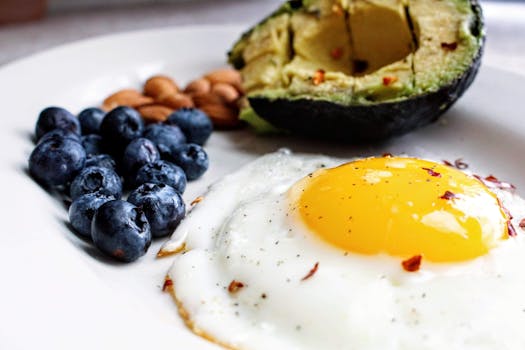
- Fiber: Add vegetables, legumes, berries, or whole grains when appropriate.
- Healthy fats in moderation: They increase satisfaction, but they can also raise calories quickly.
This approach improves satiety and often helps people naturally eat less—where fat loss comes from.
Choose a timing pattern you can sustain
Whether you eat two meals, three meals, or a flexible schedule, the best timing is the one you can stick to while maintaining a deficit. If skipping meals leads to bingeing later, it’s not helping fat loss.
A common mistake is treating meal timing as a performance metric. Instead, treat it as a tool for adherence and hunger control. If your “second meal” strategy makes you overeat or causes late-night snacking, it will likely backfire.
Use the second meal concept as a cue for balance
Rather than expecting extra fat burning, use the timing to ensure your second meal is nutritionally strong. For example:
- If your first meal is light, your second meal should still contain adequate protein and fiber.
- If your first meal is carbohydrate-heavy, consider pairing it with protein and fiber to reduce large swings in appetite.
This turns the idea into a practical meal-composition strategy rather than a metabolic guarantee.
Common misconceptions about second meal effect fat loss
Myths tend to come from overgeneralizing lab findings. Here are the most common misconceptions:
- “I can eat more if it’s my second meal.” Not reliably. Fat loss still depends on total intake.
- “The second meal boosts fat oxidation enough to matter.” Usually not to the degree needed to change body composition without a deficit.
- “Any fasting window automatically creates a second meal advantage.” Not necessarily. Meal content and overall behavior during the day matter more.
- “Glucose control improvements equal fat loss.” Glucose stability can support appetite and adherence, but it doesn’t replace a calorie deficit.
It’s fine to use metabolic concepts to refine habits, but it’s risky to treat them as a standalone fat-loss mechanism.
Prevention and best practices: avoid the trap of “timing instead of totals”
If you want the prevention guidance that actually protects progress, it’s this: don’t let the second meal effect become a substitute for tracking what matters. You can prevent the myth from derailing your results by using these guardrails:
- Keep an eye on weekly trends: Weight and waist changes over time are more informative than short-term metabolic markers.
- Prioritize protein and fiber consistency: These reduce hunger and make a deficit easier to maintain.
- Plan meals around your schedule: Choose a timing pattern that matches your life, not one that sounds good online.
- Watch for rebound eating: If “second meal” leads to overeating later, the approach isn’t supporting fat loss.
- Use professional guidance when needed: If you have diabetes, insulin resistance, or take glucose-affecting medications, meal timing changes should be discussed with a qualified clinician.
Some people also use wearable glucose monitors and apps to observe post-meal patterns. While these tools can be informative for learning how your body responds, they shouldn’t be treated as a direct fat-loss calculator. A better question is whether your meal pattern helps you maintain a sustainable deficit and protect lean mass.
Bottom line: what to believe about the second meal effect
The second meal effect fat loss claim is best understood as a partial truth with an exaggerated conclusion. Your body can show improved metabolic responses after an earlier meal—especially related to glucose handling. But the effect is not a reliable fat-loss mechanism on its own.
For meaningful fat loss, the foundation remains consistent: total calorie intake relative to expenditure, adequate protein, fiber-rich meal composition, resistance training, and lifestyle factors like sleep. Meal timing can support these goals by improving hunger control and adherence, but it shouldn’t be treated as a shortcut.
If you enjoy structured eating windows, use them to help you eat better and stick to a deficit. That’s the strategy that holds up beyond the myth.
21.12.2025. 03:06