

Return to Run Progression Pain Free: A Step-by-Step Guide

What “return to run progression pain free” actually means
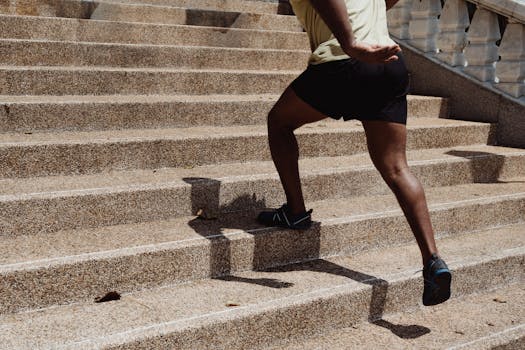
Returning to running pain free isn’t about forcing yourself to jog sooner. It’s about building a controlled return that restores capacity in the right order: tissue tolerance, movement quality, and energy cost. A pain-free progression means you can complete the scheduled sessions without worsening symptoms during the run, without a noticeable flare later that day, and without symptoms lingering or increasing over the following 24–48 hours.
To make this realistic, you’ll use a structured ramp that starts with low-impact or low-load running mechanics, then gradually increases time, frequency, and (only later) intensity. You’ll also pair the run work with specific rehab and strength tasks so the body can handle the repeated load that running demands.
This guide walks you through a practical, sequential plan you can follow at home or alongside clinic-based rehab. It’s written for people coming back after an injury, a training break, or persistent pain that has settled but not fully “earned” full running volume yet.
Prep checklist: what you need before starting the progression
Before you begin, set up your plan so you can measure tolerance and respond early if something doesn’t feel right. Running progress is easiest when you can track symptoms and control variables.
1) Confirm you’re ready to start loading
You should be able to complete daily activities and basic walking without a significant pain spike. If you’re still getting sharp pain with walking, strong morning stiffness that eases poorly, or symptoms that worsen quickly with normal movement, delay the return-to-run and focus on rehab first.
2) Choose a symptom rule you’ll follow
Use a simple rule such as: symptoms during the session should stay at a mild level and settle back to baseline within 24 hours. If pain rises during the run, changes your gait, or you notice a clear flare the next day, you reduce the workload or step back a stage.
3) Gather tools for setup
- A stopwatch or phone timer for accurate intervals
- A soft surface if possible (track, grass, or a treadmill) to reduce impact variability
- Supportive footwear that matches your needs (avoid making major shoe changes mid-progression)
- A simple log (notes app is enough) to record run time, symptoms, and any form changes you notice
- Optional: a heart-rate monitor if you use it to keep intensity controlled
4) Set up your strength “non-negotiables”
Returning pain free usually requires more than just running. Prepare two to four short strength sessions per week (20–35 minutes) that target the muscles and control patterns most likely involved in your injury history.
If you know the area that hurt (for example, Achilles, patellar tendon, shin, hip), you can bias the strength work toward that tissue and its supporting system.
Step-by-step return to run progression pain free

The steps below assume you’ll run 2–4 days per week with strength work on non-consecutive days. Adjust frequency to your recovery. The key is to progress only one variable at a time and keep sessions consistent.
Step 1: Start with a walk-run that protects symptom tolerance
Begin with a short session that gives your body time to settle into load. Use intervals so you don’t accidentally sprint into a flare.
Example starter session (2–3 days/week):
- 5 minutes brisk walk warm-up
- 1 minute easy run + 2 minutes walk
- Repeat 4–6 rounds (total running time 4–6 minutes)
- Cool down with 5–8 minutes walk
How it should feel: easy effort, no sharp pain. If you feel pain, stop or shorten the session early rather than “pushing through.”
Step 2: Progress running time before you progress pace
Once you can complete the session with stable symptoms across the next day and the day after, increase the running time gradually. Do not increase pace at the same time.
Progression rule: increase total running time by about 10–20% per session (or add one extra interval) while keeping walking time enough to control symptoms.
Example:
- Week 1: 1 min run / 2 min walk × 5 rounds (5 minutes running)
- Week 2: 1 min 15 sec run / 2 min walk × 5 rounds (about 6–7 minutes running)
- Week 3: 2 min run / 2 min walk × 5 rounds (10 minutes running)
If your symptoms increase, keep the same stage for another session or drop back one stage for 1–2 weeks.
Step 3: Add a second running day only when the first day is tolerated
Many people rush by going from 2 to 4 runs too fast. Instead, increase frequency after the first session is reliably comfortable.
When to add a day: after 2–3 successful sessions in the same stage without symptom flare.
How to schedule: run on non-consecutive days. For example: Monday + Thursday, then add Saturday when ready.
Keep the second day slightly easier: you can reduce total running time by 10–20% compared with the first day to protect recovery.
Step 4: Restore mechanics with short form cues during easy running
Running pain often involves mechanics that change under load. During easy sessions, use simple cues to keep your movement efficient.
- Foot placement: aim for landing under your hips rather than reaching far in front
- Cadence: keep steps quick and light; if you naturally lengthen stride, shorten it slightly
- Posture: tall through the torso without over-arching the low back
- Relaxation: reduce tension in the shoulders and jaw; tension can alter lower-limb control
- Breathing: stay controlled; if you can’t breathe comfortably, you’re likely running too hard
If you notice a specific pattern that triggers symptoms (for example, collapsing inward at the knee or over-striding), address it with targeted strength and mobility work (see later steps) rather than forcing the same stride.
Step 5: Transition from walk-run to continuous easy running
When you can complete repeated run intervals without symptom flare, reduce the walking time gradually. The goal is continuous easy running, not endurance at high effort.
Example transition:
- 2 min run / 1 min walk × 5 rounds
- Then 3 min run / 1 min walk × 4 rounds
- Then 8–12 minutes continuous easy run (depending on tolerance)
Progression target: build to about 20–30 minutes continuous easy running before you consider adding speed or hills.
If pain returns during the transition, extend the walk intervals or repeat the last comfortable stage.
Step 6: Increase total weekly volume slowly and consistently
Once you’re running continuously, progress volume first. Most overuse issues worsen when weekly load increases too quickly or when a “long run” arrives before tissues are ready.
Use a weekly ramp:
- Increase total running time per week by roughly 10–20%
- Keep one session as your “easy” session and avoid turning every run into a test
- Keep intensity uniform early on (easy pace)
Practical example: If you’re running 3 sessions totaling 60 minutes one week, aim for 66–72 minutes the next week, not 90 minutes.
Step 7: Add hills only after symptom stability
Hills change mechanics and load patterns. Wait until you have stable pain-free running for at least 2–3 weeks with consistent sessions.
First hill exposure:
- Choose a gentle incline
- Use short repeats (e.g., 30–45 seconds) at an easy effort
- Walk back recovery
- Keep total hill time low (5–8 minutes total) early
If your symptoms increase during the incline or the next day, remove hills and return to flat easy running for a week or two.
Step 8: Introduce controlled strength and rehab that supports the run
Strength work is how you “pay back” the capacity your tissues need. Keep sessions short and focused, and progress them as your tolerance improves. The exact exercises depend on your injury history, but the patterns below are commonly useful for return-to-run.
Lower-limb and control priorities:
- Calf capacity (if Achilles or calf was involved): slow heel raises, progressing range and load gradually
- Hip stability (if knee/ITB/hip issues were involved): side-lying hip abduction, clamshell variations, lateral band walks
- Quads/hamstrings (if patellar tendon or anterior knee was involved): split squats, step-downs with controlled knee alignment
- Foot and ankle control (if shin or plantar issues were involved): short-foot exercises, toe yoga, single-leg balance progressions
- Core and trunk control: dead bugs, side planks, anti-rotation holds
How to schedule: 2–3 strength sessions per week during the run progression. Keep intensity moderate at first, then progress load when running stays pain free.
Simple progression rule: if strength work causes a flare that lasts into the next day, reduce volume or range and rebuild.
Step 9: Add “run-specific” drills without turning them into workouts
Drills can improve mechanics, but they shouldn’t become a replacement for strength or a second hard session.
Use drills for form and coordination:
- Light A-skips or marching high knees for 20–30 seconds
- Skipping at low height (only if symptom-free) for short sets
- Strides on flat ground later in progression (once you can run 25–35 minutes comfortably)
Keep drill sessions short—about 5–10 minutes total—and stop if symptoms change.
Step 10: Reintroduce intensity last (and in small doses)
Speed work, intervals, and long runs are higher stress. Add them only after you’ve built continuous easy running and your weekly volume is stable without symptom flare.
First intensity step: consider one session per week with controlled effort, such as short “comfortably hard” segments separated by easy running or walking.
Example (later stage, once ready):
- Warm-up 10 minutes easy
- 4–6 rounds: 1 minute easy-to-moderate + 2 minutes easy
- Cool down 8 minutes easy
Do not increase intensity and volume in the same week. If you add intensity, keep weekly time the same or slightly lower.
Common mistakes that derail a pain-free return
Most setbacks happen because of predictable errors. Avoid these and your progression will feel more stable.
1) Increasing pace too early
Easy running is a skill. If you push speed before the tissues adapt, you’ll often feel pain that doesn’t show up during walking. Keep pace controlled until you can run continuously without symptoms.
2) “Stacking” hard days back-to-back
If you run easy one day but then add intensity or longer time the next day, symptoms can accumulate. Use non-consecutive scheduling and protect recovery.
3) Ignoring next-day response
Sometimes pain appears later. Track the 24–48 hour window after each session. If symptoms rise the next day, reduce the load immediately rather than waiting for a bigger flare.
4) Doing strength work that irritates the same tissue
Strength is helpful, but it must match your recovery stage. Range, load, and tempo matter. If a specific exercise consistently triggers symptoms, modify it (shorten range, reduce load, or change tempo) and build gradually.
5) Changing too many variables at once
New shoes, a new route with hills, different surfaces, and increased volume in the same week creates confusion. Keep variables stable. Progress one change at a time.
6) Cutting walking too soon
Walking intervals aren’t “cheating.” They are a tool for managing load and restoring tolerance. If you remove them before tissue capacity is ready, pain often returns.
7) Overcorrecting form
Trying to force perfect mechanics can create tension and new compensations. Use gentle cues and let the body settle. If you need major form changes, address them with strength and mobility, not only verbal cues.
Additional practical tips and optimisation advice
Use these strategies to make the progression smoother, reduce flare-ups, and build confidence in your return.
Use a symptom-based “traffic light” for daily decisions
Before runs, check how you feel at rest and with light movement. If symptoms are calm and stable, proceed with the planned session. If symptoms are elevated, reduce the session duration or switch to walk-only and strength-only work for that day.
Warm up longer than you think you need
A good warm-up helps tissues tolerate load. Aim for 8–12 minutes of easy movement before your first run interval. If you tend to stiffen quickly, add a few minutes of mobility and light calf/hip activation.
Cool down and manage soreness deliberately
After running, cool down with walking and gentle mobility. If you’re sore in a way that feels like delayed onset muscle soreness rather than sharp pain, that’s different from irritation. Still, if symptoms are trending worse across days, reduce load.
Choose surfaces that support consistent mechanics
Early on, treadmill or flat routes can reduce variability. Soft surfaces can help some people, but overly uneven ground can also change mechanics—pick something you can run consistently.
Consider natural “load management” for the rest of your week
If you return from injury, your body may still be sensitive to impact. Avoid stacking other high-impact activities (jumping, hard sports, long hikes on consecutive days) until your running sessions are stable.
Footwear and socks: keep them consistent
Minor footwear changes can alter pressure and mechanics. If you want to adjust shoes, do it after you’ve completed a few stable progression weeks so you can judge effects.
Use strength progressions that match running demands
As running time increases, progress strength from basic double-leg to single-leg control, and from stable to slightly dynamic tasks. For example, move from supported heel raises to controlled single-leg heel raises only when symptoms remain calm.
Track what changes symptoms: time, intensity, or mechanics
If pain appears after a specific running duration, reduce time first. If pain appears when pace increases, keep pace easy and consider delaying intensity. If pain appears when you fatigue and stride changes, keep sessions shorter and focus on strength and cadence.
Practical example progression (a common 6-week template)
This is one way to structure a return when symptoms are settling and you can walk comfortably.
- Week 1: 2–3 sessions of walk-run totaling 10–20 minutes with 4–6 minutes running
- Week 2: increase running time by one interval or ~10–20% per session
- Week 3: transition toward continuous easy running (15–20 minutes total running time per session)
- Week 4: continuous runs 20–25 minutes; add strength focus and keep one day easy
- Week 5: continuous runs 25–30 minutes; optionally add gentle hills or short strides if symptom-free
- Week 6: maintain volume and introduce a small intensity element only if the previous weeks were stable
Adjust this template to your history. Some injuries require slower ramps; others respond quickly once the right strength baseline is established.
When to pause and seek professional input
If you experience worsening pain that changes your gait, pain that becomes sharp or persistent at rest, significant swelling, or symptoms that repeatedly flare after every attempt, pause progression and seek assessment. A clinician can help identify whether the issue is load-related, movement-related, or tissue-specific, and can refine your plan accordingly.
Put it all together: your pain-free progression checklist
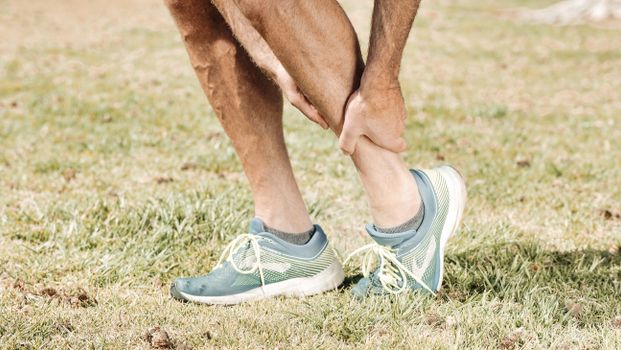
Before each run, confirm you have stable symptoms, warm up thoroughly, and follow the planned intervals. During the run, keep effort easy and use simple mechanics cues. After the run, cool down and check how you feel that evening and the next day. Pair the run sessions with targeted strength work that supports the injured area and the movement patterns running depends on. Progress only one variable at a time—time first, then frequency, then hills, then intensity.
That approach is how you return to run progression pain free: controlled loading, symptom-aware progression, and strength that makes running sustainable.
10.12.2025. 08:52