

Hip Flexor Tightness vs Hip Joint Stiffness: How to Tell the Difference

Hip motion feels “tight” for different reasons—here’s how to sort it out
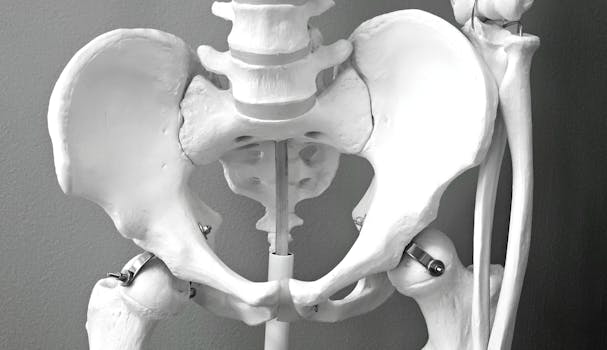
People often describe hip discomfort as tightness, pinching, or limited range of motion. But “tight hips” can come from very different sources. Two common patterns are hip flexor tightness (muscles that resist lengthening) and hip joint stiffness (reduced movement within the hip joint structures). Although both can limit hip flexion and make you feel stuck, the best way to respond depends on which problem is driving the sensation.
This guide explains how to distinguish hip flexor tightness vs hip joint stiffness, what each typically feels like, and what you can do to improve mobility. It also covers red flags—because some hip limitations are not primarily “mobility problems” and should be evaluated by a clinician.
What hip flexor tightness usually means
Hip flexor tightness most often refers to restricted length or increased tone in the muscles that flex the hip—especially the iliopsoas and rectus femoris. These muscles can feel short, “grabby,” or resistant when you try to move the hip into flexion or stretch it.
Common contributors include prolonged sitting, hip flexion dominance (for example, frequent driving or desk work), limited glute activation, and training patterns that emphasize hip flexion without enough hip extension or posterior chain work.
Typical symptoms
- Front-of-hip tightness, often near the groin or upper thigh
- Feeling of pulling when bringing the knee toward the chest
- Improved comfort after warming up, stretching, or moving through a gentle range
- Less “joint” pinching and more muscle-like resistance
- Sometimes low back tightness that eases when hip flexors are addressed
How it tends to behave during movement
With hip flexor tightness, you may notice that hip flexion feels limited because the muscles resist lengthening. You can often reproduce the sensation with stretching or positions that demand hip flexor length. In some cases, you’ll also see compensations such as an anterior pelvic tilt (tucking the pelvis forward) or increased lumbar extension to reach the same movement.
What hip joint stiffness usually means
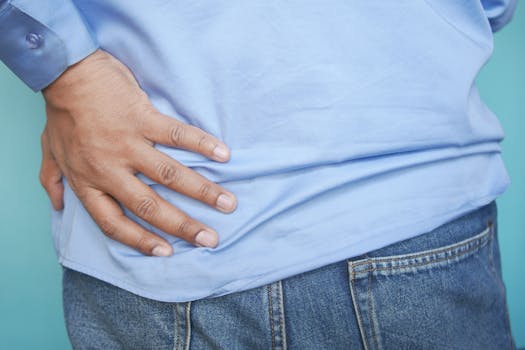
Hip joint stiffness is different: the restriction is primarily inside the joint—related to articular cartilage, joint capsule mobility, synovial fluid mechanics, or bony/joint surface constraints. In plain terms, the hip joint doesn’t glide or rotate as freely as it should, even if the muscles are not particularly “tight.”
Joint stiffness can be influenced by prior injury, inflammatory conditions, osteoarthritis, femoroacetabular impingement patterns, limited hip rotation, or prolonged immobilization. Sometimes it coexists with muscle tightness, but the “center” of the problem feels more like mechanical limitation in the joint.
Typical symptoms
- Decreased range that feels mechanical, especially during rotation
- Groin or deep hip discomfort with certain angles, often described as pinching, catching, or deep ache
- Stiffness after rest (for example, first steps in the morning) that may loosen with movement
- Difficulty with movements requiring combined hip flexion and rotation, such as getting into a car or tying shoes
- A feeling that the hip “won’t go there,” regardless of how much you stretch the front of the hip
How it tends to behave during movement
Hip joint stiffness often shows up as limited mobility that doesn’t fully respond to simple hip flexor stretching. You might feel a hard stop in the joint’s available range—particularly with rotational positions. Mobility work may help, but it often needs to target joint mechanics (capsular mobility, controlled loading, and movement quality) rather than only lengthening muscles.
Key differences in sensation and location
While everyone’s experience varies, location and quality of sensation are useful clues.
Where do you feel it?
- Hip flexor tightness often feels more superficial or muscular in the front of the hip, sometimes toward the upper thigh.
- Hip joint stiffness more often feels deep in the groin or lateral hip, with a “joint” quality—pinch, block, or deep ache.
What kind of restriction do you notice?
- Muscle-driven tightness: the stretch feels strong, and the limitation eases when the muscle is warmed up or when you use gentle stretching and activation.
- Joint-driven stiffness: you hit a mechanical limitation, especially during rotational or combined movements; stretching the front may not create lasting change.
Does the pattern change with warming up?
Both can improve with heat and movement, but muscle tightness frequently responds quickly to gentle stretching and mobility. Joint stiffness can improve too, but it often requires more targeted movement and may not fully “melt away” with brief pre-activity routines.
Practical self-checks to narrow the cause
These checks are not a diagnosis, but they help you decide whether your limitations are more consistent with muscle tightness, joint stiffness, or both.
1) Stretch response test (front-of-hip vs deep joint)
Try a gentle hip flexor stretch in a comfortable range. Pay attention to whether the sensation is clearly muscular (pulling in the front) or deep and pinchy (groin/joint discomfort). If the main discomfort is deep and sharply increases at certain angles, joint involvement is more likely.
2) Rotation emphasis check
If you can safely test, compare how your hip feels during movements that require rotation (for example, turning the knee inward/outward while standing or seated). Hip joint stiffness often shows up as a reduced or uncomfortable rotational range, while pure hip flexor tightness may be less dramatic in rotation and more obvious in flexion.
3) “Move the joint, not just the muscle” check
Assess whether you can improve range by shifting your focus from stretching the front to improving joint mobility and control. For example, if you can perform controlled hip hinges or glute-activation drills with less front pulling, you may be dealing with flexor dominance. If the joint still feels blocked regardless of muscle activation, stiffness is more likely.
4) Day-to-day pattern
- More muscle-driven: stiffness that eases quickly after you start moving, with front-of-hip pulling during stretches.
- More joint-driven: recurring limitation that persists across days, especially with deep groin discomfort during specific angles.
If you notice swelling, significant night pain, progressive loss of function, numbness, or pain that radiates like nerve symptoms, pause self-management and seek clinical evaluation.
Common causes that overlap (and why this matters)
It’s common to have both issues at once. A stiff joint can change how the hip muscles recruit, and chronically tight hip flexors can alter pelvic position and hip mechanics—creating a feedback loop.
Why hip flexors can become “overactive”
When the hip joint is less mobile, the body may compensate by using the hip flexors to achieve motion that the joint cannot. Prolonged sitting can also keep the hip in a flexed position, encouraging muscle shortening and altered activation.
Why hip flexor stretching alone may not fix joint stiffness
If the joint capsule or bony mechanics limit motion, stretching the front muscles may reduce discomfort but won’t restore full range. In that scenario, you may need joint-focused mobility and controlled strengthening that respects the joint’s limits.
What to do first: a safe decision pathway
The goal is to choose the right type of intervention without aggravating a joint problem.
If your symptoms are mostly muscular
Start with strategies that reduce excessive hip flexor tension and improve control:
- Gentle hip flexor stretching in a pain-free range (avoid forcing into sharp pinching).
- Glute activation to support better hip extension mechanics (for example, controlled bridges or standing hip extension drills).
- Posture and activity adjustments such as taking standing breaks and reducing long, uninterrupted sitting.
- Progressive mobility that emphasizes smooth movement rather than aggressive end-range pushing.
Many people notice meaningful changes when they combine stretching with strengthening and movement practice, rather than stretching alone.
If your symptoms feel joint-mechanical
If you experience deep groin pinch, a hard stop, or rotational restriction that doesn’t respond well to simple stretching, prioritize:
- Capsular and rotational mobility using gentle, controlled movements (not forcing into pain).
- Movement quality drills that keep the hip aligned—particularly during squats, lunges, or getting up from a chair.
- Strengthening with symptom awareness, focusing on hip stability and controlled loading.
- Professional assessment if pinching is recurrent, if range loss is progressing, or if you suspect impingement or arthritis.
In joint stiffness, the “best stretch” is often the one that improves joint motion without provoking sharp discomfort.
Targeted mobility guidance for each pattern
Use these as educational examples of what typically helps. Adjust based on your comfort and avoid sharp pain.
Mobility focus for hip flexor tightness
- Half-kneeling hip flexor stretch with pelvic control: keep the pelvis neutral rather than over-arching the low back.
- Contract-relax variations: gently contract the hip extensors or the glute while maintaining comfortable positioning, then relax into a small increase in range.
- Hip extension integration: practice standing hip extension with a stable torso to reduce reliance on lumbar extension.
Mobility focus for hip joint stiffness
- Gentle rotational work: focus on smooth internal/external rotation within a tolerable range.
- Controlled mobility in multiple planes: prioritize movements that restore combined hip mechanics rather than only increasing flexion.
- Warm-up with low-load motion: before stretching, use light movement to encourage joint glide (for example, slow walking, mobility flows, or cycling).
If any movement consistently causes sharp pinching or lingering flare-ups, scale back and consider a clinician’s evaluation.
When to get checked instead of self-treating
While many cases of hip tightness improve with mobility and strengthening, some situations warrant medical or physical therapy assessment. Consider evaluation if you have:
- Persistent deep groin pain with limited hip range that doesn’t improve over weeks
- Mechanical symptoms such as catching, locking, or giving way
- Rapidly worsening mobility or significant loss of function
- Inflammatory signs (night pain, systemic symptoms, marked morning stiffness that lasts long)
- Numbness, tingling, or radiating pain suggesting nerve involvement
These patterns can indicate issues beyond simple muscle tightness, such as hip joint pathology or nerve-related problems.
Prevention: keep hips moving well, not just more
Prevention is less about constant stretching and more about maintaining balanced movement and loading.
- Break up sitting: short standing and walking intervals reduce prolonged hip flexion.
- Train hip extension and rotation: include exercises that strengthen glutes and improve hip control.
- Use mobility with purpose: aim for smooth, repeatable ranges rather than forcing end-range discomfort.
- Progress gradually: if you’re increasing training volume or changing workouts, introduce mobility and strength work alongside it.
- Track your response: note whether discomfort is front-muscular versus deep-joint, and whether it changes after warm-up and over several sessions.
For many people, the best long-term outcome comes from pairing gentle mobility with strength and movement habits that support the hip joint and pelvis.
Summary: how to choose the right approach
The difference between hip flexor tightness vs hip joint stiffness often comes down to sensation, location, and how your range responds to movement and stretching. Hip flexor tightness typically feels like front-of-hip pulling that improves with warm-up, stretching, and glute activation. Hip joint stiffness more often feels deep, mechanical, and rotationally limited—sometimes with pinching that doesn’t fully respond to front-of-hip stretching alone.
If your restriction feels muscular and responds quickly to gentle work, focus on hip flexor length and posterior chain activation. If your restriction feels deep, pinchy, or mechanically blocked—especially with rotation—prioritize joint-focused mobility and controlled loading, and consider professional assessment if symptoms persist or worsen.
13.02.2026. 17:55