

Percussive Therapy Safety Checklist: Tendons, Nerves, Bruising Risk

Why a percussive therapy safety checklist matters
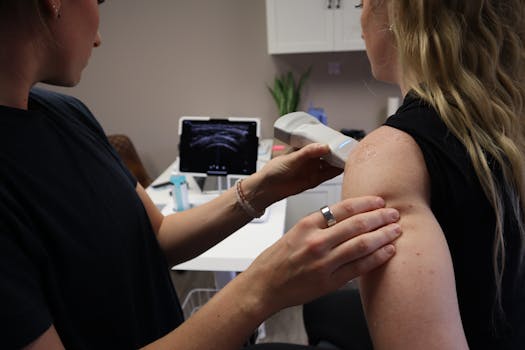
Percussive therapy can be helpful for some rehabilitation goals, but it also introduces risks if applied too aggressively, in the wrong location, or without considering your tissue sensitivity. The main concerns include increased bruising, irritation of tendons and tendon sheaths, and nerve irritation—especially near superficial nerves, bony prominences, and areas with limited tissue padding. A safety checklist helps you standardize decisions: who should or should not use percussive therapy, how hard to apply it, where to avoid, and what symptoms mean you should stop.
This guide focuses on practical safety screening and technique considerations that reduce tendon and nerve exposure and lower the likelihood of bruising.
Pre-session screening: determine whether percussive therapy is appropriate
Before using percussive therapy, treat it like a clinical decision rather than a comfort choice. Start with the following screening steps.
Check for red-flag medical conditions
- Active infection, open wounds, or skin breakdown in the treatment area.
- Unexplained swelling, severe pain, or rapidly worsening symptoms that could indicate an acute injury or complication.
- Known clotting disorders or current anticoagulant therapy that increases bleeding and bruising risk.
- Suspected fracture, dislocation, or unstable joint (percussive loading can worsen injury).
- Malignancy in the treatment region or unexplained systemic symptoms without medical evaluation.
Consider tissue sensitivity and healing stage
Even without major red flags, percussive therapy may be inappropriate or should be modified during certain stages of recovery. In general:
- Early after an acute strain or significant bruise, tissue may still be vulnerable; aggressive percussive input can increase bleeding under the skin.
- During tendon recovery, the tendon may be sensitive to repeated mechanical stress; too much intensity can aggravate irritation rather than calm it.
- Near nerve pathways, symptoms can flare if the stimulus is too strong or too direct.
Clarify sensation expectations
You should anticipate some tolerable discomfort, but not sharp, shooting, burning, or radiating pain. A safety-oriented approach uses sensation as a guide: if symptoms change from “workable” discomfort to neurologic or pain-amplifying signals, stop and reassess.
Location rules: tendons, nerves, and bruising risk zones
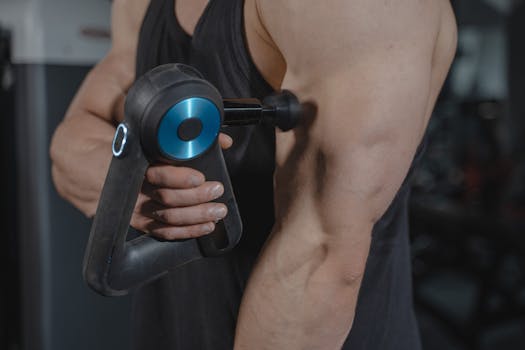
Not all tissues tolerate percussive input equally. The highest safety value comes from choosing the right area and avoiding high-risk zones.
Protect tendons and tendon sheaths
Tendons are designed for load, but they are also vulnerable to excessive or poorly targeted mechanical stress. Higher caution is needed when treating:
- Tendon insertions near bony landmarks where the tendon transitions into bone.
- Areas with known tendonitis or a recent tendon injury.
- Regions where you feel localized “hot spots” that increase pain quickly with pressure.
Practical approach: aim stimulus around the surrounding muscle belly or adjacent soft tissue rather than directly striking the most painful tendon point, unless a clinician has specifically indicated otherwise.
Avoid superficial nerves and nerve irritation patterns
Nerves can be irritated by mechanical input, particularly when the stimulus is delivered over superficial nerve tracks. Use extra caution near:
- The inner forearm and wrist (where nerves can be relatively superficial).
- The front and inner ankle region.
- The lateral knee/upper lower leg areas where superficial nerve branches may be closer to the surface.
- Any site where you feel tingling, numbness, or “electric” sensations during or after treatment.
Safety rule: if symptoms suggest nerve involvement—tingling, numbness, burning, radiating pain—stop percussive therapy and seek clinical guidance. Nerve irritation can persist if the stimulus continues.
Minimize bruising risk from bony prominences
Bruising is more likely where there is less soft tissue padding and where percussive force concentrates. Higher bruising risk zones include:
- Skin over bony prominences (for example, near the elbow tip, shin, or outer ankle).
- Areas with fragile skin or a history of easy bruising.
- Regions where you already have discoloration or tenderness suggesting a developing hematoma.
If an area is thinly padded, reduce intensity and duration, and consider whether another treatment strategy would be safer.
Intensity and dosing: control the stimulus to reduce tendon and nerve irritation
Many safety issues come from dosing errors: too high an intensity, too long a session, or too frequent repetitions. A safety-focused dosing approach emphasizes gradual exposure and objective symptom monitoring.
Start low and progress slowly
- Begin with the lowest effective setting and short application time.
- Increase only if symptoms remain within a tolerable range and do not worsen over the next 24–48 hours.
- Use fewer passes when targeting sensitive structures like tendons or areas near nerve tracks.
Respect the “pain quality” rule
Discomfort that feels like deep tissue work is different from pain that feels sharp, radiating, or neurologic. For safety:
- Stop if you feel burning, tingling, numbness, or shooting pain.
- Stop if pain spikes and does not settle quickly after lowering intensity.
- Lower intensity if you develop “after pain” that increases later the same day.
Limit session length and frequency
There is no single universal schedule because tissue sensitivity varies. As a safety baseline:
- Avoid treating the same spot repeatedly in one session.
- Allow adequate recovery between sessions, especially during early healing or when bruising risk is higher.
- If bruising appears, reduce intensity and frequency or pause until symptoms resolve.
Technique essentials: how to apply percussive therapy safely
Technique strongly influences both bruising and tissue irritation. The goal is controlled, distributed stimulation rather than concentrated striking.
Use proper contact and movement
- Keep the applicator stable and maintain consistent contact—avoid “poking” at one point.
- Use slow, controlled motion so pressure is distributed across the targeted region.
- Avoid repeated direct hits on the most tender tendon point or over superficial nerve lines.
Keep the treatment area clean and skin-protected
Follow skin care precautions that reduce irritation and prevent complications:
- Inspect skin before treatment for redness, rash, open areas, or fragile tissue.
- Do not treat over broken skin.
- If using a device with accessories (for example, a contact head or attachment), ensure it is appropriate for the body region and maintained according to the manufacturer’s instructions.
Even though many devices are designed for home use, safety depends on using the correct head/attachment and settings for the tissue and location.
Consider how you “map” the target
A practical safety method is to map the discomfort and then choose a safer treatment zone around it. For example, if a tendon insertion is very painful, treat the surrounding muscle belly or adjacent soft tissue rather than delivering maximal percussive force directly onto the tendon. This can reduce the risk of tendon aggravation while still addressing surrounding tissue tone.
Monitoring after treatment: recognize bruising and neurologic warning signs

Safety continues after you stop the device. Monitor changes in skin, pain, and sensation over the next 24–48 hours.
Bruising risk indicators
- New or expanding discoloration (purple/blue) that was not present beforehand.
- Increasing tenderness that feels “throbbing” or expands beyond the treated area.
- Visible swelling that develops after treatment.
If bruising occurs, pause percussive therapy for that area, reduce intensity, and consider whether the location is too superficial or too bony for your current settings.
Nerve irritation indicators
- Persistent tingling or numbness after the session.
- Burning sensations or electric, radiating pain.
- Symptoms that travel beyond the local treatment area.
Neurologic symptoms are a stop-and-reassess signal. Continuing to treat can prolong nerve irritation.
Expected vs concerning symptom changes
It can be normal to feel temporary soreness from increased tissue input. Concerning changes include worsening pain that escalates day-to-day, symptom spread, or any neurologic features. When in doubt, err toward less intensity and clearer clinical input.
Device and accessory considerations that affect safety
Safety is not only about technique; it also depends on the device settings and how attachments interact with tissue.
Use settings that match tissue sensitivity
- Prefer lower settings near tendons, superficial nerves, and bony areas.
- Use higher settings only where tissue is well padded and symptoms remain stable.
- Do not “chase” pain—if pain rises, reduce intensity instead of increasing it.
Follow manufacturer guidance for the specific body region
Many percussive therapy devices include instructions about recommended body areas and contraindications. Those instructions should be treated as safety boundaries, not suggestions.
Maintain the device to prevent skin irritation
Wear and tear can change how a head contacts the skin or how force is delivered. Ensure attachments are clean and in good condition. If you notice unexpected discomfort during use, stop and inspect the device and attachment.
Practical prevention guidance for tendons, nerves, and bruising risk
A safe percussive therapy approach is consistent and conservative, particularly early in recovery or when treating sensitive anatomy.
- Target safer zones: treat surrounding soft tissue rather than directly striking the most painful tendon point or superficial nerve track.
- Control dose: start low, limit session length, and avoid repeated focal hits.
- Use sensation as feedback: sharp radiating or neurologic symptoms are not “normal discomfort.”
- Monitor outcomes: check for bruising and symptom changes 24–48 hours later.
- Adjust after adverse signs: if bruising appears or nerve symptoms occur, reduce intensity/frequency or pause and seek clinical direction.
When percussive therapy is used within a structured safety checklist—screening contraindications, respecting tendon and nerve anatomy, controlling intensity, and monitoring aftercare—the risk of bruising and tissue irritation can be meaningfully reduced.
FAQ: percussive therapy safety checklist for tendons, nerves, and bruising risk
Note: This information is educational and not a substitute for individualized clinical assessment.
05.02.2026. 22:06