

Fasting Troubleshooting: Glucose Stays High (Step-by-Step Fixes)

Get your fasting glucose under control by troubleshooting what’s keeping it high
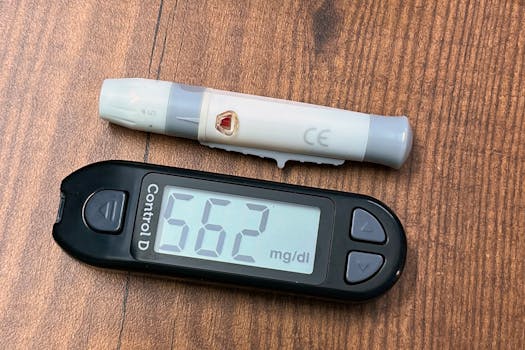
When you fast, your blood glucose should usually trend down. If it stays high, your body is either producing more glucose than you expect, your glucose measurement is misleading, your fasting window isn’t truly “fasting,” or there’s an underlying issue that needs medical attention. This guide helps you troubleshoot the most common causes and gives you a practical, step-by-step way to identify what’s happening in your situation—without guessing.
You’ll work through measurement accuracy, fasting conditions, timing, medications, sleep and stress factors, and diet choices that can keep glucose elevated. You’ll also learn what “high” usually means during fasting, so you know when to keep troubleshooting versus when to stop and seek help.
Prepare your setup so your fasting glucose readings are trustworthy
Before you change anything, make sure your data is solid. Glucose troubleshooting is hard when the numbers are inconsistent.
Required tools and setup
- A reliable home glucose meter or continuous glucose monitor (CGM). If you use a CGM, know its typical lag and accuracy limits.
- Test strips (for meters) within their expiration date and stored properly.
- Alcohol wipes or warm water for hand cleaning.
- A notebook or notes app to log: date, fasting start time, last calories, sleep duration, stress level (0–10), exercise, and glucose readings.
- If you can: a ketone check method (urine strips, blood ketones, or breath ketone meter). This helps you understand whether your body is shifting fuels.
Define what “fasting” means for your troubleshooting
For accurate fasting troubleshooting, aim for at least 10–12 hours with no calories. If you’re currently doing shorter fasts (like 6–8 hours), your liver may still be releasing glucose. Also, avoid “hidden carbs” (more on that below).
Know the safety thresholds
As a practical guideline for action: if your fasting glucose is consistently ≥180 mg/dL (10.0 mmol/L) or you have symptoms of high blood sugar (excess thirst, frequent urination, blurry vision, nausea), prioritize medical guidance. If you have diabetes and you’re on insulin or medications that lower glucose, discuss changes with your clinician before you experiment.
Step-by-step fasting troubleshooting when glucose stays high

Follow these steps in order. Don’t jump to supplements or fasting extensions until you’ve ruled out measurement and fasting-condition issues.
1) Confirm you’re truly fasting (no carbs, no calories, no “glucose signals”)
Many people think they’re fasting, but something is still stimulating glucose production.
Check your last day and night for:
- Calories: cooking oil, creamers, protein shakes, “tiny bites,” broth with calories.
- Carbohydrates: sauces, sugar-free snacks that still contain carbs, gum with sugar alcohols, mints with sweeteners.
- “Zero calorie” doesn’t always mean no effect: some products contain sugar alcohols that may still affect glucose for you.
- Medications and supplements: some syrups, chewables, and certain formulations contain carbs.
Practical example: If you stop eating at 8:00 PM but take a “nighttime electrolyte” that contains 1–2 grams of carbs per serving, your glucose may not drop as expected. Even small amounts can matter when you’re troubleshooting.
2) Verify your measurement method and avoid common meter/CGM errors
Measurement problems are a top reason fasting glucose “stays high.”
If you use a fingerstick meter:
- Wash hands with warm water and soap, then dry fully. Avoid using alcohol wipes right before testing unless you let the alcohol fully evaporate.
- Wipe the first drop if it’s contaminated. Use a fresh drop.
- Check that strips aren’t expired and that storage conditions are correct.
- Make sure you’re not squeezing the finger too hard (it can dilute with tissue fluid).
If you use a CGM:
- Remember there can be a 10–20 minute lag compared with fingerstick.
- Calibrate if your device requires it and follow your manufacturer instructions.
- Confirm unexpectedly high readings with a fingerstick when troubleshooting.
Quick reality check: Take two readings 5–10 minutes apart (fingerstick) under the same conditions. If they swing wildly, your measurement process needs tightening before you interpret the trend.
3) Extend your fasting window to eliminate “not enough time” effects
Some people need more time for fasting glucose to settle, especially if they’re insulin resistant or recently ate carbs.
For troubleshooting, try:
- At least 12 hours with no calories.
- Then compare to a second attempt after 14–16 hours (only if it’s safe for you and you don’t have contraindications).
Example scenario: You fast from 9:00 PM to 6:00 AM (9 hours). Your glucose is 115–130 mg/dL. When you extend to 9:00 PM to 1:00 PM (16 hours), it trends closer to 95–105 mg/dL. That suggests timing, not a permanent problem.
4) Look for the dawn phenomenon and timing of the test
Even with a perfect fast, your body may raise glucose in the early morning due to hormones like cortisol and growth hormone. This is often called the dawn phenomenon.
Do this:
- Measure glucose at two times during the fast: for example, 7–8 AM and again 12–1 PM.
- If your morning value is higher but later in the day it drops, dawn phenomenon is likely contributing.
Don’t try to “fix” it with extreme fasting. Instead, treat it as a timing pattern and adjust your fasting schedule if appropriate.
5) Check your last meal composition and carb timing from the prior day
Your prior day can strongly influence fasting glucose the next morning. This is especially true if your last meal was higher in carbs or even moderate carbs eaten late.
For your troubleshooting window:
- Make your final meal lower in carbs for 24–48 hours.
- Aim to finish eating at least 3 hours before bed.
- Keep protein and fat consistent enough that you can observe changes without adding too many variables.
Practical example: If you ate a bowl of rice and fruit at 9:00 PM, your fasting glucose may stay elevated even after 12 hours. Swap to a meal that’s lower in carbs and finish earlier, then repeat your fasting test.
6) Evaluate stress, sleep, and illness—because they can raise glucose quickly
Stress hormones can push glucose up even if you eat perfectly. Sleep loss is a big one.
Track these for at least 3 fasting attempts:
- Sleep duration: aim for 7–9 hours if possible.
- Late-night stress: work deadlines, arguments, intense exercise near bedtime.
- Illness: colds, inflammation, dental infections, or even mild fever.
Action step: If you notice your fasting glucose is higher on nights you slept 5–6 hours, treat that as a real pattern. You can still troubleshoot, but don’t assume the fasting itself is the only cause.
7) Review exercise timing and intensity during your fasting plan
Exercise can affect glucose. It can lower glucose, but intense training or certain timing can raise it temporarily.
Try a controlled approach for troubleshooting:
- If you exercise, keep it consistent (same type, similar intensity) across fasting attempts.
- Avoid very intense workouts right before bedtime during the troubleshooting period.
- Consider light movement in the morning (for example, a 15–20 minute walk) if it’s safe for you—then measure how your glucose responds.
Example: You do a hard leg workout at 8:00 PM. Your fasting glucose next morning is higher. When you switch to a 20-minute easy walk earlier in the day, the fasting number improves. That suggests exercise timing is part of the puzzle.
8) Check for medications and supplements that affect glucose
This step matters. Some prescriptions can raise fasting glucose or interfere with interpretation.
Common examples to discuss with your clinician (not to stop on your own):
- Corticosteroids (prednisone, steroid injections)
- Some antipsychotics
- Niacin in certain doses
- Some thyroid-related adjustments
- Oral diabetes medications timing and dose can affect fasting readings
- Supplements: high-dose electrolytes are usually fine, but some “weight loss” or “energy” products include carbs or stimulants that may affect glucose
Action step: Write down your medication list and dosing times. If your fasting glucose is consistently high, ask your prescriber whether your dosing schedule could be contributing.
9) Confirm whether your body is switching fuels (ketones can guide interpretation)
If you’re fasting and your glucose stays high, you want to know whether you’re also generating ketones. Ketones don’t guarantee “good” glucose, but they can show whether your body is shifting toward fat metabolism.
How to use ketone checks:
- If you can, test ketones around the same fasting time each day.
- If ketones are low or absent after 12–16 hours, it may suggest your body isn’t fully entering a fasting/fat-burning state.
- If ketones are present, yet glucose stays high, the issue may be more related to dawn phenomenon, liver glucose output, insulin resistance, or medication timing.
Practical example: You fast 14 hours. Glucose is 130 mg/dL. Ketones are near zero. That combination often points to inadequate fasting conditions (hidden carbs), insufficient time, or a metabolic situation where your body isn’t switching fuels as expected.
10) Look for insulin resistance patterns and adjust your approach carefully
If fasting glucose is high repeatedly, it can reflect insulin resistance. You’ll need to troubleshoot without making fasting more aggressive immediately.
Use your logs to identify patterns:
- Is your glucose higher after higher-carb dinners?
- Is it higher on low-sleep nights?
- Is it higher on mornings compared with later in the day?
- Does it improve after consistent lower-carb meals for 2–3 days?
Soft optimization move: For 1–2 weeks, focus on consistent meal composition and timing rather than jumping straight to longer fasts. If you’re using an electrolyte product during fasting, choose one that’s truly carb-free (check the label) to avoid accidental glucose bumps.
11) Decide whether to stop experimenting and get medical support
Some situations shouldn’t be “DIY.” Get prompt medical guidance if:
- Your fasting glucose is consistently very high (for many people, ≥180 mg/dL).
- You have symptoms of hyperglycemia or ketones are high with feeling unwell (especially if you have type 1 diabetes or are prone to DKA).
- Your glucose readings don’t improve despite tightening fasting conditions for several attempts.
- You’re pregnant, have kidney disease, or take glucose-altering medication where fasting changes could be risky.
In those cases, your best troubleshooting step is a clinician-led plan using lab tests like A1C, fasting insulin, C-peptide, or other relevant markers.
Common mistakes that cause fasting glucose to stay high
Use this checklist to avoid the most frequent errors.
- Starting fasting too soon after a meal with carbs or late eating.
- Hidden carbs from supplements, flavored electrolytes, “zero sugar” products that still contain measurable carbs/sugar alcohols, or gum/mints.
- Inconsistent measurement (not washing hands, expired strips, different times of day, CGM not confirmed by fingerstick).
- Assuming morning is “the fasting baseline” when dawn phenomenon is present.
- Changing too many variables at once (fast length, meal composition, exercise intensity, sleep schedule). You need one change at a time.
- Ignoring stress and sleep as active glucose drivers.
- Overextending fasts before you’ve proven that your fasting conditions and measurement are correct.
Additional practical tips to optimize fasting and glucose outcomes
Once you’ve tightened the basics, you can optimize your plan. Keep it realistic and safe.
Use a simple logging template for 7 days
Track:
- Fasting start time and end time
- Last calorie time
- Fasting glucose readings at the same time each day (for example, 8:00 AM and 1:00 PM)
- Sleep hours
- Exercise timing (yes/no, intensity)
- Stress score (0–10)
This helps you spot whether the “stays high” pattern is consistent or tied to specific days.
Choose fasting-friendly support that won’t add carbs
Many people use electrolytes during fasting. If you do, look for options that are carb-free and low in additives. Avoid flavored products that include sweeteners or carbs unless you’ve confirmed they don’t affect your glucose.
Soft recommendation: a plain, carb-free electrolyte approach is usually easier to troubleshoot than a complex blend with multiple ingredients.
Consider adjusting the time of your fasting window instead of forcing longer fasts
If your later-day readings are lower than your morning readings, shift your fasting schedule so your “main measurement” occurs when dawn hormones are less active. This can be more effective than extending fasting hours immediately.
Be consistent with your “last meal” for a few cycles
Don’t keep changing dinner while you troubleshoot. Choose a low-to-moderate carb meal you tolerate well, finish eating at least 3 hours before bed, and repeat for 2–3 fasting attempts. Consistency reveals patterns fast.
Use ketones as a directional tool, not a moral judgment
If ketones are low, it doesn’t automatically mean you’re doing something wrong. It can mean your fasting window isn’t long enough, your carb intake earlier was higher, or your metabolism is still transitioning. Use ketones to guide what to try next, not to panic.
Plan for medication timing with your clinician
If you’re on insulin or glucose-lowering medications, fasting troubleshooting must be coordinated. Even small changes in timing can affect hypoglycemia risk. Ask your clinician how your medication schedule should align with fasting windows.
Real-world scenario: You see 125 mg/dL at 8 AM, but 98 mg/dL at 1 PM
Let’s say you fast from 9:00 PM to 1:00 PM. Your fingerstick at 8:00 AM is 125 mg/dL. At 1:00 PM, it’s 98 mg/dL. You also notice you slept 5.5 hours the night before and had a stressful day.
What this likely means:
- Dawn phenomenon and sleep/stress are pushing glucose up early.
- Your fasting is working later in the day.
Your next steps would be to stabilize sleep, keep the last meal lower in carbs, and evaluate fasting on a consistent schedule rather than extending the fast dramatically.
Real-world scenario: You fast 14 hours but glucose stays 140 mg/dL
In another scenario, you fast from 8:00 PM to 10:00 AM (14 hours), and your glucose is 140 mg/dL every time for a week. You also check ketones and they’re near zero.
What you do next:
- Confirm no hidden carbs in supplements/electrolytes
- Confirm measurement accuracy with fingerstick and consistent handwashing
- Review medication timing with your clinician
- Consider lab work with your healthcare provider if the pattern persists
At this point, troubleshooting at home may not be enough.
When you’re done troubleshooting, you’ll know what to do next
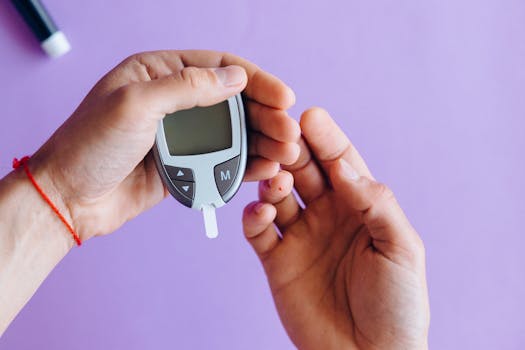
By the end of this process, you should be able to answer key questions: Are your readings accurate? Are you truly fasting? Is the high glucose mostly a morning/dawn issue? Is your last meal and sleep driving the pattern? Are meds contributing? And if the numbers remain high despite tightening the basics, you’ll have a clear rationale for getting medical support rather than guessing.
That clarity is the goal. Once you understand the cause, your fasting plan becomes easier to manage—and safer to adjust.
23.02.2026. 01:14