

N=1 Insulin Sensitivity Trial: How to Run One Safely

Goal: run an N=1 insulin sensitivity trial to learn what changes your body responds to
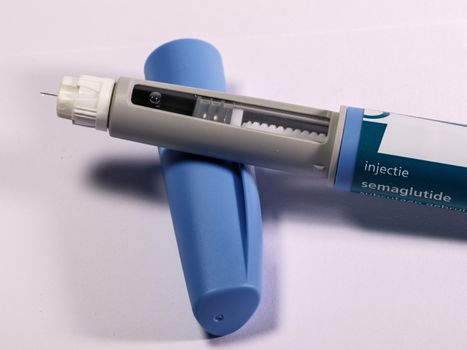
An N=1 insulin sensitivity trial is a structured, personal experiment. You change one or a few variables in a controlled way, measure your insulin sensitivity signals, and decide what to keep. This approach helps you move from guesswork (“maybe carbs are the issue”) to evidence (“my fasting glucose drops and my post-meal glucose curve improves when I do X”).
You’re not trying to prove anything to the world. You’re trying to learn what works for you, with enough structure that your results are meaningful.
To do that, you’ll set a baseline, run a defined intervention period, and compare your data using consistent measurement methods. Done well, the trial can guide food choices, timing, exercise habits, sleep routines, and even supplement timing—while reducing the chance you’re chasing noise.
Preparation: what you need before you start
Before you change anything, get your setup stable for at least 1–2 weeks. Insulin sensitivity is influenced by sleep, stress, illness, training load, alcohol, menstrual cycle, and even travel. Your goal is to control those factors as much as practical.
1) Choose your measurement method (pick one primary signal)
You need a way to track insulin sensitivity-related outcomes. Common options include:
- Continuous glucose monitor (CGM): Tracks glucose every 5 minutes (or similar). Useful for post-meal response, time-in-range, and glucose variability.
- Fingerstick glucose: Less granular but still useful if you standardize timing (e.g., fasting, 1-hour, 2-hour after meals).
- Fasting labs: Fasting glucose and fasting insulin (if available) can help estimate insulin resistance. You can also use HbA1c for longer-term context.
- Optional insulin or C-peptide: If you can get bloodwork, pairing fasting glucose with fasting insulin is often more informative than glucose alone.
Choose one primary outcome you’ll focus on. For example, you might use CGM metrics (like 2-hour post-meal peak and time above a threshold) or fingerstick glucose at set intervals.
2) Decide your trial length and structure
A practical N=1 trial usually takes 4–8 weeks total, depending on your schedule and how variable your life is.
- Baseline phase: 2 weeks (keep your current routine)
- Intervention phase: 2–6 weeks (introduce your chosen change)
- Optional washout/repeat: 1–2 weeks or a second intervention cycle if you want to refine further
Why 2 weeks? It’s long enough to see patterns, short enough to stay motivated, and usually sufficient to capture multiple meal and activity cycles.
3) Pick one intervention variable (don’t change everything)
Insulin sensitivity responds to many factors. If you change meal composition, meal timing, exercise, sleep, and supplements all at once, you won’t know what caused the improvement.
Choose one primary lever. Examples:
- Carbohydrate amount (e.g., reduce net carbs at dinner)
- Carbohydrate timing (e.g., shift carbs to earlier in the day)
- Meal order (e.g., start meals with non-starchy vegetables and protein)
- Post-meal activity (e.g., 10–20 minute walk after dinner)
- Resistance training frequency (e.g., 2–3 sessions/week)
- Sleep timing (e.g., consistent bedtime window)
- Alcohol reduction (e.g., none for 2 weeks)
If you want to include a second change, keep it small and consistent so it doesn’t muddy the results.
4) Gather tools and setup items
- CGM (if using): ensure sensors are working and calibrate/confirm if your model requires it
- Glucose meter (if using fingersticks): strips, lancets, alcohol swabs if needed
- Food scale or portioning system: even a simple “portion guide” works if you’re consistent
- Tracking app or spreadsheet: log meals, timing, exercise, sleep, and any unusual events
- Activity tracker: step count and workout timing help interpret glucose patterns
- Notes section: stress, travel, poor sleep, sickness, and menstrual cycle notes matter
Real-world example: If you use a CGM, you’ll want a way to mark meal times accurately. Many people forget to log when the meal started. Use a consistent prompt: “Start CGM meal log when the first bite happens.”
5) Safety checks before you start
If you take insulin or medications that can cause hypoglycemia (such as some sulfonylureas), do not run an experiment without your clinician’s guidance. Even lifestyle interventions can change glucose enough to affect dosing needs.
If you have diabetes, kidney disease, pregnancy, or a history of severe hypoglycemia, keep your trial plan medical-device appropriate and discuss your monitoring strategy with your healthcare provider.
Step-by-step: how to run your N=1 insulin sensitivity trial
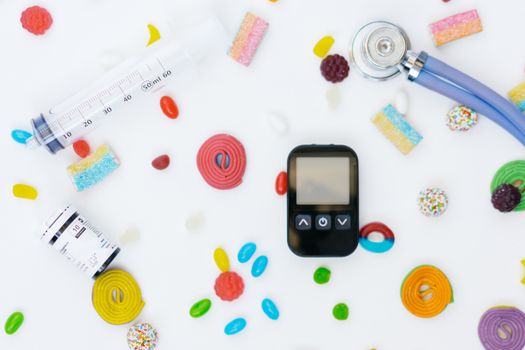
Follow these steps in order. The key is consistency and clean data.
1) Establish a baseline you can trust (days 1–14)
For 14 days, keep your current routine as stable as possible.
- Meals: eat your usual foods without major changes
- Exercise: keep your typical activity level
- Sleep: aim for your normal bedtime/wake time
- Alcohol: keep it at your usual level (or choose a clear rule like “none” for both baseline and intervention)
Track consistently:
- CGM: record meal start times and note what you ate (at least carbs/protein/fat categories)
- Fingerstick: measure fasting glucose daily (same wake time), plus 1–2 post-meal checks for your most common meals
- Sleep/stress: rate sleep quality 1–5 and stress 1–5 each day
Data target example: If you eat breakfast and dinner daily, aim for at least 10–14 tracked meals in baseline where meal timing is accurate. More is better, but consistency matters more than volume.
2) Choose one primary metric and one supporting metric
Pick metrics that match your measurement method.
Examples using CGM:
- Primary: average glucose peak 60–120 minutes after your largest meal
- Primary alternative: time above 140 mg/dL (or your chosen threshold) after meals
- Supporting: fasting glucose trend (7-day average), glucose variability (standard deviation), or “area under the curve” if your app provides it
Examples using fingersticks:
- Primary: 2-hour glucose after your standardized meal
- Supporting: fasting glucose average and day-to-day variability
Important: decide the metric before you start the intervention. If you change metrics mid-trial, your conclusions become less reliable.
3) Lock in your intervention: define the exact change
Write your intervention rule in one sentence, then operationalize it.
Pick one example intervention below and define it precisely:
- Post-meal walking: “Walk 15 minutes at an easy pace starting within 10 minutes after dinner, 6 days/week.”
- Carb timing: “Limit net carbs at dinner to a set target (e.g., 30–60 g) and shift remaining carbs to breakfast/lunch.”
- Meal order: “Start with vegetables + protein, then eat carbs last, for lunch and dinner.”
- Resistance training: “Complete 2 full-body resistance sessions per week, with at least 48 hours between sessions.”
- Sleep consistency: “Set a fixed bedtime and wake time window (e.g., within 30 minutes) and aim for 7.5–8.5 hours.”
Be realistic. If your rule is too strict, you’ll break it and the data will reflect inconsistency rather than the intervention’s effect.
4) Run the intervention phase (days 15–42, adjust as needed)
For the next 2–6 weeks, keep everything else as stable as possible.
- Keep tracking: continue logging meals and measurement times
- Use the same “largest meal” definition: whichever meal is typically your biggest carb load, keep it consistent or note exceptions
- Maintain consistent exercise: if you’re adding walking, don’t also add new workouts unless it’s part of the intervention
- Track deviations: travel days, late nights, missed walks, and “cheat meals” should be labeled clearly
Practical example: You decide to do post-dinner walking. You work late and eat at 9:30 PM. That day, you still walk within 10 minutes, but you mark it as “late dinner.” Over time, you can see whether late dinners change the effect size.
5) Create a simple daily log template you can follow
You want enough detail to interpret results without drowning in data.
At minimum, record:
- Date
- Sleep duration and quality (1–5)
- Primary meal time(s) and what you ate (carb estimate or grams if you track that)
- Exercise and timing (steps, walk duration, workout time)
- Any unusual events (stressful day, illness, travel)
- For fingersticks: fasting and post-meal glucose values with exact timing
If you use CGM, also mark meal start and end times if your app supports it. Even a note like “dinner started 7:10 PM” can make later analysis much easier.
6) Review your baseline vs intervention after 2 weeks, then again at the end
Don’t wait until the last day to check whether the intervention is working. At day 28 (after 2 weeks of intervention), do a quick review.
Look for direction and consistency, not perfection.
- Direction: Are post-meal peaks lower? Is time above your threshold reduced?
- Consistency: Are improvements showing up on most days, not just one?
- Fasting trend: Is fasting glucose improving or worsening?
- Variability: Is glucose smoother, or are swings larger?
If you see a meaningful change early (for example, you consistently reduce post-meal peak by 10–20 mg/dL), you can keep the intervention. If you see no trend, you may need to tighten adherence or reconsider the intervention variable.
7) Decide what to do based on your data quality
At the end of the trial window, make decisions using three checks:
- Adherence check: Did you follow the rule on at least 80% of applicable days?
- Signal check: Did your primary metric move in the expected direction?
- Robustness check: Did the effect persist across different days (not only weekends or only low-stress days)?
If adherence was high and the signal moved, you’ve learned something actionable. If adherence was low, your conclusion should focus on feasibility and process, not biology.
8) Optional: refine with a second N=1 cycle
Once you have a “winner” intervention, you can run a second trial to refine.
Two common refinement strategies:
- Change the dose: If post-dinner walking helps, test 10 minutes vs 20 minutes.
- Change the timing: If walking helps after dinner, test walking after lunch instead.
If you do a second cycle, keep the original change consistent while you test only one refinement variable.
Common mistakes that ruin N=1 insulin sensitivity trial results
Most failed trials aren’t because the idea is wrong. They’re because the experiment is messy. Watch for these issues.
1) Changing multiple variables at once
If you start walking, reduce carbs, improve sleep, and take a supplement in the same week, you won’t know which change mattered. Pick one lever for the main trial.
2) Inaccurate meal timing
With CGM, glucose changes lag behind food. If you log meal start times 30–60 minutes late, your post-meal peak comparisons become unreliable.
Fix: mark the first bite time. If you can, also note when you finished eating.
3) Not tracking deviations
Skipping a walk because you’re traveling is normal. The problem is when you forget it happened. Your “average improvement” might be driven by a few perfect days.
Fix: label deviations clearly. Even a short note helps you filter later.
4) Too short a baseline
Two weeks is not magic, but it helps. If you start the intervention after only 3–5 days, you’re mostly measuring random daily noise.
Fix: aim for 14 days baseline unless you’re already stable and have consistent data from earlier.
5) Comparing the wrong meal types
If your “largest meal” changes from a carb-heavy dinner to a protein-heavy dinner mid-trial, your primary metric may shift for reasons unrelated to insulin sensitivity.
Fix: either standardize meal composition or consistently analyze the same meal category (for example, dinner with 60–90 g carbs vs dinners with 150 g carbs).
6) Ignoring sleep and stress
Short sleep and high stress can raise glucose even when your food is unchanged. If you don’t track them, you may interpret stress-driven glucose spikes as “the intervention didn’t work.”
Fix: rate sleep quality daily and note major stress events.
Additional practical tips to optimize your trial and make results usable
These steps help you turn your trial into something you can actually act on.
1) Standardize one “test meal” for cleaner comparisons
If your day-to-day meals vary a lot, choose one meal you repeat at least 3–5 times per phase. Keep it similar in portion and timing.
Real-world scenario: You work from home and can repeat a lunch. During baseline and intervention, you eat the same lunch (for example, 2 cups non-starchy vegetables, 6–8 oz protein, and a defined carb portion). Then your post-meal glucose response becomes much easier to interpret.
2) Use a consistent carbohydrate estimate method
You don’t need perfect macros, but you do need consistency. If you estimate carbs by eye during baseline and then switch to weighing during intervention, the “improvement” might come from more accurate portion control.
Fix: either estimate the same way throughout, or weigh throughout.
3) Consider meal spacing and timing
Insulin sensitivity signals can be affected by how long you go between meals. If you’re testing post-meal walking, keep meal timing consistent (e.g., dinner at 6–7 PM most days).
If your schedule changes, log meal start times and interpret results accordingly.
4) Track glucose variability, not just averages
Two people can have the same average glucose but different variability. Many CGM users notice that improved insulin sensitivity comes with fewer sharp spikes.
Even if you don’t calculate complex metrics, you can visually check whether post-meal curves are flatter during intervention.
5) Look for early wins and late surprises
Some interventions show fast effects (like post-meal walking). Others take longer (like changes in body weight, training adaptations, or sleep stabilization).
- Fast-acting: walking, meal order, carb timing, and immediate meal composition changes
- Slower: resistance training adaptations, sustained sleep improvements, and weight changes
That doesn’t mean you should stop early. It means you should interpret timing appropriately.
6) If you use supplements, keep dosing consistent
Supplements can influence glucose. If you already take something, keep it the same throughout the trial.
If you want to test a supplement, treat it as the intervention variable and keep everything else stable. Examples people sometimes consider (discuss with your clinician if you’re on medication):
- Fiber supplements (timing matters with meals)
- Magnesium (if appropriate for you)
- Berberine or similar compounds (stronger effects are possible; medication interactions can occur)
Soft product integration: if you’re trying to implement meal order or carb control consistently, a practical tool can be a digital food scale and a meal logging app. Many people find that weighing portions for 2–4 weeks reduces “estimate drift,” which improves trial quality. There are many options, so choose something you’ll actually use daily.
7) Plan for adherence with realistic “minimum rules”
Adherence is the difference between a useful trial and a frustrating one.
Set a minimum rule that you can follow even on busy days. For example:
- Post-meal walking: “At least 10 minutes after dinner, 6 days/week.”
- Carb timing: “Carbs at dinner only if I hit my protein + vegetables first.”
- Sleep: “No later than 30 minutes variance from my bedtime.”
Then aim higher on good days, but keep the minimum as your baseline.
8) Interpret results with context, not just numbers
Glucose is not only about insulin sensitivity. It’s also about stress hormones, illness, caffeine, and even dehydration. When you see an outlier day, check your logs.
Example: If your post-meal peak spikes on a day you slept 4 hours and had high stress, don’t immediately conclude the intervention failed. Mark it and look at the overall pattern.
9) Don’t overreact to single-day spikes
CGM is sensitive. It will show spikes that are real but may not represent your typical response.
Use your primary metric across multiple meals. A meaningful change usually shows up across repeated days, not a single “bad day.”
10) When to stop early
Stop or pause the trial and seek clinician input if you experience:
- Symptoms of hypoglycemia (shakiness, confusion, sweating) or concerning glucose lows
- Signs of illness that may confound results
- Medication-related issues (especially if you adjust diet significantly)
Better to pause than to push through unsafe conditions.
Example N=1 insulin sensitivity trial plan (you can copy the structure)
Here’s a concrete plan you could run. Adjust the intervention to your situation and safety needs.
Baseline (14 days): keep routine stable
- Use CGM or fingersticks
- Log dinner start time and what you ate
- Keep activity and sleep as you normally do
- Record sleep quality daily
Primary metric: average CGM peak 60–120 minutes after dinner.
Supporting metric: fasting glucose 7-day average and time above 140 mg/dL after dinner.
Intervention (28–42 days): post-dinner walk
- Walk 15 minutes starting within 10 minutes after dinner
- Do this 6 days per week
- Keep meals otherwise similar to baseline (don’t also cut carbs unless carbs are your intervention)
- Keep logging meal start time and sleep
After 14 days of intervention, check whether your dinner peak is moving down and whether spikes are less frequent.
Decision (end of trial)
- If dinner peaks drop consistently and time above threshold decreases, keep the walking habit.
- If the effect is inconsistent, tighten adherence (start time window, duration) before changing the intervention variable.
- If there’s no trend, switch to a different single lever in a second trial (meal order, carb timing, resistance training, or sleep consistency).
Optional refinement
After you’ve confirmed walking helps, run a second cycle:
- Test 10 minutes vs 20 minutes after dinner for 2 weeks each (or a randomized approach if you’re comfortable)
- Keep everything else stable
This refinement can help you find the smallest effective dose—useful if you want sustainability.
How to make your results actionable after the trial ends
Once you finish, translate the data into a plan you can maintain.
- If the primary metric improved: adopt the intervention as a long-term habit, but keep it flexible (use your minimum rule on busy days).
- If fasting improved but post-meal didn’t: consider that your lever may be influencing overnight glucose more than meal response. You might pair it with a post-meal strategy in a second trial.
- If post-meal improved but fasting worsened: check sleep, late-night eating, and overall caloric balance. Then consider a refinement rather than abandoning the intervention.
- If nothing changed: it may be the wrong lever for your physiology, or adherence wasn’t high enough. Before you declare failure, verify measurement quality (meal timing, consistent test meals, reliable logging).
That’s the real value of an N=1 approach: you’re building a personal evidence base, not chasing trends.
Common setup checklist you can run before day 1
Use this quick checklist to ensure you don’t miss key details.
- Pick your primary metric and supporting metric
- Confirm your measurement method works reliably (CGM readings or fingerstick timing)
- Set your baseline length (14 days recommended)
- Define one intervention variable in a single sentence
- Write down the exact “rules” (timing, frequency, portion targets)
- Plan how you’ll log meals and deviations
- Decide what counts as adherence (e.g., 6 of 7 days)
- Safety check: confirm medication and hypoglycemia risk with your clinician if relevant
When your setup is solid, the data becomes easier to interpret—and you spend less time second-guessing.
23.03.2026. 04:40