

Circadian Friendly Meal Timing Schedule: A Step-by-Step Plan

What you’re building: a circadian friendly meal timing schedule that fits your day
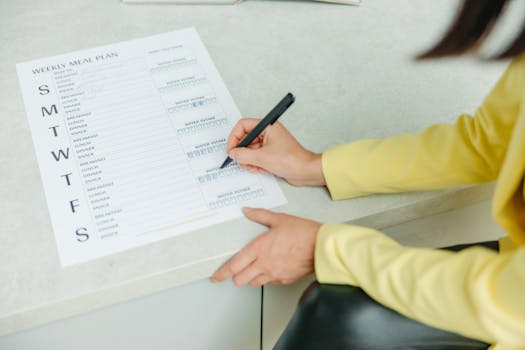
A circadian friendly meal timing schedule is a simple plan for when you eat, not just what you eat. The goal is to align food intake with your body clock—typically eating earlier in your day, finishing earlier at night, and avoiding long gaps that push calories into late hours.
When your meals land in the right windows, you may notice steadier energy, easier digestion, and better sleep quality. You don’t need perfection. You need consistency and a schedule you can follow most days.
In this guide, you’ll set your eating window, choose meal times, and build a week-long ramp-up so your body can adjust smoothly.
Prep you’ll need before you start
Before you change anything, set yourself up with a few basics. This makes the schedule easier to follow and reduces guesswork.
- Your target wake time and bedtime: Write them down. Use your usual times, not your “ideal” times.
- Your current meal timing: For 2–3 days, note when you eat breakfast, lunch, dinner, and any snacks. Include drinks with calories (milk in coffee, sweetened yogurt, etc.).
- A “no-late-food” rule you can keep: Pick a dinner end time you can realistically meet (example: stop eating 3 hours before bed).
- Optional tracking tools: A notes app, a simple calendar reminder, or a meal log. If you like structure, a wearable sleep tracker can help you see sleep changes, but it’s not required.
- Home setup: If late-night snacking is your weak spot, keep tempting foods out of the kitchen area after dinner. A “doorway rule” (only water in the kitchen after your stop time) works well.
If you’re using supplements or medications that require food, write down the timing requirements too. Your schedule should support your routine, not fight it.
Step-by-step: build your circadian friendly meal timing schedule
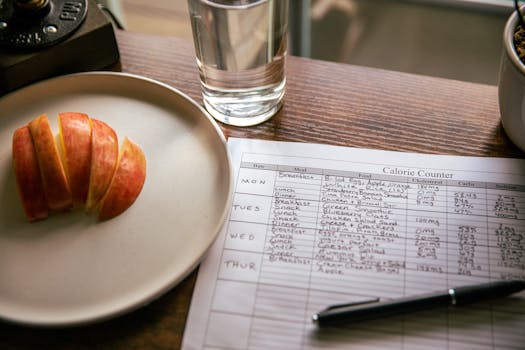
Use these steps in order. You’ll end up with a practical plan that you can start tomorrow.
Step 1: Choose your eating window length
Most people do well with an 10–12 hour eating window. If you currently eat from morning through evening (or late at night), start closer to 12 hours to reduce disruption.
Pick an initial window like one of these examples:
- 12-hour window: 7:00 AM to 7:00 PM
- 11-hour window: 7:30 AM to 6:30 PM
- 10-hour window: 8:00 AM to 6:00 PM
Then set your “last bite” time based on bedtime. A common guideline is to stop eating about 2.5–3 hours before sleep if that’s feasible for you.
Example: If you go to bed at 10:30 PM, your last bite should ideally be around 7:30–8:00 PM. That might mean a 12-hour window ending around 8:00 PM.
Step 2: Set your meal anchors (breakfast, lunch, dinner)
Meal anchors are the times you repeat. They prevent “floating” meals that drift later.
Choose your anchor times within your eating window:
- Breakfast anchor: Within 60–90 minutes of waking.
- Lunch anchor: About 4–6 hours after breakfast.
- Dinner anchor: 3–4 hours before your last bite time.
Keep snacks optional and controlled. If you snack, schedule them inside the window, not after the stop time.
Step 3: Decide how many meals you’ll eat per day
Pick one of these structures based on your hunger and lifestyle:
- 3 meals/day: Breakfast, lunch, dinner. Simple and effective.
- 2 meals + 1 planned snack: Lunch and dinner plus a snack between them.
- 3 meals + 1 small snack: Only if you truly need it (training days, very active jobs, or long gaps without food).
Try not to add extra late snacks “just because.” If you need more calories, increase earlier meals instead.
Step 4: Create a 7-day ramp-up so your schedule sticks
Don’t change everything at once. Use a gradual shift so your appetite and digestion adjust.
Here’s a realistic ramp-up pattern:
- Days 1–2: Pick your last bite time first. Stop eating 30–60 minutes earlier than you do now.
- Days 3–4: Move breakfast earlier by 15–30 minutes (or keep it the same if it’s already early). Aim to get food within 60–90 minutes of waking.
- Days 5–7: Tighten to your target eating window (10–12 hours). Keep meal anchors consistent within 30 minutes day to day.
Practical example scenario: You wake at 7:30 AM and usually eat breakfast at 9:00 AM, dinner around 8:30 PM, and snack after 10:00 PM. Your bedtime is 11:00 PM.
You start by stopping snacks at 9:30 PM (Days 1–2). Then you move breakfast to 8:00 AM (Days 3–4). By Days 5–7, you aim for an 11-hour window: 8:00 AM–7:00 PM, with dinner ending by 7:00 PM and no calories after.
Step 5: Put your meal times on reminders (and protect them)
Set two reminders:
- “Start eating” reminder: 15 minutes before your breakfast anchor.
- “Last bite” reminder: The time you want to stop eating.
Then protect the schedule with simple rules:
- Plan your lunch the night before (even if it’s leftovers).
- If meetings run late, bring a backup snack that fits your plan and eat it within the window.
- If you’re tempted by “just one more bite,” create a default alternative: herbal tea, sparkling water, or plain water after your stop time.
Step 6: Match your timing to your activity level
Timing matters, but so does practical fueling. If you train in the morning, you may feel best with breakfast closer to training. If you train later, you can still keep the schedule circadian-friendly by shifting dinner earlier and placing your larger meal closer to your workout within the window.
Use this simple rule:
- Higher-carb meal: Earlier in the day or around your most active period.
- Lighter dinner: Still satisfying, but not heavy enough to keep you up.
You don’t need to count macros to do this. You just need to avoid the habit of “big dinner + dessert + late snack.”
Step 7: Adjust based on feedback from sleep and hunger
After 7–14 days, review what’s happening:
- If you’re sleeping better and waking with stable energy, keep the plan.
- If you have midnight hunger, you likely need more calories earlier (especially at lunch) rather than pushing food later.
- If you feel too hungry at breakfast, don’t force it. Move breakfast slightly later (within your window) and make lunch a bit earlier.
- If digestion feels uncomfortable, reduce portion size at dinner first, not the entire schedule.
Small adjustments win. Your body clock responds to patterns, not one perfect day.
Common mistakes that break the schedule
Even good plans fail when the details aren’t realistic. Watch for these common issues:
- Moving “last bite” but not breakfast: If breakfast stays late, your eating window effectively shifts later too.
- Under-eating during the day: You can’t out-willpower late-night hunger. Add calories earlier rather than extending the window.
- Drifting by hours on weekends: One or two late nights isn’t fatal, but repeated weekend drift can undo the rhythm. Aim for the same stop time within 1 hour.
- Liquid calories late: Sweetened coffee drinks, smoothies, and alcohol count. They can keep your body in a “feeding” state.
- Forgetting “social eating”: If dinner out pushes you late, plan a lighter lunch and avoid desserts that extend the eating window.
Additional practical tips to optimize your circadian-friendly timing
These upgrades help your schedule feel effortless, especially when life gets busy.
Use a “buffer” for dinner
Instead of aiming for a perfect dinner end time, use a buffer. For example, if you want to stop eating at 7:00 PM, finish dinner by 6:30 PM. That gives you room for digestion and makes it easier to avoid accidental late bites.
Plan snack rules before you need them
If you snack, choose a schedule and keep it small. A practical rule is: one snack, inside the window, and no snack within 2.5–3 hours of bedtime.
Examples of snack timing that fits many people:
- 11:30 AM snack if breakfast is at 7:30 AM
- 3:30 PM snack if lunch is at 12:30 PM and dinner at 6:30 PM
Soft recommendation: keep snack options pre-portioned. If you open a large bag or container, portion control becomes harder when you’re tired.
Choose drink timing to support the plan
Water and unsweetened tea don’t break the schedule. However, sweet drinks and alcohol can. If you enjoy a nightly drink, shift it earlier in your window and avoid pairing it with late eating.
If you use caffeine, consider stopping it 8 hours before bed as a starting point. That’s not a hard rule for everyone, but it’s a helpful baseline while you’re adjusting meal timing.
Make your meals “time-friendly,” not just healthy
You can support the schedule by choosing dinner foods that digest comfortably for you. Many people do better with a lighter dinner portion and fewer heavy, greasy items late. You still want a satisfying meal—just avoid turning dinner into a second breakfast.
Practical example: if you normally eat pasta for dinner and feel sluggish at night, try swapping to a smaller portion of pasta plus more vegetables, or keep pasta but move it to lunch instead.
Use tools that reduce friction
Meal timing is easier when the logistics are handled. Soft options that can help:
- Meal prep containers: Pre-portion lunch so you don’t decide at the last minute and push it later.
- Automatic calendar reminders: Set “Last bite” and “Lunch” reminders that repeat daily.
- Sleep tracking: If you already have a wearable, you can use it to observe whether your new schedule affects time to fall asleep or sleep duration.
You don’t need any specific brand, but if you’re shopping, look for tools that make reminders and portion prep simple.
Stay flexible without losing the pattern
Life happens. If you have a late event, use a controlled strategy:
- Keep lunch normal or slightly lighter.
- Eat earlier within the window the day of the event.
- After the event, return to your usual stop time the next day.
Consistency is what trains your rhythm. One-off deviations are okay; repeated late eating is what you’re trying to avoid.
Your ready-to-use circadian-friendly schedule examples
Use these as starting points. Then adjust based on your wake time, bedtime, and hunger.
Example schedule A (wake 7:00 AM, bed 10:30 PM)
- Eating window: 7:00 AM–7:30 PM (last bite 7:30 PM)
- Breakfast: 7:30 AM
- Lunch: 12:30 PM
- Dinner: 5:00–6:30 PM (finish by 7:30 PM)
Example schedule B (wake 7:30 AM, bed 11:00 PM)
- Eating window: 8:00 AM–8:00 PM (last bite 8:00 PM)
- Breakfast: 8:15 AM
- Lunch: 1:00 PM
- Snack (optional): 3:45 PM
- Dinner: 6:00–7:00 PM
Example schedule C (wake 6:30 AM, bed 9:30 PM)
- Eating window: 6:45 AM–6:30 PM (last bite 6:30 PM)
- Breakfast: 7:00 AM
- Lunch: 12:00 PM
- Dinner: 3:30–5:00 PM
Pick the schedule that most closely matches your day. The closer you are to your “last bite” time, the more effective the pattern tends to be.
How to know you’re on track
Within 1–2 weeks, you should see at least one positive signal if your plan fits you:
- You naturally feel less hungry late at night.
- You fall asleep faster or wake up less during the night.
- You feel more even energy from morning through afternoon.
If you don’t see progress, don’t immediately abandon the approach. Adjust one variable at a time—usually dinner size, last bite time, or breakfast timing.
Once your circadian friendly meal timing schedule feels normal, you can keep it as a baseline for weeks or months. Your body likes rhythm. You’ll be surprised how quickly your routine starts to feel like the “default.”
20.05.2026. 04:12