

Meal Prep Strategy for Intermittent Fasting: A Practical Guide

When intermittent fasting feels harder than it should
If you’re doing intermittent fasting, you already know the main challenge isn’t the fasting window—it’s what happens when the eating window arrives. Hunger spikes, food decisions get rushed, and suddenly you’re eating whatever is easiest instead of what supports your goals.
A solid meal prep strategy for intermittent fasting helps you avoid that scramble. You plan meals around your eating window, portion them so you can eat quickly, and set up your fridge so you’re never “starting from scratch” at 7:30 p.m.
This guide is buying-guide style, but the focus is educational: what to look for in containers, tools, and prep systems that make fasting schedules realistic. You’ll also get a simple decision framework so you can pick a setup that fits your life.
Key features of a meal prep setup that works with fasting
Intermittent fasting isn’t just a schedule—it changes how you need to think about timing, portions, and storage. When you’re eating in a smaller window (for example, 8 hours), your meals need to be more “grab-and-go” and more consistent.
Below are the features and specifications that matter most for a meal prep strategy that supports intermittent fasting.
1) Portioning that matches your eating window
Most people prep too much “one meal at a time,” then end up with leftovers that don’t fit the timing of their fasting plan. Instead, you want portioning that lets you eat in 1–2 sittings (depending on your schedule).
- Single-meal portions: pre-portion lunch/dinner so you can eat within 10–20 minutes.
- Two-meal day portions: if you do a 16:8 schedule, consider prepping two main meals (and optional snacks) that cover your calories.
- Protein-first portions: aim for a consistent protein amount per meal so you don’t under-eat during the eating window.
Simple spec to look for when buying containers: a size that holds roughly 1–1.5 cups for sides plus a protein portion, or a larger capacity if you prefer bowls. If you’re meal prepping for 2 people, buy matched sets so portions stay consistent.
2) Storage that protects texture and makes reheating easy
Intermittent fasting tends to concentrate your eating into fewer days of “decision-making.” That means your food needs to stay good for longer, and reheating should be predictable.
- Microwave-safe containers: you’ll use them frequently. Look for lids that seal well.
- Leak-resistant design: especially for sauces, soups, or meal components.
- Stackable shapes: saves fridge space and reduces the “messy pile” problem.
- Freezer compatibility: if you want backup meals for busy days, freezer-safe containers or freezer bags matter.
Real talk: if your containers don’t seal, you’ll stop using them. Your meal prep strategy should remove friction, not add it.
3) Prep speed tools that reduce “cooking fatigue”
When fasting is in the mix, you don’t need more cooking decisions. You need fewer, faster steps. The right tools can cut active prep time dramatically.
- Sheet pan or oven roasting setup: great for batch-cooking proteins and vegetables.
- Food scale (optional but powerful): helps you hit consistent portions without guesswork. If you use it, you’ll likely need it only for a few weeks until portions become “muscle memory.”
- Meal prep labels: labeling date + meal type prevents you from eating the oldest food first.
- One large mixing bowl: for sauces, marinades, or grain mixes.
If you’re shopping, prioritize tools that reduce the number of dishes you wash. A meal plan that creates a sink full of cookware is a meal plan you’ll abandon.
4) A “component” approach for flexible fasting days
Many people think meal prep means cooking full meals every time. For intermittent fasting, a component strategy often works better: cook versatile bases, then assemble within your eating window.
For example, you might prep:
- Protein: chicken, turkey, tofu, shrimp, or lean beef
- Carbs: rice, quinoa, potatoes, or pasta (choose one or two)
- Vegetables: roasted veggies or a quick sauté mix
- Sauce: one “fast” sauce you can add to keep meals from tasting repetitive
This matters because your eating window may shift on social days. If your fridge contains components, you can assemble in 5–10 minutes without derailing your schedule.
5) Hydration and electrolytes planning (often overlooked)
During fasting, some people experience headaches or fatigue—not because the fasting is “wrong,” but because hydration and electrolytes aren’t managed. Your meal prep strategy should include what you’ll do outside the eating window.
Consider planning:
- Water: a consistent target (many people aim for 2–3 liters/day, but adjust for your body and activity)
- Electrolyte support: if you use it, prep a simple routine so it’s not a last-minute decision
Note: if you have medical conditions or take medications, check with a clinician before changing electrolyte intake.
What you should prioritize when buying for intermittent fasting meal prep
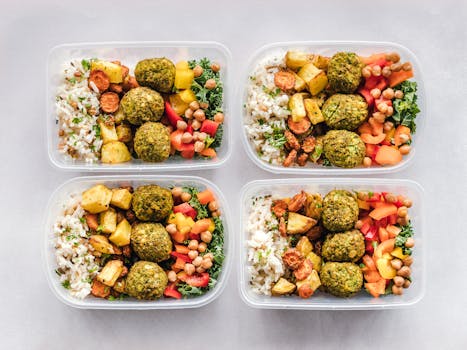
When you’re building a meal prep strategy for intermittent fasting, you’re not just buying food storage. You’re buying consistency. Prioritize items that make your “good day” repeatable on a “busy day.”
1) Buy fewer container types, but choose high reliability
It’s tempting to buy every size and shape. Instead, pick a small set of container sizes that match your meals.
- Choose 2–3 container sizes you’ll actually use
- Make sure lids seal well and are easy to open
- Prefer microwave-safe and dishwasher-safe options if you want the system to last
If you’re naturally a “bowl person,” a bowl-style container can reduce the need for extra prep. If you like smaller portions, choose compartment-friendly options—just keep it simple.
2) Match your prep frequency to your reality
Most people don’t fail because the plan is “bad.” They fail because the plan requires too much effort too often.
Pick one of these schedules:
- Weekly prep (1–2 hours): ideal if you can cook once and assemble all week
- Twice-weekly prep (45–75 minutes each time): ideal if you prefer fresh food and don’t like freezing
- Batch-freezer approach (2–3 hours once): best if your week is unpredictable
In a buying sense, weekly prep means you’ll need enough containers for 5–7 days. Twice-weekly means you need fewer containers but slightly more fridge organization. Freezer-heavy prep means you should prioritize freezer-safe storage.
3) Ensure reheating is fast and predictable
During your eating window, you may have limited time. Your meal prep containers and reheating method should support that.
- Microwave-safe containers reduce friction
- Portion sizes should heat evenly
- Keep a consistent reheating routine (for example, 2–3 minutes, stir halfway)
Practical tip: if you’re prepping rice or pasta, slightly undercook and finish during reheating. It can help texture.
4) Build meals around protein and fiber, not just calories
Intermittent fasting can make you more focused on timing, but nutrition quality still matters. Buying decisions should support meals that include:
- Protein: helps satiety and supports muscle maintenance
- Fiber: supports digestion and can help prevent “crash hunger”
- Healthy fats: improves meal satisfaction
You don’t need complicated macro tracking to start. But when you’re eating in a smaller window, under-eating protein is a common mistake.
Common purchasing mistakes and misunderstandings
Here are the pitfalls that derail a meal prep strategy for intermittent fasting—even when you’re motivated.
1) Buying too many containers before you test your routine
If you haven’t tried component prep yet, don’t buy 30 containers. Start with enough for 3–5 days. After one week, you’ll know which sizes you actually reach for.
2) Prepping full meals that don’t reheat well
Some foods lose texture quickly. For example, delicate vegetables can get mushy, and sauces can separate. Instead of buying “meal kits,” buy storage and build systems that let you prep components.
If you do cook full meals, choose recipes that reheat well (soups, stews, roasted bowls) and keep crunchy items separate.
3) Ignoring the freezer option because it feels like extra work
Freezing doesn’t have to be complicated. You can freeze proteins and sauces, then thaw and assemble. If your schedule is unpredictable, freezer-ready storage is often the difference between staying consistent and “falling off.”
4) Overestimating how much you’ll cook during the eating window
During fasting, you’re not cooking. When the eating window opens, you want food ready. If your plan requires cooking from scratch every day, it will eventually fail.
5) Forgetting labeling and rotation
Without labels, you’ll guess which container is oldest. That leads to waste—or worse, eating something that’s past its best quality. A simple label system (date + meal type) protects your effort.
Practical buying checklist and decision framework
Use this to decide what to buy and how to set up your meal prep strategy for intermittent fasting. The goal is a system that takes less time than you think it will.
Step 1: Choose your intermittent fasting schedule
Pick one you’ll realistically follow for at least 2 weeks. Common examples:
- 16:8: 16 hours fasting, 8 hours eating
- 14:10: 14 hours fasting, 10 hours eating (often easier for beginners)
- 18:6: more restrictive, requires stronger meal planning
Then decide how many meals you’ll eat during that window. Many people do 2 meals (and optional snacks) for 16:8.
Step 2: Estimate how many containers you need
Use this quick math approach:
- Decide how many days you’re prepping for (commonly 5 or 7).
- Decide how many meals you need per day (commonly 2).
- Add 1–2 backup meals for busy days.
Example: If you prep for 5 days, 2 meals/day, that’s 10 container portions. Add 2 backups, and you’re at 12 portions. Choose container sizes that match those portions.
Step 3: Pick storage types based on your cook style
- Fridge-first: prioritize microwave-safe, leak-resistant containers
- Freezer-first: prioritize freezer-safe storage and portioning that freezes flat or stacks well
- Component-first: prioritize containers that can hold separate components (protein, carbs, veggies, sauces)
Step 4: Decide on reheating and assembly tools
Before you buy anything else, make sure you already have:
- A microwave or oven option you can rely on
- At least one cutting board and a sharp knife (this matters more than you think)
- One “assembly” setup (sheet pan, big bowl, or rice cooker depending on your meals)
Optional upgrades that often help:
- Food scale for 2–3 weeks to calibrate portions
- Label maker or simple tape + marker
- Reusable freezer bags if you like flexible portioning
Step 5: Plan your first real-world prep session
Here’s a practical example you can copy:
Scenario: You follow a 16:8 schedule and your eating window is 12:00–8:00 p.m. You want two meals plus one easy snack option.
- Day 1 (prep, 75–90 minutes): cook 2 proteins (e.g., chicken and tofu), roast one tray of vegetables, and cook one carb base (rice or quinoa). Make one sauce (like a lemon-garlic yogurt sauce or a simple tomato-based sauce).
- Portioning: divide proteins into 10 portions, carbs into 10 portions, veggies into 10 portions. Store sauces separately.
- Assembly days: each day, assemble Meal 1 at ~12:30 and Meal 2 at ~6:00. Reheat proteins + carbs + veggies for 2–3 minutes (stir halfway). Add sauce after reheating.
- Snack option: keep one grab snack ready (for example, pre-portioned Greek yogurt or a protein smoothie base).
This approach keeps you from cooking during your fasting period and reduces decision fatigue when your window opens.
Final buyer guidance: build a system, not just a shopping list
When you’re setting up a meal prep strategy for intermittent fasting, the “best” purchases are the ones that make your routine easier after a long day. Look for reliability: containers that seal, storage that supports reheating, and tools that reduce active cooking time.
Start small. Buy enough to cover 3–5 days first, then expand once you see which portions you actually use. If you’re considering storage upgrades, choose microwave-safe, leak-resistant options and keep your container sizes limited. That alone can make your fasting schedule feel more automatic.
For food storage, many people naturally gravitate toward brands like Pyrex glass meal prep containers for durability, or OXO-style kitchen organization for consistent labeling and storage. If you already own containers, you can often begin by reorganizing and portioning before purchasing anything new.
Your goal isn’t perfection. It’s a system you can repeat. If your plan reduces last-minute choices and keeps your meals ready when your eating window starts, you’ve already built the core of a successful intermittent fasting meal prep strategy.
07.02.2026. 01:08