

HRV Erectile Function: What HRV Reveals About Vascular and Autonomic Health

Why HRV matters for erectile health
Erectile function depends on more than sexual stimulation. It requires coordinated vascular changes, smooth muscle relaxation, intact nerve signaling, and a functioning autonomic nervous system. Heart rate variability (HRV) is a measurable marker of autonomic regulation—particularly the balance between sympathetic (“fight or flight”) and parasympathetic (“rest and digest”) activity. When HRV is consistently low, it can reflect reduced autonomic flexibility, higher physiological stress load, and impaired recovery. Over time, those factors can influence the conditions needed for reliable erections.
In this educational guide, “HRV erectile function” refers to the relationship between HRV patterns and erectile performance. HRV is not a diagnostic test by itself, but it can provide useful context about autonomic tone, stress physiology, and recovery capacity—elements that strongly interact with vascular and neurogenic pathways involved in erections.
Understanding HRV: the physiology behind the number
What HRV measures
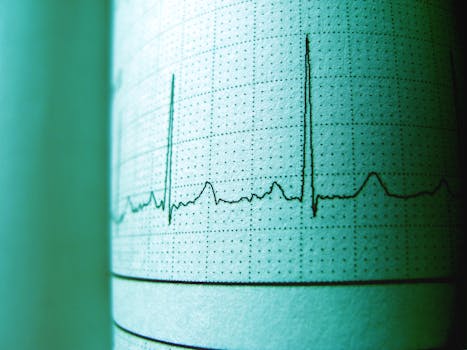
HRV describes the variation in time intervals between heartbeats. A higher HRV generally indicates a more adaptable autonomic nervous system, while lower HRV can suggest reduced adaptability and greater sympathetic dominance or impaired parasympathetic activity.
HRV is influenced by many factors, including sleep quality, physical conditioning, hydration status, alcohol intake, mental stress, illness, and certain medications. Because of this, HRV should be interpreted as a trend rather than a single reading.
Autonomic balance and erectile physiology
Erection involves both vascular and neural mechanisms. Parasympathetic pathways promote processes that support erection, while sympathetic activation can inhibit erection by increasing vascular tone and contributing to contraction of smooth muscle. When sympathetic drive is high—such as during anxiety, chronic stress, or poor sleep—erectile function may become less consistent.
HRV can reflect this autonomic balance. Individuals with reduced HRV often show less parasympathetic influence and a stronger stress-related physiological profile. That profile can make it harder for the body to shift into the relaxed state required for optimal blood flow and smooth muscle relaxation.
HRV is not only “stress”
Although stress is a major driver of HRV changes, autonomic regulation is also shaped by cardiovascular fitness, metabolic health, inflammation, and recovery capacity. For example, conditions such as hypertension, insulin resistance, and chronic inflammation can affect both autonomic function and erectile function through vascular and endothelial pathways.
How HRV erectile function may connect through key pathways
Vascular tone and endothelial function
Erections rely on healthy endothelial signaling and the ability of blood vessels to dilate. Autonomic imbalance can alter vascular tone, and chronic sympathetic dominance can contribute to less favorable vascular conditions. While HRV is not a direct measure of endothelial function, it can correlate with broader autonomic and vascular health.
When HRV is low and the body is in a prolonged “high alert” state, vascular reactivity may be less responsive. This can affect the speed and reliability of erection-related blood flow.
Neurogenic control and reflex pathways
The nervous system coordinates erection through reflex and psychogenic pathways. Autonomic regulation influences these pathways, including how quickly the body transitions from arousal and tension to relaxation. HRV patterns may mirror how effectively the autonomic nervous system can support that transition.
For some people, reduced HRV aligns with difficulty sustaining erections or maintaining firmness, especially during periods of stress or fatigue.
Inflammation, metabolic stress, and recovery
Chronic low-grade inflammation and metabolic stress can reduce autonomic flexibility. They also affect vascular health and may impair erectile function. HRV can therefore be an indirect indicator of systemic conditions that also influence erections.
Similarly, poor recovery—such as consistently short sleep or overtraining—can lower HRV and worsen erectile reliability by increasing fatigue, raising stress hormones, and affecting vascular responsiveness.
What HRV patterns might suggest for erectile health
Low HRV over time
Consistently low HRV, especially during rest and sleep, may indicate reduced parasympathetic activity and higher physiological strain. In the context of erectile function, this pattern can be associated with:
- Greater difficulty switching into a relaxed, arousal-supportive state
- More pronounced effects of stress, performance pressure, or fatigue
- Potential overlap with cardiovascular risk factors (such as hypertension or metabolic syndrome)
Low HRV does not automatically mean erectile dysfunction, but it can help identify a need to examine autonomic stress load and recovery habits.
Reduced HRV during sleep
Sleep is a key time for parasympathetic recovery. If HRV is particularly suppressed at night, it may reflect sleep fragmentation, sleep apnea risk, or chronic stress. Sleep problems are strongly linked to erectile function through hormonal effects, endothelial function, and autonomic imbalance.
If snoring, witnessed breathing pauses, or persistent daytime sleepiness are present, a medical evaluation for sleep apnea can be crucial. Treating sleep apnea often improves overall cardiovascular and autonomic health.
Large day-to-day HRV swings
Some people show highly variable HRV from day to day. While variability can be influenced by normal lifestyle factors, extreme instability may reflect inconsistent sleep, irregular schedules, heavy alcohol use, or frequent stress exposures. Erectile function can be sensitive to these same fluctuations, particularly in people who experience stress-related performance issues.
Measuring HRV for meaningful insights
Choose consistent measurement conditions
To interpret HRV in relation to erectile function, measurement must be consistent. Many consumer devices estimate HRV using photoplethysmography (PPG) from the wrist. Accuracy varies by device, skin contact, motion, and sensor quality.
Practical steps include:
- Measure at similar times of day (often morning resting HRV is used)
- Use stable conditions (avoid measuring right after intense exercise)
- Track at least several weeks to observe trends
Focus on trends rather than single values
A one-day drop in HRV can occur due to a late night, alcohol, dehydration, illness, or travel. A trend—such as a persistent decline over weeks—may be more informative for understanding autonomic strain that could affect sexual health.
Consider other relevant signals
HRV should be interpreted alongside sleep duration and quality, resting heart rate, perceived stress, and symptoms. If erectile difficulties are accompanied by fatigue, reduced libido, depressed mood, or cardiovascular symptoms, a broader medical evaluation is warranted.
Lifestyle actions that support both HRV and erectile reliability

Sleep as a foundation for autonomic recovery
Improving sleep quality can raise HRV and support erectile function by restoring parasympathetic activity and improving metabolic and vascular regulation. Evidence-based sleep strategies include keeping a consistent schedule, reducing late-night light exposure, limiting caffeine late in the day, and creating a cool, dark sleep environment.
If sleep apnea is suspected, addressing it medically is often more impactful than lifestyle changes alone.
Stress reduction that changes physiology, not just mindset
Because HRV is tightly linked to autonomic regulation, stress management should aim to downshift physiological arousal. Approaches that may support HRV include:
- Diaphragmatic breathing or slow paced breathing
- Mindfulness practices that reduce rumination
- Progressive muscle relaxation
- Regular time outdoors and light activity
For many people, the goal is not to eliminate stress but to improve recovery and reduce sympathetic dominance during the periods that matter for sexual function.
Exercise for vascular health and autonomic flexibility
Regular physical activity improves cardiovascular fitness and can support higher HRV. Aerobic training enhances endothelial function and reduces cardiovascular risk, while resistance training improves metabolic health. Both can contribute to better erectile function through vascular and neurogenic pathways.
However, excessive training without recovery can lower HRV. A balanced program that includes rest days and adequate sleep is typically more supportive.
Alcohol, nicotine, and hydration effects
Alcohol can disrupt sleep architecture and increase sympathetic activity, which may reduce HRV and worsen erectile performance. Nicotine affects vascular tone and can impair blood flow. Dehydration and electrolyte imbalance can also influence heart rate and HRV readings.
Reducing alcohol intake, avoiding nicotine, and maintaining hydration can support both autonomic regulation and vascular function.
Medical and diagnostic considerations when erectile function and HRV don’t align
When to seek evaluation
Erectile difficulties can be an early marker of cardiovascular and metabolic disease. If erectile function is worsening, if erections are absent despite adequate stimulation, or if there are symptoms such as chest pain, shortness of breath, or leg pain with walking, medical evaluation is important.
HRV can guide attention to autonomic stress, but it cannot replace clinical assessment of vascular, hormonal, neurological, and medication-related causes.
Hormones, diabetes, and cardiovascular risk
Low testosterone, thyroid disorders, diabetes, and cardiovascular risk factors can affect erectile function. These conditions can also influence autonomic function and HRV. If HRV is low and erectile issues are present, clinicians may consider labs such as glucose or HbA1c, lipid profile, thyroid function, and testosterone—along with blood pressure assessment.
Medication effects and HRV interpretation
Certain medications can influence HRV and erectile function. Examples include some antidepressants, blood pressure medications, and medications that affect the autonomic nervous system. Never stop prescribed medication, but discuss concerns with a clinician so that both autonomic health and sexual side effects can be considered.
Practical guidance: using HRV insights without overinterpreting
Link HRV to real-life patterns
Instead of asking whether HRV is “good” or “bad,” connect it to what you experience. For example:
- If low HRV aligns with poor sleep and inconsistent erections, that suggests recovery and sleep are key targets.
- If HRV is stable but erections are still unreliable, the issue may be more vascular, hormonal, neurological, or medication-related.
- If HRV drops during high stress periods and erectile performance follows, autonomic downshifting strategies may help.
Track sexual health outcomes alongside HRV trends
Some people find it useful to note general erectile quality, confidence, and stress level rather than focusing on a single event. Over time, patterns can emerge that indicate whether autonomic stress management is likely to improve outcomes.
Use behavioral changes as experiments
Because HRV responds to lifestyle, you can treat interventions as practical experiments. For instance, improving sleep consistency for several weeks, reducing alcohol, or adding a structured relaxation routine can reveal whether HRV improves—and whether erectile reliability improves as well.
If there is no change, it’s a signal to broaden evaluation rather than continuing the same strategy indefinitely.
Where relevant devices and products can fit in (and where they shouldn’t)

HRV trackers: useful context, limited medical certainty
Wearable devices and HRV apps can help you monitor trends in autonomic regulation. Many people use these tools to identify sleep disruption, stress patterns, and recovery changes. In the context of “HRV erectile function,” they can be useful for noticing when physiological strain is higher.
However, consumer HRV readings are estimates. They should be used to guide lifestyle and to inform conversations with clinicians—not as a standalone basis for diagnosis.
Supportive tools for sleep and relaxation
Tools that support sleep hygiene and relaxation—such as structured breathing exercises delivered through reputable apps, or evidence-based sleep tracking—can indirectly support HRV and erectile function by improving recovery. The key is consistent behavior change that improves autonomic balance.
Any device or app should be considered a measurement and coaching aid, not a replacement for medical care when erectile problems are persistent or worsening.
Summary: supporting erectile function by improving autonomic health
HRV erectile function is best understood as a relationship between autonomic regulation and the physiological conditions required for erections. HRV provides insight into how adaptable your nervous system is—especially your ability to recover and shift away from sympathetic dominance. Low HRV trends can reflect higher stress load, poorer recovery, sleep disruption, and sometimes broader cardiovascular or metabolic risk that also affects erectile health.
Practical, evidence-aligned steps—improving sleep quality, reducing physiological stress through relaxation techniques, maintaining balanced exercise, limiting alcohol and nicotine, and addressing sleep apnea risk—can support both HRV and erectile reliability. If erectile difficulties persist or worsen, or if there are cardiovascular or hormonal symptoms, a medical evaluation is essential. HRV can help you frame the problem, but it cannot replace diagnosis and targeted treatment.
Prevention guidance: keeping HRV and sexual health aligned
To reduce the risk of erectile problems over time, focus on the same foundations that support autonomic flexibility and vascular health: consistent sleep, regular physical activity with adequate recovery, stress management that downshifts physiology, and metabolic risk reduction. Monitoring HRV trends can add an additional layer of awareness, helping you notice when recovery is slipping before erectile performance becomes more affected.
If you suspect sleep apnea or have known cardiovascular risk factors, addressing them early can protect both autonomic health and erectile function.
21.03.2026. 11:17