

Electrolytes for Sexual Recovery: How Rehydration Supports Energy

Why electrolytes matter after sexual activity

Sexual recovery is often discussed in terms of rest, sleep, and stress reduction. But the body’s recovery process also depends on basic physiology: hydration status, electrolyte balance, circulation, nerve signaling, and muscle function. Sexual arousal and orgasm can increase heart rate, respiratory rate, and sweating for some people. Even when sweating is mild, the body can still lose fluids through breathing and skin evaporation. If those losses aren’t replaced, you may feel “drained,” experience mild headache, notice muscle tightness, or feel unusually fatigued.
Electrolytes—minerals such as sodium, potassium, magnesium, calcium, and chloride—help regulate fluid distribution, nerve impulses, and muscle contraction. When electrolyte levels are off, the body may struggle to maintain normal function during and after exertion. That’s why electrolytes for sexual recovery is a useful concept: it connects normal bodily recovery to the practical act of rehydrating and replenishing minerals.
This article explains how electrolyte balance affects recovery, when replenishment is most helpful, what to choose from food and drinks, and how to avoid common safety pitfalls.
What “sexual recovery” actually involves in the body
Sexual recovery is not a single process. It’s a bundle of recovery needs that vary by person, intensity, duration, and overall health. Common recovery components include:
- Fluid and cardiovascular recovery: After arousal, heart rate and circulation shift back toward baseline.
- Neuromuscular recovery: Pelvic floor and other muscles may experience increased tension and coordination demands.
- Nervous system downshifting: Arousal involves sympathetic activation; recovery often requires parasympathetic return.
- Energy and metabolic recovery: Physical exertion uses fuel and generates metabolic byproducts that the body clears over time.
- Temperature regulation: Sweating and heat changes may occur even without noticeable perspiration.
Electrolytes support several of these. Sodium and chloride help retain fluid in the bloodstream; potassium and magnesium support nerve and muscle function; calcium contributes to muscle contraction signaling. When hydration is inadequate, electrolyte balance can be indirectly affected—especially if you’re also losing sodium through sweat.
Electrolytes and hydration: the connection to fatigue and “drained” feelings
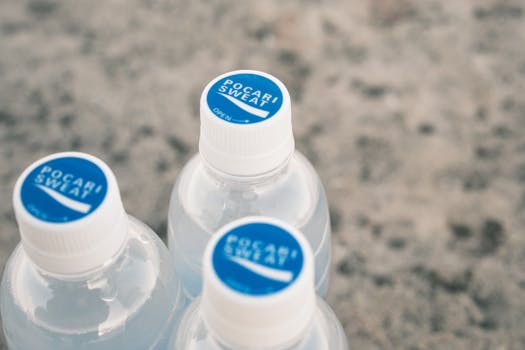
Hydration is more than water volume. Your body depends on electrolytes to move water where it’s needed. If you drink plain water after significant sweating without replacing electrolytes, you may rehydrate but still feel sluggish, have a headache, or experience lightheadedness—particularly if sodium losses were meaningful.
For sexual recovery, the practical takeaway is this: if sexual activity involved heat, prolonged exertion, or noticeable sweating, electrolyte replenishment can help restore normal fluid balance. This may support:
- Blood volume and circulation: Sodium helps maintain fluid distribution, supporting stable blood pressure and circulation.
- Nerve signaling: Electrolytes are essential for electrical impulses in the nervous system.
- Muscle function: Potassium and magnesium support appropriate muscle excitability and contraction-relaxation cycles.
It’s also worth noting that dehydration can worsen perceived sexual performance indirectly by increasing fatigue, reducing comfort, and amplifying stress. Electrolytes can’t fix every issue (such as pain, anxiety, or hormonal concerns), but they can remove one common physical limiter: poor hydration status.
Sodium, potassium, magnesium, and calcium: what each mineral contributes
Sodium and chloride: fluid retention and circulation stability
Sodium is the main electrolyte associated with extracellular fluid volume. During sweating, sodium is lost alongside water. Replacing sodium helps the body retain water in the appropriate compartments and can support more stable blood pressure during recovery.
In practical terms, sodium is often the reason electrolyte drinks feel different from water alone when you’ve been sweating. For sexual recovery after exertion, sodium replacement can help reduce the “hangover” feeling some people experience after intense activity.
Potassium: nerve and muscle signaling
Potassium is critical for normal nerve impulse transmission and muscle function. When potassium is low, muscles may feel weak or cramp-prone, and nerve signaling can become less efficient. In the context of sexual recovery, adequate potassium supports the smooth coordination of pelvic floor and other muscle groups.
However, potassium is also a mineral that requires balance. Excess supplementation can be risky for certain medical conditions and medications, so the safest approach is to rely primarily on food sources and modest electrolyte drinks unless a clinician recommends otherwise.
Magnesium: relaxation, muscle control, and nervous system support
Magnesium plays a role in muscle relaxation and nerve regulation. It also supports energy metabolism. Some people notice that when magnesium intake is consistently low, they experience more muscle tightness or poor recovery after physical exertion.
Because magnesium is common in foods like nuts, seeds, legumes, and leafy greens, many people can improve intake through diet rather than relying heavily on supplements.
Calcium: muscle contraction signaling
Calcium is involved in muscle contraction and nerve signaling. If calcium intake is consistently low, muscle function may feel less stable. That said, most people can maintain adequate calcium through normal dietary patterns (dairy or fortified alternatives, certain fish, leafy greens). Electrolyte-focused recovery usually benefits most from sodium, potassium, and magnesium, with calcium handled through general nutrition.
When electrolytes for sexual recovery are most helpful
Electrolytes are most likely to meaningfully support recovery when dehydration or electrolyte loss is plausible. Situations that increase your likelihood of needing more than water include:
- Heat exposure: Hot rooms, outdoor conditions, or feverish environments.
- Prolonged or intense activity: Longer duration or higher exertion where sweating is more likely.
- Heavy sweating from exercise: If sexual activity follows a workout, you may already be depleted.
- Diarrhea or vomiting: These can significantly disrupt electrolytes.
- Alcohol intake: Alcohol can contribute to dehydration and electrolyte imbalance.
- Frequent urination or diuretics: Some medications and conditions increase fluid and electrolyte losses.
By contrast, if sexual activity was brief, cool, and not associated with sweating, simply drinking water and eating a normal meal may be enough. In those cases, electrolyte drinks may not add much beyond taste and comfort.
Practical ways to replenish electrolytes without overdoing it
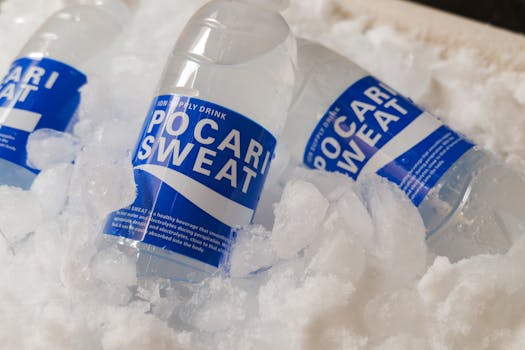
The safest approach is to match replenishment to the level of loss. Recovery does not require extreme dosing; it requires restoring balance.
Start with water, then add electrolytes if needed
For mild dehydration, water plus normal meals can restore balance. If you suspect more significant sweat loss—such as after intense exertion—consider an electrolyte solution. A common strategy is to drink water first, then add electrolytes if symptoms persist (headache, dizziness, unusual fatigue, dry mouth).
Use food as your first-line electrolyte source
Whole foods can provide sodium, potassium, and magnesium with less risk than high-dose supplementation. Options include:
- Sodium: Broth, soups, salted foods in moderate amounts, or naturally salty foods
- Potassium: Bananas, oranges, beans, potatoes, yogurt, leafy greens
- Magnesium: Pumpkin seeds, almonds, spinach, black beans, cocoa
- Calcium: Yogurt, fortified plant milks, sardines, leafy greens
Pairing a salty fluid with potassium-rich foods can be a simple recovery approach.
Electrolyte drinks: what to look for
If you use an electrolyte drink, focus on the overall electrolyte profile and your personal needs. Many electrolyte products include sodium and a mix of potassium, magnesium, and sometimes calcium. A practical guideline is to choose options with moderate sodium and not excessive added sugars—especially if recovery is frequent.
For sexual recovery specifically, the goal is not to “supercharge” performance. It’s to restore hydration comfort and support normal recovery processes. If you’re using electrolyte drinks regularly, consider whether your diet already provides enough minerals.
Supplements: when they can help and when they can complicate recovery
Electrolyte supplements can be useful in specific situations, but they also carry risk if overused—particularly for potassium and sodium. People with kidney disease, heart failure, uncontrolled blood pressure, or those taking medications that affect potassium (such as certain blood pressure drugs) should avoid self-directed electrolyte supplementation without medical guidance.
Magnesium supplements can be helpful if dietary intake is consistently low, but they can also cause gastrointestinal side effects for some people. When using supplements, start conservatively and prioritize food-based intake when possible.
How timing and dosage influence recovery
Electrolyte replenishment works best when timed to your recovery window. Most people recover comfortably with a simple approach: rehydrate soon after exertion and eat within a reasonable timeframe.
Typical timing
- Within 30–60 minutes: If you were sweating or feel depleted, consider fluids with electrolytes during early recovery.
- Within a few hours: A balanced meal with sodium and potassium supports longer-term restoration.
- Before sleep: If you wake up thirsty or crampy, consider adjusting evening hydration and mineral intake rather than taking large electrolyte doses late.
How much is enough?
There’s no universal “correct” dose for everyone. The body’s needs depend on sweat loss, baseline diet, and overall hydration. A helpful method is symptom-guided replenishment: if you feel improved after water and modest electrolytes, you likely don’t need more. If you feel worse, you may be dealing with something else—such as overheating, low blood sugar, or stress-related tension.
Overdoing electrolytes can be counterproductive. Too much sodium may increase thirst and discomfort. Too much potassium can be dangerous for some individuals. The safest strategy is moderate amounts and dietary support.
Common recovery symptoms and what electrolyte balance can (and can’t) fix
Headache and dry mouth
These are common dehydration signals. Electrolytes can help if the headache is related to fluid and sodium loss. However, persistent or severe headaches may indicate migraine, blood pressure issues, or other causes.
Muscle tightness or cramping
Electrolytes—especially magnesium and potassium—support muscle function. If cramps occur frequently, consider overall hydration, mineral intake, and whether you’re also stretching, breathing, and managing tension. If cramping is severe, occurs at rest, or is accompanied by weakness, it warrants medical evaluation.
Lightheadedness or “wired but tired” feelings
Electrolyte and fluid restoration can support circulation stability. Still, feelings like anxiety, hyperventilation, or panic can mimic dehydration symptoms. If you notice a pattern during sexual activity, it may be helpful to address stress responses and pacing alongside hydration.
Low libido or performance anxiety
Electrolytes cannot directly address psychological factors, relationship dynamics, hormonal conditions, or medication side effects. But if dehydration contributes to fatigue and discomfort, improving hydration can indirectly support sexual well-being.
Safety considerations and who should be cautious
Electrolytes are essential nutrients, but “more” isn’t always better. Safety depends on your health background.
- Kidney conditions: People with reduced kidney function may have difficulty regulating potassium and sodium.
- Heart failure and fluid restriction: Sodium and fluid balance can be medically sensitive.
- Blood pressure concerns: High sodium can worsen hypertension for some people.
- Medications: Drugs that affect renin-angiotensin systems, diuretics, or potassium levels can alter electrolyte safety.
- Diarrhea: Electrolytes may be appropriate, but severe or prolonged diarrhea requires medical attention.
If symptoms like chest discomfort, severe dizziness, confusion, fainting, or muscle weakness are present, electrolyte replenishment should not delay medical care.
Prevention: building recovery-supporting habits
Electrolytes for sexual recovery works best as part of a broader recovery routine. The goal is to reduce the likelihood of dehydration and mineral imbalance before sexual activity.
- Hydrate earlier in the day: Don’t wait until after exertion to begin drinking fluids.
- Support mineral intake through diet: Regular meals with fruits, vegetables, legumes, nuts, and soups can keep electrolytes more stable.
- Manage temperature: Avoid overheating, especially in hot environments.
- Consider pacing: Breaks and slower transitions reduce physiological stress for some people.
- Pair hydration with nutrition: Carbohydrates and fluids can help recovery when activity is intense; protein and micronutrients support repair.
Some people also find that adequate sleep and stress reduction reduce the “recovery tax” they feel after sexual activity. Electrolytes support physiology, but nervous system recovery and rest still matter.
Relevant products and how to think about them
In everyday practice, people often use electrolyte drinks or electrolyte powders to simplify replenishment. It’s reasonable to mention them as tools—without assuming they are necessary for everyone.
When choosing a product, it can help to look for a formulation that includes sodium and includes potassium and/or magnesium in modest amounts. If you use electrolyte powders, mixing instructions matter because it’s easy to make a solution too concentrated. If you already eat a mineral-rich diet, you may not need frequent use. If your activity commonly involves sweating or heat, occasional electrolyte drinks can be a practical way to restore balance.
For people who prefer food-based approaches, products like electrolyte-enhanced broths, sports-style drinks, or oral rehydration solutions can still be useful—especially in situations involving illness or significant fluid loss. The key is matching the tool to the scenario and staying within safe intake levels.
Summary: a balanced approach to electrolytes for sexual recovery
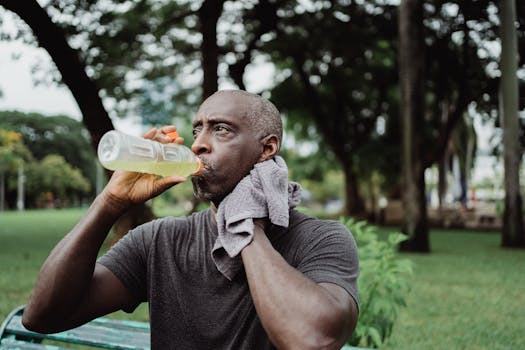
Electrolytes support sexual recovery by helping restore hydration balance, supporting nerve signaling, and maintaining normal muscle function after exertion. If sexual activity leads to sweating, heat stress, or dehydration-like symptoms, replenishing sodium and key minerals can make recovery feel smoother and more comfortable.
The most effective strategy is usually simple: rehydrate promptly, prioritize mineral-rich foods, and use electrolyte drinks or powders only when they match the situation. Avoid high-dose supplementation without medical guidance—particularly for potassium and sodium—if you have kidney, heart, or blood pressure concerns or take medications that affect electrolyte balance.
When recovery issues persist—such as ongoing pain, frequent cramping, severe fatigue, or dizziness—electrolytes may not be the main solution. In those cases, it’s worth considering medical evaluation to address underlying causes.
06.02.2026. 01:46