

Recovery Supplements for Sexual Energy: Buyer’s Buying Guide

Why you’re looking for recovery supplements for sexual energy
Maybe it’s been a few weeks of high stress, poor sleep, or intense training. Or maybe you’ve noticed a familiar pattern: your libido feels “there,” but your body doesn’t bounce back as fast. You want more drive, better stamina, and smoother recovery—without turning your routine into a complicated science project.
This is where recovery supplements for sexual energy come in. The idea isn’t just “boost libido.” It’s about supporting the systems that influence sexual energy: blood flow, nervous system function, muscle and connective tissue recovery, hormone balance, and stress resilience. When those foundations improve, sexual performance often follows.
But buying the right product can be confusing. Many labels use broad terms like “male enhancement,” “energy support,” or “adaptogen blend.” Some formulas focus on stimulants that may help short-term but can worsen sleep. Others emphasize recovery ingredients that are solid—but the dose may be too low to matter.
So your goal is simple: choose supplements that match your situation, your timeline, and your tolerance. This guide will help you do that.
What “recovery” means in this context
In sexual energy support, recovery usually refers to how quickly your body restores function after demands—physical, mental, or both. That can include:
- Energy recovery: reducing fatigue so you feel ready again sooner.
- Stress recovery: lowering cortisol load and helping your nervous system downshift.
- Circulation recovery: supporting nitric oxide pathways and vascular function for better blood flow.
- Muscle recovery: especially if you train hard; better recovery can improve performance and confidence.
- Sleep recovery: protecting sleep quality so your next day’s drive and mood don’t tank.
When you evaluate supplements, you’re looking for ingredients that support one or more of these recovery pathways—at doses that are likely to be effective.
Key features and specifications to look for
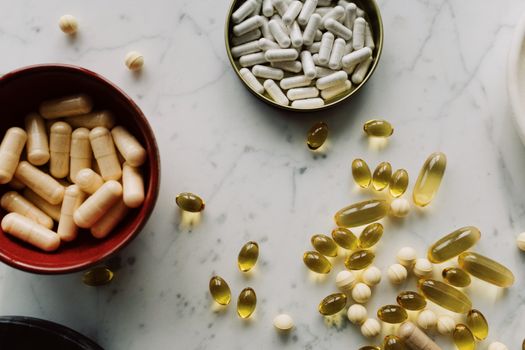
Not all “sexual energy” supplements are built the same. When you shop, focus on the features that determine whether the formula is likely to work for your body.
1) Ingredient transparency and dosing
Look for a Supplement Facts panel that lists ingredients with clear amounts. Strong formulas often include:
- Quantified adaptogens (not just “proprietary blend”)
- Specific forms of nutrients (example: magnesium glycinate vs. unspecified magnesium salts)
- Dosage ranges that make sense for daily use
If a product hides everything behind a proprietary blend, you can’t judge whether the dose is meaningful. That’s a common reason people feel “nothing” after weeks.
2) Blood-flow support without harsh stimulation
Sexual energy is closely tied to circulation and nitric oxide signaling. Many recovery-focused formulas include ingredients that support this pathway while staying compatible with sleep.
Common examples include:
- L-citrulline (often used for nitric oxide support)
- Beetroot extract or nitrate-containing ingredients
- Pycnogenol (a standardized pine bark extract sometimes used for vascular support)
For buying purposes, you want doses that are typically in the ballpark used in supplement research. For example, L-citrulline is often used in the ~1.5–3 g range in daily products; if the label shows 500 mg, it may be under-dosed.
3) Stress and nervous-system recovery
If stress is the driver behind your low “sexual energy,” adaptogens and calming-support ingredients can matter more than you expect. These don’t act like a stimulant; they help your system handle demand.
Look for standardized extracts such as:
- Ashwagandha (commonly standardized to withanolides)
- Rhodiola rosea (often standardized to rosavins/salidroside)
- L-theanine paired with caffeine-free routines (optional)
If you’re sensitive to stimulation, check for caffeine or “energy” blends. Some sexual energy products include hidden energizers that can worsen sleep. Sleep is part of recovery—so don’t sabotage it.
4) Sleep and magnesium support
Magnesium is one of the most practical recovery nutrients. It supports muscle relaxation, nervous system balance, and sleep quality for many people.
When shopping, prefer forms like magnesium glycinate or magnesium threonate (often better tolerated than some other forms). A typical supplemental dose is often in the 100–300 mg elemental magnesium range, depending on product and your diet.
Also consider whether the formula includes glycine or taurine for night-time recovery. These can be useful if your issue is “I’m tired, but my mind won’t fully switch off.”
5) Testosterone and hormone-support ingredients (use cautiously)
Many people look for “testosterone boosters.” The truth: some ingredients can support healthy hormone function, but they’re not guaranteed to raise testosterone dramatically. They’re best viewed as foundational support, not a quick fix.
Ingredients you may see include:
- Vitamin D3 (especially if you’re deficient)
- Zinc (if intake is low)
- Fenugreek (some products use it for libido support)
- Tribulus terrestris (evidence is mixed; still used widely)
If a product includes zinc, check the dose. Too much zinc over time can cause copper imbalance. If you’re already supplementing zinc or taking a multivitamin, you’ll want to avoid doubling up.
6) Quality and safety markers
Because sexual energy supplements are a high-risk category for marketing claims, quality matters. Look for:
- Third-party testing (COA, NSF, Informed Choice, or similar)
- Good manufacturing practice (GMP) labeling
- Clear allergen statements
- No proprietary blend when you can avoid it
If the brand is vague about testing, you’re taking a bigger gamble. Recovery support is meant to be consistent, so you don’t want questionable inputs.
What you should prioritize before you buy
To choose the right supplement, you need to identify what’s actually limiting your sexual energy right now. Your best buying decision depends on your “bottleneck.”
Start with your bottleneck: stress, sleep, or circulation
Here’s a practical way to decide:
- If you’re stressed and tense: prioritize adaptogens, magnesium, and calming support (and avoid heavy stimulants).
- If you’re training hard and feel depleted: prioritize recovery ingredients plus circulation support (citrulline-type ingredients can help).
- If you mainly notice performance drops during activity: prioritize blood-flow and nitric oxide support, plus hydration-friendly formulas.
Example scenario: You train 5 days/week, sleep 5.5 hours, and you feel “wired but tired.” You don’t need another stimulant. A formula that supports sleep quality and reduces stress load—like magnesium glycinate plus an adaptogen—will likely fit better than a “pre-performance” energy booster.
Match the ingredient profile to your schedule
Recovery supplements work best when you take them consistently. But timing still matters.
- Night support products: often include magnesium, glycine, or calming ingredients. Take 30–60 minutes before bed.
- Day recovery products: adaptogens or circulation support may work better in the morning or early afternoon.
- Workout-adjacent formulas: if they include nitric oxide support (like citrulline), they may be most effective 30–60 minutes before training or planned activity.
When a label doesn’t provide timing guidance, you’re left guessing. That’s not ideal for something as personal as sexual energy.
Think in terms of 4–8 weeks, not 4–8 hours
Recovery support isn’t usually instant. A realistic expectation is:
- Sleep and stress improvements: sometimes noticeable in 3–7 days, especially if your sleep is poor.
- Energy and stamina: often improves over 2–4 weeks.
- Performance consistency: commonly takes 4–8 weeks as your body adapts.
If you’re expecting dramatic results after two doses, you’re likely to feel disappointed—even with a good product.
Choose a “stack” style that doesn’t overwhelm you
You can buy one well-designed formula or combine a couple of targeted supplements. For most people, starting with one formula is simpler and easier to troubleshoot.
For example, if you’re currently taking a multivitamin and a magnesium already, don’t add a second product that overlaps heavily. You’ll spend more and increase the chance of digestive side effects.
Common purchasing mistakes and misunderstandings
These are the issues that cause buyers to waste money—or worse, experience side effects.
1) Buying based on “sexual energy” marketing instead of recovery ingredients
Some products promise “instant stamina” but rely on stimulants or under-dosed ingredients. If your problem is recovery-related (stress, poor sleep, depletion), those formulas may not address the cause.
2) Ignoring dose and form
Two products can list the same ingredient, but one contains 200 mg and the other contains 2,000 mg. That difference matters. Also, ingredient form matters—especially for magnesium and amino acids.
3) Taking everything at once
If you start a new recovery supplement while also changing your training intensity, diet, and sleep schedule, you won’t know what’s helping. Keep variables stable for at least 2 weeks so you can interpret results.
4) Overlapping nutrients unknowingly
It’s common to take a multivitamin plus zinc, magnesium, and a “testosterone support” product. That can lead to too much of certain nutrients. If you track your intake, you’ll avoid the “why do I feel off?” problem.
5) Expecting results without consistency
Recovery support is a habit. If you take it only on “performance days,” you may not get the steady improvements in stress resilience, blood flow, and energy availability.
Practical buying checklist and decision framework
Use this checklist when you’re deciding between options. It’s designed to help you buy with confidence.
Step 1: Confirm your goal in one sentence
Write down what you want most. Examples:
- “I want better recovery and energy so I feel ready more often.”
- “I want stress support that doesn’t affect my sleep.”
- “I want circulation support that helps performance during activity.”
This prevents you from buying a formula that doesn’t match your bottleneck.
Step 2: Read the label for dose clarity
- Does the product list amounts for key ingredients?
- Is it a proprietary blend (and if yes, are you comfortable with that)?
- Do the doses fall into a sensible range for the ingredient’s purpose?
Step 3: Check timing compatibility with your lifestyle
- If you take it at night, does it contain stimulating ingredients?
- If you take it in the morning, will it interfere with your caffeine routine?
- Does the label recommend a schedule you can follow for 30–60 days?
Step 4: Review safety basics for your situation
- If you use prescription medications, especially for blood pressure or mood, check with a clinician before starting circulation or adaptogen-heavy formulas.
- If you have a medical condition or history of hormone-sensitive conditions, be cautious with hormone-adjacent ingredients.
- If you’re prone to digestive upset, start with half servings for 3–5 days.
Step 5: Look for quality assurance
- Is there third-party testing or GMP manufacturing information?
- Are the brand and contact details easy to find?
- Does the product avoid vague “proprietary blend” reliance?
Step 6: Plan your trial like an experiment
For the best results, run a simple trial:
- Duration: 28–56 days
- Tracking: note sleep quality, energy levels, and recovery (even a quick 1–5 scale)
- Change only one thing: keep training and diet stable during the trial window
Practical example: If you’re training at the same intensity and sleeping the same hours, and you notice your “ready-to-perform” feeling improves by week 3, you likely chose a formula that supports recovery pathways rather than just giving a temporary lift.
Final buyer guidance and recommended buying approach
When you’re shopping for recovery supplements for sexual energy, the smartest approach is to buy for recovery first, then performance. Sexual energy is often downstream of sleep, stress resilience, and circulation. If you support those, you usually get more consistent results.
Here’s a practical way to narrow down your purchase:
- If sleep is the main issue: prioritize magnesium glycinate (often 100–300 mg elemental magnesium) and calming ingredients. Take it 30–60 minutes before bed.
- If stress is the main issue: prioritize standardized adaptogens and avoid unnecessary stimulants. Give it 2–4 weeks.
- If performance feels “flat” during activity: prioritize nitric oxide support ingredients like L-citrulline or comparable vascular support, and consider timing 30–60 minutes before your planned activity or workout.
As you compare options, consider choosing reputable brands that provide clear dosing and quality testing. If you want a straightforward starting point, look for formulas that combine:
- one stress/sleep-support component (like magnesium and/or an adaptogen), and
- one circulation/recovery component (like a nitric oxide support ingredient).
Finally, don’t chase novelty. Pick one formula, follow the label, and commit to a 4–8 week trial. If you do that, you’ll learn what your body responds to—and you’ll stop guessing.
If you want a simple “starter” direction, many buyers do well with a magnesium-focused night recovery supplement plus a separate daytime or workout-support option containing a nitric oxide ingredient such as L-citrulline. This approach makes it easier to adjust timing and dosage without overcomplicating your stack.
Your sexual energy doesn’t need to be a mystery. With the right recovery supplements, you can build consistency—so you feel ready more often, recover faster, and enjoy better performance without playing whack-a-mole with your routine.
22.03.2026. 10:12