

Magnesium for PMS vs Sleep Timing: What Matters Most

Why magnesium and sleep timing both matter for PMS
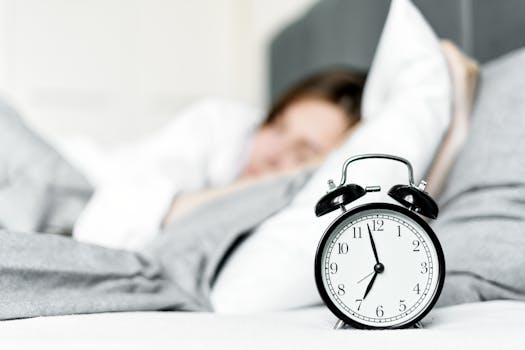
If you experience premenstrual symptoms, you already know how disruptive the days before your period can be. Mood changes, irritability, anxiety, bloating, and sleep disturbances often cluster together. It can be tempting to treat everything as one problem, but your body is responding to multiple systems at once—hormones, stress physiology, neurotransmitters, and your sleep-wake pattern.
Two approaches come up repeatedly in real life: magnesium for PMS and sleep timing (when you go to bed, when you wake up, and how consistent your schedule is). Magnesium may help some people by influencing nerve signaling and muscle relaxation, while sleep timing can shift your circadian rhythm and stress hormones. In practice, many people benefit most from using both—yet it’s still helpful to understand how they differ, when each is likely to help, and how to test your response safely.
This guide is educational and practical. You’ll learn what magnesium does for PMS-related symptoms, what “sleep timing” actually changes in your body, and how to design a simple 2–4 week experiment so you can tell which lever matters more for you.
What magnesium does for premenstrual symptoms
Magnesium is involved in hundreds of biochemical reactions. For PMS, the key idea is that magnesium supports normal nervous system function and helps regulate pathways related to stress response, muscle tension, and excitability. When magnesium status is low, some people may be more prone to symptoms like irritability, headaches, or sleep disruption.
Magnesium’s relevance to PMS is also tied to how it interacts with neurotransmitters (including those involved in calming and mood regulation) and with hormonal signaling pathways indirectly through stress physiology. It’s not a hormone replacement. It’s more like a “cofactor” that helps your system run smoothly.
Common PMS symptoms magnesium may influence
Not every person will notice the same changes. But magnesium is often discussed for symptoms such as:
- Irritability and mood reactivity (feeling sharper, more easily upset)
- Physical tension (neck/shoulder tightness, cramps, muscle discomfort)
- Headaches or migraine-like patterns in the luteal phase
- Sleep quality issues (difficulty settling, lighter sleep)
- Cravings and “wired but tired” feelings in some individuals
In other words, magnesium may help symptoms that overlap with nervous system arousal. If your PMS is dominated by bloating alone, magnesium may be less noticeable. If your PMS includes significant emotional or sleep-related symptoms, magnesium may be more relevant.
How magnesium timing can affect effects
Even if you’re taking magnesium for PMS, timing still matters. Magnesium supplements can influence relaxation and bowel function, so your “best time” may be the time that matches your symptom pattern.
Many people try magnesium in the evening because it aligns with winding down and may support sleep onset. Others split doses to reduce stomach upset. For education purposes, a common range people use is 100–300 mg of elemental magnesium per day. Some individuals go higher, but higher doses increase the chance of diarrhea or cramping, especially with certain forms.
Because supplement labels vary, the most important number is elemental magnesium, not the weight of the compound. If you’re not sure how to read your label, you can look for “elemental magnesium” or “Mg” content per serving.
Practical note: If you try magnesium, give it time. A reasonable window to notice changes is 1–3 menstrual cycles, with early signals sometimes appearing within 7–14 days if your symptoms are responsive.
Sleep timing: what it actually changes in your body

Sleep timing is not just about “how many hours.” It’s about your circadian rhythm—your internal clock that coordinates hormone release, body temperature, appetite signals, and stress response. In the luteal phase, your body can be more sensitive to stress and changes in sleep. When your sleep timing is inconsistent, it can amplify PMS symptoms even if your total sleep duration is “close enough.”
Sleep timing strategies typically focus on three levers:
- Consistent wake time (especially on weekdays vs weekends)
- Bedtime that matches your sleep drive (not just “when you feel like it”)
- Light exposure and darkness cues (morning light and evening dimness)
What happens when your schedule shifts
If you routinely go to bed later by 1–2 hours or sleep in on weekends, your circadian rhythm shifts. Your body may struggle to align cortisol rhythms and melatonin timing. That can lead to:
- More nighttime awakenings
- Lower sleep depth (feeling unrefreshed)
- Increased irritability because stress systems stay more reactive
- Worse appetite regulation (which can intensify premenstrual cravings)
Even if you still get 7–8 hours, misalignment can matter. For PMS, that misalignment can be the difference between “manageable” and “overwhelming.”
Sleep timing changes you can measure
You don’t need a lab. You can measure progress with simple observations:
- Time to fall asleep (for example, improving from 45 minutes to 25 minutes)
- Number of awakenings (for example, from 3–4 to 1–2)
- Morning energy on a 0–10 scale
- Consistency of wake time (aiming for within 30–60 minutes daily)
These are practical markers that help you decide whether sleep timing is doing enough to affect your PMS experience.
Magnesium for PMS vs sleep timing: how to think about “which helps”
It’s easy to frame this as a competition. In reality, magnesium and sleep timing often act on different pathways and can complement each other. Still, you can categorize your symptoms to estimate which lever is likely to be more influential first.
If your PMS is mainly mood and tension
When PMS shows up as irritability, anxiety, or physical tension, magnesium may offer a clearer signal. Magnesium supports neuromuscular and nervous system stability, which can reduce the “edge” some people feel during the luteal phase. Sleep timing can still help, but the first noticeable relief may come from magnesium—especially if your sleep is already reasonably consistent.
If your PMS is mainly sleep disruption and next-day emotional reactivity
If your PMS includes early morning waking, delayed sleep onset, or you feel emotionally reactive the next day after poor sleep, sleep timing is often the more direct lever. Inconsistent timing can raise baseline stress reactivity, which then colors your mood. In this scenario, magnesium might help you settle, but tightening sleep timing may produce a faster overall change.
A realistic overlap scenario
Consider this common pattern: you go to bed 1–2 hours later during the week before your period because you’re busy, then you wake up at different times. You also notice more cramps and irritability. If you start magnesium but keep shifting sleep, you may still feel “off” because your circadian rhythm is misaligned.
On the other hand, if you lock in a steady wake time and add magnesium in the evening, you may see improvements in both symptom clusters: calmer nervous system signaling and better sleep quality. That’s why many people report better results with a combined approach, even if one component is more noticeable.
Designing a simple 2–4 week experiment for your symptoms
You don’t need to guess. A structured self-test can help you understand whether magnesium for PMS, sleep timing, or both are driving your improvements.
Goal: Identify which change produces the most noticeable shift in your PMS symptoms without introducing too many variables at once.
Step 1: Track baseline for 7–10 days
Before you change anything, track:
- PMS mood (irritability, anxiety, sadness) on a 0–10 scale
- Sleep (time to fall asleep, awakenings, total sleep, morning energy)
- Physical symptoms (headache, cramps, bloating) if relevant
Use the same method each day. Even a simple notes app works.
Step 2: Choose one primary lever first
Pick one primary intervention for 10–14 days:
- Sleep timing primary: keep wake time within 30–60 minutes daily, aim for morning light within 30 minutes of waking, and reduce bright light exposure 1–2 hours before bed.
- Magnesium primary: take magnesium consistently at your chosen time (often evening), aiming for a conservative elemental magnesium dose such as 100–200 mg/day to start. Adjust based on tolerance and label guidance.
Then, after the first 10–14 days, you can add the second lever if needed for another 10–14 days.
Step 3: Look for symptom shifts that match the intervention
When you test, you’re not only looking for “feels better.” You’re looking for symptom patterns that align with the lever:
- Sleep timing success often shows up as faster sleep onset, fewer awakenings, and more stable next-day mood.
- Magnesium success often shows up as reduced irritability or tension, sometimes within the first week, with clearer changes across a full luteal phase.
If you see improvements in both, that’s valuable information. If only one improves, you have a clearer direction for future cycles.
Practical sleep timing strategies that support PMS symptoms

You don’t need extreme changes. Small, consistent adjustments often outperform big weekend “repairs.” Here are timing strategies that are realistic and measurable.
Anchor your wake time first
Choose a wake time you can maintain on most days. Then set your bedtime by working backward from that wake time and your typical time to fall asleep.
If your bedtime is currently unpredictable, start by anchoring wake time. For example, if you usually wake at 7:30 a.m. on weekdays but 9:30 a.m. on weekends, reduce that gap to no more than 60 minutes. Over a few weeks, tighten further if you can.
Morning light: a circadian “reset” tool
Within 30 minutes of waking, get outdoor light exposure if possible. Even 5–15 minutes can help some people. This supports earlier circadian alignment, which can make bedtime feel more natural later.
If you can’t go outside, bright indoor light may help, but outdoor light is typically stronger.
Evening dimness and a consistent wind-down
In the 1–2 hours before bed, aim for dimmer lighting and reduce high-glare screens. This doesn’t require perfection. The goal is to reduce cues that signal “daytime.”
A wind-down routine can be simple: wash up, prepare tomorrow, then do a low-stimulation activity (reading, gentle stretching). The routine matters because it trains your brain to anticipate sleep.
When to adjust bedtime (and when not to)
If you’re taking longer than 30–45 minutes to fall asleep most nights, bedtime may be too early for your current sleep drive. In that case, you can shift bedtime later temporarily until sleep onset improves, then gradually move it earlier by 10–15 minutes every few days.
For PMS, avoid the trap of “I’ll go to bed early to fix it.” If your body isn’t ready, early bedtime can become a frustration loop that worsens sleep anxiety.
Practical magnesium guidance: forms, dosing, and timing
Magnesium supplements vary widely. The “right” choice depends on tolerance, symptom focus (sleep vs tension), and how your gut responds.
Elemental magnesium: the number that matters
When comparing products, look for elemental magnesium per serving. A label might list magnesium as a compound (like citrate or glycinate), and the elemental amount is the portion your body uses.
A conservative starting dose for many people is 100 mg elemental magnesium per day, increasing to 200 mg if tolerated. Some people go higher, but side effects are dose-related—especially gastrointestinal effects.
Common forms and why tolerance differs
Different forms can affect absorption and stool consistency. For example:
- Magnesium glycinate is often chosen for those sensitive to stomach upset and for evening use.
- Magnesium citrate may be more likely to loosen stools for some people, which can limit evening use.
- Magnesium oxide tends to be less bioavailable for some individuals, though it’s sometimes used when cost matters.
You don’t need to memorize brands. The practical point is to choose a form you tolerate and to start low.
Evening vs daytime dosing
If your main PMS complaint is sleep-related, evening dosing is a logical starting point. If your main complaint is daytime tension or headaches, daytime dosing may make more sense.
Some people split doses (for example, morning and evening) to reduce GI side effects and smooth out effects. If you split, keep total daily elemental magnesium within a range that agrees with your body.
Safety considerations you should not ignore
Magnesium is generally well tolerated for many adults, but it’s not risk-free. You should be cautious and consider medical guidance if you have:
- Kidney disease or reduced kidney function
- Neuromuscular conditions that affect magnesium sensitivity
- Frequent diarrhea or bowel disorders
Also, magnesium can interact with certain medications (for example, some antibiotics and thyroid medication). If you take regular prescriptions, check timing with your clinician or pharmacist to avoid absorption issues.
Real-world examples: how people often decide between the two
Example 1: “My mood is the problem, my sleep is okay”
You notice irritability and a short fuse starting 3–5 days before your period. Your sleep is fairly consistent, and you usually fall asleep within 20–30 minutes. In this scenario, you might choose magnesium as the first primary lever. You track mood daily, take magnesium in the evening at a conservative dose for 10–14 days, and evaluate whether irritability decreases.
If your mood improves while sleep stays the same, that’s a strong signal that magnesium is addressing your dominant symptom pathway.
Example 2: “My sleep falls apart first, then everything else follows”
You experience delayed sleep onset and more awakenings in the luteal phase. The next morning you feel emotionally reactive and more anxious. Even if you try magnesium, you still feel “wired” before bed because your wake time shifts and your evening lighting stays bright.
Here, you might prioritize sleep timing. You anchor wake time, get morning light, and dim screens before bed for 10–14 days. If your sleep stabilizes and mood improves afterward, sleep timing likely had the bigger impact.
Example 3: “Both change together”
You try magnesium and also tighten your schedule. You go to bed at a more consistent time, wake within 60 minutes daily, and take magnesium in the evening. Over 2–3 weeks, you see fewer awakenings and less irritability.
That doesn’t mean one was unnecessary. It suggests both your nervous system arousal and circadian alignment were contributing.
How to combine magnesium and sleep timing without overcomplicating it

If you want a combined approach, keep it structured so you can still learn what works.
- Start with one change for 10–14 days, then add the second.
- Keep other habits stable (caffeine amount, alcohol timing, exercise time) during the test period if possible.
- Use symptom tracking rather than relying on memory. PMS can feel different cycle to cycle, and tracking makes patterns clearer.
For many people, a practical sequence is: stabilize sleep timing first (because it affects multiple systems quickly), then add magnesium if mood or tension still feels elevated during the luteal phase.
For others, magnesium may be the better first step if sleep timing is already fairly consistent and the dominant symptoms are irritability, headaches, or muscle tension.
Prevention and long-term maintenance: reducing PMS symptom spikes
PMS tends to be cyclical. That means your long-term prevention plan should also be cyclical—built around the predictable window before your period.
Use the luteal phase as a planning marker
Many people benefit from anticipating the luteal phase rather than reacting after symptoms peak. If your cycle is fairly regular, you can plan support 5–7 days before symptoms typically start.
That might mean:
- Keeping wake time steady even when your schedule is busy
- Prioritizing morning light
- Maintaining a consistent evening wind-down
- Using magnesium consistently if you know it helps you tolerate tension or mood shifts
Watch for “sleep debt” and stress stacking
When sleep debt piles up, PMS symptoms often intensify. If you’re consistently sleeping less than your baseline for several days, your body may enter the luteal phase already stressed. In that case, sleep timing strategies may feel more urgent because your system is already out of balance.
Consider lifestyle factors that interact with both levers
Magnesium and sleep timing don’t exist in isolation. Nutrition, hydration, and stress management influence outcomes too. For example:
- Caffeine later in the day can worsen sleep timing and amplify anxiety
- Alcohol can fragment sleep even if you fall asleep quickly
- Intense workouts right before bed can delay sleep onset for some people
- Low overall magnesium intake from diet may make supplement effects more noticeable
Addressing these factors can reduce the “noise” and help you interpret whether magnesium for PMS vs sleep timing is truly the key driver for you.
Summary: choosing the most helpful lever for your PMS
Magnesium and sleep timing both influence PMS, but they tend to help different parts of the symptom chain. Magnesium for PMS may be most noticeable when your dominant symptoms involve tension, irritability, headaches, or a nervous-system “edge.” Sleep timing often has the clearest impact when PMS includes sleep disruption and next-day emotional reactivity.
The most reliable way to learn which one matters most is to run a simple 2–4 week experiment: track baseline symptoms for 7–10 days, test one primary lever for 10–14 days, then add the second lever if needed. Aim for measurable changes—sleep onset time, awakenings, morning energy, and daily mood ratings—rather than vague impressions.
Finally, prevention is about consistency. Keep your wake time stable, prioritize morning light, and use magnesium in a way your body tolerates if it aligns with your symptom pattern. When you reduce circadian disruption and support nervous system stability, many people find their luteal phase becomes more predictable and manageable.
09.04.2026. 02:21