

Breathwork for Autonomic Regulation: A Practical Guide

Why breathwork can shift autonomic regulation

Your autonomic nervous system (ANS) runs in the background. It regulates heart rate, digestion, breathing depth, alertness, and how quickly you recover after stress. When the ANS is well regulated, you can move between “mobilized” and “rest-and-digest” states without getting stuck.
Breathwork is one of the most direct ways you can influence those states. Breathing is both automatic and controllable. When you change your breathing pattern—rate, depth, rhythm, and timing—you send signals to brainstem and vagal pathways that help tune autonomic balance.
In practical terms, breathwork can help you:
- Reduce physiological arousal during stress or anxiety
- Improve recovery after intense emotions or exertion
- Support sleep readiness by shifting toward parasympathetic activity
- Increase steadiness and interoceptive awareness (how you sense internal signals)
“Breathwork for autonomic regulation” is not about forcing yourself to be calm. It’s about giving your body a structured input so the regulation systems can re-stabilize. The goal is flexible control—not perfection.
Autonomic regulation: what changes when you breathe differently
To use breathwork effectively, it helps to understand what you’re trying to influence. The ANS includes two major branches:
- Sympathetic: mobilizes energy. It supports focus, readiness, and “fight-or-flight” physiology.
- Parasympathetic: supports digestion, restoration, and “rest-and-digest” physiology.
Most people think of these as opposites. In reality, regulation is more dynamic. Your nervous system can blend inputs. Breath pattern changes can tilt the balance by altering sensory feedback from the lungs and airways, plus signals through the vagus nerve.
How breathing affects the vagus nerve and heart rate
The vagus nerve is a key pathway in parasympathetic signaling. Breathing also interacts with heart rhythm through a phenomenon known as respiratory sinus arrhythmia: heart rate naturally speeds up during inhalation and slows during exhalation. When you practice slower, longer exhalations, you often enhance this rhythmic coupling.
This matters because heart rate variability (HRV) is commonly used as an indicator of autonomic flexibility. While HRV is not a perfect diagnostic tool, many people notice that structured breathing improves their sense of steadiness and recovery.
Why “timing” matters more than “volume”
You don’t need huge breaths to influence regulation. In fact, overly forceful breathing can backfire for some people, especially if you’re prone to dizziness or panic. Timing is usually the lever:
- Slower breathing tends to reduce arousal.
- Longer exhalations can cue downshifting.
- Consistent rhythm can stabilize attention and interoceptive signals.
Think of breathwork as “signal shaping.” You’re giving your nervous system a predictable pattern to respond to.
Breathwork techniques for calming and restoring autonomic balance

Below are evidence-aligned techniques commonly used to support calming and parasympathetic dominance. You can choose one method and practice it consistently rather than trying to rotate too many styles at once.
1) Slow breathing with extended exhalation (foundational practice)
This is the most broadly applicable starting point. It’s also the easiest to tailor if you feel lightheaded.
How to do it:
- Sit or lie down comfortably.
- Inhale through your nose for 3–4 seconds.
- Exhale slowly for 5–7 seconds.
- Repeat for 5–10 minutes.
If you want a simple ratio, use 1:2 (inhale:exhale). For example, inhale 4 seconds, exhale 8 seconds. Keep the exhale comfortable—no strain.
What you should notice: a slower pulse, softer facial muscles, warmer hands, and reduced “mental noise.” Some people feel a gentle drop in tension; others feel more grounded before they feel calmer.
2) Physiological sigh (quick reset for acute stress)
A physiological sigh is a brief pattern that can rapidly alter breathing mechanics. It’s often used as a short intervention during stressful moments.
How to do it:
- Inhale through your nose to about 70–80% of maximum capacity.
- Without fully exhaling, take a quick second “top-up” inhale (short, not forceful).
- Then exhale slowly and completely through your mouth or nose.
Try 2–5 cycles separated by normal breathing for 30–60 seconds. Use it when you feel your body ramping up—before it becomes overwhelming.
3) Diaphragmatic breathing with relaxed shoulders
Diaphragmatic breathing supports efficient ventilation and reduces accessory muscle tension. For autonomic regulation, the key is relaxation, not exaggerated abdominal movement.
How to do it:
- Place one hand on your upper chest and one on your abdomen.
- Breathe so the abdomen rises more than the chest.
- Keep shoulders soft and jaw unclenched.
- Use a gentle inhale of 3–4 seconds, then exhale of 4–6 seconds.
- Practice for 5–15 minutes.
If you notice you’re holding your breath or bracing your abdomen, scale down. Your nervous system reads tension as threat.
4) Box breathing for steadiness (when you need focus)
Box breathing is often used to improve steadiness and attention. It can be appropriate when you feel scattered or physiologically “spinning,” but it’s not always ideal if you’re already tense and prone to over-breathing.
How to do it:
- Inhale 4 seconds
- Hold 4 seconds
- Exhale 4 seconds
- Hold 4 seconds
- Repeat for 3–6 minutes
If holds make you anxious, remove them. Use a simple rhythm instead: inhale 4, exhale 6, no pause.
Breathwork for activation: supporting the sympathetic system safely
Autonomic regulation isn’t only “calming.” Sometimes you need to move out of shutdown, fatigue, or low arousal. Breathwork can support activation—but the approach should still be measured.
When activation is needed
You might seek activation if you notice:
- Low energy, heavy body, sleepiness during the day
- Difficulty initiating movement
- Mental fog that doesn’t improve with rest
Rather than using intense breathing, aim for a controlled pattern that increases alertness without provoking panic-like symptoms.
Gentle “energizing” breathing: slightly faster rhythm
How to do it:
- Inhale through the nose for 2–3 seconds
- Exhale for 2–3 seconds (or slightly longer)
- Keep it smooth, not forced
- Practice for 2–5 minutes
Then pause and check in. If you feel wired, reduce intensity. If you feel nothing, lengthen the session slightly—still without pushing to breathlessness.
Important caution: avoid breath-holding if you’re vulnerable to panic or dizziness
Some activation practices include breath holds or very forceful breathing. Those can be risky if you have a history of panic attacks, certain heart conditions, or susceptibility to dizziness. If you’re unsure, choose rhythm-based methods (slightly faster breathing, longer exhales, or physiological sigh) and keep intensity moderate.
How to practice: timing, duration, and progression
Breathwork works best when it becomes a repeatable skill. Your nervous system learns through repetition.
Choose a realistic practice window
- Acute regulation: 1–3 minutes when you notice stress rising
- Daily maintenance: 5–10 minutes most days
- Deeper downshifting: 10–20 minutes if you tolerate it well
If you’re new, start with 5 minutes and build up gradually. Many people overestimate how long they “should” do it. Consistency matters more than duration.
Use a simple progression plan
Here’s a practical approach you can follow for 2–3 weeks:
- Days 1–3: Slow breathing with extended exhale (inhale 3–4, exhale 5–7) for 5 minutes
- Days 4–7: Same technique for 7–10 minutes
- Week 2: Add physiological sigh 1–2 times per day (or only when needed) plus 5–10 minutes of slow breathing
- Week 3: If you feel stable, experiment with a slightly different rhythm (e.g., 4:6) for 5–10 minutes
If you feel worse—more anxious, more dizzy, or more “activated”—scale back. The goal is regulation, not exertion.
Pair breathwork with a body check
Before you start, ask yourself one question: “What state am I in right now?” Then after you finish: “Did my body feel more organized?”
Useful check points include:
- Jaw tension
- Shoulder height
- Breath smoothness (any catching or panic-like urgency?)
- Sense of temperature (warmth often correlates with downshift)
- Heart rate feel (can you notice it without judgment?)
Real-world scenario: breathwork during a workday stress spike

Imagine you’re in a meeting and you feel your body tighten. Your heart rate rises. Your breathing becomes shallow. You notice your mind racing through “what if” scenarios.
Here’s a practical breathwork response that doesn’t require leaving your desk:
- Take one deliberate breath in through your nose for 3 seconds.
- Exhale slowly for 6 seconds, relaxing your tongue and jaw as you do.
- Repeat for 6 cycles (about 1–2 minutes total).
- Then do 2 physiological sighs if you still feel ramped up.
Afterward, you might still need to engage in the conversation. That’s fine. The aim is to bring your nervous system back into a regulated window so you can respond rather than react.
Over time, your body learns that you can interrupt escalation. That learning is a core part of autonomic regulation.
Safety guidance and when to avoid certain breath patterns
Breathwork is generally low risk when practiced gently and progressively. Still, some techniques can be uncomfortable or unsafe for certain individuals.
Stop or scale down if you experience these signs
- Dizziness or lightheadedness
- Numbness/tingling that feels alarming
- Chest pain, palpitations, or shortness of breath that doesn’t settle
- Worsening anxiety or panic-like sensations
If symptoms persist, discontinue practice and seek medical guidance. If you’re practicing under the direction of a clinician, follow their protocol.
Extra caution with breath holds and high-intensity techniques
Breath holds, very forceful breathing, and practices that intentionally induce strong physiological changes (like marked hyperventilation) can be problematic for people with:
- Uncontrolled high blood pressure
- Significant cardiac or rhythm conditions
- History of fainting
- Active panic disorder where breathing triggers symptoms
If any of these apply, choose rhythm-based breathing with comfortable exhalation lengths. Avoid holds until you have appropriate medical clearance or guidance.
Medication and medical conditions
Breathwork should not replace treatment. If you take medications that affect heart rate, blood pressure, or anxiety, it’s wise to start conservatively. Your body may respond differently depending on your baseline physiology.
How to track progress without obsessing over metrics
Many people use wearable devices to observe changes in HRV, resting heart rate, or respiration rate. These can be helpful, but they can also become a source of stress if you start chasing numbers.
Use “process markers” instead of perfection markers
Choose a few markers that reflect regulation:
- How quickly you settle after stress
- Whether you can return to baseline within 10–20 minutes
- Sleep quality on nights you practice in the evening
- Less reactivity in similar situations
As a practical example, you might track: “After my 8-minute breathing session, do I feel 20–30% more steady?” That’s meaningful even if your wearable data is noisy.
When HRV changes may lag behind your subjective calm
Your experience matters. Some people feel calmer immediately, even if HRV changes are subtle day-to-day. The nervous system learns through repeated practice, so don’t demand instant, measurable shifts every time.
Integrating breathwork with other autonomic regulation strategies
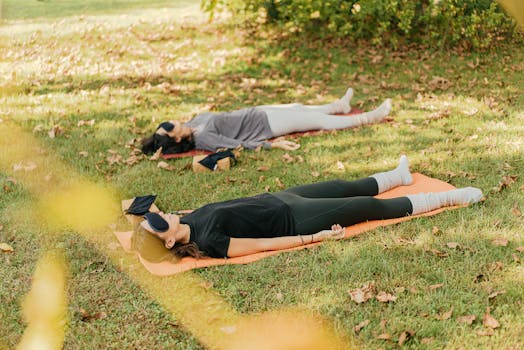
Breathwork is powerful, but it becomes even more effective when paired with supportive habits. Your autonomic system responds to the whole environment, not just one technique.
Grounding and posture
Try breathwork with feet on the floor, or lying down with knees supported. A stable posture reduces sensory threat and can improve the “safety signal” your nervous system receives.
Temperature and light cues
Many people downshift more easily with warm showers, warm socks, or a cooler room for sleep. Light exposure also matters: bright light in the morning supports circadian alignment, while dim lighting later helps you transition toward rest.
Movement as a bridge
If you’re coming from a high-sympathetic state, gentle movement (a short walk, slow stretching) before breathwork can make the session more tolerable. Then use slow exhalation breathing to consolidate the downshift.
Sleep timing: a simple evening protocol
If you want a practical bedtime routine:
- Dim lights 30–60 minutes before sleep
- Do 8–12 minutes of slow breathing with extended exhale
- Keep the exhale comfortable, not forced
- Stop if you feel wired; switch to normal breathing
Over several nights, your body may begin to associate this breathing pattern with settling.
Common mistakes that disrupt autonomic regulation
Breathwork is simple, but a few common errors can reduce benefits or increase discomfort.
Forcing volume or pushing the exhale
If you try to “empty” your lungs aggressively, you may tense your ribcage and stomach. Regulation depends on ease. Aim for a smooth exhale that feels like letting go.
Breathing too fast, too soon
Some people jump into advanced techniques or try to “feel something” quickly. If your nervous system is already stressed, faster breathing can amplify arousal. Start slower than you think you need.
Ignoring discomfort
Discomfort is not always a sign to push through. Dizziness, chest tightness, or panic-like sensations are signals to stop and reassess. Scale down, shorten the session, or switch to a gentler method like diaphragmatic breathing.
Practicing only when you’re in crisis
Breathwork works best as a skill you practice before you need it. Daily maintenance builds a baseline of familiarity, so when stress hits, your nervous system recognizes the pattern.
Where relevant products may fit—used as tools, not crutches
Some people use aids to support consistency, such as breathing apps that provide timed cues or devices that track breathing rate. These can be useful if they help you stay within a comfortable rhythm.
If you use a breathing timer or app, treat it as scaffolding. You still want to practice with a comfortable exhale and relaxed effort. If the cueing makes you tense or causes you to over-breathe, switch to a simpler approach—counting silently or using a metronome at a gentle pace.
For example, a person who struggles with timekeeping at work might use a breathing app that guides inhale/exhale seconds for a 5-minute session. The goal is still regulation through rhythm, not reliance on the tool.
Prevention and long-term autonomic resilience
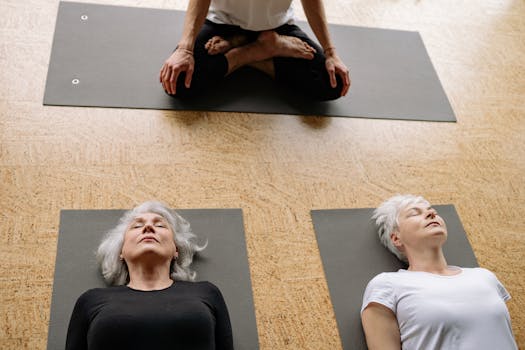
Autonomic regulation improves through repeated experiences of safety and recovery. Breathwork contributes to that learning, especially when you pair it with stable routines.
Build a “minimum effective dose” habit
Even 3–5 minutes per day can be meaningful. Choose a time you can protect—morning to set tone, mid-day to reset, or evening to support sleep.
Use breathwork as an early intervention
Don’t wait until you’re fully overwhelmed. Try it when you first notice subtle signs: faster breathing, tight shoulders, a rising sense of urgency. Early intervention often makes the session easier and the effect longer lasting.
Consider professional support when regulation is consistently difficult
If your symptoms include frequent panic, fainting, severe autonomic symptoms, or persistent dysregulation, breathwork alone may not be sufficient. A clinician can help you tailor interventions to your physiology and safety needs.
Summary: using breathwork for autonomic regulation with clarity and care
Breathwork for autonomic regulation works because breathing patterns directly influence sensory feedback and vagal pathways that help tune your nervous system. The most reliable starting point is slow, comfortable breathing with an extended exhale—often in the range of 3–4 seconds inhale and 5–7 seconds exhale for 5–10 minutes.
As you build consistency, you can add quick tools like physiological sighs for acute stress and gentle rhythm changes for activation when you feel shut down. Track progress through process markers—how quickly you recover, how steady you feel, and whether your body becomes more responsive to regulation.
Above all, keep breathwork safe and tolerable. If you experience dizziness, chest discomfort, or panic-like symptoms, stop or reduce intensity. Regulation is about helping your body feel safe enough to return to balance.
18.05.2026. 02:33