

Physiological Sigh Breathwork: Step-by-Step for Calm Breathing

Goal: Use physiological sigh breathwork to steady your breathing fast

Physiological sigh breathwork is a simple breathing pattern designed to help you shift out of tense, shallow breathing and into a more regulated rhythm. The “sigh” part matters: you take a small inhale, follow it with a second quick inhale to top up lung volume, then exhale longer than you inhaled. That sequence can feel like it resets your breath without needing complicated equipment.
Your goal for this practice is practical: complete a short session (about 3–6 minutes) with consistent timing, then notice whether your breathing feels calmer and more even. Over time, you can use it before stressful moments—meetings, workouts, travel delays, or bedtime—so your body has a familiar pattern to return to.
Preparation: Set up your body, space, and timing
You don’t need special training to start, but you do need a few basics so the practice stays safe and effective.
- Choose a quiet spot: Sit where you can keep your spine upright and shoulders relaxed. A chair is fine.
- Set a timer: Use your phone for 3 minutes at first. If you prefer structure, do 2 rounds of 90 seconds.
- Wear comfortable clothing: Avoid anything that restricts your chest or abdomen.
- Have water nearby: Optional, but helpful if you tend to get dry-mouthed during breathing practice.
- Use a simple tracking method: If you like feedback, a basic breathing app can help you pace inhales and exhales. If you’re using a wearable, keep expectations realistic—breathing patterns are more important than perfect metrics.
If you’re using a wearable, look for comfort features (like a gentle vibration reminder) rather than chasing exact breath rate. Some people find smartwatches or guided breath apps helpful for staying on tempo.
Step-by-step: How to do physiological sigh breathwork
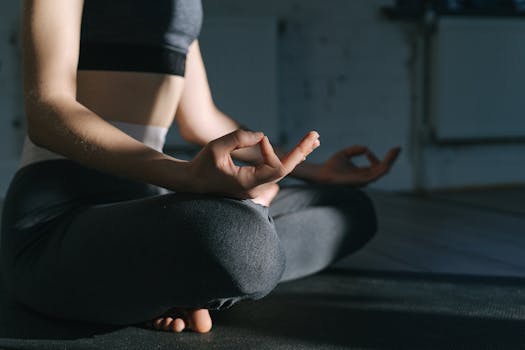
Follow these steps exactly. Consistency beats intensity.
- Step 1: Get into position (30–60 seconds). Sit tall with feet flat. Relax your jaw and drop your shoulders. Put one hand on your abdomen so you can feel your breathing.
- Step 2: Do a normal breath to settle (1 cycle). Inhale naturally through your nose, exhale through your mouth or nose. This is just to establish comfort.
- Step 3: Start the “sigh” sequence (repeat for the set). Use this pattern: small inhale → second quick inhale (top-up) → long exhale.
- Step 4: Set the timing (use counts). Try this for your first week: in 1–2 seconds, top-up inhale 1 second, exhale 3–4 seconds. If counting feels tricky, think “short-short-long.”
- Step 5: Make it gentle, not forced. The second inhale should feel like a light “sip” of air to finish the breath, not a maximal gulp.
- Step 6: Complete 10 cycles. Aim for steady rhythm. If you can, keep the exhale smooth and unhurried.
- Step 7: Rest briefly (20–30 seconds). Let your breathing return to normal. Don’t jump into the next round immediately if you feel lightheaded.
- Step 8: Repeat for 2–3 rounds (total 3–6 minutes). For most beginners, 20–30 cycles total is enough for a noticeable shift.
Practical example (real-world scenario): Imagine you’re about to walk into a meeting and you notice your shoulders are up and your breathing is shallow. You sit in your car or in the restroom for 3 minutes. You do 2 rounds of 10 cycles of physiological sigh breathwork (short inhale, top-up inhale, long exhale). After the second round, you stand up feeling more centered—your breath feels slower, and your attention is easier to hold.
Common mistakes: What to avoid during physiological sigh breathwork
Small adjustments make a big difference. Watch for these common issues:
- Forcing a big inhale: The practice should feel smooth. If you’re straining, shorten the inhale and keep the second inhale lighter.
- Making the exhale too short: The longer exhale is part of what helps shift your breathing pattern. Aim for an exhale about 2–3 times the length of your inhale.
- Doing it too fast: If you speed up, the “top-up” inhale can become panicky. Keep a calm tempo—especially in the first few days.
- Holding your breath: Physiological sigh breathwork is about inhale-exhale flow. Don’t pause between the second inhale and the exhale.
- Skipping rest: If you feel dizzy, stop immediately and return to normal breathing. Take an extra 1 minute of rest before trying again.
- Practicing right after intense exertion without easing down: If you just finished a hard workout, do gentle nasal breathing for 1–2 minutes first, then start a shorter breathwork session.
If you have a respiratory condition (such as asthma or COPD), or you experience chest tightness, consult a clinician before making breath changes. During practice, discomfort should be mild and temporary; sharp pain or significant breathlessness is a stop signal.
Additional practical tips: Optimize your results without overdoing it
Once the basic pattern feels comfortable, you can fine-tune your practice for your goals—calm before stress, better sleep onset, or a smoother breathing baseline.
- Start with a short daily habit: Do 3 minutes once per day for 5–7 days. After that, you can add a second session on high-stress days.
- Use it as a “pre-moment” tool: Try it 2–5 minutes before situations that reliably spike your stress—presentations, traffic, social events, or bedtime.
- Adjust timing based on comfort: If 3–4 seconds exhale feels too long, try 2–3 seconds. If it feels too easy, you can gradually extend exhale toward 4–5 seconds.
- Keep the breath quiet: You should not hear loud inhalations. If you hear a lot of sound, soften the inhale and reduce the volume.
- Match posture to performance: Sit tall with a relaxed belly. If you slouch, your ribs can feel restricted and the second inhale may feel awkward.
- Try a “micro-session” on busy days: If you only have 60 seconds, do 6 cycles and stop. That’s still useful for resetting your breathing rhythm.
- Pair with a simple cue: Many people find it easier to remember the sequence with a phrase like “short, short, long.” Say it silently as you practice.
- Consider guided support if you’re learning: A breathing app or a guided audio track can help you pace the inhale and exhale. Look for sessions labeled for paced breathing or breath regulation rather than extreme breath holds.
Soft product integration idea (optional): If you’re already using a smartwatch or a phone-based breathing timer, you can set a repeating timer for 3 minutes and follow the counts. Some people also like compact guided breath programs that include simple pacing. Choose tools that make it easier to stay consistent—not tools that encourage pushing your limits.
Progression plan: What to do after your first week
After you’ve completed 5–7 days of practice, you can extend the session slightly and refine the rhythm.
- Days 1–3: 2 rounds of 10 cycles (about 3–4 minutes total). Exhale 3 seconds.
- Days 4–7: 2–3 rounds of 10 cycles (4–6 minutes total). Exhale 3–4 seconds.
- Week 2: Keep the same total cycles, but aim for smoother, quieter breaths. You’re training rhythm, not volume.
If you notice you’re getting more relaxed during the exhale, that’s a good sign. If you notice increased anxiety, reduce the number of cycles and shorten the session. Your practice should feel supportive, not demanding.
When to use physiological sigh breathwork and when to pause

Use it when you want a fast shift in your breathing pattern. Many people find it helpful for:
- Pre-work stress or post-commute calming
- Before a workout warm-up (after a brief natural breathing reset)
- During the first minutes of trying to fall asleep
- Moments when you feel yourself holding tension in the chest or throat
Pause or stop if you feel lightheaded, unusually agitated, or if you experience chest discomfort. Return to normal breathing and try again later with fewer cycles.
Quick session scripts you can follow
Use these scripts to make it easier to start without thinking too much.
- 60-second reset: 6 cycles (short inhale, top-up inhale, long exhale). Rest 10–15 seconds. Stop.
- 3-minute calm: Round 1: 10 cycles. Rest 25 seconds. Round 2: 10 cycles.
- 5-minute pre-sleep: 2 rounds of 10 cycles, with exhale closer to 4 seconds. Keep your posture slightly reclined if comfortable.
If you’re practicing before sleep, keep the room dim and avoid screens. The breathwork is only one piece—environmental cues matter.
Safety notes for physiological sigh breathwork
Breathing exercises are generally low-risk for healthy people when done gently. Still, be sensible.
- Don’t push through dizziness. If you feel faint, stop and breathe normally.
- Be cautious if you have breathing disorders. If you have asthma, COPD, or other respiratory concerns, get clinician guidance for breathwork.
- Avoid doing it immediately after heavy meals. If you feel discomfort, wait 1–2 hours after eating.
- Keep intensity moderate. The second inhale is a top-up, not a forced expansion.
Done well, physiological sigh breathwork should feel steady and grounding. If you’re unsure, start with the smallest session and build gradually.
Make it stick: Build a routine around your real schedule

Consistency is what turns a breathing pattern into a reliable tool. Choose a trigger you already have—like after you brush your teeth, before you open your laptop, or after you put your keys down at home. Then pair it with a short practice script.
For example, you might do 3 minutes every weekday at 8:30 AM. On weekends, you might do it only when you feel stressed. Over time, your body learns the rhythm, and the “reset” becomes faster.
If you want to improve steadily, track one simple outcome: after your session, ask yourself whether your breathing feels calmer within 1–2 minutes. That feedback helps you adjust timing and cycle count without overcomplicating the practice.
16.02.2026. 12:02