

Sleep Temperature Optimization: Bedroom Cooling Targets

Why bedroom temperature changes your sleep
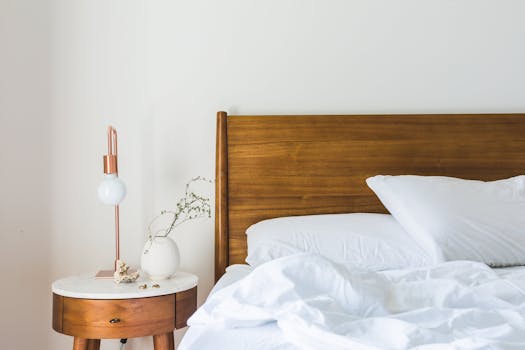
Your body sleeps better when it can cool down gradually. If your bedroom is too warm, you may toss more, wake more often, or feel “wired but tired.” If it’s too cold, you can get uncomfortable or wake up chilled.
That’s the core idea behind sleep temperature optimization bedroom cooling targets: you’re not trying to create a perfect lab environment. You’re trying to hit a comfortable cooling range that supports your natural temperature changes through the night.
For most people, the biggest wins come from small, practical adjustments: setting a realistic cooling target, using the right timing, and managing airflow and bedding so your skin can release heat.
The simple idea: how your body temperature shifts during sleep
When you fall asleep, your body starts to cool. Later in the night, temperature can drift upward again as your sleep cycles progress. This natural pattern is one reason “one temperature for all night” isn’t always ideal.
Think of it like this: your core temperature and your skin temperature work together. Your skin gives off heat to the room. When the room is comfortable and air can move, your body can settle into sleep more easily.
Two terms you’ll hear often are:
- Core body temperature: your internal temperature. It changes more slowly than skin temperature.
- Skin temperature: the temperature of your surface. It responds faster to room temperature, airflow, and bedding.
When people talk about “cooling targets,” they’re usually aiming to support your skin temperature while keeping your overall comfort stable.
What “cooling targets” usually means in real life

Cooling targets are the bedroom temperatures you aim for during sleep. They’re usually expressed as a range rather than a single number because your comfort depends on more than just temperature.
Humidity matters too. Air that feels “warm” at higher humidity can also feel “stuffy,” which makes it harder for you to release heat. Bedding thickness and fabric matter. Even your pajamas or whether you sleep under a heavy duvet can shift what feels comfortable.
That’s why beginner-friendly targets should be practical. Start with a range that works for many people, then adjust based on how you feel.
Beginner-friendly bedroom temperature ranges to try
Many sleep-focused guidelines land in the ballpark of:
- 60–67°F (16–19°C) for many adults
- ~65°F (18°C) as a common “starting point”
If you live in a cooler climate or you run cold at night, you might prefer the higher end of that range. If you tend to overheat, you might do better closer to the lower end.
Here’s a practical way to think about it: if you’re currently sleeping in a bedroom around 72–78°F (22–26°C), moving down by 3–8°F (2–4°C) often makes a noticeable difference within a few nights. If you’re already around 65–68°F (18–20°C), you may only need smaller tweaks like airflow, timing, or bedding adjustments.
Also remember that your comfort can vary by season. A target that feels great in winter might feel too cold in summer depending on humidity and how well your room holds heat.
How to choose your cooling target using your body’s signals
Instead of guessing, use what your body tells you. You can treat your sleep comfort like a simple feedback loop.
Try this approach for a week:
- If you wake up sweaty or feel hot under the blanket, lower your cooling target by about 2–3°F (1–2°C).
- If you wake up chilled or feel like you can’t get comfortable, raise it by about 2–3°F (1–2°C) or adjust bedding.
- If you fall asleep but wake after 2–4 hours feeling warm, you may need better timing (cooling earlier) or airflow that helps the room stay evenly cool.
This is beginner-friendly because it doesn’t require sensors or complicated settings. You’re simply narrowing in on what your sleep is asking for.
Airflow and bedding: the “hidden knobs” that change everything

Temperature alone isn’t the whole story. Air movement helps your skin release heat. Bedding controls how much warmth gets trapped near your body.
Here are a few beginner-friendly ways to adjust without overthinking:
- Use airflow strategically: A gentle fan can help distribute cool air. Aim for comfort, not a strong draft blowing directly at your face.
- Check your blanket weight: If you’re using a heavy duvet in warm months, you might feel hot even if your thermostat is set well.
- Choose breathable fabrics: Cotton or moisture-wicking sleepwear can feel cooler than thick, non-breathable materials.
- Keep vents unobstructed: If your HVAC vent is blocked by furniture or curtains, your room may not reach the temperature you set.
You can think of bedding as insulation. Two people can have the same thermostat setting and still feel different because their insulation and airflow differ.
How cooling systems work in a bedroom (without the jargon)
Most home cooling is either:
- Central air (or a wall/room unit) that cools air and circulates it
- Fans that move air without changing temperature
- Smart thermostats that adjust cooling based on schedules and sometimes sensors
In simple terms, air conditioning lowers the room temperature by removing heat. Fans don’t remove heat; they help your body cool by increasing air movement around your skin.
That’s why many people do better with a combination: a cooling target for the room, plus airflow for your skin.
If you’re using a smart thermostat, it may also “learn” your schedule. Some models can reduce or increase cooling based on how your home behaves. Even without complicated features, a consistent schedule helps the bedroom reach your target when you’re trying to sleep.
Timing matters: when to start cooling for better sleep
One common beginner mistake is cooling the room too late. If you set the thermostat to a lower temperature right at bedtime, you might still feel warm while the system catches up.
For many homes, it can take anywhere from 30 minutes to 2 hours to noticeably change bedroom temperature, depending on how hot the room is, insulation, and system power.
A practical timing rule:
- Start cooling about 60–90 minutes before you want to be asleep.
- Then let the room hold a stable target overnight.
If you wake up warm in the second half of the night, consider whether your cooling stops or weakens too early. Some systems run harder at first and then coast. If you notice a “warm-up” pattern after midnight, you may need a slightly lower overnight target or a schedule adjustment.
Real-world scenario: adjusting targets for a warm sleeper
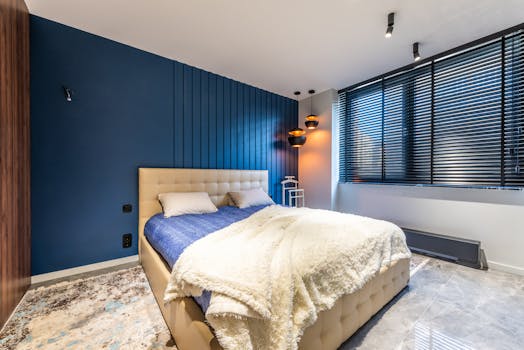
Imagine you’re a warm sleeper. Your bedroom is usually around 74°F (23°C) at bedtime in summer. You fall asleep, but you wake sweaty around 1–3 a.m. and feel irritated by the heat.
You decide to try a simple setup for a week:
- You set your cooling target to 67°F (19°C) instead of 74°F.
- You start cooling 75 minutes before bed.
- You use a small fan on low to improve airflow (not pointed directly at your face).
By the third night, your room feels noticeably cooler when you first lie down, and your waking sweat episodes reduce. You still feel warm sometimes, so you lower the target by another 2°F (1°C) to 65°F (18°C).
After a few more nights, you notice you wake less often and feel more “settled” when you wake up. The key was not chasing a perfect number—it was adjusting a few variables at once in a controlled, beginner-friendly way.
Common beginner mistakes that block sleep improvements
People often try sleep temperature optimization bedroom cooling targets in ways that backfire. Here are the most common issues to watch for:
- Chasing the thermostat number without changing comfort: If your skin still feels hot because of bedding or airflow, you’ll feel uncomfortable even at a lower temperature.
- Cooling too late: You set the thermostat at bedtime, but the room doesn’t reach the target until after you’ve already started overheating.
- Overcooling and waking chilled: If you drop the temperature too far, you might sleep lightly and wake more frequently.
- Ignoring humidity: In humid weather, the room can feel warmer and heavier even if the temperature looks “okay.”
- Using a fan incorrectly: A fan blasting directly at you can cause discomfort. Gentle, indirect airflow tends to be more tolerable.
- Changing everything at once: If you adjust temperature, bedding, and fan speed all in the same night, you won’t know what worked.
Keep it simple. Make one change at a time when possible, and give it a few nights to reflect your real sleep pattern.
Getting started: a beginner plan for your first week
Here’s a straightforward plan you can use right away. It’s designed for first-time users who want results without complex setups.
Step 1: Pick a starting target you can actually live with
If you don’t know where to start, try 65–67°F (18–19°C). If you run cold, start closer to 67°F (19°C). If you run hot, start closer to 65°F (18°C).
Step 2: Set the timing before you go to bed
Start cooling about 60–90 minutes before you expect to fall asleep. If your home cools quickly, you can shorten that. If it takes longer, extend it.
Step 3: Improve airflow gently
Add a fan or improve HVAC airflow so air moves around your bed. If you’re using a fan, keep it on low or medium and avoid direct strong airflow to your face.
Step 4: Adjust bedding for heat trapping
During the trial week, use bedding you already know is comfortable. If you suspect you’re overheating, choose a lighter blanket or breathable sleepwear. The goal is to reduce heat trapping near your skin.
Step 5: Use simple feedback, not perfection
After 3–4 nights, ask yourself two questions:
- Am I waking up because I’m too hot or too cold?
- Do I fall asleep more easily than before?
If you’re still waking hot, lower the target by 2–3°F (1–2°C). If you’re waking cold, raise it by the same amount or adjust bedding first.
How to fine-tune your targets for different situations

Once you have a baseline, you can adjust based on common “real life” changes.
Season changes
In summer, your bedroom may heat up faster during the day. You may need earlier cooling start time or a slightly lower overnight target. In winter, you may need the higher end of the range and rely more on bedding for warmth.
Exercise and late meals
If you exercise late, your body may still be warm when you get into bed. In that case, cooling earlier can help. Late heavy meals can also increase the feeling of heat and discomfort for some people, so you might prefer a slightly cooler room or lighter bedding on those nights.
Sleeping position and blanket coverage
Side sleepers often feel heat differently because of how the blanket drapes. If you notice you overheat mainly with certain blanket coverage, adjust how you tuck or use a lighter layer.
Shared bedrooms
If you sleep with someone who likes a different temperature, you can still improve your comfort without turning the whole room into a compromise. Consider managing your side of the bed with bedding layers and gentle airflow while keeping the room within a reasonable range.
Technology you might use: what to look for (without hype)
You don’t need advanced gear to get better sleep temperature optimization. Still, some tools can make your setup easier.
Here are common options and what they do in plain language:
- Smart thermostats: allow scheduling and sometimes adaptive behavior. They can help keep your bedroom closer to your chosen target without constant adjustments.
- Room temperature sensors: help you understand what the bedroom is actually doing, especially if the thermostat is located in a different part of your home.
- Fans: improve airflow around your bed, which can make a room feel cooler than temperature alone would suggest.
When you use any technology, the key is to keep your target simple and consistent. A complicated system can make it harder to learn what actually helps you sleep.
Safety and comfort notes for beginners
When you adjust bedroom cooling, aim for comfort first. If you have respiratory issues or allergies, be mindful that some airflow patterns can irritate you. Use gentle airflow and keep bedding clean.
If you’re using a fan, avoid strong direct blowing at your face for long periods. If you’re using air conditioning, consider keeping filters maintained so airflow stays comfortable.
And if you ever feel dizzy, unusually cold, or unwell after changing temperature settings, scale back. Sleep should feel restful, not stressful.
Keeping your results: how to maintain stable sleep temperature

Once you find a target range that works, stability becomes the goal. Temperature swings can wake you even if the average temperature is “fine.”
Beginner-friendly ways to reduce swings include:
- Use a consistent schedule for when cooling starts.
- Close curtains during hot parts of the day to reduce heat gain.
- Keep airflow paths clear so your cooling system can do its job.
- Don’t over-correct: if you overshoot and then crank the temperature back, you may create more fluctuation than you started with.
Small consistency beats dramatic changes. Your body likes predictable comfort.
A quick checklist for your next night
If you want a simple “do this now” checklist, use this:
- Set your bedroom target somewhere in 65–67°F (18–19°C).
- Start cooling about 60–90 minutes before you want to sleep.
- Use gentle airflow (fan on low or improved HVAC circulation).
- Make sure your bedding isn’t trapping too much heat.
- After 3–4 nights, adjust by 2–3°F (1–2°C) based on whether you wake too hot or too cold.
That’s it. You’re building a practical sleep temperature optimization routine with cooling targets that match your comfort, not someone else’s.
31.01.2026. 03:19