

How Piracetam Works in the Brain: A Science Explainer

What piracetam is and why the mechanism matters
Piracetam is one of the best-known members of the racetam class of nootropics. It was developed to support cognitive function, particularly in conditions involving cognitive decline or impaired brain function. Even when clinical outcomes are debated, the core scientific question remains consistent: how piracetam works in the brain at the cellular and systems level.
Mechanisms proposed for piracetam span multiple domains—neuronal membrane dynamics, neurotransmitter-related signaling, and aspects of blood flow and metabolism. Importantly, many claims come from a mixture of in vitro studies, animal research, and older clinical observations, which means the evidence base is not uniform across all proposed pathways. Still, the mechanistic map is useful because it clarifies what piracetam is likely to influence, how those effects could relate to cognition, and what limitations to expect.
Neuronal membrane effects: fluidity, receptors, and signal timing
A central idea in piracetam’s pharmacology is that it can alter the physical properties of neuronal membranes. Neurons rely on membranes to maintain proper electrical signaling, coordinate receptor function, and support the activity of membrane-associated proteins.
Researchers have proposed that piracetam may increase membrane fluidity and influence how lipids and proteins behave within the lipid bilayer. This matters because membrane microenvironment can affect:
- Receptor function, including how receptors change conformation and respond to neurotransmitters
- Ion channel behavior, which shapes firing patterns and synaptic timing
- Cell signaling cascades, because many signaling proteins are sensitive to membrane organization
From a systems perspective, even subtle changes in signal timing can influence learning and memory. Synaptic plasticity—how the brain strengthens or weakens connections—depends on precise coordination of receptor activation, calcium dynamics, and downstream gene expression. If piracetam modulates membrane properties, it could theoretically support more efficient synaptic processing.
However, membrane effects are difficult to quantify in living humans. The brain is heterogeneous, and membrane composition varies by region, cell type, and age. So while membrane modulation is a plausible mechanism, it should be considered part of a broader picture rather than the single explanation for all cognitive effects.
Synaptic plasticity and neurotransmission: indirect support for learning
Learning and memory are tightly linked to synaptic plasticity, especially processes such as long-term potentiation (LTP) and long-term depression (LTD). Piracetam has been studied in relation to these plasticity-related mechanisms, often in experimental settings.
Several neurotransmitter systems have been discussed in connection with piracetam, including acetylcholine pathways, glutamatergic signaling, and GABA-related balance. The key point is that piracetam is not typically described as a classic receptor agonist or antagonist that directly turns a single neurotransmitter pathway on or off. Instead, it may shift the brain toward a state that better supports synaptic communication.
One reason this is important: cognition is not simply “more neurotransmitter.” It is the coordinated dynamics of excitation and inhibition, receptor sensitivity, and downstream plasticity signaling. A compound that affects membrane properties or cellular metabolism could change the threshold for plasticity without directly mimicking neurotransmitters.
For example, if piracetam influences synaptic membrane environment, it could indirectly affect how glutamate receptors respond during high-frequency synaptic activity—an event central to LTP. Similarly, changes that affect cholinergic function could support attention and encoding processes, though the evidence quality varies by study type.
In practical terms, mechanistic theories like these help explain why piracetam is sometimes described as supporting cognitive performance rather than producing an immediate “stimulant-like” effect. Plasticity-related changes often require time, and neurotransmission modulation tends to be more gradual than direct receptor activation.
Energy metabolism and neuronal resilience
The brain is energetically demanding. Neurons depend on efficient mitochondrial function, stable glucose utilization, and tightly regulated energy supply to maintain ion gradients and synaptic activity. If piracetam supports aspects of cellular metabolism, that could contribute to cognitive performance—especially under stress or impaired function.
Animal and cell research has suggested piracetam may influence metabolic processes and the brain’s ability to use energy effectively. Proposed effects include:
- Improved utilization of glucose in certain contexts
- Support for mitochondrial function and cellular energy handling
- Modulation of oxidative stress responses in some models
While these findings are biologically plausible, translating them to consistent human cognitive outcomes is challenging. Human cognition depends on many factors beyond cellular metabolism, including vascular function, sleep quality, stress hormones, and baseline cognitive reserve.
Still, energy-related mechanisms are a common thread in nootropic hypotheses: compounds that help neurons maintain function during suboptimal conditions may show stronger effects when the brain is challenged rather than fully healthy.
Blood flow and microcirculation: delivering oxygen and nutrients
Another mechanistic area involves vascular effects. The brain’s performance is constrained by oxygen and nutrient delivery. Microcirculation—blood flow at the level of capillaries and small vessels—affects how effectively brain tissue receives resources and clears metabolic byproducts.
Piracetam has been studied for potential effects on blood rheology and microcirculation. This includes ideas such as reducing blood viscosity and improving red blood cell flexibility, which could theoretically enhance flow through small vessels.
When microcirculation improves, neurons may experience fewer episodes of relative underperfusion, which can matter for cognitive function, particularly in aging or vascular impairment. This mechanism is consistent with why some clinical uses of piracetam have historically focused on cognitive decline associated with impaired brain function.
However, vascular mechanisms are complex. Blood flow regulation involves endothelial function, autonomic control, and inflammatory signaling. The degree to which piracetam produces meaningful vascular changes in humans at typical doses remains a critical question. Mechanistic plausibility does not automatically guarantee clinically relevant effects.
Neuroprotection and anti-aggregation hypotheses
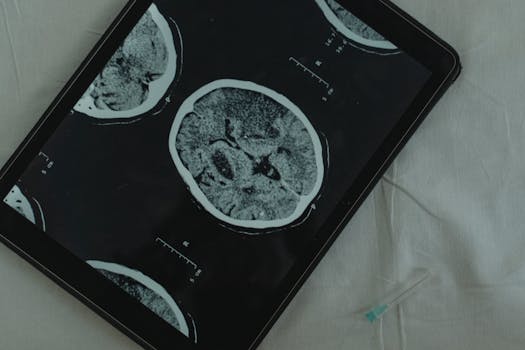
Some studies have explored whether piracetam has neuroprotective properties—especially in models of injury or impaired brain function. The proposed pathways vary, but they often include:
- Reducing cellular stress responses
- Supporting membrane integrity under damaging conditions
- Influencing inflammatory or oxidative pathways
There are also hypotheses related to protein aggregation and cellular clearance processes, though the evidence is not uniform and can be highly model-dependent. In a therapeutic context, neuroprotection is meaningful only if it occurs at realistic concentrations in human brain tissue and translates into functional outcomes.
For readers trying to interpret the literature, it helps to separate:
- Cell or animal neuroprotection (often compelling mechanistically)
- Human evidence (often mixed, depending on population and outcome measures)
From the standpoint of “how piracetam works in the brain,” neuroprotection is best viewed as a potential downstream benefit of upstream effects on membranes, metabolism, and stress resilience.
Cholinergic and glutamatergic pathways: attention, encoding, and balance
Among the neurotransmitter systems most frequently discussed in relation to piracetam are cholinergic and glutamatergic pathways.
Cholinergic signaling is central to attention and memory encoding. When cholinergic function is impaired, learning and attention often suffer. Some mechanistic discussions suggest piracetam may support cholinergic activity indirectly, potentially through effects on membrane dynamics or synaptic function. This could align with reports of improved cognitive performance in certain settings.
Glutamatergic signaling is the primary excitatory system in the brain and plays a key role in plasticity. However, glutamate must be tightly regulated; excessive excitation can contribute to excitotoxicity, while insufficient signaling can block synaptic strengthening. Compounds that modulate the “state” of synaptic communication—rather than simply increasing glutamate—could be more consistent with a plasticity-supporting profile.
Because piracetam is not a direct glutamate receptor modulator in the way some pharmacological agents are, its influence is often framed as indirect: changing membrane environment, affecting receptor responsiveness, and supporting plasticity-related processes.
The practical implication is that piracetam’s effects, if present, are more likely to be subtle and cumulative rather than immediate. Cognitive systems rely on coordination across networks, and neurotransmission shifts that support learning may require time to manifest.
What the brain networks might be doing differently
Mechanisms at the cellular level ultimately matter because they influence network dynamics—how brain regions communicate during attention, working memory, and learning.
If piracetam affects synaptic plasticity thresholds, membrane properties, and energy availability, it could theoretically support more efficient information processing in networks that underlie:
- Working memory (maintaining and updating information)
- Attention and signal filtering (prioritizing relevant inputs)
- Learning-related encoding (strengthening relevant synapses)
It’s also plausible that piracetam’s benefits—when they occur—are more noticeable in contexts where these networks are strained, such as age-related cognitive decline, sleep disruption, or conditions involving impaired brain function. In a fully healthy system, the “room to improve” may be smaller, which can affect how strongly users perceive cognitive changes.
Because network-level evidence is challenging to interpret, many mechanistic explanations remain inferential. Still, the convergence of membrane, metabolic, and synaptic plasticity hypotheses provides a coherent route from molecular action to cognitive outcomes.
Pharmacokinetics basics: reaching the brain and timing effects

Understanding how piracetam works in the brain also requires considering whether and how it reaches brain tissue in meaningful concentrations. Pharmacokinetics (absorption, distribution, metabolism, and excretion) shapes the duration and intensity of any mechanistic effect.
Piracetam is generally described as being absorbed and distributed systemically, with the ability to reach the central nervous system. It is not typically characterized by extensive hepatic metabolism, and it is commonly understood to be eliminated largely through renal pathways.
These properties matter for timing:
- Onset: If effects depend on plasticity or metabolic support, immediate changes may be limited.
- Duration: If the compound is cleared relatively steadily, consistent dosing might be necessary to maintain exposure.
- Population differences: Kidney function can influence elimination and steady-state exposure.
For people evaluating piracetam, timing expectations should be aligned with the mechanisms discussed. If a compound’s proposed action involves synaptic plasticity, the brain may need repeated exposure before measurable cognitive changes appear.
Safety and limitations: what the evidence can and can’t tell us
Mechanistic explanations should be treated as hypotheses supported to varying degrees by preclinical and clinical research. Several limitations are worth keeping in mind:
- Mechanism heterogeneity: Studies may measure different endpoints (membrane fluidity, neurotransmitter markers, microcirculation metrics), and results may not converge neatly.
- Translational gaps: Concentrations used in vitro or animal models may not match typical human exposure.
- Outcome variability: Cognitive testing differs across studies, and populations vary in baseline impairment.
Safety is also a practical consideration. Piracetam is generally described as well-tolerated in many contexts, but side effects can still occur. Commonly discussed issues include gastrointestinal discomfort and headache in some individuals. Because piracetam can affect platelet aggregation pathways in certain contexts discussed in the literature, people with bleeding risk or those taking anticoagulants/antiplatelet medications should approach with caution and consult a clinician.
Mechanisms related to vascular and microcirculation also raise the importance of medical history. If you have kidney disease, dosing and safety can differ due to renal clearance. If you have neurological conditions, the relevance of mechanistic effects may be different.
In short: understanding how piracetam works helps with scientific interpretation, but it does not replace individualized medical guidance.
Practical guidance for interpreting piracetam’s effects
If your goal is to understand what piracetam might do for cognition, a practical approach is to evaluate it like a research hypothesis rather than a guaranteed cognitive enhancer.
Consider the following evidence-aligned guidance:
- Track specific cognitive domains: If you’re interested in learning, attention, or memory, use consistent tasks or structured self-assessment rather than vague impressions.
- Allow time consistent with plasticity: If effects are mediated through synaptic changes, short-term trials may miss the relevant window.
- Control confounders: Sleep, caffeine intake, stress, and exercise can heavily influence cognition and can mask or mimic nootropic effects.
- Use cautious dose escalation: Mechanisms don’t always scale linearly, and tolerability varies. If you choose to use piracetam, it is prudent to start low and monitor responses.
- Consider medical context: Kidney function, bleeding risk, and medication interactions can change safety and expected pharmacological behavior.
Some people also ask about “stacking” piracetam with other compounds. Mechanistically, combining agents can create additive or interactive effects—sometimes beneficial, sometimes not. From a scientific standpoint, it’s better to evaluate changes when you can attribute them to a single variable, especially when trying to understand how piracetam works in the brain rather than how mixtures behave.
Relevant research directions and what to watch next
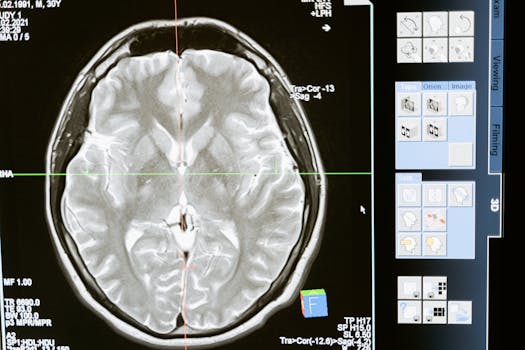
The mechanistic story of piracetam continues to evolve. Several research directions are likely to clarify how it influences the brain:
- Biomarker studies: Measuring synaptic function markers, metabolic indicators, or imaging correlates in humans after controlled dosing.
- Mechanism-focused clinical trials: Trials designed to test specific pathways (for example, plasticity-related outcomes) rather than broad cognitive scores alone.
- Population-specific research: Studying whether effects are stronger in groups with impaired brain function, vascular risk, or age-related cognitive changes.
As neuroscience tools improve—especially in vivo imaging and computational modeling—researchers can better connect molecular hypotheses to network behavior. That connection is crucial because cognition is an emergent property of distributed systems, not a single receptor pathway.
Summary: the most coherent mechanistic model
So, how piracetam works in the brain? The most coherent mechanistic model emerging from the literature is that piracetam may influence neuronal membrane properties and synaptic signaling, which in turn could support synaptic plasticity and more efficient cognitive processing. Additional hypotheses include support for energy metabolism and improvements in microcirculation, potentially helping brain tissue function under stress or impaired conditions.
At the same time, the evidence is not equally strong for every proposed pathway, and human outcomes vary by population, study design, and cognitive endpoints. The mechanistic picture is therefore best treated as a multi-factor framework rather than a single definitive mechanism.
Prevention and safety guidance: using science responsibly
If you’re considering piracetam or evaluating it for cognitive support, responsible use starts with safety and realistic expectations.
- Talk to a clinician if you have kidney disease, a history of bleeding disorders, or take anticoagulant/antiplatelet medications.
- Be cautious with underlying neurological conditions and avoid assuming “nootropic” equals risk-free.
- Separate cognition from lifestyle: ensure sleep, nutrition, and stress management are addressed first, since these strongly determine cognitive performance.
- Use evidence-based evaluation: track outcomes consistently and avoid jumping to conclusions from day-to-day fluctuations.
Finally, remember that mechanistic plausibility does not guarantee effect size in every person. The most scientifically grounded approach is to treat piracetam as a compound with proposed effects on membranes, synaptic plasticity, and brain energetics—then evaluate its actual impact on your own cognitive goals with careful, safety-focused attention.
25.02.2026. 08:03